Food Hygiene
 Health & Safety
 Safeguarding
 First Aid
 Business Skills
 Personal Development


Finding the best UK food hygiene course in 2026 comes down to choosing training that matches your role and career goals. For most individuals, a recognised Level 2 Food Safety Certificate is the strongest option, while beginners and supervisors may benefit from different levels of training.
Food hygiene qualifications play an important role in the hospitality, catering, and food production industries. They help learners understand safe food handling practices, reduce the risk of contamination, and give employers confidence that staff can meet expected hygiene standards.
This guide explores the top seven food hygiene courses available for individuals in the UK, compares their features, and explains which option is best for different job roles. It also covers online certification, accreditation, course duration, costs, and answers common questions to help you make an informed decision.
Table of Contents
Top 7 UK Food Hygiene Courses for Individuals 2026
Choosing the right food hygiene course depends on your role, experience level, and career goals. The best food safety training should not only provide a certificate but also teach practical skills to prevent contamination, maintain hygiene standards, and follow UK food safety requirements. Whether you are starting in the food industry, working in catering, or progressing into a management role, the right course can support your career development.

The Level 1 Food Hygiene and Safety Course is a great starting point for individuals who are new to food handling or want to understand the basics of safe food practices. It introduces essential food hygiene principles and helps learners understand how their actions can prevent food contamination and foodborne illness.
This course covers key areas including:
- Introduction to food hygiene legislation and foodborne illnesses
- Different types of food safety hazards
- Hazard control measures and refrigeration
- Personal hygiene for food handlers
- Cleaning and disinfection practices
It is suitable for beginners, volunteers, temporary staff, and anyone looking to build basic food safety awareness before moving on to higher-level training.

The Level 2 Food Hygiene and Safety for Catering Course is one of the most popular choices for people working in restaurants, cafés, kitchens, and catering environments. It provides practical knowledge needed to handle food safely and follow workplace hygiene procedures.
The course covers:
- Food safety laws and responsibilities
- Bacteria and microbiological hazards
- Physical, chemical, and allergen risks
- Food poisoning prevention and control measures
- Food storage and spoilage
- Personal hygiene standards
- HACCP principles and food premises
- Cleaning procedures and safe food practices
This qualification is ideal for chefs, kitchen assistants, catering staff, and anyone who prepares, stores, or serves food in the UK.

The Level 3 Food Hygiene and Safety Course is designed for individuals who supervise food operations or want to progress into senior roles within the food industry. It focuses on managing food safety systems, controlling risks, and maintaining high hygiene standards across a business.
Key topics include:
- Food safety management systems and HACCP
- UK food safety legislation
- Food contamination hazards and control methods
- Food poisoning and foodborne illnesses
- Allergen management and customer safety
- Temperature control and food storage
- Food labelling requirements
- Cleaning, waste disposal, and pest control
- Staff food safety training
This course is suitable for supervisors, team leaders, managers, and anyone responsible for maintaining food safety standards.

The Level 2 HACCP Training Course helps learners understand one of the most important food safety systems used across the food industry. HACCP (Hazard Analysis and Critical Control Points) helps businesses identify, evaluate, and control food safety risks before they become problems.
The course covers:
- Introduction to HACCP and food safety legislation
- Microbiological food hazards
- Allergenic, chemical, and physical hazards
- HACCP prerequisites and system development
- The seven principles of HACCP
This training is valuable for food handlers, supervisors, and business owners who want to improve food safety processes and compliance.

Food Allergen Awareness Training is essential for anyone working with food because incorrect allergen handling can put customers at serious risk. This course helps learners understand common allergens, prevention methods, and how to communicate allergen information correctly.
Topics covered include:
- Basics of food allergens
- Allergen guidance for food businesses
- Allergen information for consumers
- Allergic reactions and treatments
It is especially useful for restaurant staff, café workers, catering teams, and hospitality professionals who prepare or serve food.
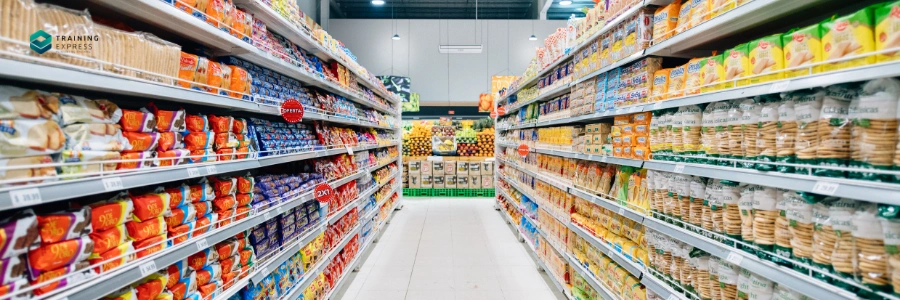
Food Labelling Regulations Training helps learners understand the rules businesses must follow when providing food information to customers. Correct labelling plays an important role in food safety, allergen awareness, and customer protection.
The course covers:
- Introduction to food labelling
- General food labelling principles
- Components of a food label
- Nutrition labelling requirements
- UK food labelling laws and regulations
- Food safety and public health responsibilities
This course is suitable for food business owners, managers, manufacturers, and professionals involved in food preparation or sales.

The Food Safety Manager Course is designed for individuals responsible for managing food safety within a workplace. It provides deeper knowledge of food hygiene, risk management, allergen control, and safe food handling procedures.
The course covers:
- Food safety law and responsibilities
- Bacteria and microbiological hazards
- Food poisoning prevention
- Food storage and spoilage control
- Personal hygiene requirements
- HACCP and food premises management
- Allergen guidance and customer safety
- Allergic reactions and treatments
This training is ideal for food business owners, managers, supervisors, and professionals responsible for maintaining safe food operations.
Choosing the right food hygiene course depends on your current role and future goals. Beginners may benefit from Level 1 or Level 2 training, while supervisors and managers may require advanced courses such as Level 3 Food Hygiene, HACCP, or Food Safety Manager training.
Comparison of Top 7 UK Food Hygiene Courses (2026)
Comparing food hygiene courses side by side makes it easier to choose the right training for your career goals. The best course depends on your current experience, job role, and the level of food safety knowledge you need.
| Course Type | Best For | Key Focus | Price |
|---|---|---|---|
| Level 1 Food Hygiene and Safety Course | Beginners, volunteers, temporary staff | Introduction to food hygiene legislation, food safety hazards, personal hygiene, cleaning, and basic contamination prevention | £10 |
| Level 2 Food Hygiene and Safety for Catering Course | Food handlers, kitchen assistants, chefs, catering staff | Food safety laws, bacteria, food poisoning prevention, allergen risks, food storage, HACCP basics, and safe food handling | £15 |
| Level 3 Food Hygiene and Safety Course | Supervisors, team leaders, managers | Food safety management systems, HACCP, contamination control, allergens, temperature control, labelling, cleaning, and staff training | £30 |
| Level 2 HACCP Training Course | Food handlers, supervisors, food business staff | HACCP principles, food safety hazards, microbiological risks, allergen control, and creating effective food safety systems | £20 |
| Food Allergen Awareness Training | Hospitality staff, catering teams, food business employees | Understanding allergens, allergen guidance, preventing allergic reactions, and communicating food information safely | £20 |
| Food Labelling Regulations Training | Food business owners, managers, food manufacturers | UK food labelling laws, label requirements, nutrition information, enforcement bodies, and food safety responsibilities | £20 |
| Food Safety Manager Course | Food safety managers, business owners, supervisors | Food safety law, food hazards, HACCP, food poisoning control, storage, hygiene practices, and allergen management | £20 |
Which Food Hygiene Course Is Best in the UK?
The best food hygiene course depends on your role and career goals. For most people working in restaurants, cafés, catering, and food service, the Level 2 Food Hygiene and Safety for Catering Course is the most suitable choice as it covers essential food handling, contamination prevention, hygiene practices, and workplace food safety requirements.
Which Food Hygiene Course Is Best for Beginners?
For learners with no previous food safety experience, the Level 1 Food Hygiene and Safety Course is a good starting point. It introduces basic food hygiene principles, food safety hazards, personal hygiene, and cleaning practices in a simple and beginner-friendly way.
Which Food Hygiene Course Is Required for Hospitality Jobs?
Many hospitality roles, including chefs, kitchen assistants, catering staff, and food servers, commonly require a Level 2 Food Hygiene and Safety qualification. It helps employees understand safe food preparation, storage, contamination risks, and hygiene standards expected in the workplace
Which Food Hygiene Course Is Best for Managers?
For supervisors, team leaders, and food business managers, the Level 3 Food Hygiene and Safety Course or Food Safety Manager Course is more suitable. These courses focus on food safety management, HACCP systems, staff responsibilities, risk control, and maintaining compliance.
Which Food Hygiene Course Can Be Completed Quickly?
If you need quick food safety awareness, courses such as Food Allergen Awareness Training or Level 1 Food Hygiene and Safety can often be completed within a few hours. However, choosing the right level of training is more important than choosing the fastest option.
Which Online Food Hygiene Course Is Best in the UK for Certification?

Choosing the right online food hygiene course can help you gain practical knowledge, improve your career opportunities, and meet workplace expectations. At Training Express, our food hygiene courses are designed to provide flexible, accessible learning that helps individuals understand essential food safety practices from anywhere.
Industry-Recognised Food Hygiene Certification
At Training Express, we focus on providing well-structured courses with up-to-date food safety knowledge, practical guidance, and clear learning outcomes. Our courses are designed to help learners build confidence in areas such as food handling, contamination prevention, hygiene standards, and workplace safety.
Choosing the Right Food Hygiene Course for Your Role
The right course depends on your responsibilities and experience level. Beginners may benefit from Level 1 training, while food handlers and catering staff often choose Level 2. Supervisors, managers, and business owners may require advanced training such as Level 3 Food Hygiene, HACCP, or Food Safety Manager courses.
Benefits of Online Food Hygiene Training
Online learning allows you to complete your training at your own pace without the need to attend classroom sessions. Training Express courses provide the flexibility to study around work and personal commitments while developing valuable food safety knowledge.
Why Choose Training Express for Food Hygiene Courses?
Training Express provides online food hygiene courses designed for individuals looking to improve their skills, support career development, and gain practical workplace knowledge. Our courses cover essential food safety topics to help learners feel more confident when working in food-related environments.
With flexible online access and industry-focused content, Training Express helps learners take the next step towards improving their food safety knowledge and professional skills.
How Do I Get a Food Hygiene Certificate Online in the UK?

Getting a food hygiene certificate online in the UK is a simple and flexible process. With Training Express, learners can complete their chosen food hygiene course online, study at their own pace, and gain essential food safety knowledge without attending traditional classroom sessions.
Step-by-Step Enrolment Process
Starting your food hygiene training with Training Express is quick and straightforward:
- Choose the right food hygiene course based on your role and career goals
- Enrol online and create your learner account
- Access your course materials instantly
- Complete the modules at your own pace
- Take the online assessment after finishing the training
This flexible approach makes online food hygiene training suitable for beginners, busy professionals, and anyone looking to improve their food safety knowledge.
Online Learning and Course Modules
Most online food hygiene courses are divided into short, manageable modules covering essential safety topics. Learners can study whenever it suits them and revisit lessons before taking the assessment.
Final Assessment Process
The assessment is normally completed online after finishing the learning materials. It checks your understanding of food safety principles and confirms that you can apply them in practical situations.
Certificate Delivery Methods
Once you pass the assessment, many providers issue a digital certificate immediately or within a short period. Some also offer printed certificates for learners who prefer a physical copy.
What Level 2 Food Hygiene Course Is Required for Hospitality Jobs in the UK?

The Level 2 Food Hygiene and Safety for Catering Course is one of the most popular food hygiene qualifications for hospitality workers in the UK. It provides essential knowledge to help staff handle food safely, prevent contamination, and maintain high hygiene standards in professional food environments.
Why Level 2 Is the Industry Standard
The course is widely recommended because it covers the everyday responsibilities of food handlers in practical settings. It gives employers confidence that staff understand the basics of hygiene and contamination control.
- Safe food storage
- Personal hygiene practices
- Preventing cross-contamination
- Cleaning and sanitation
- Temperature control
For many hospitality roles, this level strikes the right balance between accessibility and practical knowledge. It prepares staff to work safely without requiring advanced supervisory training.
Job Roles That Require Level 2 Certification
Food handlers in restaurants, cafés, pubs, catering businesses, takeaway services, and similar environments often benefit from Level 2 training. It is especially valuable for anyone directly involved in preparing or serving food.
Legal Requirements in UK Food Safety
Although specific qualifications are not always required by law, businesses must ensure staff receive appropriate food hygiene training for their responsibilities. Holding a recognised certificate helps demonstrate competence.
Employer Expectations in 2026
As competition for hospitality jobs continues, employers increasingly value applicants who already have relevant food safety training. Arriving with certification can reduce onboarding time and strengthen your application.
Which Accredited Food Safety Courses Are Recognised in the UK?

Choosing a recognised food safety course is important because employers want training that provides practical knowledge and follows accepted industry standards. A quality food hygiene certificate should help learners understand safe food handling, contamination prevention, and UK food safety responsibilities.
What Makes a Food Safety Course Recognised?
A recognised food safety course should include structured learning, clear objectives, and relevant content that reflects current workplace expectations. Before enrolling, it is important to choose a trusted training provider that offers valuable learning rather than just a certificate.
Key features to look for include:
- Clear and practical learning outcomes
- Reliable assessment methods
- Updated food safety information
- Professional course materials
- Recognised certification
At Training Express, our food hygiene and safety courses are CPD accredited, QLS endorsed, and endorsed by the Institute of Hospitality, helping learners gain recognised training that supports professional development and workplace confidence.
Why UK Food Safety Compliance Matters
Food safety training helps businesses maintain high hygiene standards and protect customers from food-related risks. Understanding food safety procedures allows employees to handle food correctly, reduce contamination risks, and follow workplace requirements.
Which Food Safety Certificates Do Employers Value?
Employers commonly value qualifications that match the learner’s role. Level 2 Food Hygiene and Safety is widely suitable for food handlers, while advanced training such as Level 3 Food Hygiene, HACCP, and Food Safety Manager courses can support supervisors and managers.
Choosing a Trusted Food Safety Training Provider
Not all online food hygiene courses offer the same level of learning. Choosing a reputable provider ensures your training provides real knowledge, practical skills, and a certificate that demonstrates your commitment to food safety standards.
What Is the Cheapest Online Food Hygiene Certificate in the UK 2026?
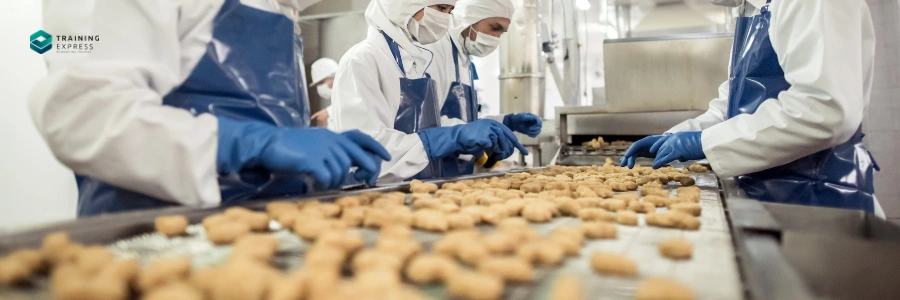
If you are looking for an affordable online food hygiene certificate in the UK, the Level 1 Food Hygiene and Safety Course is usually one of the most budget-friendly options. It is designed for beginners and provides essential knowledge about basic food safety, hygiene practices, and contamination prevention without requiring advanced training.
Why Level 1 Food Hygiene and Safety Is a Cost-Effective Choice
The Level 1 course offers a simple and affordable way to start your food safety journey. It covers the essential knowledge needed for basic food handling responsibilities, making it suitable for learners who are new to the industry or need introductory awareness training.
The course typically covers:
- Introduction to food hygiene legislation
- Food safety hazards and contamination risks
- Basic hazard control measures
- Personal hygiene for food handlers
- Cleaning and disinfection practices
What Affects the Cost of Food Hygiene Courses?
Food hygiene course prices can vary depending on several factors, including:
- Qualification level
- Course content and duration
- Training provider reputation
- Certification included
- Learning resources provided
Higher-level courses such as Level 3 Food Hygiene or Food Safety Manager training usually cost more because they cover advanced food safety management responsibilities.
Getting Value from an Affordable Food Hygiene Course
While price is important, choosing a course that provides useful knowledge and a recognised certificate is essential. A good-value course should help you understand food safety practices that can be applied in real workplace situations.
Training Express provides flexible online food hygiene courses designed to help learners gain practical skills, complete training at their own pace, and improve their professional knowledge.
Avoiding Low-Quality Cheap Courses
The cheapest option is not always the best choice. Before enrolling, check what the course covers, the credibility of the provider, and whether the certificate supports your career goals. A reliable food hygiene qualification should provide genuine learning value, not just a quick certificate.
Final Words
Choosing the right food hygiene course in 2026 depends on your experience, career goals, and the responsibilities of your role. While every course offers useful knowledge, the Level 2 Food Safety Certificate remains the best option for most individuals looking to work in hospitality, catering, or food service.
Taking a recognised food hygiene course is more than just earning a certificate. It helps you understand safe food handling practices, supports legal compliance, and gives employers confidence that you can maintain high standards in the workplace. Investing in the right training today can open doors to better opportunities tomorrow.
If you are ready to build your skills, our online food hygiene courses provide flexible learning, easy-to-follow modules, and recognised certification to help you progress with confidence. Whether you are just starting out or refreshing your knowledge, you can learn at your own pace and gain practical skills that make a real difference.
Frequently Asked Questions (FAQ)
What is a food hygiene certificate?
A food hygiene certificate is proof that you have completed training in safe food handling and hygiene practices. It shows that you understand how to reduce food safety risks and maintain clean working standards. Many employers value it when hiring staff for food-related roles.
Is Level 2 food hygiene mandatory in the UK?
Level 2 Food Hygiene is not legally required in every situation, but it is widely expected for people who prepare or handle food. Many businesses choose this qualification to ensure staff have the knowledge needed to work safely. It is often seen as the industry standard for hospitality jobs.
Can I complete food hygiene training online?
Yes, many food hygiene courses in the UK are available online and can be completed from home. Learners can study at their own pace using a computer, tablet, or mobile device. Once the course and assessment are finished, a certificate is usually issued electronically.
How long does certification last?
Food hygiene certificates do not always have a fixed expiry date, but regular refresher training is strongly recommended. Many employers prefer staff to update their knowledge every few years to stay current with best practices. This helps maintain high standards in the workplace.
Do employers accept online certificates?
Yes, most employers accept online food hygiene certificates as long as they come from a recognised and reputable training provider. They are generally more interested in the quality of the training than the method of delivery. Choosing a trusted course can improve your credibility and job prospects.

Robert Lawrence
Author | Specialises in E-Learning
Robert Lawrence is an e-learning specialist and tutor at Training Express, with experience creating practical resources and strategies to support learners and enhance their professional development.