Food Hygiene
 Health & Safety
 Safeguarding
 First Aid
 Business Skills
 Personal Development
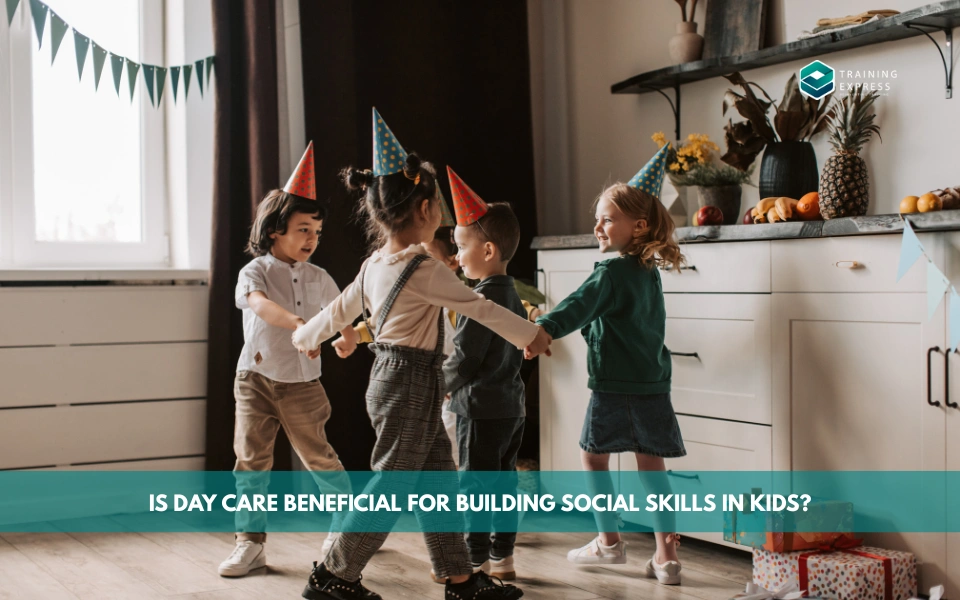

Yes, Day care can be highly beneficial for building social skills in kids, especially when it provides a safe, nurturing, and developmentally appropriate environment. By interacting with peers and caregivers outside the home, children get early exposure to social situations that shape communication, cooperation, and emotional understanding.
This article explores how day care supports social skill development, along with potential downsides, important considerations, and practical guidance to help parents decide what’s best for their child.
Table of Contents
Key Social Benefits of Day Care
Day care environments offer structured and unstructured opportunities for children to practice social behaviors daily. These experiences play a crucial role in shaping how children relate to others as they grow.
1. Peer Interaction
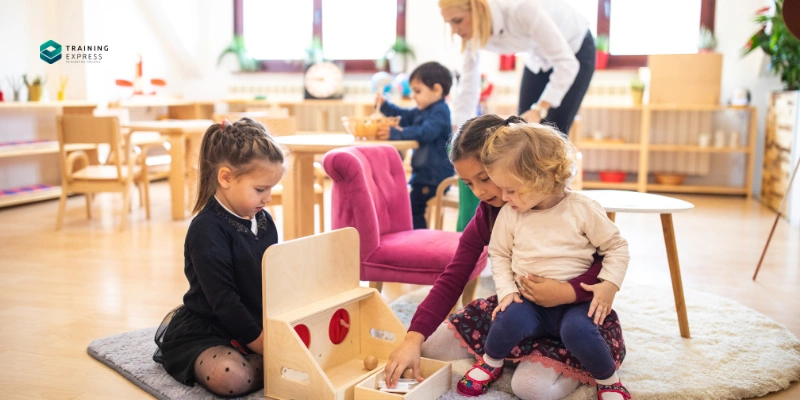
Regular interaction with other children teaches essential skills like sharing, turn-taking, and teamwork. Unlike occasional playdates, day care provides consistent peer exposure, helping children learn how to navigate friendships, resolve conflicts, and understand group dynamics.
2. Communication Skills
Children in day care are encouraged to express their needs, ideas, and emotions verbally. Frequent conversations with peers and caregivers strengthen vocabulary, listening skills, and non-verbal communication, such as body language and facial expressions.
3. Emotional Intelligence
Day care helps children recognize and manage emotions—both their own and others’. Through guided interactions, kids learn empathy, patience, and coping strategies when dealing with frustration, excitement, or disappointment.
4. Diversity & Inclusivity
Exposure to children from different cultural, social, and family backgrounds promotes acceptance and inclusivity. This early awareness helps children develop respect for differences and reduces social biases later in life.
5. Independence & Confidence
Spending time away from parents encourages children to make small decisions independently. Successfully navigating day care routines builds confidence and a sense of autonomy.
6. School Readiness
Day care prepares children for school-like environments by introducing routines, group learning, and basic social rules. These experiences ease the transition into formal education.
Important Considerations
While day care offers many benefits, it’s not a one-size-fits-all solution. Parents should weigh several factors before choosing a program.
1. Quality Matters
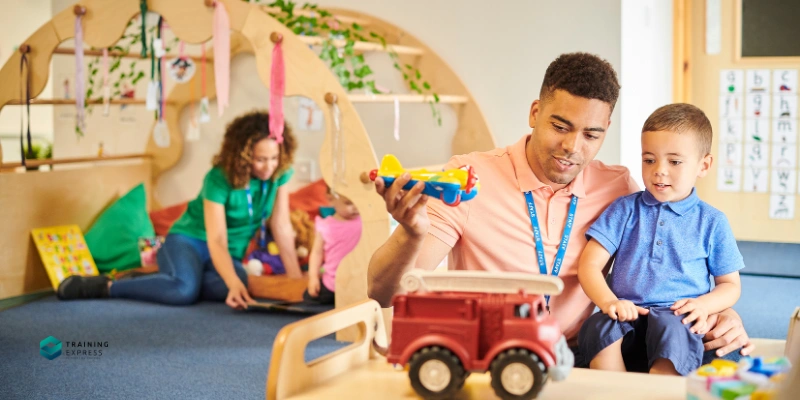
High-quality day care programs with trained caregivers, low child-to-staff ratios, and age-appropriate activities are far more effective in supporting social development.
2. Caregiver Consistency
Stable relationships with caregivers help children feel secure. Frequent staff turnover can disrupt emotional bonding and affect social growth.
3. Potential Downsides
Some children may feel overstimulated or struggle with separation anxiety. Poor-quality settings can lead to stress or behavioral issues, highlighting the importance of careful selection.
What Is Day Care?
Day care refers to supervised care for children during the day, typically while parents work. It varies widely in structure, philosophy, and setting.
A. Types of Day Care Settings
1. Center-Based Day Care
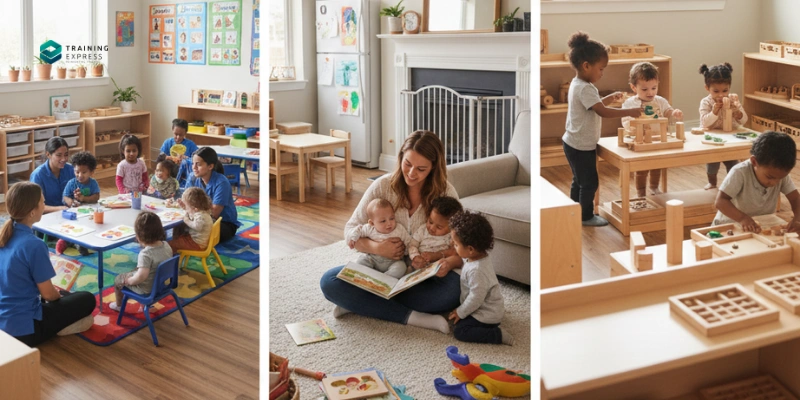
Structured facilities with multiple caregivers and age-grouped classrooms. These centers often follow educational frameworks and offer strong peer interaction.
2. Home-Based Day Care
Smaller, home-run settings that may feel more personal and flexible. Social exposure is limited to fewer children but can still be meaningful.
3. Montessori and Play-Based Programs
These programs emphasize child-led learning, collaboration, and hands-on activities, often supporting strong social and emotional growth.
B. Typical Age Groups in Day Care
1. Infants
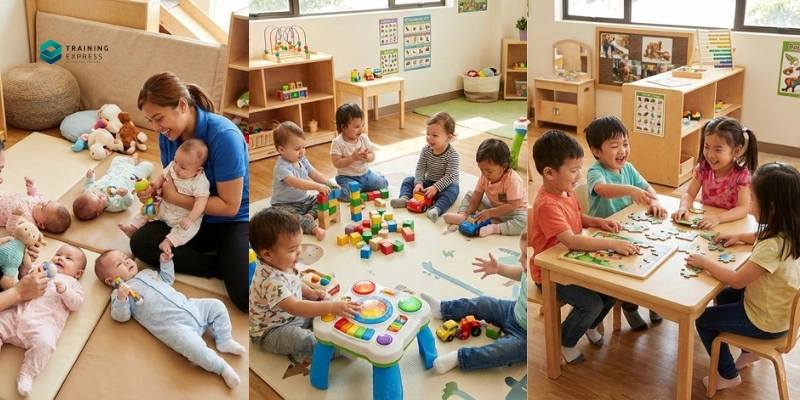
For infants, day care supports social development through secure bonding with caregivers and increased exposure to different voices, facial expressions, and routines. Babies learn by observing others, which helps build early social awareness and emotional responsiveness. While peer play is limited, these early interactions lay the foundation for trust and attachment.
2. Toddlers
Toddlers benefit from day care by engaging in parallel play, where they play alongside other children while learning social boundaries and routines. This stage strengthens early communication skills, such as using words, gestures, and expressions to express needs. Day care also helps toddlers begin recognizing emotions in themselves and others.
3. Preschoolers
Preschoolers actively develop social skills through cooperative play, group activities, and shared problem-solving experiences. They learn important behaviors like taking turns, negotiating, and working as part of a team. These interactions help prepare children for classroom expectations and more complex social relationships in school.
Day Care vs. Home Care: Social Skill Comparison
Choosing between day care and home care can significantly influence a child’s social development. Each option offers unique social experiences that shape how children interact, communicate, and build relationships. Understanding these differences helps parents make informed decisions based on their child’s needs and family lifestyle.

A. Social Opportunities at Home
- Interaction with siblings and extended family
- Playdates and community activities
Home care can be rich socially, especially with active parental involvement
B. Unique Advantages of Day Care
- Consistent peer exposure
- Structured social learning environment
Day care offers daily practice in group dynamics that home care may not consistently provide.
C. Finding the Right Balance
- Combining day care with family bonding
- Importance of parental involvement
The best outcomes often come from balancing day care experiences with nurturing home interactions.
Signs That Day Care Is Helping Your Child Socially
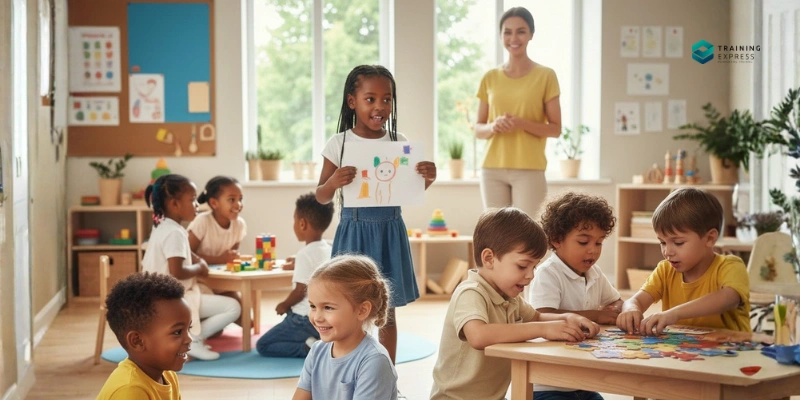
Not all social growth is immediately obvious, but many positive changes begin to show at home and in everyday interactions. When day care is supporting healthy social development, children often display new behaviors that reflect growing confidence and emotional understanding. Parents can look for the following signs as indicators of social progress:
- Improved communication at home
- Increased confidence around other children
- Better emotional regulation
- Willingness to share and cooperate
These signs suggest that your child is benefiting socially from their day care environment.
Closing Note
Day care can play a powerful role in building social skills in kids by offering regular peer interaction, emotional learning, and structured routines. However, the benefits depend heavily on program quality, caregiver consistency, and alignment with your child’s personality and needs.
Parental involvement remains essential—day care should complement, not replace, meaningful family interactions. By observing your child’s social progress and choosing the right environment, you can support healthy, confident social development.
Frequently Asked Questions (FAQ)
Can infants benefit from day care socially?
Yes, infants can benefit socially from day care through secure bonding with caregivers, increased emotional responsiveness, and observing social interactions around them. These early experiences help build trust and support emotional development, even before active peer play begins.
How long should a child attend day care to see social benefits?
Most children begin showing social benefits after several months of consistent day care attendance. Regular exposure to peers and caregivers helps strengthen communication, emotional regulation, and confidence over time.
Are play-based programs better for social skill development than traditional programs?
Play-based programs are often more effective for social skill development because they encourage collaboration, creativity, and peer interaction. These environments allow children to learn social behaviors naturally through guided play and exploration.
How can parents reinforce social skills at home?
Parents can reinforce social skills at home by modeling positive behavior, encouraging playdates, and talking openly about emotions and problem-solving. Reading stories, role-playing social situations, and practicing empathy also support social growth.
Can daycare negatively affect a child’s social development?
Day care can negatively affect social development if the quality is poor, caregiver turnover is high, or the environment does not match the child’s needs. Choosing a nurturing, well-structured program helps minimize potential risks.
What percentage of babies go to daycare?
In many developed countries, approximately 60–70% of babies experience some form of non-parental care, including day care, during their early years.
Do kids in daycare have better social skills?
Many studies suggest that children in quality day care settings often develop stronger social skills, particularly in areas like sharing, cooperation, and peer communication.
Does exposure to daycare enhance children's social skills?
Yes, exposure to high-quality day care can enhance children’s social skills by providing regular opportunities for interaction, emotional learning, and group participation.
How to help a child improve social skills?
To help a child improve social skills, provide regular opportunities for peer interaction, practice emotional coaching, and encourage positive role modeling at home and in social settings.
Is daycare good for socialisation?
Day care is generally good for socialisation when it offers a supportive environment and is balanced with strong family involvement and emotional support at home.
What are the positive effects of daycare?
Positive effects of day care include improved communication skills, increased confidence, better emotional intelligence, stronger peer relationships, and improved school readiness.
At what age do children develop social skills?
Social skill development begins in infancy and grows rapidly between the ages of 2 and 5, as children learn to communicate, cooperate, and manage emotions through interaction.