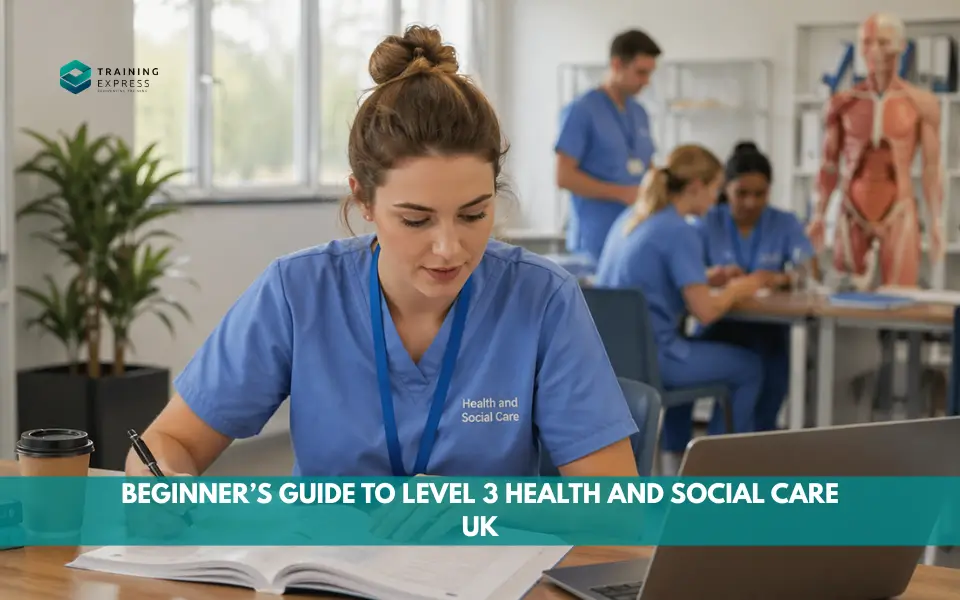
Beginner’s Guide to Level 3 Health and Social Care UK

Starting something new can feel uncertain, especially when it involves choosing a career path. You want clarity, not confusion. You want to know what you are stepping into before you commit your time and effort.

That is exactly where this guide comes in.

The Level 3 Health and Social Care course is often recommended as a starting point in the UK, but many beginners still have questions. What does it involve? Is it difficult? Where can it lead?

Instead of overwhelming you with technical details, this guide walks you through everything step by step. It gives you a clear understanding of what the course is, what you will learn, and what happens after you complete it.

By the end, you will have a realistic picture of whether this path fits your goals.

Table of Contents

Get Level 3 Health and Social Care Course For Just £8 Today!
Last chance — limited-time offer. Start accredited training now & boost your healthcare career fast. Use dode TREAT at checkout.
Take This Course

What Is Level 3 Health and Social Care

health and social care course

The Level 3 Diploma in Health and Social Care is a recognised qualification designed to prepare learners for working in care environments.

In the UK, it is considered equivalent to A-level study and is widely accepted by employers across the sector.

The course focuses on essential areas such as safeguarding, communication, health and safety, and person-centred care.

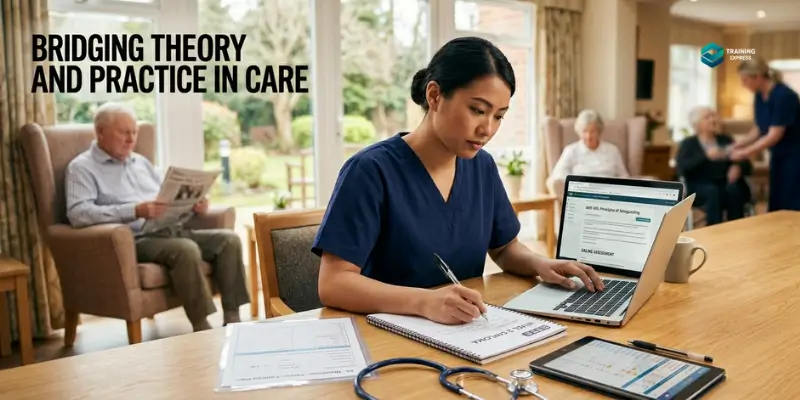
It combines knowledge with practical understanding, helping learners move beyond theory and prepare for real responsibilities.

Why This Course Is Popular in the UK

The health and social care sector continues to grow across the UK. There is a constant demand for trained individuals who can support people in different care settings.

This demand makes the Level 3 qualification highly relevant.

Another reason for its popularity is accessibility. Beginners can start without extensive prior experience, making it a practical entry point.

The course also connects directly to job opportunities, which makes it appealing to those who want a clear path into employment.

Who Should Study This Course

This course is suitable for a wide range of learners.

School leavers often choose it as their first step into a professional career.

Career changers use it to transition into a field that offers stability and meaningful work.

It is also suitable for individuals returning to education after a break, as the structure is designed to support gradual learning.

Anyone who is interested in working with people, supporting others, and developing practical skills may find this course a strong fit.

Entry Requirements for Beginners

One of the most reassuring aspects of this course is that the entry requirements are generally flexible.

Most providers expect a basic level of education, such as GCSEs or equivalent. However, some courses focus more on your interest and commitment.

A reasonable level of English is important, as communication plays a central role in both the course and future job roles.

In some cases, practical assessments or placements may be required, depending on the provider.

Overall, the course is designed to be accessible for beginners who are ready to learn.

What You Will Learn

The course covers a range of topics that are directly linked to real care environments.

You will learn about safeguarding and how to protect individuals from harm.

Communication techniques will help you interact effectively with different people.

Health and safety practices ensure that you understand how to maintain safe environments.

You will also explore equality, diversity, and person-centred care, which are essential in delivering respectful and effective support.

These areas work together to build a strong foundation for your future career.

How the Course Works

The course is structured to guide you from basic understanding to practical application.

You will complete assignments that test your ability to apply knowledge rather than simply memorise information.

Some courses include practical elements or placements, allowing you to experience real work environments.

Support from tutors or mentors is often available, helping you stay on track and improve your understanding.

The learning process is gradual, allowing you to build confidence over time.

Study Options in the UK

There are multiple ways to study this course in the UK.

Classroom-based learning provides a structured environment with direct interaction.

Online learning offers flexibility, allowing you to study from home at your own pace.

Distance learning combines elements of both, giving you guidance while maintaining flexibility.

Choosing the right option depends on your lifestyle and preferences.

Career Opportunities After Completion

Completing the Level 3 Health and Social Care course opens the door to several entry-level roles.

You may work as a care assistant, support worker, or healthcare assistant.

These roles exist in various settings, including hospitals, care homes, and community services.

They provide valuable experience and allow you to develop further skills.

With time, these roles can lead to more advanced positions within the sector.

Tips for Beginners to Succeed

Starting strong can make a big difference.

Focus on consistency. Regular study helps you build understanding without feeling overwhelmed.

Develop good communication habits early. This skill is essential in both learning and working environments.

Stay open to feedback. Small improvements can lead to better results over time.

Seek practical experience whenever possible. Real-world exposure strengthens your confidence and understanding.

A steady and focused approach often leads to the best outcomes.

Challenges You May Face

Like any course, this one comes with challenges.

Balancing study with other responsibilities can be difficult at times.

Adjusting to new concepts and expectations may require effort and patience.

Practical environments can feel unfamiliar in the beginning.

However, these challenges are part of the learning process. Facing them helps you grow and develop the skills needed for your future career.

Progression and Future Opportunities

The Level 3 qualification is a starting point for further growth.

After gaining experience, you can move into roles with greater responsibility.

You may also choose to continue your education with Level 4 or Level 5 qualifications.

Specialising in areas such as mental health or elderly care can open additional opportunities.

This progression allows you to build a long-term and stable career.

Conclusion

The Level 3 Health and Social Care course provides a clear and practical starting point for beginners in the UK.

It offers a balance between knowledge and real-world application, helping you move from learning into employment with confidence.

For those who are willing to stay consistent and develop their skills, it creates a strong foundation for a meaningful career.

The journey may begin with uncertainty, but with the right approach, it leads to clarity and growth.

Frequently Asked Questions (FAQ)

Is Level 3 Health and Social Care suitable for beginners?

Yes, it is designed to be accessible and beginner-friendly.

What qualifications do I need to start this course?

Most providers require basic education such as GCSEs or equivalent.

Can I study Level 3 Health and Social Care online in the UK?

Yes, many providers offer flexible online learning options.

What jobs can I get after completing the course?

You can work as a care assistant, support worker, or healthcare assistant.

Can I progress after Level 3 Health and Social Care?

Yes, you can continue with higher-level qualifications or move into advanced roles.

Robert Lawrence

Robert Lawrence

Author | Specialises in Health & Social Care

Robert Lawrence is an e-learning specialist and tutor at Training Express, with experience creating practical resources and strategies to support learners and enhance their professional development.


May 19, 2026