Food Hygiene
 Health & Safety
 Safeguarding
 First Aid
 Business Skills
 Personal Development


Let’s face it—confined spaces are some of the most dangerous places to work. They’re often dark, isolated, filled with unseen hazards, and if something goes wrong, help might not arrive in time. Despite being common across industries—from construction and engineering to utilities and manufacturing—confined spaces remain misunderstood and underestimated.
Why does this matter? Because people die in confined spaces every year, not just from obvious hazards like toxic gases, but also from poor planning, inadequate training, and lack of rescue strategies. These are not just unfortunate accidents; they’re preventable tragedies.
That’s why understanding confined space risks and regulations isn’t optional—it’s critical. The UK’s Confined Spaces Regulations 1997 lay out strict responsibilities for employers and workers alike, but knowing the law is only half the battle. You also need the right training, equipment, and mindset to stay safe.
Whether you’re a construction worker, a health and safety officer, an engineer, or a supervisor overseeing confined space operations, this guide is for you. We’ll walk you through everything—from the definition of a confined space to the nuts and bolts of risk management and safety essentials.
Table of Contents
What is a Confined Space?
At first glance, a confined space might not seem all that dangerous. It could be a storage tank, a manhole, or even a crawl space beneath a building. But looks can be deceiving.
In legal terms, the UK’s Health and Safety Executive (HSE) defines a confined space as “any place, including any chamber, tank, vat, silo, pit, trench, pipe, sewer, flue, well or other similar space in which, by virtue of its enclosed nature, there arises a reasonably foreseeable risk.” That risk could come from harmful substances, lack of oxygen, or the potential for engulfment or fire.
What makes a space “confined” isn’t just its size—it’s the conditions inside it and the difficulty of getting in or out quickly in case of an emergency.
Key Characteristics:
- Limited openings for entry and exit
- Poor ventilation leading to buildup of toxic gases or lack of oxygen
- Not designed for continuous human occupancy
- Potential for engulfment or entrapment
Common Examples:
Common examples of confined spaces include:
- Utility vaults, which are often located underground and present risks due to limited airflow and potential gas build-up.
- Ship holds also qualify, as they are enclosed areas used for cargo storage, often with poor ventilation.
- Boilers, especially large industrial ones, are confined due to their enclosed design and exposure to extreme temperatures.
- Underground tunnels, such as those used in sewer or transport systems, present high risks due to restricted access and hazardous atmospheres.
- Storage silos, frequently used in agriculture or manufacturing, pose dangers from engulfment and the potential buildup of combustible dust or gases.
Even something as seemingly harmless as a septic tank or wine fermentation vat can be a death trap if proper safety measures aren’t taken.
Confined Space Hazards You Must Know
Confined spaces aren’t just tight—they’re full of danger. These environments can harbor hidden risks that turn routine maintenance or inspections into life-threatening operations.
Before anyone sets foot into a confined space, it’s crucial to understand the types of hazards that might be present. Ignoring these risks can lead to fatal accidents, not just for the person inside but also for untrained rescuers attempting to help.
What Are the 4 Types of Confined Space Hazards?
Before anyone enters a narrow spaces, it’s crucial to understand the nature of the dangers that might be lurking inside. Confined spaces present a variety of risks that can change quickly and without warning. These hazards typically fall into four primary categories, each posing unique and potentially deadly threats to workers. Knowing them isn’t just about compliance—it’s about survival.
1. Atmospheric Hazards
These are the silent killers. Gases like hydrogen sulfide (H₂S), carbon monoxide, methane, or even a simple lack of oxygen can render a space immediately dangerous to life or health.
- Oxygen deficiency: Below 19.5%, the human body starts to shut down.
- Toxic gases: Invisible, often odorless, and deadly even in small concentrations.
- Flammable atmospheres: Methane or propane buildup can cause explosions.
2. Physical Hazards
These include extreme temperatures, electrical hazards, or slippery surfaces. Imagine working in a boiler that’s not properly cooled—it’s not just uncomfortable, it’s potentially lethal.
- Heat stress
- Electrocution
- Noise hazards
3. Engulfment Hazards
Materials like sand, grain, or water can surround and smother a worker. Engulfment doesn’t give warnings—it just swallows you up.
- Grain bins
- Slurry tanks
- Loose materials in pits or silos
4. Mechanical Hazards
Unsecured machinery or equipment that suddenly activates can cause crushing injuries or worse.
- Rotating equipment
- Valves that release fluids or gases unexpectedly
How Hazards Are Identified and Assessed
You can’t manage what you don’t understand. That’s why hazard identification is step one before any confined space work begins.
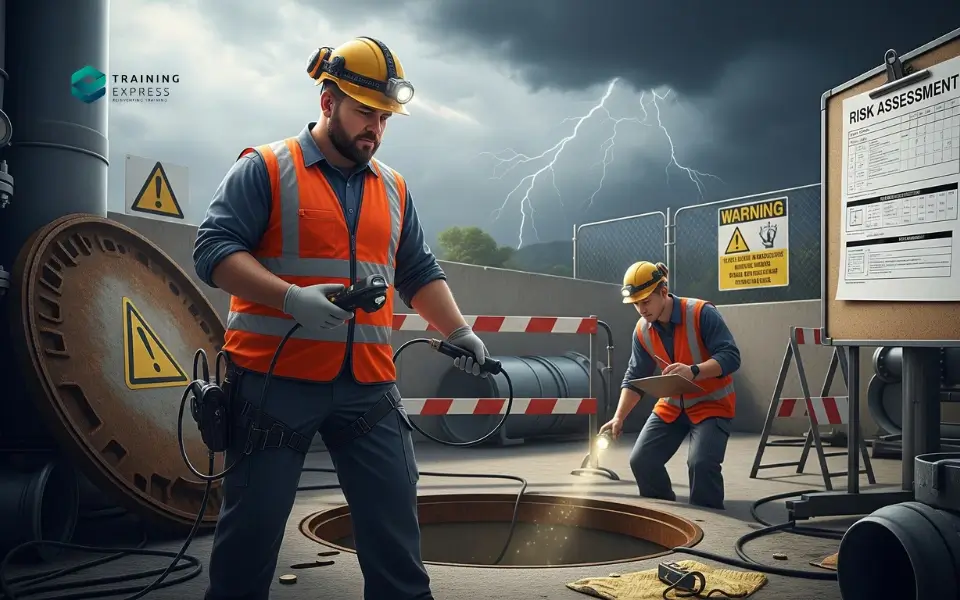
Step-by-step approach to hazard assessment:
- Initial Survey: Identify confined spaces in the worksite and classify their risk level.
- Atmospheric Testing: Use gas detectors to check for oxygen levels, toxic gases, and flammables.
- Visual and Physical Inspection: Look for structural integrity issues, pest infestation, or water ingress.
- Dynamic Assessment: Conditions can change rapidly, so ongoing monitoring is critical.
- Document the Risks: A written risk assessment is a legal requirement under UK law.
Keep in mind—hazards aren’t static. They can develop over time or due to external conditions (like rain flooding a pit). That’s why assessments need to be both thorough and continuous.
UK Confined Spaces Regulations 1997
When it comes to confined space safety in the UK, there’s no wiggle room—the law is clear, detailed, and strictly enforced. The Confined Spaces Regulations 1997 serve as the primary legislation that governs how confined space work must be carried out. Whether you’re an employer, a site supervisor, or a worker, these regulations directly impact how you plan, prepare, and perform your tasks.
Purpose of the Regulations
The core goal of these regulations is simple: to prevent death and injury in confined spaces. It recognizes that confined spaces are inherently dangerous and that, unless proper precautions are taken, the risks can be fatal.
Key Legal Requirements:
- Avoid entry where possible. The law encourages eliminating the need to enter confined spaces if the work can be done from outside.
- Carry out risk assessments. Before any work starts, employers must assess the potential risks and hazards.
- Implement safety measures. If entry is unavoidable, adequate control measures must be in place.
- Train employees. Workers must receive appropriate training and understand the risks involved.
Provide emergency procedures. Every confined space task must include a robust emergency rescue plan.
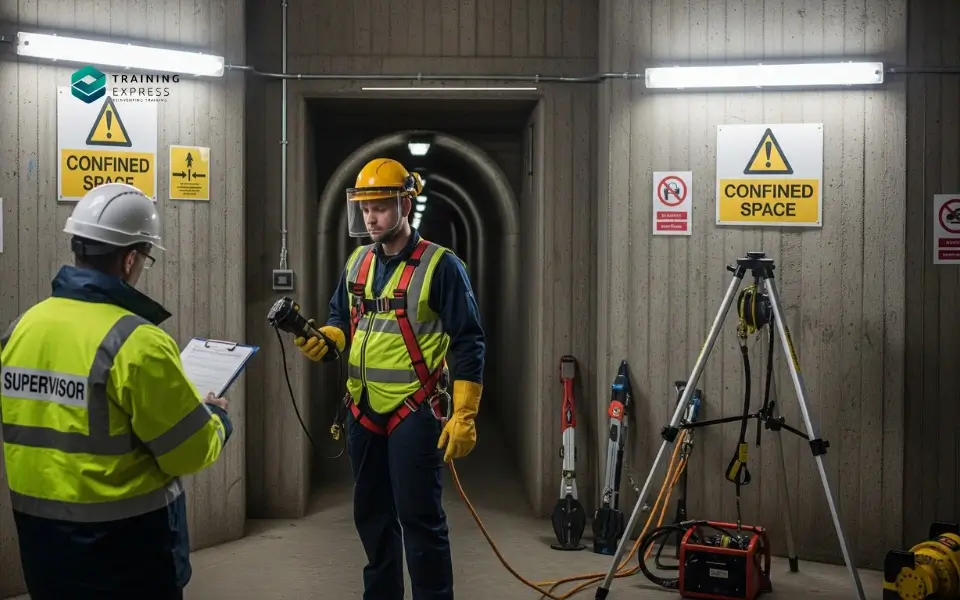
Employer Responsibilities:
- Ensure a safe working environment inside confined spaces.
- Provide proper equipment like gas detectors, PPE, and rescue tools.
- Assign only competent, trained personnel to confined space tasks.
Consequences of Non-Compliance:
Failure to comply isn’t just risky—it’s criminal. Employers can face fines, prosecution, or imprisonment under the Health and Safety at Work Act 1974. If a fatality occurs and it’s found that regulations were breached, the resulting lawsuits and reputational damage can destroy a business.
Real-World Case Example:
In one incident, two workers died in a slurry tank due to lack of gas detection equipment. Their employer was fined over £200,000 for breaching confined space and health and safety laws. Tragedies like this highlight why following the Confined Spaces Regulations 1997 isn’t just a box-ticking exercise—it’s a life-saving necessity.
What Are the Confined Space Requirements for Safe Entry?
Entering a confined space isn’t like walking into a normal workspace. It’s a calculated, risk-heavy operation that demands precision, planning, and the right procedures. Whether you’re cleaning a sewer, inspecting a tank, or doing routine maintenance in a tunnel, your safety (and possibly your life) depends on the setup done before you even go in.
Risk Assessment and Entry Permits
Risk assessments are the foundation of safe confined space entry. Every confined space is different—what’s safe in one might be deadly in another.
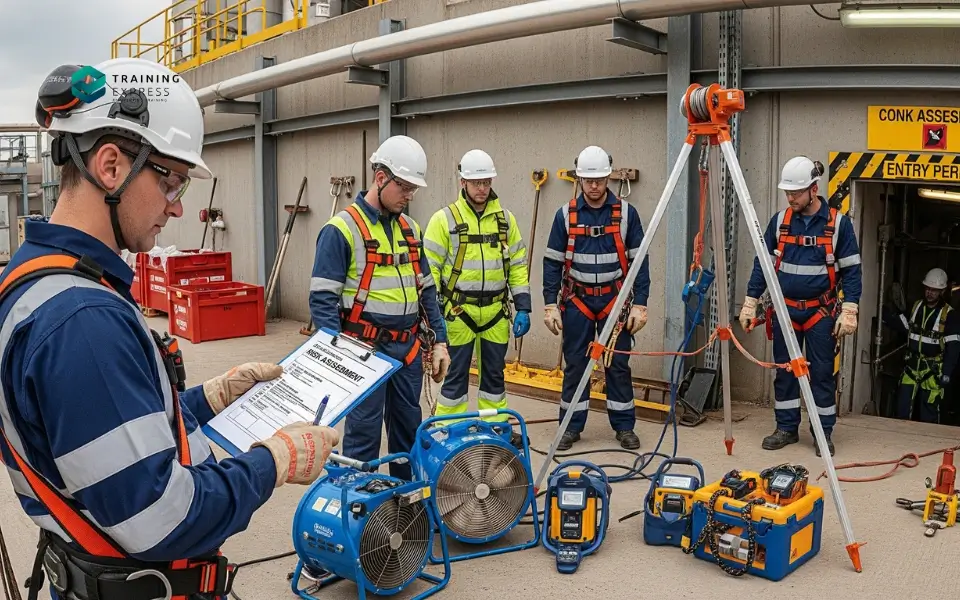
Steps to Proper Risk Assessment:
- Identify the space and potential hazards.
- Determine who might be harmed and how.
- Evaluate risks and decide on precautions.
- Record your findings in a formal document.
- Review and update regularly, especially after any changes.
Following a risk assessment, an entry permit system must be used. This isn’t a formality—it’s a critical control document that acts as both a checklist and an authorization to enter.
A typical entry permit includes:
- The names of authorized entrants
- Description and location of the space
- Purpose of entry
- Duration of the task
- Identified hazards
- Control measures in place (PPE, ventilation, etc.)
- Emergency procedures and rescue plan
- Entry and exit logs with timestamps
Only when the permit is fully completed and signed off should anyone enter the confined space. Permits must be displayed prominently near the entrance and regularly reviewed during operations.
Ventilation, Communication, and Access
Ventilation in confined spaces is critical for life safety. Since natural airflow is often limited, mechanical ventilation like blowers or fans must be used to remove toxic gases, regulate temperature, and maintain safe oxygen levels. This system should operate before and throughout the entire task, alongside continuous air quality monitoring.
Clear and reliable communication is equally vital. Workers inside must stay in constant contact with supervisors or attendants outside, using two-way radios or wired systems. Verbal shouting or mobile phones are unreliable and unsafe in confined environments.
Safe access and egress are planned in advance. Workers should use approved ladders or manways, avoid vertical entries when possible, and ensure all entry paths are well-lit and unobstructed.
Rescue access must also be planned—if someone collapses, how quickly can help get in?
Use of Confined Space Signs and Signage
Confined spaces must be clearly marked, not just for those working inside but for everyone nearby. Signage plays a critical role in hazard communication and legal compliance.
Types of Signs:
- Warning signs (“DANGER: CONFINED SPACE – AUTHORIZED ENTRY ONLY”)
- Information signs (indicating PPE requirements)
- Emergency signage (marking rescue equipment or exits)
Regulations for Signage:
- Must be compliant with The Health and Safety (Safety Signs and Signals) Regulations 1996
- Use standard symbols and colors (yellow for warning, red for prohibition)
- Should be durable, weatherproof, and visible at all times
The presence—or absence—of proper signage can become a critical factor in liability after an accident.
Essential Confined Space Rescue Plan Components
Even the best safety plans can’t eliminate every risk. That’s why a confined space rescue plan isn’t a “nice-to-have”—it’s absolutely essential. When something goes wrong inside a confined space, time becomes your enemy. A well-designed rescue plan can be the difference between life and death, especially since many fatalities occur when untrained rescuers rush in and become victims themselves.

What Makes a Rescue Plan Effective?
A good rescue plan is more than calling emergency services. It’s a detailed, rehearsed, and well-equipped procedure tailored to the specific confined space in question.
Key Elements of a Rescue Plan:
Rescue Team Identification
- Who’s responsible for what?
- Are they trained, equipped, and available on-site?
Type of Rescue Strategy
- Self-rescue: The worker exits on their own.
- Non-entry rescue: Using retrieval equipment (e.g., winches or tripods).
- Entry rescue: Team enters the space to retrieve the worker—requires advanced training and PPE.
Rescue Equipment Readiness
- Ensure harnesses, winches, stretchers, and communication tools are ready and functional.
- Test the equipment before every operation.
Emergency Contact Procedures
- Who do you call?
- Are their contact numbers up-to-date?
- What’s the response time?
Medical Preparedness
- First aid kit availability
- On-site trained first aiders
- Clear route for emergency medical services (EMS)
Rescue Drills
- Regular mock drills help teams react calmly under pressure.
- Should include worst-case scenarios (e.g., unconscious worker, toxic gas present).
Why Real-World Planning Matters
A rescue plan written on paper but never practiced is almost as dangerous as having no plan at all. In one UK case, a worker became unresponsive inside a tank. The rescue team had equipment but had never used it in real conditions. The rescue was delayed by 20 minutes, and tragically, the worker died from asphyxiation.
Your plan should be site-specific, practiced regularly, and revised any time the work environment changes.
Equipment for Confined Space Work
Ask any experienced confined space worker, and they’ll tell you—the right gear can save your life. Working in confined spaces isn’t about being brave; it’s about being prepared. The proper equipment doesn’t just reduce risks; it actively mitigates them.
Whether it’s for entry, monitoring, or emergency rescue, the tools you use matter. Cheap or ill-fitting equipment is as dangerous as having none at all.
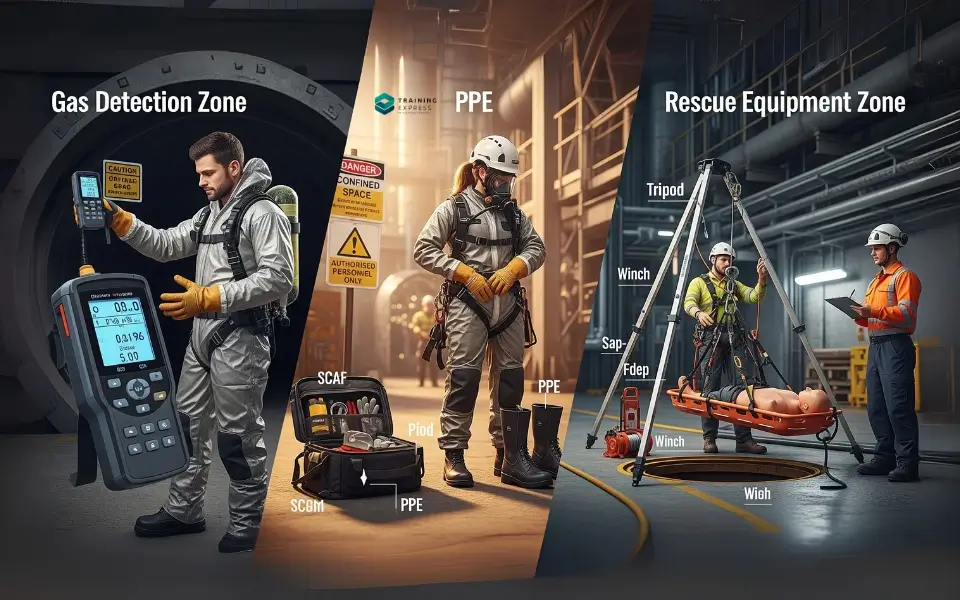
Confined Space Gas Detectors and Monitors
These devices are non-negotiable. A confined space can appear safe while being filled with odorless, invisible gases that kill in seconds. That’s where gas detectors step in.
What They Detect:
- Oxygen levels
- Combustible gases (e.g., methane)
- Toxic gases (e.g., hydrogen sulfide, carbon monoxide)
Types of Monitors:
- Single-gas detectors: Monitor one specific gas.
- Multi-gas detectors: Monitor multiple gases simultaneously—ideal for confined spaces.
Usage Tips:
- Calibrate devices before each use.
- Test at different heights—some gases are lighter or heavier than air.
- Use continuous monitoring during operations, not just before entry.
Gas detectors save lives, but only if used and maintained properly. Always follow the manufacturer’s instructions and keep them serviced regularly.
Personal Protective Equipment (PPE)
PPE in confined spaces isn’t just about hard hats and gloves—it’s often specialized gear designed to deal with toxic environments, tight spaces, and the potential for engulfment or injury.
Essential PPE Includes:
- Respirators or SCBA (Self-Contained Breathing Apparatus) for low oxygen or toxic gas environments
- Full-body harnesses for retrieval
- Chemical-resistant suits when dealing with hazardous materials
- Head protection, gloves, and boots with anti-slip and anti-crush features
- Hearing protection if noise levels are high
Best Practices:
- Always inspect PPE before each use.
- Never reuse damaged equipment.
- Train workers on proper fitting and usage.
In confined spaces, PPE is not the last line of defense—it’s your first friend in a dangerous place.
Confined Space Rescue Equipment (Tripods, Harnesses, etc.)
When things go wrong, you need gear that allows quick and safe retrieval of workers from confined spaces. That’s where rescue equipment comes in.
Must-Have Rescue Tools:
- Tripod or Davit Arm Systems: These provide overhead anchoring for retrieval and are essential for vertical entries.
- Winches or Mechanical Advantage Systems: Allow for controlled lifting and lowering of personnel.
- Rescue Harnesses: Must be compatible with retrieval devices and fit securely.
- Rescue Stretchers: For safe evacuation of unconscious or injured workers.
Training and Maintenance:
- Rescue equipment must be inspected regularly for wear and tear.
- Team members must be trained to use each piece—you don’t want to figure it out in an emergency.
- Ensure all equipment complies with BS EN safety standards.
Why Confined Space Training is Crucial
No piece of legislation or equipment can replace the value of proper training. Confined space work is complex and high-risk, and those risks are often hidden or misunderstood. That’s why comprehensive training is one of the most powerful tools in your safety arsenal.
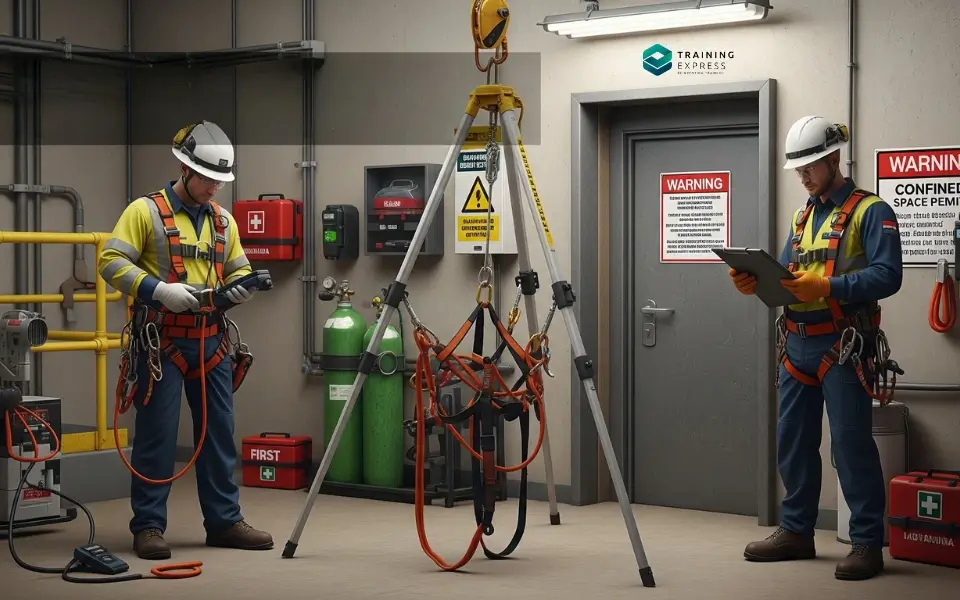
What Confined Space Training Covers:
- Hazard identification
- Use of PPE and monitoring devices
- Emergency procedures and rescue plans
- Legal responsibilities
- Real-world scenarios and simulations
Whether you’re a worker or a supervisor, this training is essential to understand the scope of what you’re dealing with—and how to respond if things go wrong.
Recommended Course:
We recommend enroling in our “Online Confined Space Training Course”—a CPD-accredited program that covers all levels from low to high-risk confined spaces. It’s trusted by thousands of organizations and learners and ensures that personnel are fully qualified to enter, work in, and exit confined spaces safely.
This course not only ticks the compliance box but more importantly, builds confidence, situational awareness, and real-world readiness.
Final Words
Confined spaces might seem like just another work environment—but in reality, they’re high-risk zones where even minor oversights can become fatal. From invisible gases and engulfment dangers to machinery hazards and delayed rescues, confined space work demands strict attention to detail.
Understanding the definition, regulations, and real-world hazards is the first step. Following through with thorough risk assessments, entry permits, and rescue plans is how we save lives. And equipping every worker with training and proper gear ensures that safety isn’t just a priority—it becomes the culture.
Let’s be clear: confined space fatalities are not just tragic—they’re often preventable. Compliance with the UK Confined Spaces Regulations 1997 isn’t a red tape obstacle—it’s a lifeline. Whether you’re a site manager, engineer, or frontline worker, the responsibility is shared, and the risks are real.
Stay informed. Stay trained.
Frequently Asked Questions
What are the three criteria of a confined space?
According to the UK’s Health and Safety Executive (HSE), a confined space is identified by three key features:
- Substantially enclosed space (either fully or partially)
- Risk of serious injury from hazardous substances or conditions
- Not designed for continuous worker occupancy
If all three apply, then the space is legally classified as a confined space—even if it’s big, looks open, or is entered frequently.
Is a confined space always enclosed?
Not entirely. A confined space can be partially enclosed. What matters is whether the space restricts air movement, has limited access or exit points, and poses a risk due to its configuration or the materials within it.
Examples include:
- Open-topped tanks
- Trenches
- Pits and sumps
What is the difference between a restricted space and a confined space?
A restricted space limits movement or access but may not pose immediate hazards or be considered dangerous under confined space regulations.
A confined space, on the other hand, includes the added danger of hazardous atmospheres, toxic gases, risk of engulfment, or mechanical threats. That’s why confined spaces need special procedures and permits.
Can anyone enter a confined space without training?
Absolutely not. Entering a confined space without specialized training is illegal and extremely dangerous. Workers must be trained in:
- Risk identification
- Use of PPE and gas monitors
- Emergency protocols
- Entry and exit procedures
It’s not just about protecting yourself—untrained entry can result in multiple fatalities, including rescuers.
Why is gas monitoring essential in confined spaces?
Gas hazards are often odorless, colorless, and lethal. Without proper monitoring, workers can be exposed to:
- Oxygen deficiency
- Toxic gases like hydrogen sulfide or carbon monoxide
- Flammable atmospheres
Monitoring must be continuous because conditions inside confined spaces can change without warning.
What are the most common causes of confined space accidents?
Most confined space accidents occur due to:
- Inadequate or no risk assessment
- Lack of training
- Failure to monitor atmosphere
- Improper or no use of PPE
- Unplanned or poorly executed rescues
Many fatalities involve would-be rescuers who were not trained or equipped.
Do confined space signs have legal importance?
Yes, signage in and around confined spaces is legally required under the Health and Safety (Safety Signs and Signals) Regulations 1996. These signs help:
- Alert people to danger
- Identify authorized personnel zones
- Display PPE requirements
Lack of proper signage can result in enforcement action or prosecution.