Food Hygiene
 Health & Safety
 Safeguarding
 First Aid
 Business Skills
 Personal Development
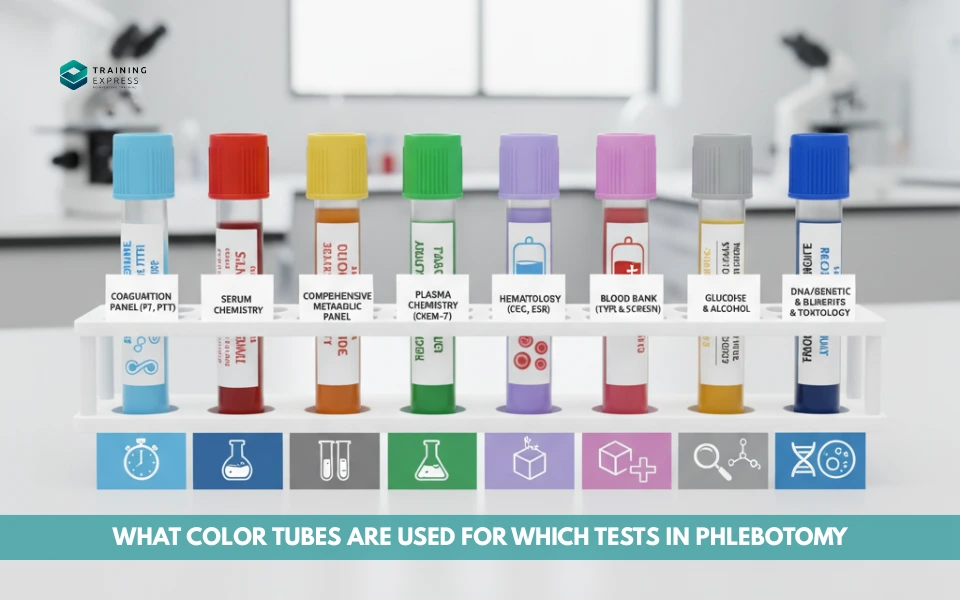

In phlebotomy, different colored tubes are used for specific laboratory tests because each contains unique additives that either prevent blood from clotting or promote clot formation, depending on the testing requirement. Light blue tops are used for coagulation studies like PT and PTT, while red or gold tops are ideal for serum-based chemistry tests. Green tops are used for plasma tests such as ammonia levels or routine chemistry panels. Lavender or pink tops serve hematology purposes like CBCs and blood bank tests, whereas gray tops are designated for glucose and alcohol level testing. Yellow tops are used for genetic, DNA, or blood culture studies, and royal blue tops are reserved for trace element and heavy metal analysis. Each tube color ensures accurate results by maintaining the sample’s integrity for its intended test. Let’s explore the meaning behind each tube color and its specific use in laboratory testing.
Table of Contents
Here is a breakdown of common phlebotomy tube colors and their uses:
| Tube Color | Details |
|---|---|
| Blood Culture (Yellow/Clear) |
Common Tests: Blood cultures, Sepsis evaluation, Bacterial/fungal identification When Used / Tips: For suspected infections. Use strict aseptic technique; avoid touching needle/tube stopper. |
| Light Blue |
Common Tests: PT, PTT, INR, Coagulation factor assays When Used / Tips: Assess bleeding disorders, monitor anticoagulants, pre-surgery. Fill completely to maintain ratio. |
| Red |
Common Tests: Drug levels, Antibody/antigen tests, Chemistry tests When Used / Tips: Used when serum is needed. Let clot ~30 min; avoid shaking to prevent hemolysis. |
| Gold / Tiger-Top (SST) |
Common Tests: CMP, Lipid Panel, Liver & Thyroid Function Tests When Used / Tips: Invert 5–6 times; allow full clotting before centrifuge. |
| Green |
Common Tests: Electrolytes, BUN, Creatinine, Cardiac markers, Ammonia When Used / Tips: For plasma chemistry, especially stat tests. Not for hematology/coagulation tests. |
| Lavender |
Common Tests: CBC, Hemoglobin A1C, Blood Bank, ESR When Used / Tips: Used for cell counts/morphology. Invert 8–10 times after collection. |
| Pink |
Common Tests: Blood Bank, Crossmatch, Type & Screen When Used / Tips: Specifically for blood bank testing. Invert 8–10 times. |
| Gray |
Common Tests: FBS, GTT, Blood Alcohol Levels When Used / Tips: Used for glucose/alcohol tests. Avoid enzyme/electrolyte tests. |
| Yellow (ACD) |
Common Tests: HLA typing, DNA/paternity, Immune studies When Used / Tips: Used for molecular/genetic testing. Label carefully and store properly. |
| Dark / Royal Blue |
Common Tests: Lead, Zinc, Copper, Mercury, Arsenic/Cadmium, Toxicology When Used / Tips: Used for trace metal/toxicology tests. Collect after other tubes. Avoid metal contact. |
1. Blood Culture Tubes (Yellow or Clear Top)
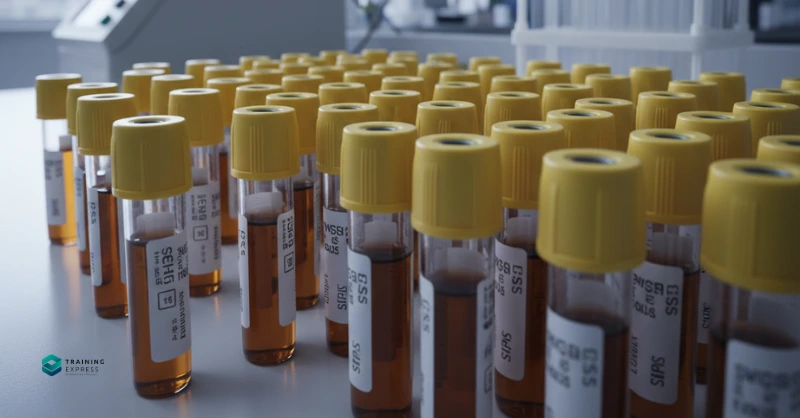
Blood culture tubes are typically the first tubes collected during venipuncture because sterility is critical to prevent contamination. These tubes are usually yellow-topped (SPS additive) or clear if part of a special culture set.
- Additive: Sodium Polyanethol Sulfonate (SPS)
- Purpose: Promotes bacterial growth for culture
- Common Tests:
- Blood cultures for detecting infections in the bloodstream
- Sepsis evaluation
- Bacterial or fungal identification
When it’s used:
If a patient shows signs of infection such as fever, chills, or unexplained inflammation, clinicians may order a blood culture test. The SPS additive prevents clotting and inhibits immune system activity, ensuring bacteria remain alive for analysis.
Collection tips:
Always use strict aseptic technique, clean the venipuncture site thoroughly with antiseptic, and avoid touching the needle or tube stopper after cleaning. This step helps ensure accurate, uncontaminated results.
2. Light Blue Top Tubes
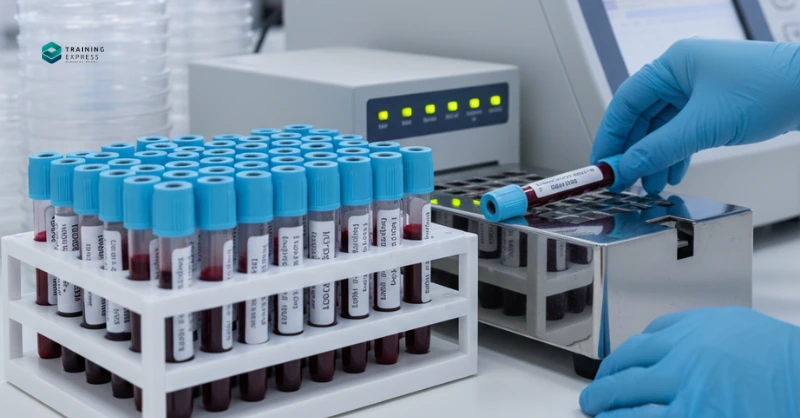
Light blue tubes are instantly recognizable in any lab setting and play a vital role in coagulation studies. They contain sodium citrate, an additive that prevents blood from clotting by binding calcium. This allows accurate measurement of clotting times and helps doctors assess bleeding disorders or monitor patients on anticoagulant therapy with precision and reliability.
- Additive: Sodium Citrate (anticoagulant)
- Purpose: Binds calcium to prevent clotting
- Common Tests:
- Prothrombin Time (PT)
- Partial Thromboplastin Time (PTT)
- International Normalized Ratio (INR)
- Coagulation factor assays
When it’s used:
Doctors order these tests to assess bleeding disorders, monitor patients on anticoagulant therapy (like warfarin), or before surgical procedures. Sodium citrate preserves plasma and maintains the blood’s clotting integrity.
Important note:
The light blue tube must be filled completely to maintain the correct blood-to-additive ratio (usually 9:1). An underfilled tube can lead to inaccurate test results due to dilution errors.
3. Red Top Tubes
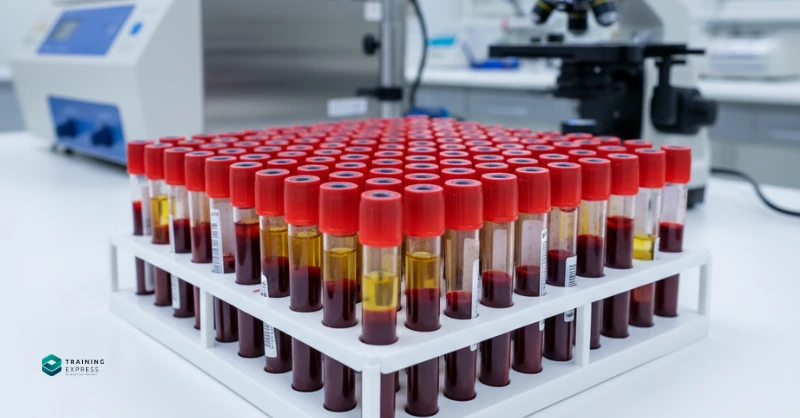
Red top tubes are the classic serum collection tubes commonly used when no additive is required. These tubes allow the blood to clot naturally, making them ideal for collecting pure serum. They’re frequently used in chemistry, serology, and immunology tests where clotting additives could interfere with accurate results.
- Additive: None (plain glass) or clot activator (in plastic tubes)
- Purpose: Allows blood to clot naturally, producing serum
- Common Tests:
- Drug levels (therapeutic or toxicology)
- Antibody or antigen testing
- Chemistry tests (after serum separation)
When it’s used:
These tubes are preferred when serum, rather than plasma, is required. For example, tests for hormones, electrolytes, or antibodies often use red top tubes. After collection, the blood must be allowed to clot (typically 30 minutes) before centrifugation.
Pro tip:
Avoid shaking red top tubes after collection, as this can cause hemolysis (rupture of red blood cells), leading to inaccurate results.
4. Gold or Tiger-Top Tubes (SST Tubes)
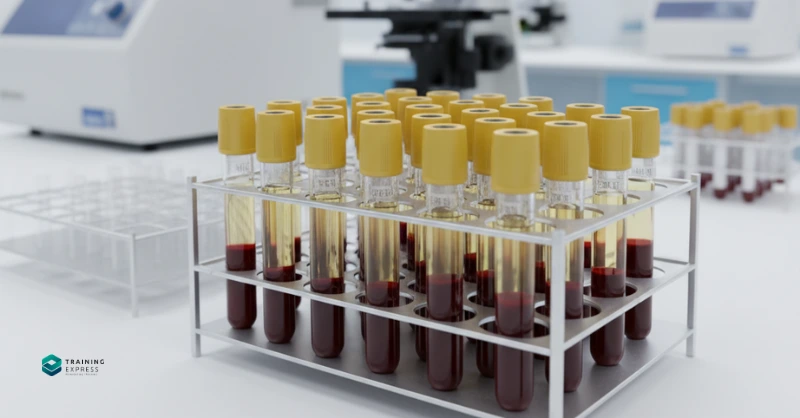
Gold or tiger-top tubes—often called serum separator tubes (SSTs)—are the multitaskers of phlebotomy, designed to streamline laboratory testing. These versatile tubes contain a special gel that separates serum from clotted blood after centrifugation, making them ideal for a wide range of chemistry, immunology, and serology tests with fast, reliable results.
- Additive: Clot activator and serum separator gel
- Purpose: Separates serum from blood cells after centrifugation
- Common Tests:
- Comprehensive Metabolic Panel (CMP)
- Lipid Panel
- Liver Function Tests
- Thyroid Function Tests
When it’s used:
SSTs are ideal for tests that require clear serum, free from cellular material. The gel barrier rises during centrifugation, physically dividing the serum and the clot—simplifying processing and improving sample stability.
Usage tip:
Invert gently (5–6 times) to mix the clot activator thoroughly. Allow the sample to clot completely before centrifuging to prevent fibrin formation, which can interfere with automated testing.
5. Green Top Tubes
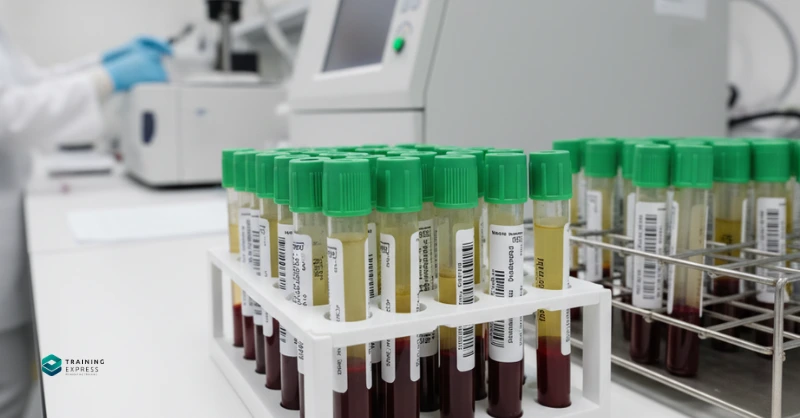
Green top tubes are mainly used for plasma-based chemistry tests and are available in several variants depending on the type of heparin additive.
- Additive: Sodium, Lithium, or Ammonium Heparin
- Purpose: Prevents clotting by inhibiting thrombin
- Common Tests:
- Electrolytes (Na, K, Cl)
- Blood Urea Nitrogen (BUN)
- Creatinine
- Cardiac markers (e.g., troponin)
- Ammonia levels
When it’s used:
Heparinized plasma is ideal for stat (immediate) tests because it doesn’t require clotting time, allowing for faster processing. These tubes are a go-to in emergency settings where rapid results are critical.
Pro tip:
Do not use heparin tubes for hematology or coagulation tests—they can interfere with staining and clotting measurements.
6. Lavender or Pink Top Tubes
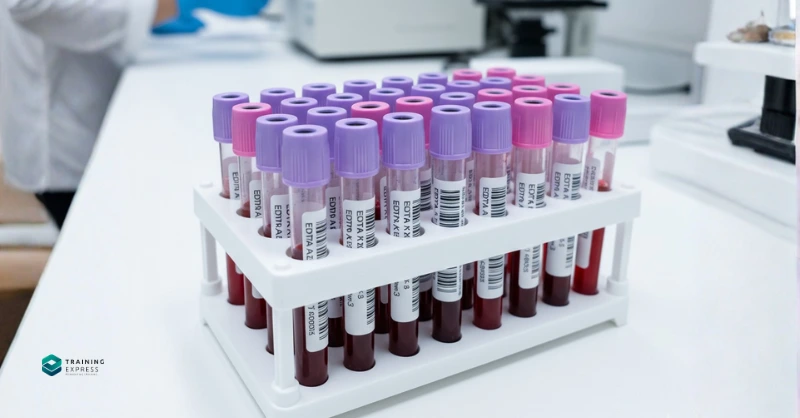
These are hematology workhorses, commonly used for complete blood counts (CBCs) and blood typing.
- Additive: Ethylenediaminetetraacetic acid (EDTA)
- Purpose: Binds calcium to prevent clotting, preserving cell structure
- Common Tests:
- CBC (Complete Blood Count)
- Hemoglobin A1C
- Blood Bank (Crossmatch or Type & Screen)
- ESR (Erythrocyte Sedimentation Rate)
When it’s used:
Lavender and pink tubes are ideal for analyzing cell morphology and counts. EDTA maintains cell integrity, which is essential for accurate hematological studies.
Difference between lavender and pink:
Both contain EDTA, but pink tubes are specifically labeled for blood bank testing and have a special labeling system for tracking patient identity.
Collection tip:
Gently invert 8–10 times immediately after collection to ensure proper mixing and avoid microclot formation, which can affect cell counts.
Enrol Now: Phlebotomy and Venipuncture Training. Get up to 60% off!
7. Gray Top Tubes
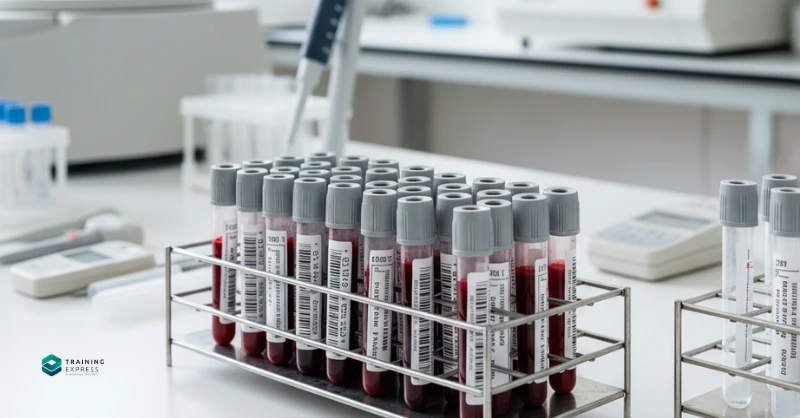
Gray top tubes are specialized for glucose and alcohol testing, where metabolic activity must be halted quickly.
- Additive: Potassium Oxalate (anticoagulant) and Sodium Fluoride (preservative)
- Purpose: Prevents glycolysis (breakdown of glucose) and clotting
- Common Tests:
- Fasting Blood Sugar (FBS)
- Glucose Tolerance Test (GTT)
- Blood Alcohol Levels
When it’s used:
These tubes are used when accurate glucose levels are critical, such as in diagnosing diabetes or monitoring hypoglycemia. The sodium fluoride stops red blood cells from consuming glucose after collection.
Handling advice:
Avoid using gray tubes for enzyme or electrolyte tests—fluoride inhibits many enzymatic reactions and may cause erroneous readings.
8. Yellow Top Tubes
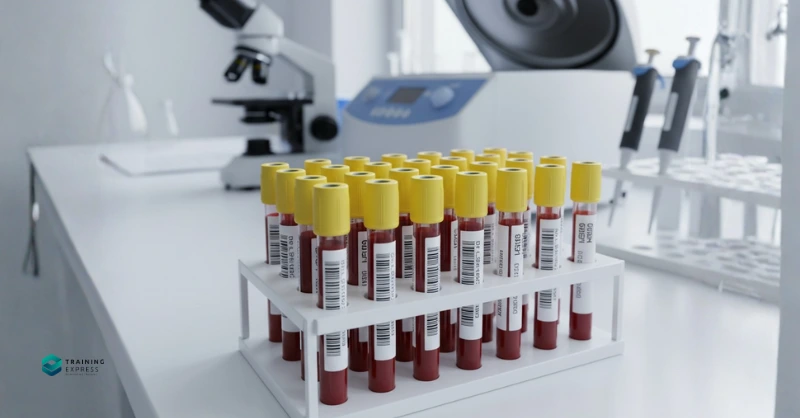
Yellow top tubes are primarily used for DNA and genetic studies, tissue typing, and immunology testing. Containing acid citrate dextrose (ACD) as an additive, these tubes help preserve white blood cells and genetic material for extended periods, making them ideal for paternity testing, HLA typing, and molecular diagnostic procedures.
- Additive: Acid Citrate Dextrose (ACD)
- Purpose: Preserves red and white blood cells for long-term use
- Common Tests:
- HLA (Human Leukocyte Antigen) typing
- DNA and paternity testing
- Immune function studies
When it’s used:
These tubes are preferred when white blood cells are needed for molecular or genetic testing, ensuring cell viability during transportation and storage.
Pro tip:
Always label these tubes carefully and store them according to test requirements since genetic material is sensitive to temperature and handling conditions.
9. Dark Blue or Royal Blue Top Tubes

Dark blue or royal blue top tubes are used for trace element, toxicology, and heavy metal testing, where even tiny amounts of contamination can affect the accuracy of results. These tubes are specifically designed with materials that prevent the leaching of metals, ensuring highly precise and uncontaminated samples.
- Additive: None (for serum) or EDTA (for plasma)
- Purpose: Prevents contamination for trace metal analysis
- Common Tests:
- Lead (Pb) levels
- Zinc (Zn) levels
- Copper (Cu) levels
- Mercury (Hg) levels
- Arsenic and cadmium detection
- Toxicology and nutritional assessments
When it’s used:
Royal blue tubes are essential in cases where accuracy is critical, such as detecting lead poisoning, assessing metal exposure in workplaces, or evaluating nutrient deficiencies involving trace minerals. Depending on the test type, a tube with no additive is used for serum samples, while EDTA-containing tubes are used for plasma-based tests.
Pro tip:
Always collect royal blue tubes after all other additive tubes to prevent metal contamination from previous draws. Handle them carefully, avoiding contact with metal surfaces. These tubes guarantee clean, reliable samples—making them a must-have for precise and specialized laboratory testing.
Final Words
Phlebotomy isn’t just about drawing blood—it’s about doing it accurately and safely. Each tube color plays a distinct role, determining what tests can be performed and ensuring valid results. Remembering the color-coded system not only boosts lab efficiency but also ensures patient safety and diagnostic accuracy. Whether it’s a light blue tube for coagulation studies or a lavender one for CBCs, every color tells a story about the science behind it.
Frequently Asked Questions (FAQ)
Why are tube colors important in phlebotomy?
Tube colors indicate specific additives that affect how blood behaves, ensuring that tests yield accurate results for diagnosis.
What happens if the wrong tube is used for a test?
Using the wrong tube can lead to incorrect results or require a repeat blood draw, delaying diagnosis.
Why must tubes be drawn in a specific order?
The order of draw prevents cross-contamination between additives, which can interfere with test results.
Can one tube type be used for multiple tests?
Sometimes, yes—but only if the required tests are compatible with the same additive type.
How should tubes be stored after collection?
Storage depends on the test. Some require refrigeration, while others must remain at room temperature. Always follow lab guidelines.

Robert Lawrence
Author | Specialises in Health & Social Care
Robert Lawrence is an e-learning specialist and tutor at Training Express, with experience creating practical resources and strategies to support learners and enhance their professional development.