Food Hygiene
 Health & Safety
 Safeguarding
 First Aid
 Business Skills
 Personal Development
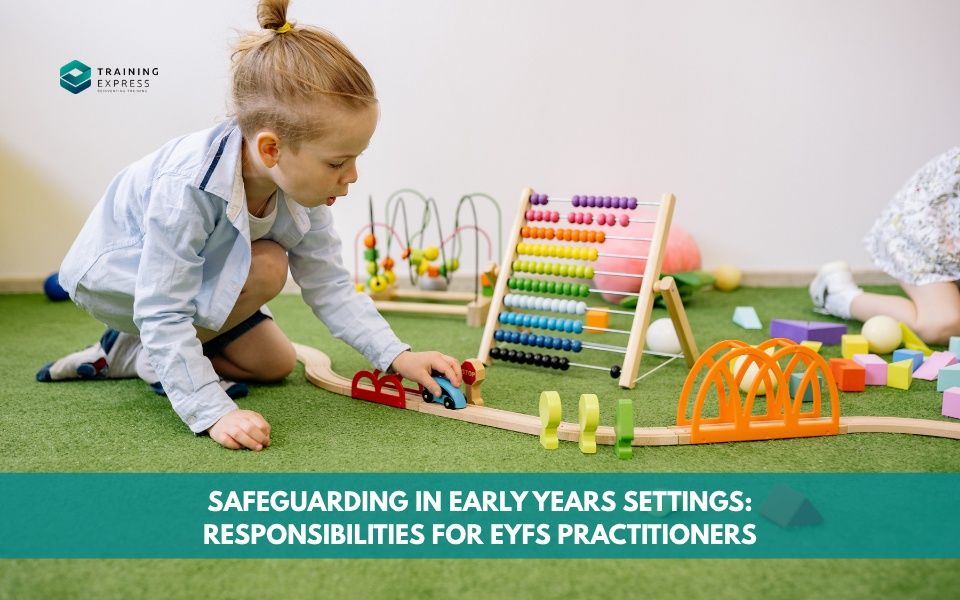

Safeguarding is one of the most important responsibilities in early childhood education. Children in early years settings rely on adults to provide safe, supportive environments where they can learn, grow, and develop without harm. For this reason, safeguarding is a central principle within the Early Years Foundation Stage (EYFS) framework.
Professionals working in nurseries, preschools, and childcare environments must understand how to recognise potential risks, protect children from harm, and respond appropriately when concerns arise. Safeguarding is not just the responsibility of designated staff members; it is a shared responsibility across the entire childcare team.
This article explores safeguarding in early years settings, the key responsibilities of EYFS practitioners, and the practical steps professionals take to protect children’s welfare.
Table of Contents
Get Safeguarding in Early Years Settings for just £8 Today!
You won’t find this deal anywhere else!
Take The CourseUse Coupon Code:
Use this coupon at Checkout
What Is Safeguarding in Early Years Settings?
Safeguarding refers to the actions taken to protect children from harm, abuse, neglect, and exploitation while promoting their overall welfare and well-being.
In early years environments, safeguarding includes:
- Protecting children from abuse and neglect
- Preventing harm or unsafe situations
- Promoting children’s health and well-being
- Creating safe learning environments
- Responding quickly to safeguarding concerns
Safeguarding is a core requirement within the EYFS statutory framework, which requires all childcare providers to implement clear safeguarding policies and procedures.
Effective safeguarding helps ensure that children feel secure and supported during the crucial stages of early development.
Why Safeguarding Is Important in Early Years Education
The early years are a critical period in a child’s development. Young children depend on adults for safety, care, and guidance. Because they may not always be able to express concerns clearly, childcare professionals must remain attentive and responsive.
Safeguarding practices help ensure that:
- Children grow up in safe environments
- Potential risks are identified early
- Children receive appropriate support when needed
- Families receive guidance and assistance
- Child protection concerns are addressed quickly
When safeguarding is implemented effectively, early years settings become environments where children can explore, learn, and develop confidently.
Key Safeguarding Responsibilities for EYFS Practitioners
EYFS practitioners play a vital role in protecting children. Their daily responsibilities involve monitoring children’s well-being and responding appropriately to any concerns.
Below are some of the most important safeguarding responsibilities in early years settings.
| Safeguarding Responsibility | Example in Practice |
|---|---|
|
Creating safe environments |
Regular safety checks and secure entry systems |
|
Recognising signs of abuse |
Observing behavioural or physical changes |
|
Reporting concerns |
Informing the Designated Safeguarding Lead |
|
Following safeguarding policies |
Adhering to nursery safeguarding procedures |
|
Supporting children’s wellbeing |
Encouraging safe and positive relationships |
1. Creating a Safe and Secure Environment
One of the primary responsibilities of EYFS practitioners is to ensure that the learning environment is safe for children.
This includes:
- Maintaining secure entry and exit procedures
- Supervising children during activities and playtime
- Ensuring equipment and learning materials are safe
- Conducting regular safety checks within the setting
A safe physical environment reduces the risk of accidents and supports children’s confidence and independence.
2. Recognising Signs of Abuse or Neglect

Early years practitioners must remain alert to signs that a child may be experiencing harm or neglect.
Possible indicators can include:
- Unexplained injuries or bruises
- Sudden changes in behaviour or mood
- Withdrawal or unusual anxiety
- Poor hygiene or signs of neglect
- Fear of certain individuals
While these signs do not always indicate abuse, practitioners must take them seriously and follow safeguarding procedures when concerns arise.
3. Reporting Safeguarding Concerns
All early years settings must have a clear safeguarding reporting procedure. If practitioners suspect a safeguarding concern, they must report it immediately to the Designated Safeguarding Lead (DSL) or appropriate authority.
Reporting concerns involves:
- Recording observations accurately
- Following internal safeguarding procedures
- Maintaining confidentiality
- Escalating concerns when necessary
Prompt reporting ensures that children receive the protection and support they need as quickly as possible.
4. Following Safeguarding Policies and Procedures
Early years settings are required to maintain safeguarding policies aligned with national child protection guidelines.
EYFS practitioners must understand and follow these policies carefully.
This includes:
- Understanding safeguarding protocols
- Following appropriate reporting procedures
- Maintaining professional boundaries
- Participating in safeguarding training
Regular training helps ensure that staff remain updated on safeguarding regulations and best practices.
5. Promoting Children’s Well-Being
Safeguarding is not only about responding to risks but also about promoting children’s overall welfare.
EYFS practitioners support well-being by:
- Encouraging positive relationships
- Supporting emotional development
- Creating inclusive environments
- Ensuring children feel safe and valued
When children feel secure and supported, they are more likely to develop confidence and healthy social skills.
The Role of Safeguarding Policies in Early Years Settings
Safeguarding policies provide clear guidelines on how childcare settings should protect children and respond to concerns.
These policies typically cover areas such as:
- Child protection procedures
- Staff responsibilities
- Reporting protocols
- Safe recruitment practices
- Behaviour management policies
Having clear policies ensures that all staff members understand their responsibilities and know how to respond in safeguarding situations.
Safeguarding Training for EYFS Practitioners
Training is an important part of safeguarding in early years education. Professionals must understand child protection procedures and know how to respond appropriately to potential concerns.
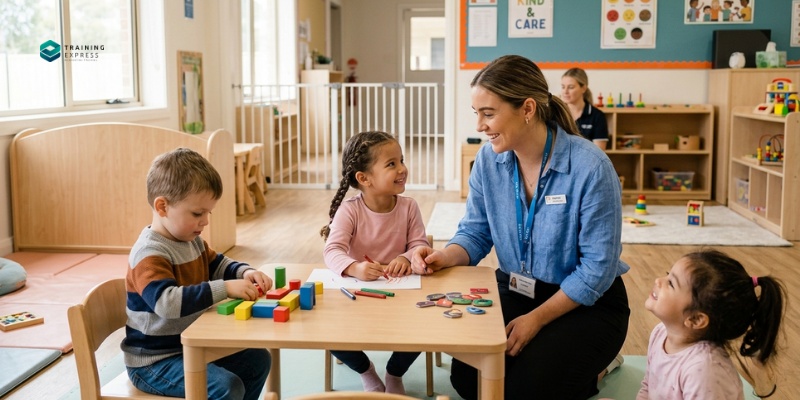
Safeguarding training often covers topics such as:
- Recognising signs of abuse or neglect
- Reporting procedures
- Online safety for children
- Preventing harm in childcare settings
- Professional conduct and boundaries
Continuous professional development helps practitioners remain confident and prepared when handling safeguarding responsibilities. Professionals who want to strengthen their understanding of safeguarding and child development often complete EYFS Level 3 training, which provides structured knowledge of safeguarding responsibilities and early years practice.
Safeguarding and the EYFS Framework
The Early Years Foundation Stage (EYFS) framework provides clear safeguarding requirements for childcare providers.
According to the framework, early years settings must:
- Protect children from harm
- Promote children’s welfare
- Implement safeguarding policies
- Ensure staff receive appropriate training
- Maintain safe environments
These requirements help create consistent safeguarding standards across early years settings in the UK.
Challenges in Safeguarding in Early Years Settings
While safeguarding policies provide guidance, practitioners may still face challenges when identifying and responding to concerns.
Common challenges include:
- Difficulty recognising subtle signs of neglect
- Balancing confidentiality with reporting responsibilities
- Communicating concerns appropriately
- Supporting children experiencing emotional distress
Training, teamwork, and clear safeguarding procedures help practitioners manage these challenges effectively.
Best Practices for Effective Safeguarding
Early years settings can strengthen safeguarding practices by implementing proactive strategies.
Best practices include:
- Providing regular safeguarding training for staff
- Encouraging open communication among team members
- Maintaining accurate records of observations
- Promoting positive relationships with families
- Reviewing safeguarding policies regularly
These approaches help ensure that safeguarding remains a priority within childcare environments.
Examples of Safeguarding Concerns in Early Years Settings
Examples of safeguarding concerns in early years environments may include:
- Signs of physical abuse or unexplained injuries
- Emotional distress or behavioural changes
- Poor hygiene or signs of neglect
- Unsafe home environments
- Online safety concerns
Early identification of these concerns allows practitioners to take appropriate safeguarding actions.
Final Thoughts
Safeguarding in early years settings is a fundamental responsibility that protects children and supports their well-being during the most important stages of development.
EYFS practitioners play a crucial role in maintaining safe learning environments, recognising potential concerns, and responding appropriately to safeguarding issues. By following safeguarding procedures, participating in training, and promoting children’s welfare, practitioners help ensure that early years settings remain secure and supportive places for children to grow and learn.
Strong safeguarding practices not only protect children but also strengthen trust between childcare professionals, families, and the wider community.
Frequently Asked Questions (FAQ)
What is safeguarding in early years settings?
Safeguarding refers to protecting children from harm, abuse, neglect, and exploitation while promoting their safety and well-being in childcare environments.
Who is responsible for safeguarding in EYFS settings?
Safeguarding is a shared responsibility among all staff members, although settings usually have a Designated Safeguarding Lead (DSL) responsible for managing safeguarding concerns.
What should EYFS practitioners do if they suspect abuse?
Practitioners should follow their setting’s safeguarding procedures, record concerns accurately, and report them immediately to the designated safeguarding lead.
Why is safeguarding important in childcare?
Safeguarding ensures that children grow up in safe environments where they are protected from harm and supported in their development.