Food Hygiene
 Health & Safety
 Safeguarding
 First Aid
 Business Skills
 Personal Development
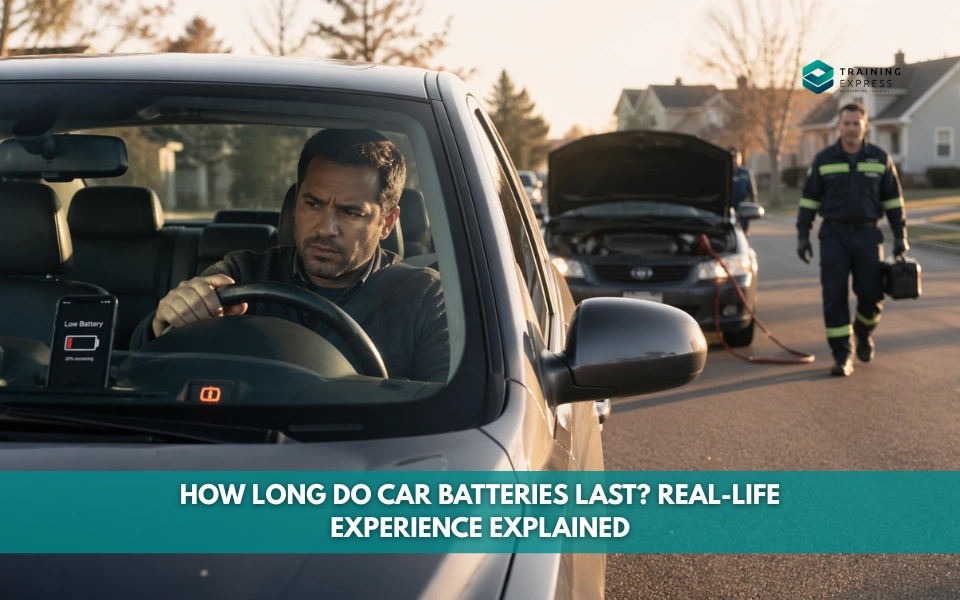

Car batteries typically last 3 to 5 years, although their lifespan can vary depending on how the vehicle is used and maintained. Most drivers only think about the battery when the car won’t start, but it plays a crucial role in powering everything from ignition to onboard electronics.
The lifespan of a car battery is not fixed. Factors such as driving habits, weather conditions, short trips, and poor maintenance can shorten its life, while regular long drives and proper care can help it last longer. Extreme heat or cold can also speed up battery wear and reduce overall performance.
In this guide, we’ll explore how long car batteries last in real-world conditions, what causes them to fail early, the warning signs to look out for, and simple ways to extend their lifespan to avoid unexpected breakdowns and costly replacements.
Table of Contents
How Long Do Car Batteries Last?
On average, most car batteries last 3 to 5 years. However, this depends heavily on several factors such as driving habits, climate conditions, and the overall condition of the vehicle’s electrical system.
A brand-new, high-quality battery used in ideal conditions may even last beyond 5 years. On the other hand, a battery exposed to extreme heat, frequent short trips, or electrical faults may fail in as little as 2 years.
Average Lifespan of a Car Battery
- Standard lead-acid batteries: 3–5 years
- AGM (Absorbent Glass Mat) batteries: 4–7 years
- Budget or low-quality batteries: 2–3 years
The lifespan also depends on how often you drive. Regular long drives keep the battery charged, while short trips prevent it from fully recharging.
Use Coupon Code:
Use this coupon at Checkout
What Kills Car Batteries Quickly?
Car batteries don’t usually fail overnight. Instead, they wear down gradually due to repeated stress. However, certain issues can significantly shorten their lifespan.

Common causes of early battery failure:
- Leaving headlights or interior lights on overnight
- Using electronics when the engine is off
- Frequent short trips that don’t recharge the battery
- Faulty alternator or charging system
- Corroded or loose battery terminals
- Extreme weather conditions
One of the most common hidden causes is a malfunctioning charging system, which prevents the battery from receiving a full charge while driving. Over time, this leads to repeated undercharging and premature failure.
Malfunctioning Charging System
The alternator is responsible for charging your battery while the engine runs. If it fails or underperforms, your battery will slowly drain even while driving.
Warning signs include:
- Flickering dashboard lights
- Battery warning light
- Electrical glitches inside the car
- Frequent jump-start needs
If left unchecked, a faulty alternator can destroy a new battery within months.
Excessive Electrical Drain
Modern vehicles rely heavily on electronics such as infotainment systems, GPS, dashcams, and sensors. While convenient, these systems place a continuous load on the battery.
If accessories are left running when the engine is off, they can drain the battery much faster than expected.
How to Test Car Battery Health at Home?
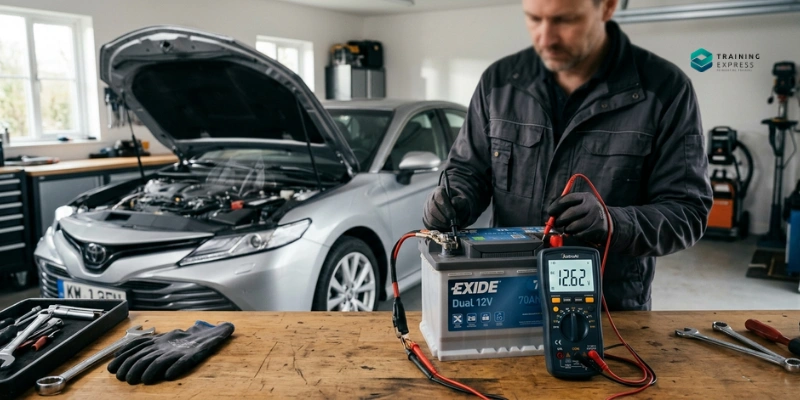
You can check car battery health at home with a multimeter and a quick visual/starting test. A healthy 12V battery should read about 12.6V or higher at rest, and around 13.8V to 14.4V with the engine running.
Simple home checks
- Visual inspection: Look for corrosion on the terminals, loose cables, swelling, or leaks. Corrosion or loose connections can cause problems even if the battery itself is still okay.
- Resting voltage test: Turn the car off and let it sit for a few hours if possible. Set the multimeter to DC volts, connect red to positive and black to negative, and read the voltage; about 12.6V or more is generally healthy.
- Cranking test: Watch the voltage while starting the engine. If it drops a lot during cranking, the battery may be weak.
- Headlight load check: Turn the headlights on and then start the car. If they dim a lot during cranking, that can suggest a weak battery.
What the readings mean
- 12.6V or above: Usually good charge and condition.
- Around 12.2V: Partially charged; may need charging.
- Below about 12.0V: Likely weak or discharged.
- Running voltage under 13.8V or above 14.4V: Could point to a charging-system issue rather than just the battery.
Best quick method: The most useful at-home test is the multimeter voltage check, because it gives you a real number instead of just a guess. If you want the most accurate result, an auto shop or battery retailer can do a proper load test with specialized equipment.
Tips to extend car battery life
To extend car battery life, drive the car regularly, avoid leaving lights or electronics on when the engine is off, and keep the battery clean and securely mounted. Also try to minimize long periods of inactivity and protect the battery from extreme heat or cold.

Habits that help:
- Drive your car regularly (avoid long periods of inactivity)
- Take longer trips occasionally to fully recharge the battery
- Turn off lights and electronics when the engine is off
- Keep battery terminals clean and corrosion-free
- Check your alternator and charging system regularly
- Avoid frequent short trips when possible
- Make sure the battery is tightly secured so vibration doesn’t damage it.
- Park in shade or a garage when possible to reduce heat exposure.
Simple maintenance habits can easily add 1–2 extra years to your battery’s life.
If the car sits unused
If you won’t drive for a while, a battery maintainer or trickle charger can help keep it charged. If that’s not practical, occasional driving is better than letting the car sit for weeks at a time.
Simple rule: A good routine is to combine short trips, avoid unnecessary power use, and have the battery checked during regular service. Those small steps can noticeably slow battery wear.
Signs your car battery needs replacement
Common signs your car battery needs replacement include slow cranking, dim headlights, frequent jump-starts, a battery warning light, and a swollen or leaking battery case.
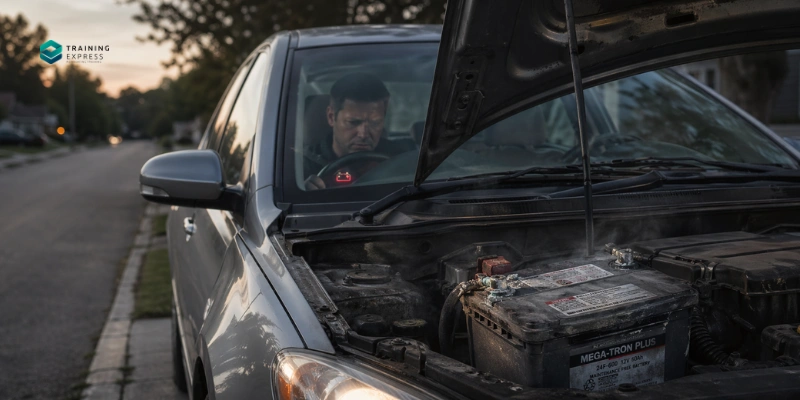
Common warning signs:
- The engine cranks slowly or struggles to start.
- Headlights, interior lights, or dashboard lights look dim or flicker.
- You need jump-starts more often than before.
- The battery or charging warning light appears on the dashboard.
- The battery case looks swollen, bloated, or damaged.
- You smell sulfur or rotten eggs near the battery, which can point to a failing or leaking battery.
If you notice more than one of these signs, your battery may be nearing the end of its life.
Other clues
- Accessories like the radio, windows, or seat warmers work poorly.
- The start-stop system stops working on cars that have it.
- The battery is older than about 5 years, which is often near the end of its useful life.
What to do
If you see one or two of these signs, clean the terminals and test the battery soon. If the battery is swollen, leaking, or smells bad, replace it right away.
How Climate Affects Car Battery Life
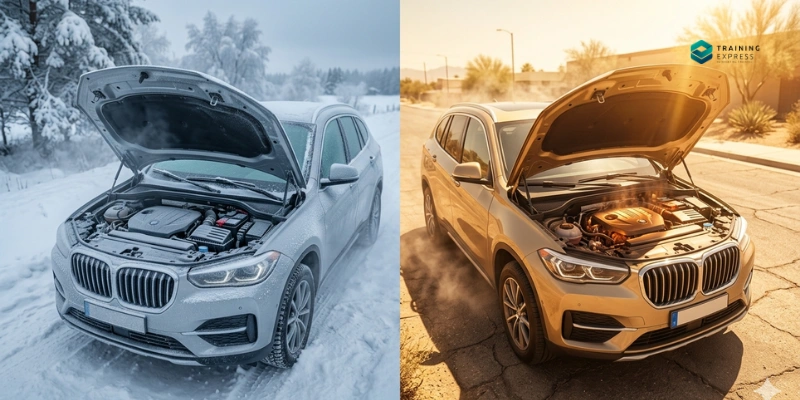
Weather plays a major role in determining how long a car battery lasts. Both extreme heat and cold can reduce battery performance and lifespan.
How Long Do Car Batteries Last in Hot Climates?
Hot weather is one of the biggest enemies of car batteries. High temperatures accelerate the chemical reactions inside the battery, causing it to wear out faster.
In hot climates:
- Average battery life may drop to 2–4 years
- Fluid inside the battery evaporates faster
- Internal corrosion increases
Parking in shaded areas or garages can help reduce heat damage.
How Long Do Car Batteries Last in Cold Climates?
Cold weather slows down chemical reactions inside the battery, making it harder to generate power. This is why cars often struggle to start in winter.
In cold climates:
- Battery performance drops significantly
- Engine requires more power to start
- Lifespan may still be 3–5 years, but stress increases
Regular driving during winter helps keep the battery charged and active.
How Much Do Car Batteries Cost?
The cost of a car battery depends on the type, brand, and vehicle requirements.
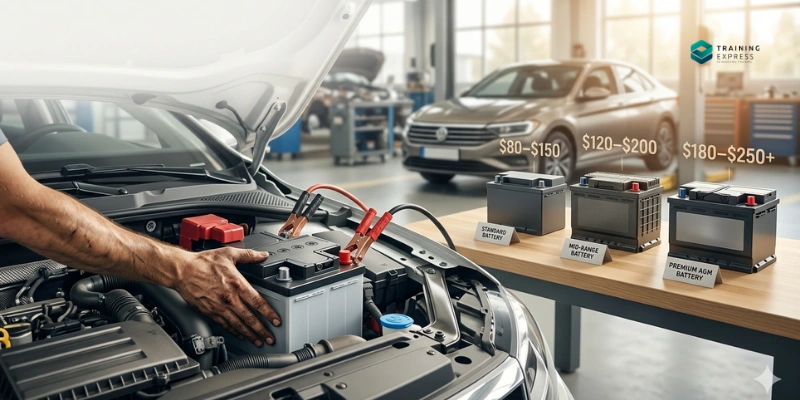
Average cost range:
- Standard batteries: $80 – $150
- Mid-range batteries: $120 – $200
- Premium/AGM batteries: $180 – $250+
If you get your battery professionally installed, labour costs may add an extra $20–$50 depending on the service provider.
While cheaper batteries may save money upfront, they often have shorter lifespans and may need replacing sooner.
How Long Do Car Batteries Last with Radio On?
Many drivers wonder how long a car battery can last when the engine is off but the radio is running.
In general:
- A healthy battery can power a radio for a few hours to overnight
- Older batteries may drain within 1–2 hours
The exact duration depends on:
- Battery age and condition
- Power consumption of the audio system
- Whether other electronics are also running
To avoid draining your battery, it’s best not to use electrical systems when the engine is off for extended periods.
Final Words
So, how long do car batteries last? In most cases, you can expect a lifespan of 3 to 5 years, but this varies depending on weather, driving habits, and vehicle condition.
Understanding the warning signs of battery failure and maintaining your vehicle properly can help you avoid sudden breakdowns and unnecessary costs. Extreme temperatures, short trips, and electrical faults are among the biggest factors that reduce battery life.
If your battery is approaching the 3-year mark, it’s wise to monitor its performance closely and consider a replacement before it fails completely.
Frequently Asked Questions (FAQ)
How long should a car battery last without driving?
A car battery typically lasts 2–4 weeks without driving, depending on its condition and the vehicle’s electrical drain.
Can a car battery last 10 years?
It is very rare, but possible under ideal conditions with a high-quality battery and perfect maintenance.
How do I know if my car battery needs replacing?
If your car struggles to start, lights dim, or you frequently need jump-starts, your battery likely needs replacement.
Does idling charge the battery?
Yes, but only partially. Driving is much more effective at fully charging the battery compared to idling.
What happens if I don’t replace a weak battery?
A weak battery can leave you stranded, damage your alternator, and cause electrical system failures.

Robert Lawrence
Author | Specialises in E-Learning
Robert Lawrence is an e-learning specialist and tutor at Training Express, with experience creating practical resources and strategies to support learners and enhance their professional development.