Food Hygiene
 Health & Safety
 Safeguarding
 First Aid
 Business Skills
 Personal Development
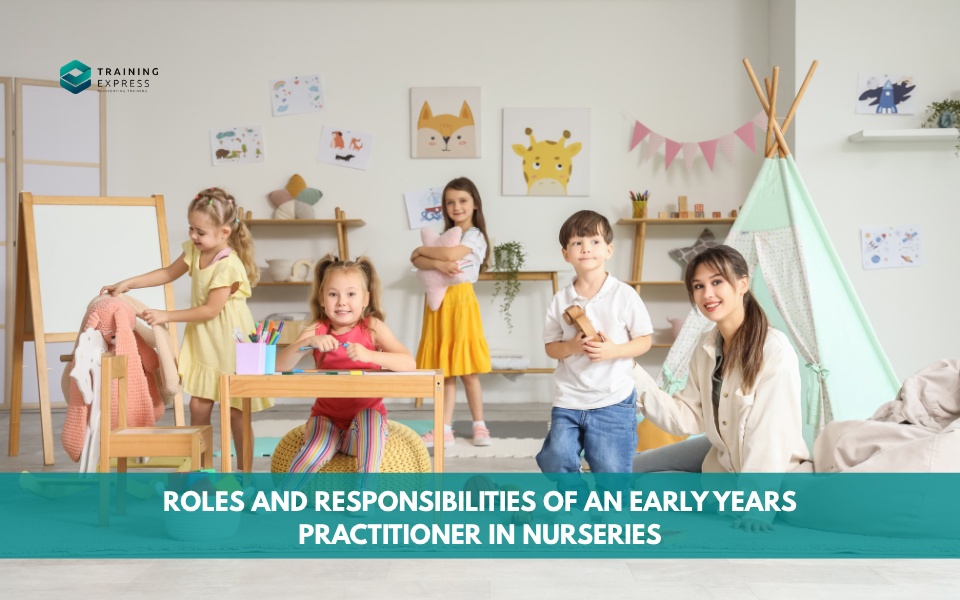

Early childhood education plays an important role in shaping children’s learning, confidence, and social development. In nursery settings across the UK, early years practitioners support young children during one of the most important stages of their development.
Working with children from birth to five years old requires a combination of professional knowledge, patience, and practical skills. Early years practitioners help create safe, nurturing, and stimulating environments where children can explore, play, and develop essential life skills.
Understanding the roles and responsibilities of an early years practitioner in nurseries is important for anyone planning to work in childcare or early education. These professionals support children’s emotional wellbeing, encourage learning through play, and ensure that early years settings follow safeguarding and education standards.
This guide explains the key responsibilities of early years practitioners and how they contribute to children’s learning and development in nursery environments.
Table of Contents
Early Years Practitioner Course for Just £8!
You won’t find this deal anywhere else!
Take The CourseUse Coupon Code:
Use this coupon at Checkout
Quick Overview of an Early Years Practitioner’s Role
An early years practitioner works in childcare settings such as nurseries, preschools, and early learning centres. Their main role is to support children’s development, learning, and wellbeing while ensuring a safe and supportive environment.
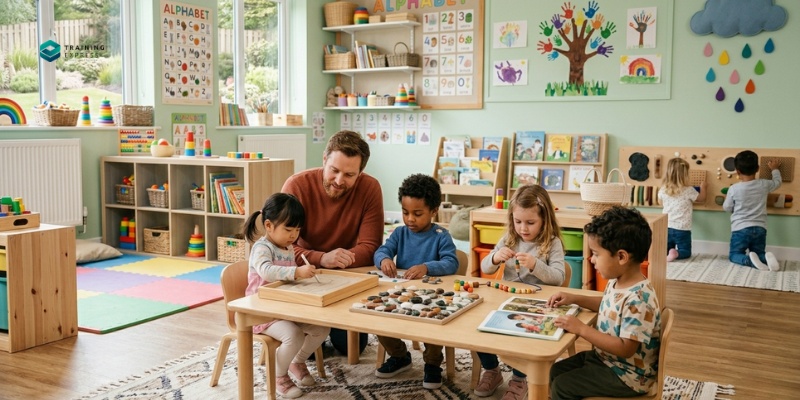
Typical responsibilities include:
- Supporting children’s learning and development
- Planning play-based learning activities
- Ensuring children’s safety and wellbeing
- Observing and monitoring developmental progress
- Communicating with parents and caregivers
- Following safeguarding and childcare regulations
These responsibilities help ensure that children receive high-quality early education and care.
1. Supporting Children’s Learning and Development
One of the most important responsibilities of an early years practitioner is supporting children’s development across different areas of learning.
Early childhood practitioners help children develop:
- Communication and language skills
- Social interaction and confidence
- Early literacy and numeracy skills
- Emotional awareness and independence
Learning in early years settings is often play-based, meaning children develop skills through activities such as storytelling, games, creative play, and exploration.
Practitioners encourage children to ask questions, participate in group activities, and develop curiosity about the world around them.
2. Planning and Organising Learning Activities
Early years practitioners are responsible for planning activities that support children’s development and learning.
These activities may include:
- Storytelling sessions
- Creative art and craft activities
- Outdoor play and physical activities
- Music and movement sessions
- Group learning games
Activities are usually designed around the Early Years Foundation Stage (EYFS) framework, which guides learning and development for children in the UK.
By planning engaging activities, practitioners help children develop skills while enjoying their learning experiences.
3. Ensuring Children’s Safety and Wellbeing
Safeguarding and safety are central responsibilities in childcare settings. Early years practitioners must ensure that children are protected from harm and that nursery environments remain safe.
Key responsibilities include:
- Supervising children during activities and playtime
- Following health and safety guidelines
- Identifying potential risks in the environment
- Responding appropriately to accidents or emergencies
Practitioners must also understand safeguarding procedures and know how to report concerns about a child’s welfare.
Ensuring children’s safety helps create environments where young learners can feel secure and confident.
4. Observing and Monitoring Children’s Development
Early years practitioners regularly observe children to understand their interests, abilities, and developmental progress.
Observation helps practitioners:
- Identify children’s strengths and areas for support
- Monitor progress in learning and development
- Adapt activities to meet individual needs
Practitioners often record observations and assessments that help track children’s development according to EYFS learning goals.
These observations help ensure that every child receives appropriate support for their learning journey.
5. Supporting Positive Behaviour and Social Skills
Helping children develop positive behaviour and social skills is another key responsibility of early years practitioners.
Young children are still learning how to interact with others, manage emotions, and understand boundaries. Practitioners guide children through these experiences by encouraging respectful behaviour and cooperation.
This may include:
- Teaching children how to share and take turns
- Encouraging teamwork and group participation
- Helping children understand and express their emotions
- Providing guidance when conflicts occur
By modelling positive behaviour, practitioners help children build confidence and develop healthy relationships.
6. Communicating with Parents and Caregivers
Effective communication with parents and caregivers is an important part of early years practice.
Practitioners often share information about:
- Children’s daily activities
- Developmental progress
- Behaviour and learning milestones
- Any concerns related to wellbeing or development
Regular communication helps parents stay informed about their child’s experiences in nursery settings. It also encourages collaboration between families and childcare professionals to support children’s development.
7. Creating a Positive and Inclusive Learning Environment
Early years practitioners work to create environments where all children feel welcomed, supported, and valued.
Inclusive environments encourage children from different backgrounds and abilities to participate fully in learning activities.
Practitioners support inclusion by:
- Respecting cultural diversity
- Providing equal opportunities for learning
- Supporting children with different learning needs
- Encouraging cooperation and respect among children
Inclusive early years environments help children develop confidence and a sense of belonging.
Skills Needed to Be an Effective Early Years Practitioner
To perform their responsibilities effectively, early years practitioners need a combination of professional knowledge and personal skills.
Important skills include:
- Communication and listening skills
- Patience and empathy
- Creativity and problem-solving ability
- Responsibility and attention to safety
- Teamwork and collaboration
Developing these skills helps practitioners support children’s learning and wellbeing in nursery settings.
Why Early Years Practitioners Are Important
Early years practitioners play a crucial role in children’s early development. The experiences children have during their early years can influence their confidence, behaviour, and readiness for school.
By creating engaging learning environments and supporting emotional wellbeing, practitioners help children build important skills that support lifelong learning.
Their work contributes to children’s cognitive development, social skills, and overall wellbeing during one of the most important stages of childhood.
A Typical Day of an Early Years Practitioner in a Nursery
The daily routine of an early years practitioner involves a variety of activities that support children’s learning, wellbeing, and development. Each day usually includes a balance of structured learning, free play, and care routines that help create a stable and supportive environment for young children.
A typical day may begin with welcoming children and helping them settle into the nursery environment. Practitioners often organise morning activities such as storytelling, group discussions, or creative play that encourage children to interact and develop communication skills.
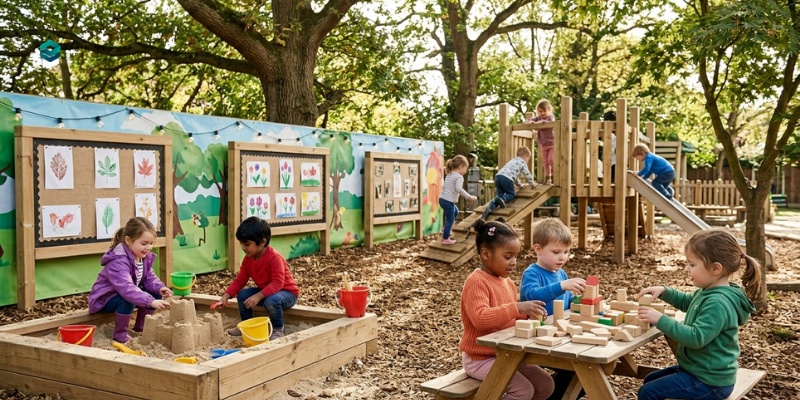
Throughout the day, practitioners supervise play sessions, assist with learning activities, and observe children’s behaviour and progress. They may also support children during meals, rest times, and outdoor play, ensuring that health and safety guidelines are followed at all times.
Observation is another important part of the role. Practitioners regularly monitor children’s development and record observations to ensure that learning activities meet their individual needs.
By combining structured activities with play-based learning, early years practitioners help create positive experiences that support children’s growth and readiness for school.
If you are interested in developing the knowledge and skills required to work in childcare, structured training can be a valuable step. A Diploma in Early Years Foundation Stage (EYFS) Level 3 provides insight into child development, safeguarding responsibilities, and practical strategies used in early years settings. This type of training can help aspiring childcare professionals build confidence and prepare for roles in nurseries and early learning environments.
Qualifications That Help You Become an Early Years Practitioner
Although some entry-level childcare roles allow beginners to gain experience, many early years practitioners hold recognised qualifications in childcare or early years education. These qualifications help professionals develop the knowledge and skills needed to support children’s development effectively.

Common qualifications include Level 2 or Level 3 early years education courses, which introduce key topics such as child development, safeguarding responsibilities, and the Early Years Foundation Stage (EYFS) framework. An EYFS Level 3 qualification is particularly valued by many nursery employers because it prepares practitioners to take on more responsibility in childcare settings.
Completing relevant training can improve employment opportunities and help individuals build confidence when working with young children in nurseries and early years environments.
Final Thoughts
Understanding the roles and responsibilities of an early years practitioner in nurseries is essential for anyone interested in working in childcare or early education. These professionals support children’s development, ensure safe environments, and encourage learning through play and exploration.
From planning activities to monitoring development and communicating with parents, early years practitioners play a key role in helping children build the skills needed for future learning.
For individuals who enjoy working with children and supporting early development, becoming an early years practitioner can be a meaningful and rewarding career.
Frequently Asked Questions (FAQ)
What does an early years practitioner do in a nursery?
An early years practitioner supports children’s learning, plans activities, ensures safety, and monitors developmental progress in nursery settings.
What qualifications are needed to become an early years practitioner?
Many practitioners hold an EYFS Level 3 qualification, which provides knowledge of child development and early years education practices.
What skills are important for early years practitioners?
Important skills include communication, patience, creativity, teamwork, and an understanding of child development.
Is working in early years education a good career?
Yes. Early years education can be a rewarding career with opportunities to progress into roles such as room leader, nursery manager, or early years teacher.
Where do early years practitioners work?
They commonly work in nurseries, preschools, early learning centres, and reception classes in schools.

Robert Lawrence
Author | Specialises in E-Learning
Robert Lawrence is an e-learning specialist and tutor at Training Express, with experience creating practical resources and strategies to support learners and enhance their professional development.