Food Hygiene
 Health & Safety
 Safeguarding
 First Aid
 Business Skills
 Personal Development
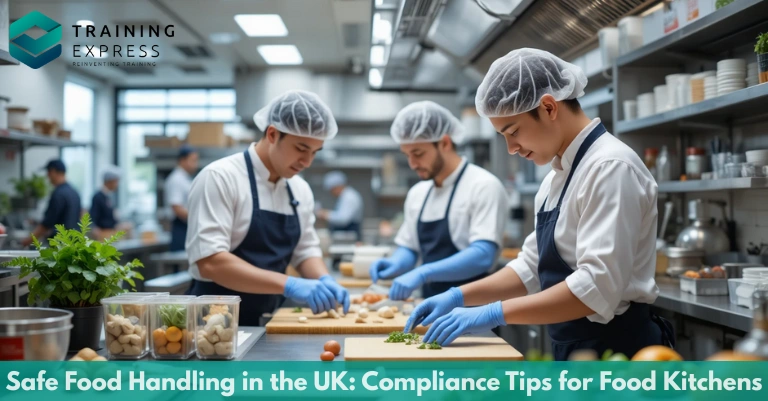
Safe food handling isn’t just a regulatory requirement—it’s the backbone of every successful kitchen in the UK. Whether you run a bustling café, a street food stall, a large catering company, or an institutional kitchen, the safety of the food you serve directly affects your customers, your staff, and your reputation. Mistakes can lead to foodborne illnesses, lost trust, costly fines, or even legal action.
But safe food handling goes beyond simply ticking boxes or passing inspections. It’s about embedding hygiene and safety practices into every part of your kitchen’s daily routine, from receiving ingredients to serving the finished dish. In this blog, we explore the legal requirements, essential hygiene principles, and practical strategies that help UK kitchens maintain high standards, protect customers, and operate with confidence.
Table of Contents
What Safe Food Handling Means in a UK Context
Safe food handling refers to the correct management of food at every stage—from delivery and storage through preparation, cooking, holding, and service. In the UK, these practices are shaped by legislation, guidance from the Food Standards Agency (FSA), and enforcement by local authorities. The aim is always the same: to prevent food from becoming contaminated and causing harm to consumers.
Contamination can occur in several ways:
- Harmful bacteria such as Salmonella, E. coli, and Listeria may grow if food is stored or cooked incorrectly.
- Chemicals used for cleaning may contaminate food if not handled properly.
- Physical hazards such as broken glass or metal fragments can pose risks.
Safe food handling is about anticipating these risks and controlling them before they cause problems.
For detailed guidance on safe food handling practices and legal requirements, kitchens can refer to the Food Standards Agency official guidance, which provides step-by-step advice and templates for compliance.
Safe Delivery and Storage of Ingredients
Food safety begins before items enter your kitchen. Check deliveries for correct temperatures, intact packaging, and expiration dates. Perishable goods should be stored immediately at appropriate temperatures, while dry and ambient products need clean, dry storage. Ensuring ingredients arrive safely sets the foundation for safe preparation and handling throughout the kitchen.
UK Food Safety Law: What Food Kitchens Must Comply With
Food kitchens in the UK operate under a well-established legal framework that places responsibility squarely on the food business operator. The Food Safety Act 1990 makes it illegal to sell food that is unsafe, unfit for consumption, or misleadingly described. Importantly, it also establishes the concept of “due diligence,” meaning businesses must demonstrate that they have taken all reasonable steps to ensure food safety.
Alongside this, food hygiene regulations require kitchens to:
- Maintain clean premises and suitable equipment
- Provide hand-washing facilities for staff
- Ensure food handlers are trained and supervised
- Put procedures in place to prevent contamination
A crucial requirement of UK food law is implementing a food safety management system based on HACCP principles. HACCP, or Hazard Analysis and Critical Control Points, is a systematic approach to identifying food safety hazards and putting controls in place. In practice, it simply means understanding where things could go wrong and taking steps to prevent them.
Food Inspections and Hygiene Ratings
Local authority Environmental Health Officers (EHOs) are responsible for inspecting food kitchens to ensure compliance. During inspections, officers assess:
- How food is handled on a daily basis
- The condition of premises and equipment
- How effectively food safety is managed
- Staff knowledge and training
Inspection outcomes contribute to the Food Hygiene Rating Scheme (FHRS), which rates businesses from 0 to 5. High ratings demonstrate strong compliance and can increase customer confidence, while low ratings may discourage customers and lead to closer scrutiny from regulators. Maintaining good safe food handling practices consistently is the most reliable way to achieve and retain a high rating.
Personal Hygiene: A Fundamental Requirement
Personal hygiene is one of the most important aspects of safe food handling because food handlers themselves can become a source of contamination. Poor hand hygiene, unsuitable clothing, or working while ill can all introduce harmful bacteria into food.
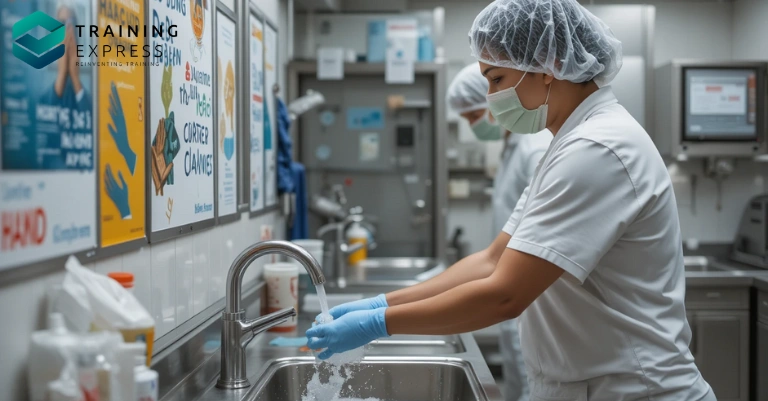
Effective hand-washing should:
- Use warm running water and soap
- Last for at least 20 seconds
- Occur at designated hand-wash stations
- Be performed before starting work, after handling raw food, after using the toilet, or after touching waste
Protective clothing also plays a vital role. Clean uniforms, aprons, and suitable hair coverings help prevent contamination, and clothing worn in food preparation areas should not be worn outside the kitchen.
Equally important is managing staff illness. Food handlers suffering from vomiting, diarrhoea, or certain skin conditions must not handle food. Clear reporting procedures and supportive management ensure staff feel able to report illness without pressure to work when unwell.
Controlling Cross-Contamination in Food Kitchens
Cross-contamination is one of the most common causes of foodborne illness and a frequent focus during inspections. It occurs when harmful bacteria are transferred from one food or surface to another, particularly from raw food to ready-to-eat food.
Preventing cross-contamination starts with good layout and organisation. Raw and ready-to-eat foods should be stored separately, with raw meat kept on the lowest shelves of refrigerators. Where space allows, separate preparation areas are ideal, but even in smaller kitchens, clear separation of tasks and equipment is essential.
Many UK kitchens use colour-coded chopping boards, knives, and cleaning cloths to reinforce safe practices. While colour coding alone does not guarantee safety, it provides a simple visual reminder that helps staff follow correct procedures.
Cleaning and disinfection are also key. Surfaces must be cleaned effectively between tasks, particularly when switching from raw to ready-to-eat foods. Staff should understand that cleaning removes visible dirt, while disinfection reduces harmful bacteria, and that both steps are necessary.
Temperature Control and Safe Food Handling
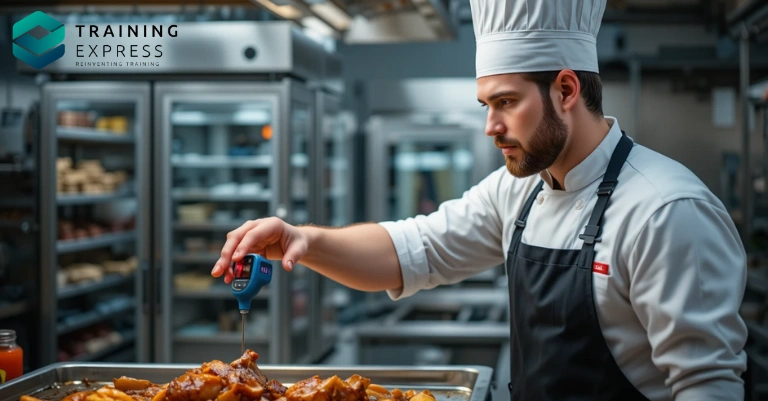
Temperature control is central to preventing bacterial growth and is closely monitored by enforcement officers. Food kitchens must ensure that cold food is kept cold, hot food is kept hot, and food passes through the temperature danger zone as quickly as possible.
- Refrigerators and freezers should operate at the correct temperatures and be checked regularly.
- Cooking food thoroughly is essential to kill harmful bacteria.
- Hot food must be held above 63°C if not served immediately.
- Food that is cooled and reheated must follow strict temperature guidelines and should only be reheated once.
Recording temperatures is not just paperwork—it provides evidence that controls are in place and effective, which is essential for demonstrating due diligence.
Monitoring Temperatures Effectively
Maintaining the right temperatures is vital for food safety. Regularly check fridges, freezers, and hot-holding units with calibrated thermometers. Record temperatures daily to ensure compliance and identify potential issues before they become hazards. Digital logs and alerts can help teams stay on top of monitoring, making kitchens inspection-ready and reducing the risk of foodborne illnesses.
Allergens and Consumer Safety
Allergen management is now a core part of safe food handling in the UK. Food businesses must provide accurate information about the 14 recognised allergens, including preventing cross-contact during storage and preparation. Clear communication between kitchen staff and front-of-house teams is essential, as allergen mistakes can have serious or even life-threatening consequences.
To ensure staff are fully aware of allergen risks and legal requirements, kitchens can benefit from formal training such as Food Allergen Awareness Training, which equips staff with practical skills to manage allergens safely and confidently.
Training as the Foundation of Compliance
Even the best food safety systems will fail if staff do not understand or follow them. Training ensures food handlers know why procedures exist and how to apply them in real situations. Many kitchens choose recognised qualifications such as Level 2 Food Safety and Hygiene for Catering. This type of course provides essential knowledge on safe food handling, legal responsibilities, and everyday best practice, giving a strong foundation for anyone working with food.

🎥 Watch now: Learn the essentials of safe food handling with Food Hygiene Basics | Introduction to Food Hygiene Level 1 and see how simple steps can make your kitchen safer!
Embedding Safe Food Handling in Daily Practice
Safe food handling is not achieved through occasional effort. It requires consistency, clear expectations, and a culture where food safety is taken seriously at every level. Managers lead by example, but every member of staff shares responsibility. By understanding the legal framework and embedding good hygiene practices into daily routines, food kitchens reduce risk, protect customers, and operate with confidence.
Implementing HACCP in Practice
HACCP (Hazard Analysis and Critical Control Points) is often seen as a technical requirement, but in reality, it is a practical tool for ensuring safe food handling. A HACCP-based system allows kitchens to identify risks and control them at key points in food preparation.
The main stages of HACCP implementation include:
- Hazard identification: Understanding where biological, chemical, or physical hazards could occur.
- Critical control points (CCPs): Determining stages in food preparation where controls must be applied, such as cooking, cooling, or reheating.
- Setting limits: Establishing acceptable thresholds, like temperature ranges for storage or cooking.
- Monitoring: Checking that limits are met consistently, with daily temperature logs or visual inspections.
- Corrective action: Procedures to follow when limits are breached, ensuring food safety is restored immediately.
Many UK food kitchens use the Safer Food, Better Business (SFBB) system provided by the FSA. SFBB provides a clear template for managing food safety and meeting HACCP requirements without being overly complicated. For managers aiming to ensure their kitchen consistently meets top hygiene standards, the Achieving Food Hygiene Rating Level 5 course offers practical guidance on implementing HACCP effectively and preparing for inspections.
For managers who want a deeper understanding of HACCP principles, training such as Level 3 HACCP Training can provide practical skills to design and implement effective food safety systems.
Cleaning, Waste Management, and Pest Control
Effective cleaning and waste management are central to safe food handling. Kitchens must have clear cleaning schedules, specifying what is cleaned, when, and by whom. Regular deep cleaning of equipment, surfaces, and storage areas is essential, especially in areas where raw food is handled.
Waste must be stored and removed safely to prevent contamination and deter pests. Pest control is not optional: evidence of rodents or insects can lead to immediate enforcement action. Regular inspections, preventative measures, and professional pest control support are key elements of a compliant kitchen.
Hygiene Beyond the Kitchen
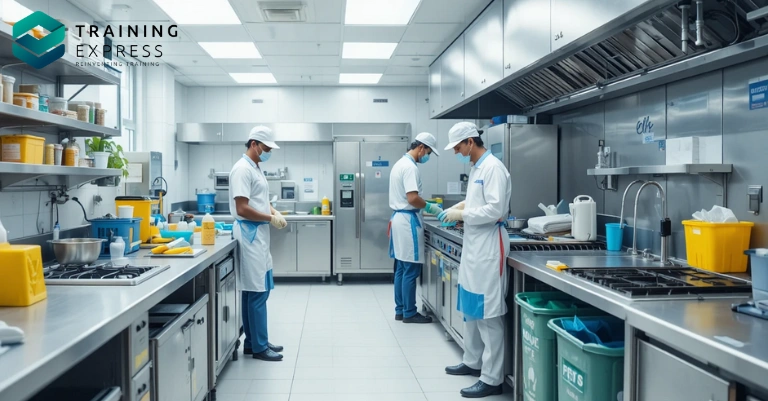
Maintaining hygiene extends beyond work surfaces and equipment. Waste management, pest control, and staff hygiene routines are equally important. Ensure bins are emptied frequently, gloves are worn when handling waste, and protective clothing is used consistently. Small habits like these prevent contamination and reinforce a culture of safety across the kitchen.
Record-Keeping and Documentation
Proper documentation demonstrates compliance and is often reviewed during inspections. Key records include:
- Temperature logs for refrigerators, freezers, cooked, and reheated food.
- Cleaning schedules and checklists for staff accountability.
- Allergen records to track ingredients and ensure safe menus.
- Staff training records to show that everyone handling food has up-to-date knowledge.
Maintaining clear, accurate, and accessible records not only protects customers but also supports due diligence if any issues arise.
Preparing for Inspections
Environmental Health Officers (EHOs) expect kitchens to demonstrate that safe food handling is embedded in everyday routines. Preparation includes:
- Ensuring premises are clean and free from hazards.
- Checking equipment and storage areas for maintenance issues.
- Reviewing records to ensure logs are up-to-date.
- Briefing staff to answer questions about hygiene procedures and allergen management confidently.
Understanding what inspectors look for can make inspections smoother and help maintain a high FHRS rating.
Enforcement Action and Penalties
Non-compliance can result in a range of enforcement actions, from informal advice to formal notices or prosecution. Common penalties include:
- Improvement Notices: Requiring specific actions within a set timeframe.
- Prohibition Notices: Restricting certain activities until issues are resolved.
- Fines or Prosecution: For serious or repeated breaches.
By maintaining good safe food handling practices, kitchens reduce the risk of enforcement action and protect both staff and customers.
Enforcement Action and Penalties
Non-compliance can result in a range of enforcement actions, from informal advice to formal notices or prosecution. Common penalties include:
- Improvement Notices: Requiring specific actions within a set timeframe.
- Prohibition Notices: Restricting certain activities until issues are resolved.
- Fines or Prosecution: For serious or repeated breaches.
By maintaining good safe food handling practices, kitchens reduce the risk of enforcement action and protect both staff and customers.
Advanced Compliance Tips for Busy Kitchens
High-performing kitchens go beyond basic compliance. Some advanced tips include:
- Regular staff refreshers: Short, focused training sessions help reinforce safe practices.
- Digital monitoring: Temperature probes and cleaning logs linked to software can simplify record-keeping.
- Audit schedules: Internal audits help identify issues before inspections.
- Encouraging a culture of accountability: Staff should feel empowered to report risks or errors.
Even small kitchens benefit from investing in these practices, as they help prevent foodborne incidents and improve overall efficiency.
Advanced Compliance Tips for Busy Kitchens
High-performing kitchens go beyond basic compliance. Some advanced tips include:
- Regular staff refreshers: Short, focused training sessions help reinforce safe practices.
- Digital monitoring: Temperature probes and cleaning logs linked to software can simplify record-keeping.
- Audit schedules: Internal audits help identify issues before inspections.
- Encouraging a culture of accountability: Staff should feel empowered to report risks or errors.
Even small kitchens benefit from investing in these practices, as they help prevent foodborne incidents and improve overall efficiency.
Promoting Training for Sustainable Compliance
Staff training remains a cornerstone of safe food handling. Beyond initial qualifications, ongoing training helps teams stay updated with regulations and best practices. Some recommended courses for UK kitchens include Food Labelling Regulations Training, which ensures staff understand legal requirements and accurate menu information; Food Handler Certification, ideal for all staff working directly with food to reinforce hygiene and safe handling practices; and Quality Supervisor: Food Manufacturing, designed for supervisors overseeing operations and maintaining consistent food safety standards.
Offering these courses helps build a knowledgeable workforce, reinforces compliance, and demonstrates a commitment to food safety to both regulators and customers.
Conclusion: Embedding Safe Food Handling as a Culture
Safe food handling in UK kitchens is more than a legal requirement; it is a professional standard that protects customers, staff, and the reputation of your business. Achieving this requires a combination of legal compliance, HACCP-based procedures, thorough staff training, accountability, consistent cleaning, careful temperature control, allergen management, accurate record-keeping, and readiness for inspections.
The most successful food businesses view safe food handling not as a checklist, but as a culture. Every decision, from ingredient storage to service, should prioritise hygiene and safety. Investing in staff development and embedding best practices creates long-term benefits, ensuring that compliance becomes a natural part of daily kitchen life.
Frequently Asked Questions
What is a HACCP critical control point?
A stage in food preparation where a hazard must be controlled, such as cooking, cooling, or reheating.
Can I use the same chopping board for raw meat and vegetables?
No. Raw and ready-to-eat foods must be prepared separately to prevent cross-contamination.
What temperature should cooked chicken reach?
The core must reach at least 75°C for 30 seconds.
How often should fridge temperatures be logged?
Daily, with records kept for inspection purposes.
Are staff allowed to work when unwell?
No. Anyone with vomiting, diarrhoea, or contagious infections must not handle food.
How should allergens be stored in a busy kitchen?
Separately and clearly labelled to prevent cross-contact.
Is colour-coding equipment mandatory?
Not legally mandatory, but strongly recommended for preventing cross-contamination.
How long can hot food be held before serving?
It must be kept above 63°C and served promptly or cooled safely.
Do all staff need formal food safety training?
Yes, at least Level 2 Food Safety and Hygiene is recommended.
What’s the quickest way to spot a contamination risk?
Check for raw food touching ready-to-eat items, unclean surfaces, or poor hand hygiene.

Related Blogs


- Available Courses
- Animal care10
- Design36
- Training10
- Accounting & Finance Primary51
- Teaching & Academics Primary37
- Teaching23
- Quality Licence Scheme Endorsed181
- Law10
- IT & Software234
- Job Ready Programme52
- Charity & Non-Profit Courses28
- HR & Leadership4
- Administration & Office Skills6
- Mandatory Training36
- Regulated Courses4
- AI & Data Literacy29
- Health and Social Care291
- Personal Development1651
- Food Hygiene119
- Safeguarding81
- Employability288
- First Aid73
- Business Skills298
- Management425
- Child Psychology41
- Health and Safety537
- Hospitality28
- Electronics30
- Construction63
- Career Bundles201
- Marketing39
- Healthcare174