Food Hygiene
 Health & Safety
 Safeguarding
 First Aid
 Business Skills
 Personal Development
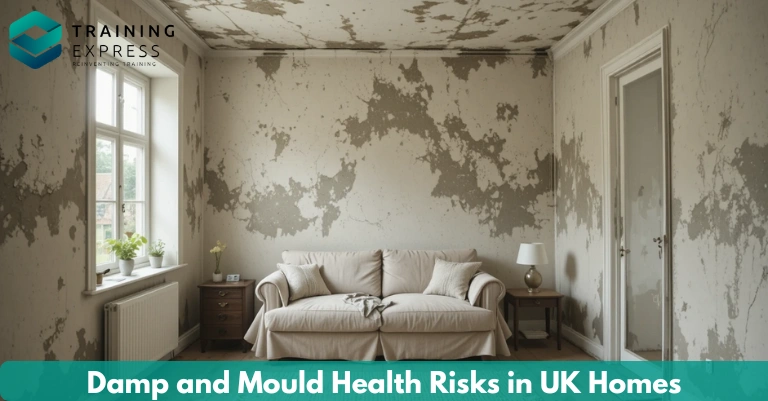

Damp and mould in UK homes can cause serious health problems, from respiratory issues to allergies. Landlords must act promptly to prevent, detect, and remediate these hazards, protecting tenants, property, and their legal responsibilities.
Why Damp and Mould Are a Serious Issue for UK Landlords
In one property, a young family struggled with persistent coughs and worsening asthma. Doctors noticed the symptoms improved whenever they spent time away from home. In another, elderly tenants experienced repeated respiratory infections that puzzled healthcare providers. In every case, the culprit was the same: invisible damp in the property and mould growing in corners, behind furniture, and inside walls. These stories are not isolated. Across the country, damp and mould are causing real health problems, particularly for the vulnerable, and drawing attention from regulators, insurers, and the media.
Landlords who overlook these signs risk more than unhappy tenants. The legal landscape is clear: under the Homes (Fitness for Human Habitation) Act 2018 and the Housing Health and Safety Rating System (HHSRS), properties must be free from hazards, including damp and mould. Failing to act can lead to enforcement notices, fines, and liability for tenant health issues. Beyond compliance, repeated exposure to damp and mould can lead to serious respiratory conditions, allergic reactions, and long-term health complications—highlighting that what seems like a simple property flaw can have far-reaching consequences.
This guide takes landlords through the full picture. It explains the causes of damp and mould, the health risks they pose, who is most at risk, and why timely, proactive action is essential. Understanding these issues is not just about avoiding penalties; it is about safeguarding tenants, protecting your investment, and fulfilling a fundamental responsibility. Awareness of damp and mould health risks allows landlords to act decisively, turning a hidden threat into a managed and preventable problem.
Understanding Damp and Mould in Residential Properties
What Is Damp?
Damp refers to the presence of excess moisture within a building. While some moisture is unavoidable in everyday living, persistent damp indicates an underlying problem that needs addressing. In the UK housing stock—much of which is older—damp is a common issue, particularly in poorly insulated or inadequately ventilated homes.
Understanding rising damp, penetrating damp, and condensation is key for any landlord. A Diploma in Building Surveying Level 3 equips you with the skills to identify these issues and plan effective interventions.
There are several forms of damp commonly found in residential properties:
- Rising damp, caused by moisture moving upwards from the ground through walls
- Penetrating damp, resulting from water entering through walls, roofs, or windows
- Condensation, caused by warm, moist air meeting cold surfaces indoors
Each type of damp can create conditions in which mould thrives, increasing damp and mould health risks for occupants.
What Is Mould?
Mould is a type of fungus that grows in damp, poorly ventilated environments. It spreads by releasing tiny spores into the air, which can easily be inhaled. Mould often appears as black, green, white, or grey patches on walls, ceilings, fabrics, and furniture.
In UK homes, black mould (Stachybotrys chartarum) is the most commonly reported and the most widely associated with health concerns. However, all indoor moulds can pose health risks if exposure is prolonged.
Mould growth is a clear sign of excess moisture. Where damp exists and is not properly managed, mould is likely to follow.

Why Damp and Mould Are Common in UK Housing
Age and Design of Housing Stock
A significant proportion of the UK’s housing was built before modern building regulations existed. Older properties often lack:
- Adequate insulation
- Damp-proof courses
- Modern ventilation systems
These structural limitations make them particularly vulnerable to damp problems, especially during colder months.
Climate and Weather Conditions
The UK’s climate also plays a major role. Frequent rainfall, high humidity, and long periods of cold weather increase the likelihood of moisture build-up within properties. During winter, tenants often keep windows closed and rely on heating, which can exacerbate condensation if ventilation is poor.
Lifestyle and Occupancy Factors
Everyday activities such as cooking, showering, drying clothes indoors, and even breathing release moisture into the air. In overcrowded properties or homes without extractor fans and air vents, moisture can accumulate rapidly, increasing the risk of damp and mould.
While tenant behaviour can contribute to condensation, landlords still have a duty to ensure that properties are designed and maintained in a way that minimises damp and mould health risks.
The Science Behind Damp and Mould Health Risks
How Mould Affects the Human Body
Mould releases microscopic spores into the air, which can be inhaled deep into the lungs. For many people, occasional exposure may cause mild symptoms, but prolonged or repeated exposure significantly increases health risks. According to the NHS, exposure to mould can worsen asthma, trigger allergies, and irritate the respiratory system. NHS: Mould and damp in the home.
Once inhaled, mould spores can:
- Irritate the respiratory system
- Trigger allergic reactions
- Worsen existing health conditions
In some cases, mould exposure can lead to serious and long-term illness.
Older properties often carry multiple hazards. An Asbestos Awareness Training course ensures landlords can recognise and safely manage hidden risks alongside damp and mould concerns.

📹 Watch Now: [The Hidden Dangers of Mould in UK Homes] – Learn why UK landlords must act quickly on damp and mould and how it affects tenants’ health 🏠⚠️.
Common Damp and Mould Health Risks for Tenants
Respiratory Problems
One of the most widely recognised damp and mould health risks is respiratory illness. Tenants exposed to mould may experience:
- Persistent coughing
- Wheezing
- Shortness of breath
- Chest tightness
These symptoms are often worse in damp homes and may improve when occupants spend time away from the property, a key indicator of mould-related illness.
Asthma and Allergic Reactions
Damp and mould are known triggers for asthma attacks. For tenants with pre-existing asthma, mould exposure can lead to more frequent and severe symptoms. Mould can also cause allergic reactions such as:
- Sneezing
- Runny or blocked nose
- Itchy eyes
- Skin rashes
Children growing up in damp homes are at a higher risk of developing asthma and other allergies later in life.
Infections and Weakened Immunity
People with weakened immune systems—including the elderly, pregnant women, and those undergoing medical treatment—are particularly vulnerable. Inhaling mould spores can increase the risk of infections, some of which may be serious.
For these individuals, damp and mould health risks extend beyond discomfort and can become life-threatening if left unaddressed.
Mental Health and Wellbeing Impacts
Psychological Effects of Living in Damp Homes
The impact of damp and mould is not limited to physical health. Living in a property with visible mould and a persistent musty smell can take a toll on mental wellbeing. Tenants may experience:
- Stress and anxiety
- Feelings of shame or embarrassment
- Sleep disturbances
- Reduced quality of life
For families with children, concerns about long-term health effects can add further emotional strain.
Who Is Most at Risk from Damp and Mould?
Children and Infants
Children are among the most vulnerable groups. Their lungs and immune systems are still developing, making them more susceptible to damp and mould health risks. Research consistently shows higher rates of respiratory illness among children living in damp housing.
Elderly Occupants
Older tenants often have existing health conditions that can be worsened by mould exposure. Reduced mobility may also make it harder for them to ventilate their homes properly, increasing moisture levels indoors.

Tenants with Long-Term Health Conditions
Individuals with asthma, chronic obstructive pulmonary disease (COPD), allergies, or weakened immune systems face increased risks. For these tenants, even small amounts of mould can have a significant impact on health.
Early Warning Signs Landlords Should Never Ignore
Landlords should be alert to early indicators of damp and mould, including:
- Persistent condensation on windows
- Peeling wallpaper or blistering paint
- Musty odours
- Dark patches on walls or ceilings
- Tenant complaints about cold or damp conditions
Addressing these signs early can prevent more serious damp and mould health risks and reduce repair costs in the long run.
Legal Responsibilities of UK Landlords
In the UK, landlords are legally required to ensure that their properties are safe, habitable, and free from hazards that could affect tenants’ health. Damp and mould are increasingly recognised as health hazards, and failure to manage them can lead to serious legal and financial consequences.
The Homes (Fitness for Human Habitation) Act 2018
The Homes (Fitness for Human Habitation) Act 2018 imposes a legal duty on landlords in England and Wales to provide and maintain properties that are safe, healthy, and free from damp-related hazards. Under this Act, tenants can take legal action if:
- Their home is damp or mouldy
- Repairs are delayed or ignored
- They suffer health issues due to poor property conditions
The Act covers both new and existing tenants and applies to all residential leases, including assured shorthold tenancies. Non-compliance can result in compensation claims, court orders, and enforcement notices.
Local Authority Enforcement
Local councils in the UK have environmental health departments that can inspect properties and issue improvement notices if damp or mould poses a risk to tenants’ health. Persistent failure to address damp and mould can lead to fines or legal action against landlords.
Health and Safety Obligations
Landlords also have a duty under the Landlord and Tenant Act 1985 and the Housing Health and Safety Rating System (HHSRS) to maintain the property in good repair. Damp and mould are recognised hazards under HHSRS because of their impact on respiratory health and overall wellbeing.
Landlords who ignore complaints about mould risk breaching these statutory obligations, potentially leaving them liable for damages or civil claims.
Understanding the legal framework around tenant safety is essential. A Residential Conveyancing Paralegal course helps landlords navigate compliance, documentation, and potential disputes effectively.
Prevention Is Better Than Cure: Property Maintenance
Effective prevention of damp and mould is more cost-efficient than repeated remediation and minimises tenant health risks. Landlords should implement both structural and behavioural strategies. Those looking to manage properties and ensure tenant wellbeing can benefit from a Property & Tenancy Management course, which provides guidance on proactive maintenance, inspections, and tenant engagement.
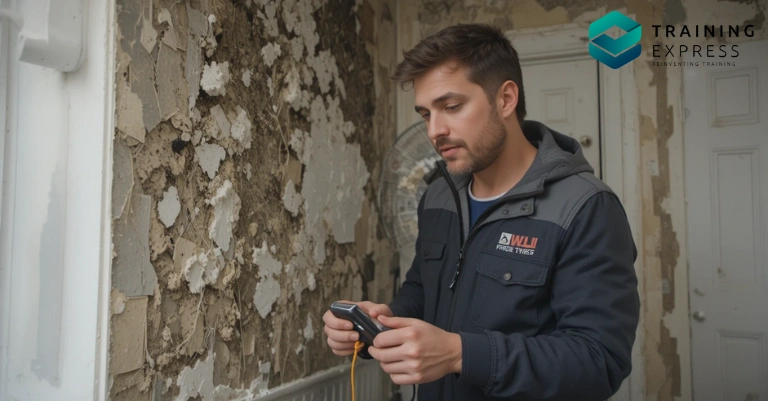
Structurally, damp-proof courses and tanking in vulnerable areas like basements prevent moisture ingress. Adequate insulation in walls, floors, and lofts keeps indoor temperatures consistent, reducing condensation. Roofs, gutters, and window frames should be maintained to stop leaks, while ventilation systems such as extractor fans, trickle vents, and, where feasible, heat recovery units help airflow and moisture control.
Tenant behaviour also matters. Encouraging extractor fan use, daily ventilation, and outdoor drying of clothes can cut condensation. Routine inspections help spot early signs of damp or mould, while careful documentation of complaints and repairs protects landlords from potential disputes.
By taking these proactive steps, landlords can prevent damp and mould, safeguard tenant health, and preserve the long-term value of their properties.
Remediation of Existing Damp and Mould
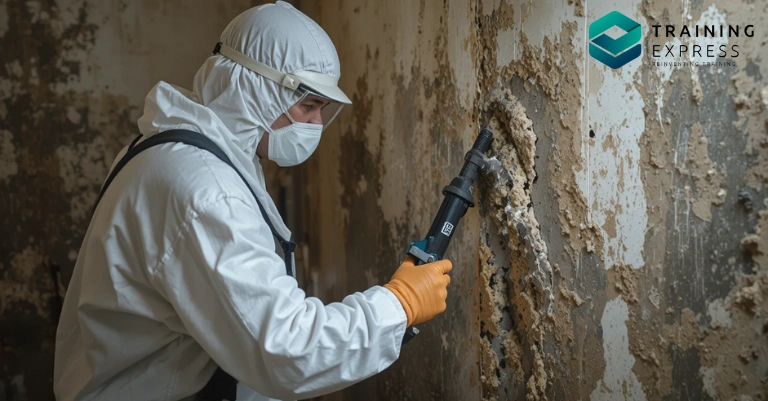
Even with preventive measures, some properties may develop damp and mould. Professional remediation is often required to fully resolve issues and reduce damp and mould health risks.
Cleaning and Minor Remediation
- Small patches of non-toxic mould can sometimes be cleaned using detergent or specialised anti-mould sprays
- Remove and replace affected wallpaper or paint if necessary
- Ensure the area is fully dried and ventilated after treatment
Professional Remediation
For widespread mould, persistent damp, or structural issues:
- Hire qualified damp-proofing contractors
- Undertake moisture surveys to identify hidden sources of damp
- Remediate rising or penetrating damp with structural interventions
Professional remediation ensures that mould does not return and that tenant health risks are minimised.
Long-Term Solutions for Damp and Mould Control
Property Design and Retrofit
- Consider retrofitting older properties with modern insulation, ventilation, and damp-proofing
- Install double-glazing or secondary glazing to reduce condensation on cold surfaces
- Ensure loft and wall insulation are compatible with moisture control
Ongoing Monitoring
- Use moisture meters or smart humidity sensors in high-risk areas
- Monitor tenant feedback on condensation or damp issues
- Act swiftly when moisture levels exceed recommended thresholds (typically 50-60% indoor humidity)
The Role of Indoor Air Quality in Minimising Damp and Mould Health Risks
Even careful maintenance can miss early signs of damp and mould, as moisture and microscopic spores often accumulate long before visible damage appears. Regular indoor air quality monitoring helps landlords detect problems early, preventing serious health hazards and costly repairs. Monitoring typically starts with tracking humidity, with levels above 60% creating ideal conditions for mould growth. Simple hygrometers or smart sensors can identify moisture hotspots in bathrooms, kitchens, and basements, while advanced sensors can detect airborne particles like mould spores and dust mites.
Early detection allows targeted action, such as improving ventilation, repairing leaks, or installing extractor fans, rather than relying on reactive fixes. Continuous monitoring provides evidence for tenant wellbeing and legal compliance, supporting landlords under the Homes (Fitness for Human Habitation) Act and HHSRS. By observing trends over time, landlords can address recurring issues, protect tenants’ health, and preserve the property’s value. Indoor air quality monitoring shifts management from reactive to preventive, keeping homes safe, habitable, and well-maintained.
Cost Implications for Landlords
Damp and mould are not just health concerns—they also have financial implications. Costs can arise from:
- Property damage (plaster, wallpaper, flooring)
- Professional remediation
- Legal claims and compensation
- Reduced rental value if the property develops a reputation for being damp
Investing in prevention and prompt repair is usually far cheaper than dealing with long-term damage and tenant claims.
Key Takeaways for Landlords
- Recognise the Health Risks: Damp and mould can seriously affect tenants’ physical and mental health, especially the vulnerable.
- Understand Legal Obligations: Landlords must provide safe, habitable homes under the Homes (Fitness for Human Habitation) Act and HHSRS.
- Invest in Prevention: Insulation, ventilation, and damp-proofing are more cost-effective than repeated repairs.
- Act Early: Address complaints and inspections promptly to prevent escalation.
- Engage Tenants: Educate tenants on moisture control and reporting issues to reduce mould risk.
- Professional Remediation: Hire specialists for severe or persistent mould to ensure safe removal and prevent recurrence.
- Maintain Records: Document inspections, complaints, and repairs to protect against legal disputes.
Conclusion: Protecting Health, Property, and Reputation
Damp and mould are more than minor nuisances—they are serious health hazards that can affect tenants’ respiratory, immune, and mental wellbeing. For landlords in the UK, understanding and addressing these risks is both a legal duty and a moral responsibility.
By combining structural improvements, regular maintenance, tenant education, and prompt remediation, landlords can minimise damp and mould health risks, maintain a safe property, and avoid costly legal disputes. Proactive management not only protects tenants but also preserves the long-term value of rental properties and strengthens landlord reputation.
For landlords committed to safe, healthy, and legally compliant properties, damp and mould should never be ignored. Early action, informed decisions, and professional support are the keys to maintaining homes that are both habitable and healthy for all occupants.
Frequently Asked Questions
What makes mould dangerous for tenants in rental properties?
Mould can trigger respiratory issues, allergies, skin irritation, and stress, especially in vulnerable tenants.
Which tenants are most vulnerable to damp and mould health risks?
Children, infants, elderly occupants, and tenants with asthma or weakened immunity are most at risk.
What legal obligations do UK landlords have regarding damp and mould?
Landlords must provide properties free from damp and mould under the Homes (Fitness for Human Habitation) Act 2018 and HHSRS.
How can landlords spot early signs of damp and mould?
Look for condensation, peeling paint, musty odours, dark patches, or repeated tenant complaints.
Are tenants able to seek compensation for health issues caused by damp or mould?
Yes, tenants can take legal action if landlords fail to address persistent damp or mould problems.