Food Hygiene
 Health & Safety
 Safeguarding
 First Aid
 Business Skills
 Personal Development

When an emergency strikes, do you deem yourself fully prepared for the evacuation? Or, should you act based on your instincts? Whether it’s a natural disaster or man-made disaster, having a personal emergency evacuation plan ready in advance for any emergency is the smartest thing to do to ensure your safety.
Table of Contents
What is PEEP?
A personal emergency evacuation plan or PEEP refers to measures that you can take to prepare for and reduce the effects of disasters whether they are natural or man-made.
What are the disasters people face?
Disasters can be both natural and man-made. And you should be prepared for both in advance.
Natural disasters can be:
- Earthquakes
- Landslides
- Tsunamis
- Floods
- Avalanches
Man-made disasters can be:
- Industrial accidents
- Chemical explosions
- Oil spills
- Nuclear radiation
- Fire

Why do you need a PEEP?
A personal emergency evacuation plan or PEEP is mandatory for anyone who can’t leave the facility on their own and requires assistance. If an individual has any sort of disability they are the ones who need PEEP the most.
Every person’s disability and needs are different and therefore every person needs a specific plan as per their requirements.
Primary steps to prepare the PEEP
- Learn the types of disasters that are probable in your community.
- Know about the local emergency evacuation plans for each specific disaster.
- Map out your primary evacuation route to get to the shelter, including alternate routes in case your intended routes are blocked.
- To ensure overall safety, make sure that your evacuation plan is spelt out with your family and your staff well in advance.
- Select and map out nearby shelter or safe spot and the routes to get there.
- List your emergency contacts.
- Make sure you have a personal emergency kit packed which should include a first-aid kit, fuel, torches, extra batteries, portable radio, emergency cash, extra clothing, medications and any other supplies that you deem necessary.
Basic emergency evacuation procedures
- Listen carefully for instructions over the facility’s public address systems (PA).
- Turn off any equipment you are using or close any windows.
- Leave the area quickly maintaining order and avoiding chaos to prevent any stampede.
- Don’t delay grabbing things to take with you.
- Always take the stairs in case of an emergency. Lifts can be dangerous.
- Assist anyone who is in immediate danger but if it puts you in danger leave it for the evacuation team.
- Do not panic or spread rumours.
- Report the missing persons to the evacuation team.
Key actions involved in adequate management of PEEP
To ensure that you have the right safety procedures, you can divide your emergency plans into two parts:
- Preparing your workplace
- Preparing yourself and your staff
Preparing your workplace
- Make sure your workplace is safe, and it has proper lighting and unobstructed walkways.
- Test and understand your alarm systems. It’s mandatory to learn how your alarm system works. Check whether your alarm system works or not and what your particular alarm system sounds like.
- Know how to evacuate safely and become familiar with how to move quickly and calmly through your building and where the exits are.
Preparing your staff
- Create clear procedures for reporting emergencies. Make sure your staff know what information needs to be reported for each type of emergency and who to report this information to.
- Ensure that your staff know their responsibilities during an emergency. If the key role is assigned to them, they should have a solid understanding of what they are expected to do.
- Conduct regular evacuation drills to make sure your staff are well acquainted with how to evacuate the building, which exit to use and where to meet afterwards.
The aforementioned steps will provide you with a basic checklist. The checklist for your workplace might contain more items or more details depending on your particular facility and staff. Review your emergency evacuation plan checklist every few months.
How to make an ideal fire safety plan?
- While leaving during a fire emergency, don’t open any door instantly. Check the temperature on the door for the likelihood of fire on the other side.
- Close the doors behind to slow down the spread of fire and smoke.
- Stay low while going through smoke or flames.
- Most of the time fires are caused by explosions, but sometimes they cause explosions too. Explosions can not only damage buildings but also make them dangerously unstable. Therefore, when you evacuate you should avoid windows and other things that could shatter or fall on you.
- If debris starts to come around you, take shelter under a sturdy table or desk.
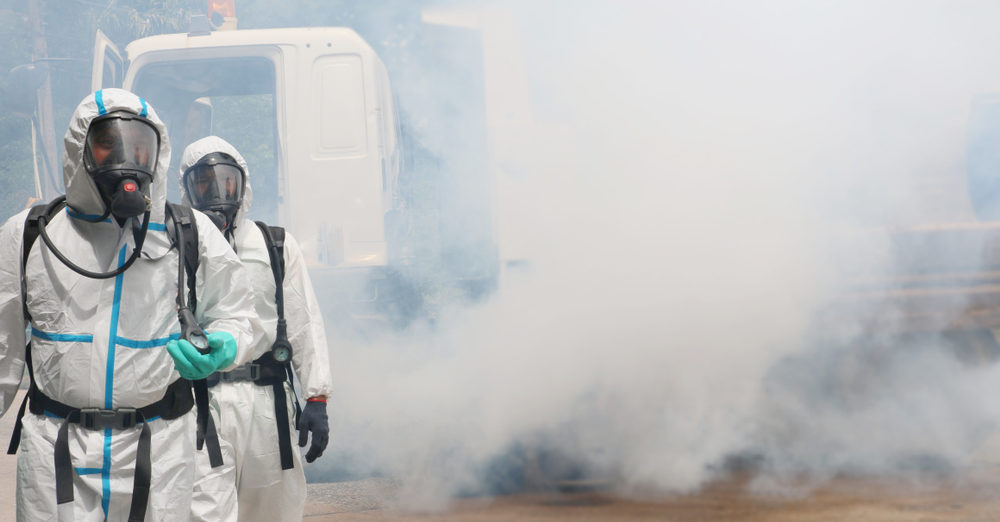
How to deal with Hazmat Emergencies?
- If your facility handles hazardous materials, it’s very likely that the building could become contaminated during an emergency.
- External sources of contamination can put you at risk. So, you should learn about the potential risks of the dangerous materials and the precautions associated with them.
- If an evacuation is called because of a hazmat incident you should immediately put on any PPE that is specified in your emergency evacuation plan.
- You should stay away from any unfamiliar liquid or solid substances.
- Avoid breaking in any smoke, fumes, gases or vapours.
- Stay out of low places like basements and ditches where they collect
- Assist anyone who appears confused or incapacitated. They may be feeling the effects of contamination themselves.
Make plans to assist the disabled/injured
You should prepare a personal emergency evacuation plan for individuals requiring special assistance during an evacuation. In most of the cases, it will be possible for the residents to be abreast of an alarm and make their way unaided to a place of final safety, for some however it may not be that easy and some form of extra assistance may be required.
Individuals who have unobservable disabilities may or may not self-identify before an emergency. Such disabilities may include:
- Arthritis
- Asthma
- Cardiac Condition
- Chronic back problem
So, consequently, you should consider recommendations for specific disabilities when developing an evacuation plan. See considerations for:
- Mobility impairment
- Vision impairment
- Hard of hearing
- Cognitive impairment
- Any medical condition or injury which may cause them to require assistance to evacuate safely
Assist 2 or more staff who are willing and able to assist disabled or injured persons during evacuation.
Fire exit strategy
Always know your exits. Doors and windows can be used to exit the home in an emergency. Know which doors are locked with a key and which can be unlocked by hand in an emergency. Know which windows are blocked and which will produce a clear point of exit.
In the dark place
Perform a walk-through “dress-rehearsal” of your evacuation route to familiarize yourself with the route. In an emergency, the power may be interrupted, and you may be left in the dark. Knowing the route beforehand may save time and prevent you from running into furniture, which can cause injury.
Meeting Place
Have a designated meeting place in case of an emergency, if the patient and other household members are able to walk on their own. It is important to know who is safe and who is still in the home after evacuation.
Where to go?
Decide on an appropriate evacuation destination. Some patients will go to a family member’s home. Others will go to a shelter. You may have to coordinate the evacuation with other healthcare professionals or family members.
Safe spot
An example of a safe meeting place would be at the mailbox or a neighbour’s driveway. A location safely away from the home, but easily visible and accessible is desirable and keeps all household members moving in the same direction
Some emergencies happen quickly, with no warning. Events like earthquakes, fires and sinkholes require an emergency evacuation. You will not have time to gather personal belongings or patient medications. In these instances, having a PEEP checklist will save both your time and your life.
But some events can be planned for. Severe weather is often forecast well in advance by local news stations. If severe weather is expected, some advanced planning can help make an evacuation safe and easy for all.
Understand your role
- Know how your facility’s evacuation procedures are set up well in advance.
- Start by equipping yourself with specific knowledge about what people in your work area should do in an emergency, particularly how to get yourself out of the building under different conditions.
- Take at least two evacuation routes.
- Stay calm and report to the assembly point.
- Stay low and never open a hot door.
- You should also stay away from contamination sources. If hazardous materials are involved stay upwind and upstream from the source of contamination.
Fire Warden Training Course
Fire Warden Training Course
Closing Note
To sum up, emergencies are always unpredictable but preparing for them ahead of time and understanding the role we play in evacuation and carrying it out, you can still go home safe at the end of the day.
Read more on our blog
- Who Is Responsible for Enforcing Fire Safety?
- What Is the Temperature Danger Zone? Full Guide & Chart
- What Does RAMS Stand For? Meaning, Examples & Template
- Top 5 UK Online Cleaning Courses for Individuals in 2026
- AI Tools That Actually Save You Money in 2026 (And the Math to Prove It)
- What is Guidance and Counselling? 5 Categories Explained
- How Hard Is Nursing School? What Students Should Really Expect
- Who is Responsible for Enforcing Food Hygiene Legislation?
- What is Emotional Intelligence?
- 15 Best Paying Business Careers in the UK in 2026–2027 (Growth & Salary Breakdown)