Food Hygiene
 Health & Safety
 Safeguarding
 First Aid
 Business Skills
 Personal Development
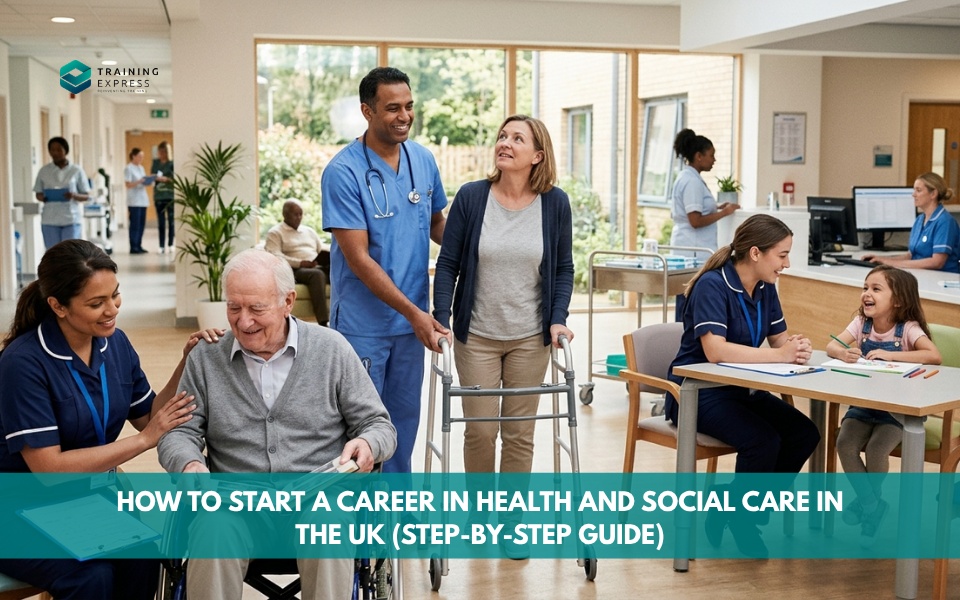

Health and social care sector plays a vital role in supporting people with their physical, emotional, and social well-being. It includes services such as hospitals, care homes, and community support, where professionals help improve the quality of life for individuals of all ages. In the UK, demand for skilled care workers continues to rise due to an ageing population and growing healthcare needs.
Many people ask how to start a career in health and social care in the UK, and the good news is that it is highly accessible. The sector offers a wide range of entry-level opportunities, even for those with no prior experience, making it an ideal pathway for compassionate individuals who want to help others.
With the right training, skills, and qualifications such as a Level 3 Diploma in Health and Social Care, learners can build a strong foundation and progress into rewarding roles. This career path offers long-term growth, stability, and the opportunity to make a real difference in people’s lives.
Table of Contents
Use Coupon Code:
Use this coupon at Checkout
What Is Health and Social Care?
Health and social care refers to services that support people with their health, personal care, and daily living needs. These services are designed to help individuals maintain independence, improve well-being, and receive appropriate support when required.
Health services typically focus on medical care, treatment, and rehabilitation, while social care supports people with everyday tasks, emotional well-being, and social inclusion.

Professionals working in health and social care may support:
- Older adults
- Individuals with disabilities
- People recovering from illness or injury
- Individuals with mental health conditions
- Children and vulnerable adults
These services are delivered in various settings, including hospitals, care homes, community centres, and individuals’ homes.
Why Choose a Career in Health and Social Care?
Many people choose this field because it offers both personal fulfillment and long-term career opportunities.
1. High Demand for Workers
The UK health and social care sector continues to experience a strong demand for skilled professionals. As the population ages, the need for care services increases, creating ongoing job opportunities.
2. Meaningful and Rewarding Work
Working in this sector allows professionals to support individuals during important moments in their lives. Helping someone maintain independence, recover from illness, or improve their well-being can be extremely rewarding.
3. Diverse Career Paths
The sector offers a wide range of roles, allowing individuals to work in different environments and specialise in various areas of care.
4. Career Progression Opportunities
With experience and further training, professionals can progress into roles such as:
- Senior care worker
- Team leader
- Care coordinator
- Healthcare assistant supervisor
- Social care manager
This progression allows individuals to develop leadership skills and take on greater responsibility.
Entry-Level Jobs in Health and Social Care
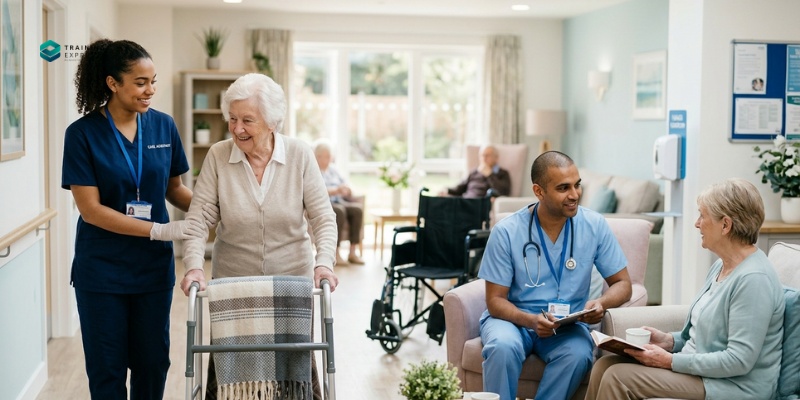
Many people start their career in health and social care in the UK through entry-level roles that provide practical experience and introduce them to different health and social care jobs in the UK.
Care Assistant
Care assistants support individuals with daily activities such as personal hygiene, meal preparation, and mobility. They often work in care homes, supported living environments, or community settings.
Healthcare Assistant
Healthcare assistants work alongside nurses and medical professionals in hospitals, clinics, and care facilities. Their responsibilities may include monitoring patients, assisting with personal care, and providing basic clinical support.
Support Worker
Support workers help individuals with disabilities or mental health conditions live more independently. They may assist with daily tasks, encourage social participation, and provide emotional support.
Community Care Worker
Community care workers provide assistance to individuals in their own homes. Their role often involves helping with household tasks, medication reminders, and companionship.
These roles provide valuable experience and can act as stepping stones to more specialised positions within the sector.
Where Can You Work in Health and Social Care?
Health and social care professionals can work in a wide range of environments, including:
- NHS hospitals
- Residential care homes
- Nursing homes
- Community health services
- Supported living services
- Private healthcare organisations
- Local authority social care services
These workplaces provide opportunities for individuals at different stages of their careers, from entry-level care roles to specialist and leadership positions.
Skills Needed to Work in Health and Social Care
While qualifications are important, employers also value personal qualities and transferable skills that help professionals succeed when working in health and social care.
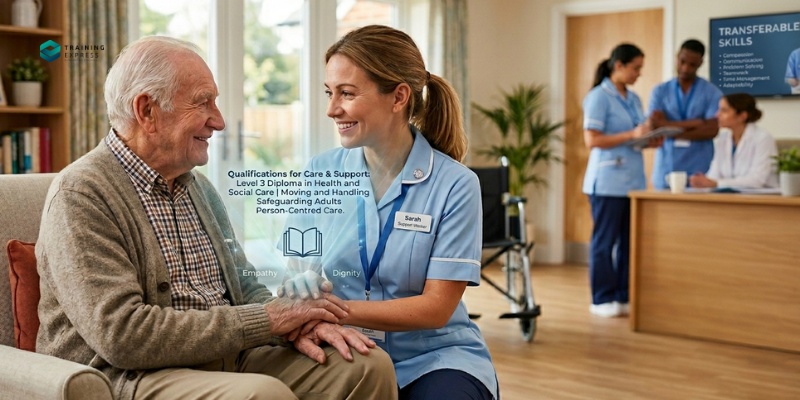
Communication Skills
Care professionals must communicate clearly with individuals, families, and colleagues. Effective communication ensures that needs are understood and support is delivered safely.
Empathy and Compassion
Understanding and respecting the feelings and experiences of others is essential when supporting vulnerable individuals.
Patience
Working in care environments can sometimes be challenging. Patience helps professionals respond calmly and thoughtfully in different situations.
Teamwork
Health and social care professionals often work as part of multidisciplinary teams. Collaboration with colleagues ensures that individuals receive consistent and coordinated care.
Problem-Solving Skills
Care workers frequently encounter situations that require quick thinking and practical solutions to meet individuals’ needs.
Developing these skills helps professionals build strong relationships with those they support and maintain high standards of care.
Qualifications That Help You Start a Career
Although some entry-level roles may not require formal qualifications, many employers prefer candidates who have completed recognised training.
Qualifications provide essential knowledge about:
- safeguarding
- communication in care settings
- person-centred care
- health and safety practices
- supporting individuals with different needs
One commonly recognised qualification in the UK is the Level 3 Diploma in Health and Social Care. This qualification provides learners with a structured understanding of care principles and professional responsibilities.
How a Level 3 Diploma in Health and Social Care Can Help
Completing a Level 3 qualification can help individuals develop the knowledge required to work confidently in care environments.
The course typically covers topics such as:
- safeguarding and duty of care
- communication in health and social care settings
- person-centred care approaches
- equality and diversity
- promoting health and well-being
- professional responsibilities in care environments
Learning these principles helps individuals understand how to support people safely, respectfully, and effectively.
For those planning to build a long-term career in the sector, gaining a recognised qualification can also improve job prospects and demonstrate commitment to professional development.
Career Progression in Health and Social Care
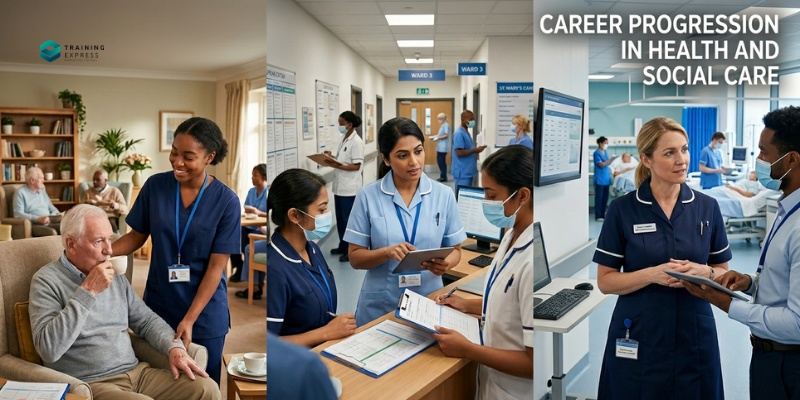
Starting in an entry-level role does not mean remaining in the same position long-term. Many professionals build a successful career in health and social care in the UK by gaining experience and continuing their training.
Possible career progression pathways include:
- Senior Care Worker
- Team Leader
- Care Coordinator
- Healthcare Assistant Supervisor
- Registered Manager
Some individuals also choose to specialise in areas such as mental health support, disability services, or elderly care.
With experience and further education, some professionals progress into nursing, social work, or healthcare management roles.
Start Your Journey in Health and Social Care
Starting a career in health and social care in the UK can open the door to meaningful work and long-term professional growth. With strong demand for skilled professionals across the UK, individuals who develop the right skills and knowledge can find many opportunities to make a positive difference in people’s lives.
For those looking to build confidence and develop a strong foundation in care principles, structured training can be an important step.
If you’re planning to start a career in the care sector, gaining the right training can make a significant difference. A Level 3 Diploma in Health and Social Care can help learners develop essential knowledge about safeguarding, communication, and person-centred care while preparing for real-world roles in the sector.
Whether you are starting a new career or looking to develop your existing experience, gaining the right training can help you move forward with confidence in the health and social care field.
Frequently Asked Questions (FAQ)
Can you work in health and social care without qualifications?
Yes, some entry-level roles may allow individuals to begin working without formal qualifications. However, employers often prefer candidates who are willing to complete relevant training to develop professional knowledge and skills.a
What qualifications are needed to work in health and social care?
Many professionals start with Level 2 or Level 3 qualifications in health and social care. These courses help learners understand safeguarding, communication, and person-centred care principles.
Is health and social care a good career in the UK?
Health and social care can be a rewarding career for individuals who enjoy helping others. The sector offers stable employment opportunities and pathways for professional development.
How long does it take to start a career in health and social care?
Entry-level roles can sometimes be accessed relatively quickly, especially when combined with short training courses or recognised qualifications that prepare individuals for care environments.
What qualifications do I need to work in health and social care in the UK?
Most employers prefer candidates who have completed a recognised qualification such as a Level 2 or Level 3 Diploma in Health and Social Care. These courses help learners develop knowledge about safeguarding, communication, and person-centred care.

Robert Lawrence
Author | Specialises in Health and Social Care
Robert Lawrence is an e-learning specialist and tutor at Training Express, with experience creating practical resources and strategies to support learners and enhance their professional development.