Food Hygiene
 Health & Safety
 Safeguarding
 First Aid
 Business Skills
 Personal Development
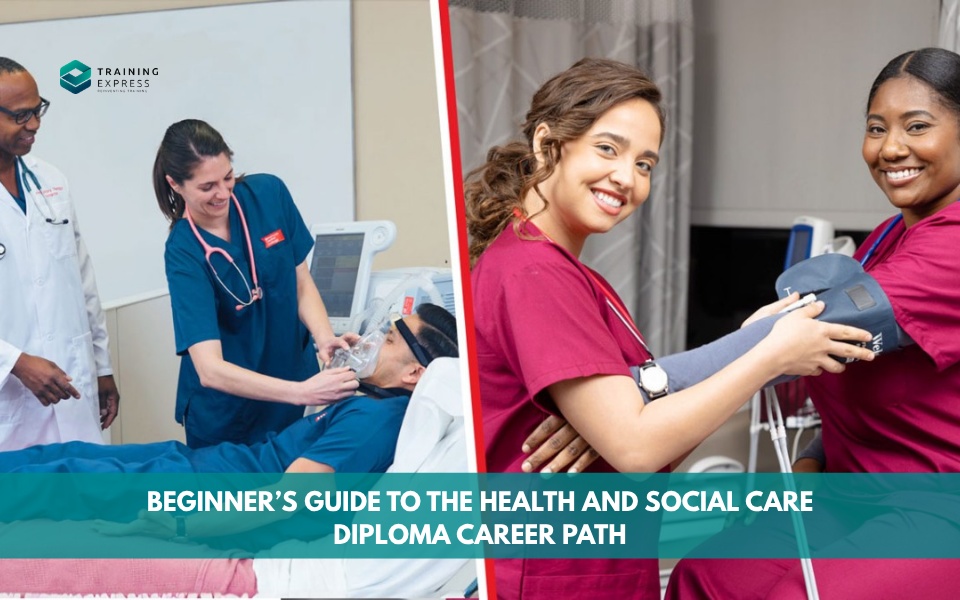

Have you ever wondered what it takes to build a meaningful career helping others live safer, healthier lives? Many people feel drawn to the health and social care sector but are unsure where to begin. The Health and Social Care Diploma offers a clear starting point for those who want to develop practical skills, understand care responsibilities, and progress into professional roles within healthcare and community services. From supporting vulnerable individuals to coordinating care within organisations, this qualification can open the door to a wide range of opportunities. This beginner’s guide explores what the diploma involves, the skills you can expect to learn, and how it can shape your long-term career in one of the most important and rapidly growing sectors today.
Table of Contents
Use Coupon Code:
Use this coupon at Checkout
Why Choose a Career in Health and Social Care
Choosing a career in health and social care is often motivated by a desire to support others and contribute to community wellbeing. Professionals in this sector assist individuals who may be elderly, vulnerable, ill, or in need of social support.
One of the main reasons many people choose this career is the opportunity to make a real difference in people’s lives. Care professionals provide essential assistance that improves quality of life and promotes independence.
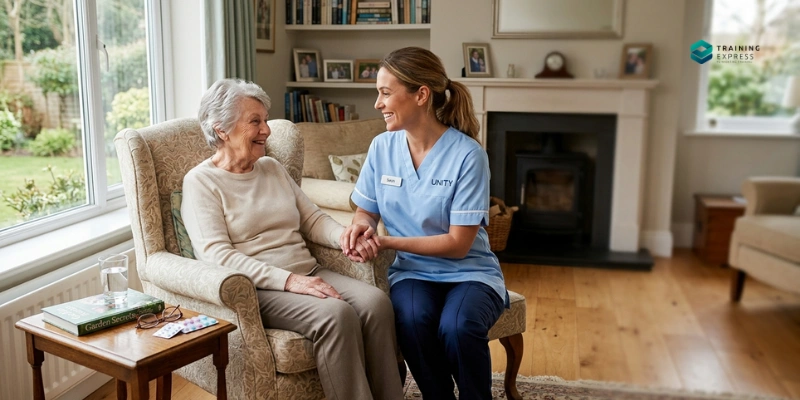
Another important factor is job stability. The demand for healthcare and social care professionals continues to grow due to aging populations and increasing awareness of mental and social wellbeing.
Health and social care careers also offer a wide variety of roles. Individuals may work in hospitals, residential care homes, community support services, rehabilitation centres, or even private healthcare settings.
For many beginners, completing a Health and Social Care Diploma provides the foundation needed to enter this diverse and meaningful field.
What Is a Health and Social Care Diploma
A Health and Social Care Diploma is a professional qualification designed to prepare individuals for roles in caregiving and community support services.
The course typically introduces students to the principles of safe and ethical care while developing practical knowledge about supporting individuals with different health and social needs.
Most diploma programs cover areas such as
- safeguarding vulnerable individuals
- communication within care environments
- health and safety practices
- understanding individual care needs
- professional responsibilities in care settings
Through these topics, learners gain an understanding of how healthcare and social care systems operate and how professionals contribute to patient wellbeing.
The diploma acts as a starting point for those who want to work directly with individuals in healthcare support roles.
Who Should Study a Health and Social Care Diploma
The Health and Social Care Diploma is suitable for a wide range of learners.
Many students choose this qualification because they are beginning their journey into healthcare or social services. The diploma provides structured learning that introduces the responsibilities of professional care.
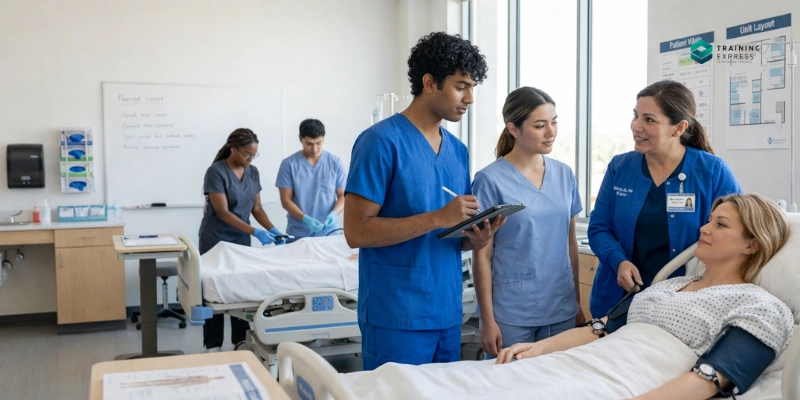
It can also benefit individuals who are already working in caregiving roles but want to gain formal qualifications. Having recognised training can increase confidence and improve career opportunities.
Additionally, people who are interested in supporting vulnerable communities often find this qualification valuable. The course helps learners understand the ethical responsibilities and professional standards expected in care environments.
Whether someone is new to the sector or seeking career development, the diploma offers an accessible starting point.
Key Skills Developed During the Diploma
A Health and Social Care Diploma does more than provide theoretical knowledge. It also helps learners develop essential professional skills.
Communication Skills
Effective communication is critical in care environments. Professionals must interact with patients, families, and healthcare teams while ensuring information is clear and supportive.
Safeguarding Awareness
Learners gain knowledge about protecting vulnerable individuals from abuse, neglect, or harm.
Empathy and Emotional Intelligence
Health and social care professionals must understand and respond to the emotional needs of those they support.
Care Planning
Students learn how to assess individual needs and contribute to structured care plans designed to support wellbeing and independence.
These skills form the foundation for professional practice within the sector.
Career Opportunities After Completing the Diploma
Completing a Health and Social Care Diploma can open the door to several entry-level and intermediate career opportunities.
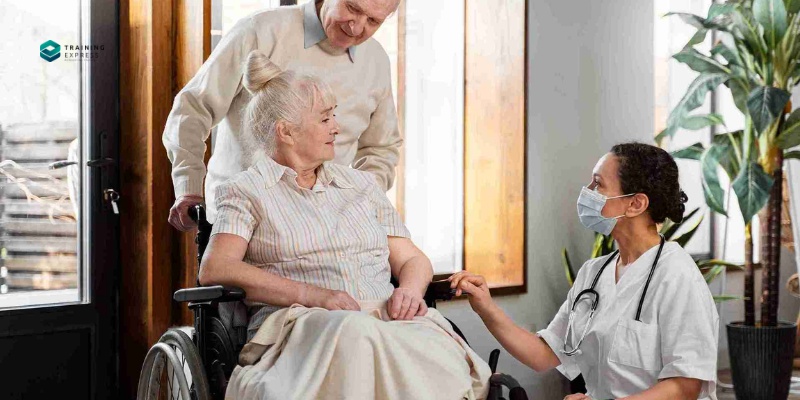
Some common roles include:
- Healthcare assistant
- Support worker
- Community care worker
- Residential care assistant
- Social care assistant
These roles involve working closely with individuals who require support in daily activities, healthcare management, or social services.
Many professionals use these roles as stepping stones toward more advanced positions within the healthcare system.
Progression Pathways in Health and Social Care
The Health and Social Care Diploma is often the beginning of a longer professional journey.
With experience and additional qualifications, professionals can progress into roles such as
- senior care worker
- care coordinator
- healthcare supervisor
- social care manager
Higher qualifications, such as Level 4 Health and Social Care, often focus on leadership and management within care environments.
This progression allows professionals to take on greater responsibilities while contributing to the development of care services.
Online vs Classroom Health and Social Care Diplomas
Modern education offers multiple ways to study a Health and Social Care Diploma.
Traditional classroom learning allows students to interact directly with instructors and classmates. Some learners prefer this structure because it provides immediate feedback and collaborative discussions.
Online learning has also become increasingly popular. Many institutions now offer health and social care courses online, allowing students to study from home while managing work or family commitments.
Both options can provide valuable learning experiences, as long as the course is delivered by a reputable provider.
Challenges and Rewards of Working in Health and Social Care
Working in health and social care can be both demanding and deeply rewarding.
Care professionals often support individuals facing health challenges, emotional difficulties, or social isolation. This responsibility requires patience, resilience, and compassion.
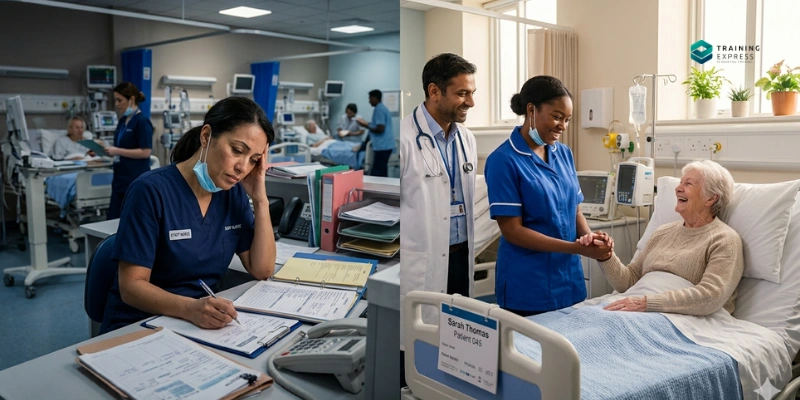
At the same time, the rewards of the profession can be significant. Helping someone regain independence, recover from illness, or feel supported during difficult moments can bring a strong sense of purpose.
Many professionals describe their careers in health and social care as meaningful because they contribute directly to improving people’s lives.
Tips for Starting Your Career in Health and Social Care
For those beginning the Health and Social Care Diploma career path, a few practical steps can make the journey easier.
Research different training providers to ensure the course is recognised and well-structured.
Look for programs that include practical learning elements such as case studies or real-world examples.
Develop strong communication and interpersonal skills, as these are essential in care environments.
Finally, remain open to learning from experience. Working with people from diverse backgrounds provides valuable insight that strengthens professional skills.
Final Thoughts
Starting a career in health and social care is about more than choosing a job—it is about committing to a profession built on compassion and responsibility. The Health and Social Care Diploma provides a strong foundation for beginners who want to support vulnerable individuals and improve community wellbeing.
With growing demand for skilled care professionals, this qualification can open doors to meaningful career opportunities while helping you develop the knowledge and skills needed to make a real difference in people’s lives.
Frequently Asked Questions (FAQ)
Is the Health and Social Care Diploma suitable for beginners?
Yes. Many diploma programs are designed for beginners who want to enter the healthcare or social care sector.
What jobs can I get with a Health and Social Care Diploma?
Graduates may work as healthcare assistants, support workers, community care workers, or residential care assistants.
Can I study a Health and Social Care Diploma online?
Yes. Many institutions offer health and social care courses online, allowing students to study flexibly.
Can the diploma lead to higher qualifications?
Yes. Many professionals progress to advanced qualifications such as Level 4 Health and Social Care or leadership training programs.

Robert Lawrence
Author | Specialises in Health and Social Care
Robert Lawrence is an e-learning specialist and tutor at Training Express, with experience creating practical resources and strategies to support learners and enhance their professional development.