Food Hygiene
 Health & Safety
 Safeguarding
 First Aid
 Business Skills
 Personal Development
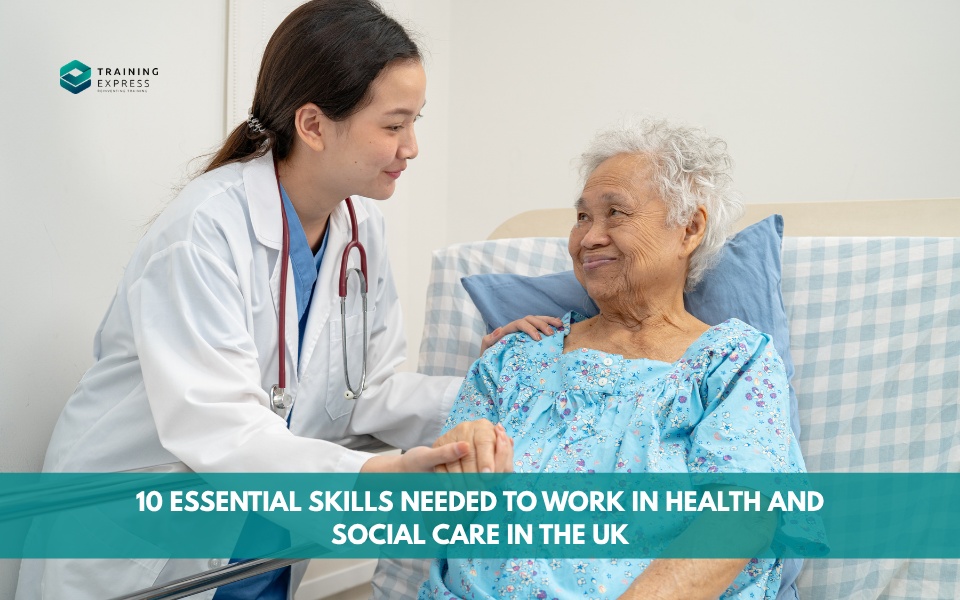

To work effectively in health and social care, professionals need strong communication skills, empathy, patience, teamwork, problem-solving ability, organisation, adaptability, attention to detail, professionalism, and emotional resilience. These skills help care workers support individuals safely while delivering person-centred care.
The health and social care sector plays a vital role in supporting individuals who require assistance with their physical, emotional, and social wellbeing. Professionals working in this field help people maintain independence, manage health conditions, and improve their quality of life.
This guide explores the 10 essential skills needed to work in health and social care, why these skills are important, and how individuals can develop them when starting a career in the UK care sector.
Table of Contents
Use Coupon Code:
Use this coupon at Checkout
Essential Skills for Health and Social Care Professionals
| Skill | Why It Matters in Care Work |
|---|---|
|
Communication |
Helps professionals understand individuals’ needs and share important information with colleagues. |
|
Empathy and Compassion |
Builds trust and helps individuals feel supported and respected. |
|
Patience |
Ensures individuals receive care at a pace that suits their needs. |
|
Teamwork |
Allows professionals to collaborate with nurses, therapists, and other care staff. |
|
Problem-Solving |
Helps care workers respond to unexpected challenges. |
|
Organisation |
Ensures tasks such as documentation and care planning are completed correctly. |
|
Adaptability |
Enables professionals to respond to changing care environments. |
|
Attention to Detail |
Helps identify small changes in an individual’s health or wellbeing. |
|
Respect and Professionalism |
Supports dignity and person-centred care. |
|
Emotional Resilience |
Helps professionals manage emotionally demanding situations. |
10 Essential Skills Needed to Work in Health and Social Care in the UK
Below are some of the most important skills needed to work in health and social care.
1. Communication Skills
Communication is one of the most important skills in the care sector. Health and social care professionals must communicate clearly with individuals receiving care, family members, and other professionals.
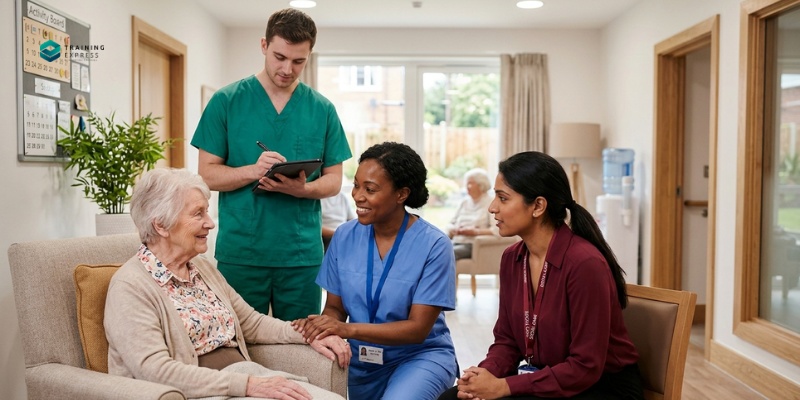
Effective communication may involve:
- listening carefully to individuals’ concerns
- explaining care procedures clearly
- providing reassurance and emotional support
- sharing important information with colleagues
Strong communication helps ensure that individuals feel understood and respected while receiving care
2. Empathy and Compassion
Empathy involves understanding the feelings and experiences of others. Compassion means responding to those feelings with kindness and support.
People working in care roles often support individuals who may feel vulnerable, anxious, or unwell. Demonstrating empathy and compassion helps build trust and creates a supportive environment for those receiving care.
3. Patience
Health and social care professionals often work with individuals who require additional time and understanding. Some individuals may have physical limitations, learning disabilities, or health conditions that make daily activities more challenging.
Patience allows care workers to respond calmly and respectfully, ensuring that individuals receive the support they need without feeling rushed or pressured.
4. Teamwork
Care environments usually involve teams of professionals working together to support individuals. These teams may include nurses, doctors, therapists, support workers, and social workers.

Teamwork skills help professionals:
- coordinate care plans
- share important information
- maintain consistent support for individuals
- respond effectively to changing needs
Strong teamwork contributes to safer and more organised care environments.
5. Problem-Solving Skills
Care professionals often encounter situations that require quick thinking and practical solutions. For example, a care worker may need to respond to unexpected health concerns, changes in behaviour, or challenges related to daily activities.
Problem-solving skills allow professionals to assess situations carefully and take appropriate action while maintaining safety and well-being.
6. Organisation and Time Management
Health and social care professionals often manage multiple responsibilities throughout the day. These may include assisting with personal care, monitoring individuals’ health, documenting care activities, and communicating with other professionals.
Organisation and time management skills help ensure that tasks are completed efficiently while maintaining high standards of care.
These abilities are some of the most important skills needed to work in health and social care, helping professionals deliver safe and effective support.
7. Adaptability
Health and social care environments can change quickly. Care professionals may need to respond to new situations, different individuals’ needs, or unexpected challenges during their work.
Adaptability allows professionals to remain flexible and adjust their approach while maintaining safe and effective care.
8. Attention to Detail
Attention to detail is important when supporting individuals in care environments. Small observations can sometimes help identify changes in a person’s health or well-being.
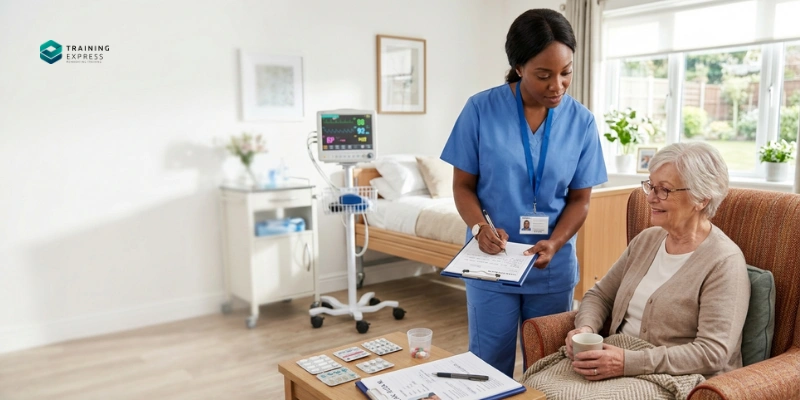
Care professionals must pay close attention when:
- monitoring health conditions
- recording care activities
- following care plans
- reporting concerns to supervisors
This helps ensure that individuals receive appropriate support.
9. Respect and Professionalism
Health and social care workers support people from many different backgrounds and cultures. Respecting individual values, preferences, and dignity is an essential part of delivering person-centred care.
Professional behaviour helps build trust between care professionals and those they support.
10. Emotional Resilience
Health and social care roles can be emotionally demanding, as professionals often support individuals facing illness, disability, or challenging life circumstances.
Emotional resilience helps workers manage stress, remain professional, and continue providing compassionate support.
Many individuals develop these skills while completing recognised training such as a Level 3 Diploma in Health and Social Care, which helps learners understand safeguarding, communication, and person-centred care practices.
What Is Health and Social Care?
Health and social care refers to services that support individuals who require assistance with their health, daily activities, and overall well-being. These services may involve medical treatment, personal care, emotional support, or helping people maintain independence in their everyday lives.

Professionals working in health and social care may support:
- Older adults
- Individuals with disabilities
- People recovering from illness or injury
- Individuals with mental health conditions
- Children and vulnerable adults
Care services are delivered in a variety of settings, including hospitals, care homes, supported living services, and community care environments.
People working in health and social care often collaborate with nurses,
Why Skills Are Important in Health and Social Care
Health and social care professionals frequently work with individuals who rely on them for both physical support and emotional reassurance. Because of this, the ability to demonstrate strong personal and professional skills is essential.
Having the right skills helps care professionals:
- Communicate effectively with individuals and families
- Understand and respond to different needs
- Work safely in care environments
- Provide compassionate and respectful support
- Collaborate with healthcare teams
Developing the right skills needed to work in health and social care helps professionals deliver safe, respectful, and person-centred care. Employers often prioritise candidates who demonstrate these skills because they contribute to safe and effective care.
How These Skills Are Used in Daily Care Work
In real care environments, these skills are used constantly. For example, a healthcare assistant in a hospital may use communication and empathy to reassure a patient before a medical procedure. A support worker in a residential care home may rely on patience and problem-solving skills when helping individuals manage daily routines.
These practical situations highlight why strong personal skills are just as important as professional training in health and social care.
Where These Skills Are Used in Health and Social Care Jobs
The skills required in health and social care are used in a wide range of professional environments.

Common workplaces include:
- NHS hospitals
- Residential care homes
- Nursing homes
- Supported living services
- Community care organisations
- Private healthcare providers
- Local authority social care services
Professionals in these environments rely on strong interpersonal and practical skills to provide safe and effective care.
How to Develop Skills for Health and Social Care
While some personal qualities may come naturally, many skills used in care environments can be developed through training and experience.
Individuals interested in building these skills may consider:
- Completing relevant training courses
- Gaining work experience in care settings
- Volunteering with community support organisations
- Learning from experienced professionals in the sector
If you are planning on starting a career in health and social care in the UK, developing these skills can help you prepare for entry-level roles.
Structured training programmes can also help individuals develop knowledge about safeguarding, communication, and person-centred care practices.
For individuals interested in developing professional knowledge, a Level 3 Diploma in Health and Social Care can help learners understand key care principles and prepare for roles within the sector.
Demand for Health and Social Care Workers in the UK

The demand for health and social care professionals continues to grow across the UK.
With an ageing population and increasing healthcare needs, organisations frequently recruit:
- Care assistants
- Healthcare assistants
- Support workers
This makes the sector an attractive career option for individuals who want to support vulnerable people while building long-term professional opportunities.
Career Opportunities in Health and Social Care
Developing these skills can lead to a wide range of health and social care jobs in the UK. Understanding these skills can also help you explore what jobs you can get with a Level 3 Diploma in Health and Social Care.
Common roles include:
- Care Assistant
- Healthcare Assistant
- Support Worker
- Residential Care Worker
- Community Care Worker
With experience and further training, professionals may progress into senior or leadership roles such as:
- Senior Care Worker
- Team Leader
- Care Coordinator
- Healthcare Supervisor
- Registered Manager
These opportunities make the sector attractive for individuals interested in building long-term careers in care.
Start Your Career in Health and Social Care
Working in the care sector offers the opportunity to support individuals, improve community wellbeing, and build meaningful professional relationships. Developing strong communication, empathy, and teamwork skills is essential for providing effective care.
Training can also help individuals build confidence and professional knowledge. A Level 3 Diploma in Health and Social Care can help learners understand safeguarding, communication, and person-centred care while preparing for roles in the sector.
Whether you are starting a new career or building on existing experience, developing the right skills can help you build a rewarding career in health and social care.
Frequently Asked Questions (FAQ)
What skills are needed to work in health and social care?
Key skills include communication, empathy, patience, teamwork, organisation, and problem-solving. These skills help professionals support individuals safely and effectively.
Can you work in health and social care without qualifications?
Some entry-level roles may not require formal qualifications, but employers often prefer candidates who are willing to complete relevant training to develop professional knowledge and skills.
What qualities make a good care worker?
Good care workers are compassionate, patient, reliable, and able to communicate effectively with individuals and colleagues.
How can I develop health and social care skills?
Skills can be developed through training courses, work experience, volunteering, and professional learning within care environments.
What skills do employers look for in care workers in the UK?
Employers typically look for communication skills, empathy, patience, teamwork, reliability, and the ability to follow care plans while maintaining professional standards.

Robert Lawrence
Author | Specialises in Health and Social Care
Robert Lawrence is an e-learning specialist and tutor at Training Express, with experience creating practical resources and strategies to support learners and enhance their professional development.