Food Hygiene
 Health & Safety
 Safeguarding
 First Aid
 Business Skills
 Personal Development
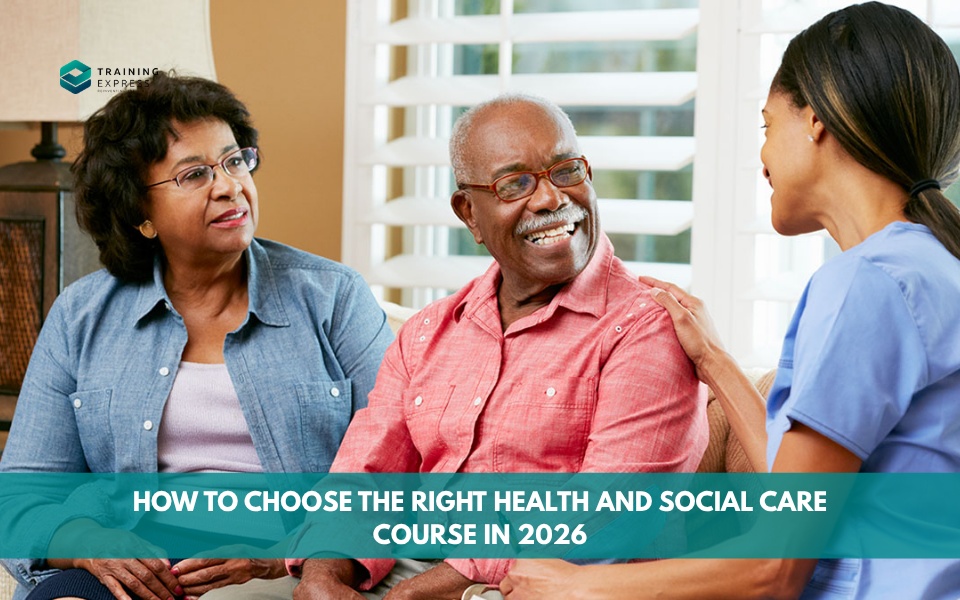

Choosing a career in care often begins with a simple question—where do you start? The health and social care sector offers meaningful work, but with so many courses, diplomas, and training programs available, selecting the right one can feel overwhelming. From introductory certificates to advanced Level 3 Health and Social Care qualifications, each course promises different skills, career opportunities, and learning paths. The challenge is not just finding a course, but finding the one that truly supports your goals. Should you study online or in person? Is a diploma better than a certificate? And which qualification will employers actually value? This guide explores the key factors every learner should consider before enrolling in a health and social care course in 2026, helping you make a confident and informed decision about your future in this growing and impactful profession.
Table of Contents
Level 3 Health and Social Care Course for just £8!
You won’t find this deal anywhere else!
Take The CourseUse Coupon Code:
Use this coupon at Checkout
Why Choosing the Right Health and Social Care Course Matters
Many people are drawn to health and social care for a simple reason. They want to make a meaningful difference in the lives of others.
But entering this field begins with an important decision — choosing the right health and social care course.
Not all courses are the same. Some focus on basic caregiving skills, while others prepare learners for leadership roles within healthcare organisations, community services, or residential care environments.
The course you choose can shape your professional path for years to come.
A well-structured health and social care qualification can build confidence, develop practical skills, and open doors to stable employment. On the other hand, choosing the wrong course may leave learners with incomplete knowledge or qualifications that employers do not fully recognise.
The key is understanding what different courses offer and how they align with your long-term goals.
Understanding Different Health and Social Care Qualifications
Before enrolling in any program, it helps to understand the different types of qualifications available.

Health and Social Care Certificate
Certificates are usually introductory courses. They provide foundational knowledge about care practices, safeguarding, communication, and patient support.
These programs are often ideal for individuals who are new to the sector.
Health and Social Care Diploma
A health and social care diploma typically provides more comprehensive training. Students learn about care planning, ethics, safeguarding procedures, and professional responsibilities.
Diploma programs are often valued by employers because they indicate a deeper level of preparation.
Advanced Health and Social Care Qualifications
Higher-level courses focus on leadership and management within healthcare environments. These programs prepare learners to supervise teams, coordinate care services, and contribute to organisational planning.
Understanding these levels helps learners select a qualification that matches their career ambitions.
Online Health and Social Care Courses: Are They Worth It?
Online learning has transformed education across many sectors, including healthcare training.
Today, many learners choose health and social care courses online because they offer flexibility and accessibility.
Online programs allow students to study at their own pace while balancing work or family commitments. Many courses include interactive materials, video lectures, and digital assessments.
However, learners should ensure that online courses still provide comprehensive content and credible certification.
A well-designed online health and social care course can offer the same level of knowledge and professional value as traditional classroom training.
Level 3 Health and Social Care: Who Is It For?
The Level 3 Health and Social Care qualification is designed for individuals who want to progress into more skilled and responsible roles within the care sector. It is ideal for learners with some experience in care who want to build their knowledge, confidence, and career opportunities. The course covers key areas such as communication, safeguarding, legal responsibilities, risk management, and person-centred care, helping learners understand how to work safely, ethically, and effectively in real healthcare environments.
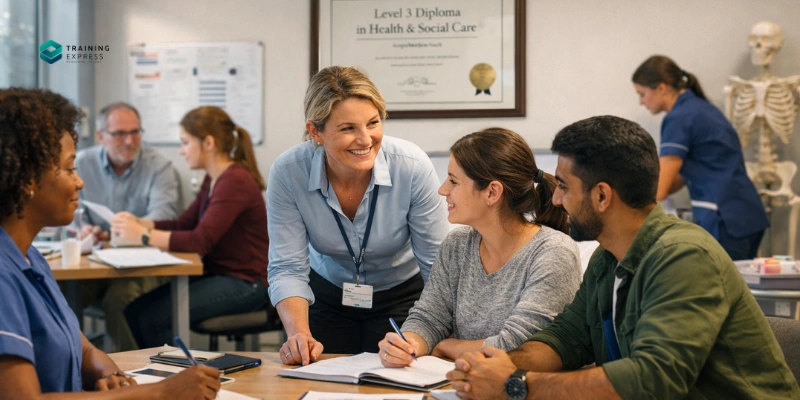
You will study key topics such as:
- Communication and its importance in care settings
- Safeguarding vulnerable individuals
- Health and safety responsibilities
- Risk management in health and social care
- Equality, diversity, and human rights
- Legal, professional, and ethical standards
- Infection prevention and control
- Medication management and administration
- Mental health care and support
- Basic life support and resuscitation
This qualification is suitable for aspiring care workers, support staff, and healthcare professionals who want to take the next step in their careers. It prepares learners for more senior responsibilities, helping them deliver safe, effective, and compassionate care in a wide range of health and social care settings.
What Skills a Good Health and Social Care Course Should Teach
A strong health and social care training program develops both practical knowledge and interpersonal skills.
Communication
Care professionals must communicate effectively with patients, families, and multidisciplinary teams.
Safeguarding Awareness
Understanding how to protect vulnerable individuals from abuse or neglect is central to responsible care.
Emotional Intelligence
Working in health and social care requires empathy, patience, and the ability to support individuals experiencing difficult circumstances.
Care Planning
Professionals must understand how to assess needs and develop personalised care plans.
Courses that emphasise these skills help learners become capable, confident, and compassionate care providers.
How to Identify a High-Quality Health and Social Care Training Provider
Choosing the right course also means evaluating the organisation delivering it.
Consider the following factors.
Accreditation
Courses should be recognised by educational or professional bodies within the healthcare sector.
Curriculum Quality
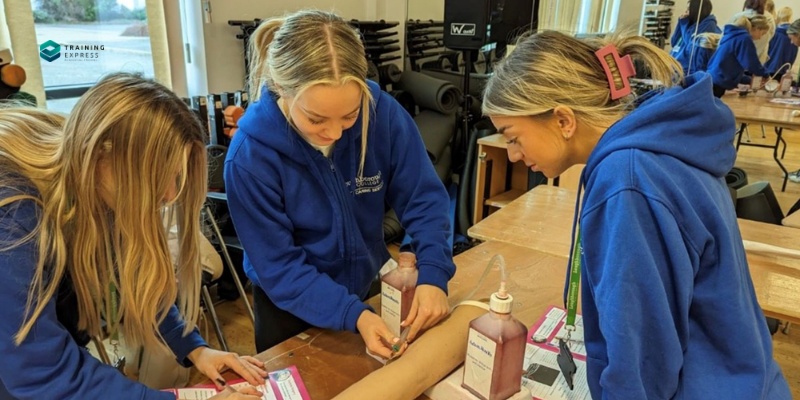
A well-designed program should include practical scenarios, case studies, and real-world applications.
Instructor Expertise
Courses taught by professionals with experience in healthcare, social work, or community services often provide deeper insight.
Student Support
Quality providers offer guidance, mentoring, and learning resources to help students succeed.
These factors can significantly influence the value of a health and social care qualification.
Common Mistakes When Choosing a Health and Social Care Course
Many learners rush into enrolling in courses without fully researching their options.
Some common mistakes include
Choosing courses based only on price
Ignoring accreditation or recognition
Not reviewing the full course curriculum
Selecting programs that do not align with career goals
Taking time to compare different health and social care courses online can help learners make more informed decisions.
How the Right Course Can Shape Your Career

Education often serves as the foundation for long-term professional growth.
The right health and social care diploma can open doors to a wide range of career opportunities, including:
- Healthcare assistant
- Community support worker
- Residential care worker
- Care coordinator
- Social care manager
Beyond employment, these roles provide the opportunity to positively impact the lives of individuals, families, and communities.
For many professionals, working in health and social care is not simply a job. It is a commitment to helping others live healthier, safer, and more supported lives.
Final Thought
Choosing the right health and social care course is not simply an educational decision. It is the beginning of a professional journey.
Behind every qualification lies the potential to support vulnerable individuals, strengthen communities, and contribute to a healthcare system that values compassion as much as knowledge.
For learners who feel drawn to this field, the right course can be the first step toward a career built on purpose, responsibility, and meaningful human connection.
Frequently Asked Questions (FAQ)
What is a health and social care course?
A health and social care course provides education and training for individuals who want to work in healthcare support, community services, or social care environments.
What is a health and social care diploma?
A diploma is a professional qualification that covers key areas such as safeguarding, care planning, communication, and ethical practice in healthcare settings.
Can I study health and social care courses online?
Yes. Many institutions offer flexible health and social care courses online, allowing learners to study remotely.
What is Level 3 Health and Social Care?
Level 3 is an advanced qualification that focuses on leadership and management responsibilities within care environments.

Robert Lawrence
Author | Specialises in Health and Social Care
Robert Lawrence is an e-learning specialist and tutor at Training Express, with experience creating practical resources and strategies to support learners and enhance their professional development.