Food Hygiene
 Health & Safety
 Safeguarding
 First Aid
 Business Skills
 Personal Development
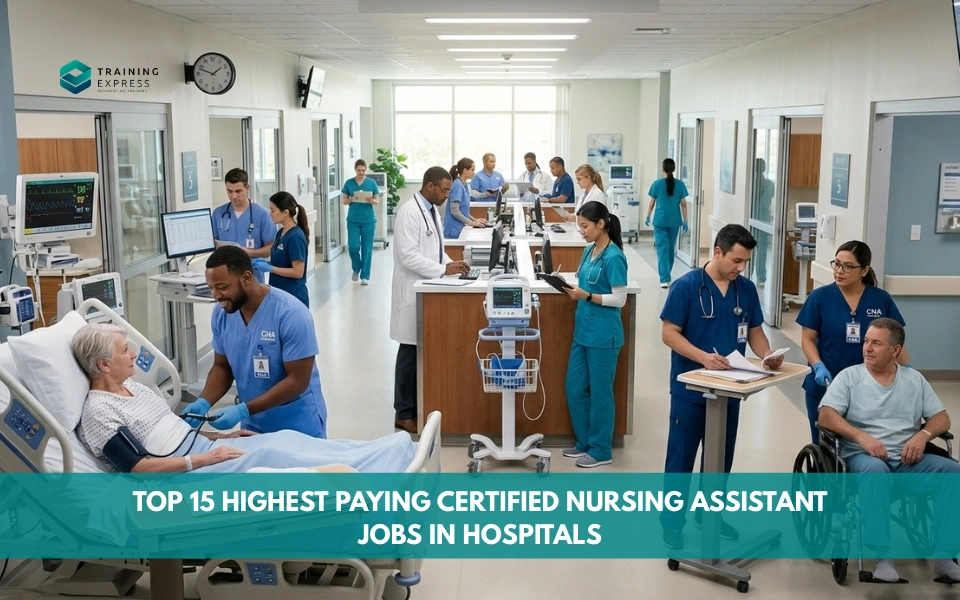
Healthcare systems across the world are facing a growing demand for skilled support professionals, and Certified Nursing Assistants (CNAs) are right at the heart of that demand. In 2026, hospitals are hiring more CNAs than ever before as patient populations increase and healthcare services expand.
Many people assume that nursing assistants earn modest salaries, but the reality is quite different in hospital environments. Some of the highest paying CNA jobs in hospitals now offer competitive salaries, shift differentials, and career advancement opportunities that make them highly attractive entry points into healthcare.
For those exploring Certified Nursing Assistant jobs 2026, understanding which hospital departments pay the most can make a big difference. From ICU units to oncology wards, hospital CNA careers now offer diverse pathways that combine strong income potential with meaningful patient care.
Top 15 Highest Paying Certified Nursing Assistant Jobs in Hospitals
| Job Role | Average Salary (US) | Average Salary (UK) |
|---|---|---|
| Intensive Care Unit (ICU) CNA | $34,000 – $45,000 | £23,000 – £30,000 |
| Telemetry / Cardiac CNA | $35,000 – $46,000 | £24,000 – £31,000 |
| Emergency Room (ER) CNA | $36,000 – $48,000 | £24,500 – £32,000 |
| Operating Room (OR) / Surgical CNA | $35,000 – $47,000 | £24,000 – £31,500 |
| Medical-Surgical Unit (Med-Surg) CNA | $32,000 – $43,000 | £22,500 – £29,500 |
| Float Pool CNA | $37,000 – $50,000 | £25,000 – £33,000 |
| Nurse Aide Evaluator / CNA Educator | $40,000 – $55,000 | £27,000 – £36,000 |
| Charge CNA / Lead CNA | $38,000 – $52,000 | £26,000 – £34,000 |
| Acute Care CNA | $35,000 – $46,000 | £24,000 – £31,000 |
| Rehabilitation CNA | $34,000 – $45,000 | £23,500 – £30,500 |
| Palliative / Hospice Support CNA | $35,000 – $47,000 | £24,000 – £31,500 |
| Transplant / Oncology Unit CNA | $38,000 – $50,000 | £25,000 – £33,500 |
| Cardiac Cath Lab CNA | $39,000 – $52,000 | £25,500 – £34,000 |
| Step-Down / Progressive Care Unit CNA | $36,000 – $48,000 | £24,500 – £32,500 |
| Orthopedics / Trauma Unit CNA | $35,000 – $47,000 | £24,000 – £31,500 |
Get Our Nursing Assistant Diploma for just £8 Today!
You won’t find this deal anywhere else!
Take The CourseUse Coupon Code:
Use this coupon at Checkout
1. Intensive Care Unit (ICU) CNA
An ICU CNA works in one of the most critical hospital environments where patients require constant monitoring due to severe illness, trauma, or complex surgeries. Intensive Care Units rely on strong teamwork between nurses, doctors, respiratory therapists, and CNAs to provide life-saving care. Because the patient acuity is high, ICU CNAs are often among the highest paid hospital nursing assistants.
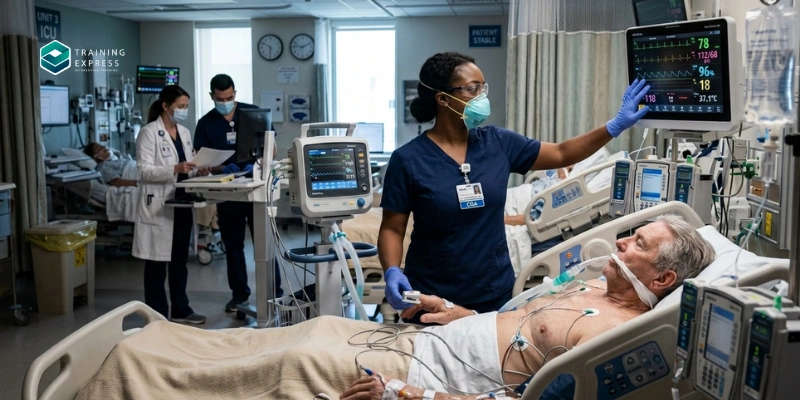
Daily duties include monitoring vital signs, assisting with patient hygiene, repositioning patients to prevent pressure sores, and maintaining sterile environments around life-support equipment. ICU CNAs must stay calm under pressure and quickly report changes in patient conditions to nurses.
Average salary and requirements
- Average salary US : $34,000 – $45,000 per year
- Average salary UK : £23,000 – £30,000 per year
- Salary source US & UK: NHS Agenda for Change Pay Bands, BLS, Indeed
- Key skills: patient monitoring, infection control, teamwork
- Certifications: Level 3 Diploma in Health and Social Care, Basic Life Support (BLS)
2. Telemetry / Cardiac CNA
Telemetry or Cardiac CNA works in specialized units that continuously monitor patients with heart conditions using cardiac monitoring technology. These wards typically care for patients recovering from heart attacks, arrhythmias, or cardiac surgeries. Because of the technical environment, these CNA roles often offer higher pay than general wards.
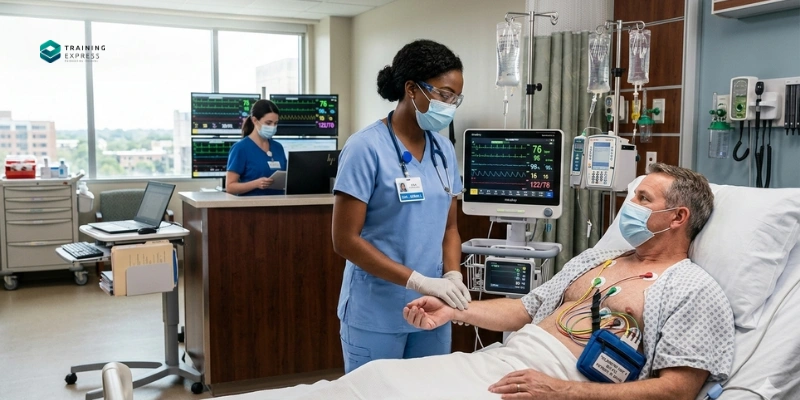
The CNA supports nurses by monitoring patient vital signs, assisting with mobility, and reporting any irregularities in heart monitoring equipment. Although they don’t interpret ECG results, familiarity with cardiac equipment helps improve patient safety and makes these assistants valuable members of the care team.
Average salary and requirements
- Average salary US: $35,000 – $46,000 per year
- Average salary UK: £24,000 – £31,000 per year
- Salary source US & UK: PayScale, BLS, Indeed UK Salary Data, NHS Pay Bands
- Key skills: patient observation, cardiac monitoring awareness
- Certifications: Nursing Assistant Diploma, BLS, ECG awareness training
Read Now: Top 20 Highest Paying Jobs UK 2026 | Earn Up to £200K
3. Emergency Room (ER) CNA
An Emergency Room CNA works in a fast-paced department where patients arrive with a wide range of urgent medical conditions. The ER environment is unpredictable and requires quick thinking, teamwork, and resilience. Because of the demanding nature of emergency care, ER CNAs often earn higher wages compared to other hospital assistants.
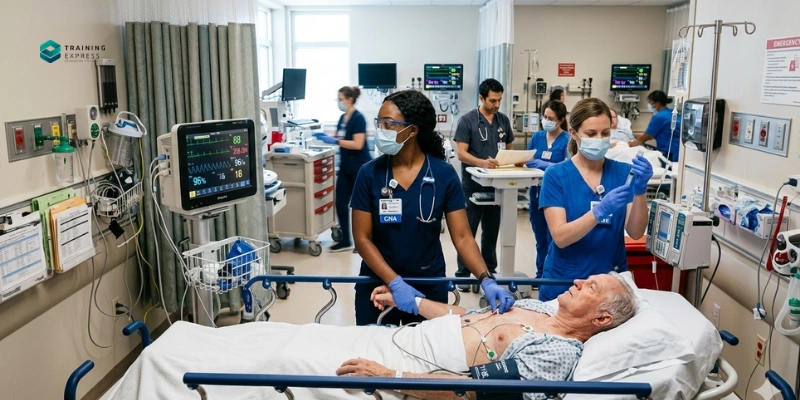
Daily tasks include recording vital signs, transporting patients to imaging departments, assisting nurses during emergency procedures, and preparing treatment rooms. ER CNAs must stay calm during stressful situations while helping medical teams deliver rapid and effective patient care.
Average salary and requirements
- Average salary US: $36,000 – $48,000 per year
- Average salary UK: £24,500 – £32,000 per year
- Salary source: Glassdoor UK, Indeed
- Key skills: multitasking, emergency awareness, teamwork
- Certifications: Nursing Assistant Diploma, BLS, emergency care training
4. Operating Room (OR) / Surgical CNA
An Operating Room CNA assists medical teams in highly controlled surgical environments. These professionals help prepare operating theatres before procedures and ensure sterile conditions are maintained during surgeries. Because surgical environments require strict protocols, hospitals often pay OR CNAs higher than general ward assistants.
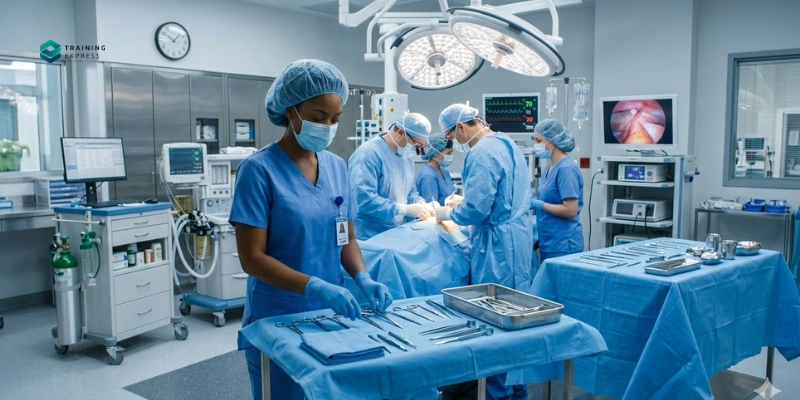
Typical responsibilities include preparing surgical equipment, assisting with patient transport, maintaining sterile fields, and supporting nurses during operations. This role offers valuable exposure to surgical procedures and can lead to advanced careers such as surgical technologist or registered nurse.
Average salary and requirements
- Average salary US: $35,000 – $47,000 per year
- Average salary UK: £24,000 – £31,500 per year
- Salary source US & UK: PayScale, Glassdoor, NHS Pay Scale, Prospects UK
- Key skills: sterile procedures, organization, teamwork
- Certifications: Level 3 Health and Social Care, Infection Control Training
5. Medical-Surgical Unit (Med-Surg) CNA
The Med-Surg unit is one of the busiest areas in hospitals, caring for patients recovering from surgeries or medical conditions. These units provide CNAs with broad clinical experience because they interact with patients who have a wide range of health issues.

Med-Surg CNAs assist with patient hygiene, mobility, meal support, and vital sign monitoring. Although the workload can be heavy, the experience gained in these wards is extremely valuable for career growth in healthcare.
Average salary and requirements
- Average salary US: $32,000 – $43,000 per year
- Average salary UK: £22,500 – £29,500 per year
- Salary source US & UK: PayScale, NHS Jobs Salary Data, Indeed UK
- Key skills: patient care, observation, communication
- Certifications: Care Certificate, CNA training, BLS
6. Float Pool CNA
A Float Pool CNA works across multiple hospital departments rather than staying in one unit. They may assist in surgical wards, emergency rooms, or rehabilitation units depending on staffing needs. Because of this flexibility, float CNAs often receive higher pay and additional shift allowances.
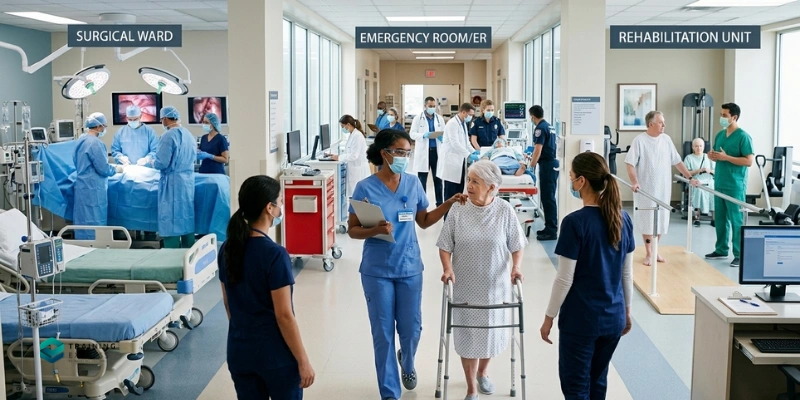
The role requires adaptability and quick learning since each department operates differently. Hospitals value float pool assistants because they help fill staffing gaps while maintaining consistent patient care across departments.
Average salary and requirements
- Average salary US: $37,000 – $50,000 per year
- Average salary UK: £25,000 – £33,000 per year
- Salary source US & UK: Indeed, PayScale, NHS Staffing Reports, Glassdoor UK
- Key skills: adaptability, teamwork, fast learning
- Certifications: CNA certification, Care Certificate, BLS
7. Nurse Aide Evaluator / CNA Educator
A CNA Educator focuses on training and evaluating new nursing assistants rather than providing direct bedside care. Hospitals and training centers rely on experienced CNAs to teach clinical procedures and ensure students meet professional healthcare standards.

Responsibilities include demonstrating patient care techniques, assessing trainee performance, and updating staff on healthcare regulations. Because the role requires experience and teaching skills, CNA educators often earn higher salaries than standard hospital assistants.
Average salary and requirements
- Average salary US: $40,000 – $55,000 per year
- Average salary UK: £27,000 – £36,000 per year
- Salary source US & UK: PayScale, Glassdoor, NHS Careers, Prospects UK
- Key skills: teaching, mentorship, clinical knowledge
- Certifications: advanced CNA certification, assessor qualification
8. Charge CNA / Lead CNA
A Lead or Charge CNA supervises other nursing assistants while still providing patient care. They help coordinate shift duties, train new staff members, and ensure the ward operates efficiently. Because of these leadership responsibilities, lead CNAs typically earn higher wages.
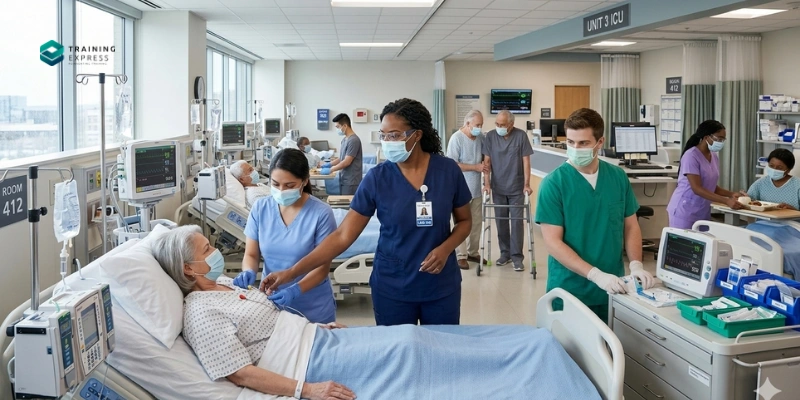
A Lead or Charge CNA supervises other nursing assistants while still providing patient care. They help coordinate shift duties, train new staff members, and ensure the ward operates efficiently. Because of these leadership responsibilities, lead CNAs typically earn higher wages.
This role requires strong communication and organizational skills since they act as a link between nurses and support staff. Lead CNAs also help maintain team morale and assist in resolving minor workplace issues.
Average salary and requirements
- Average salary US: $38,000 – $52,000 per year
- Average salary UK: £26,000 – £34,000 per year
- Salary source US & UK: BLS, PayScale, NHS Band Pay Data
- Key skills: leadership, communication, problem-solving
- Certifications: CNA certification, leadership training
9. Acute Care CNA
An Acute Care CNA assists patients who require short-term but intensive medical care. These patients may be recovering from serious illnesses or surgeries that require close monitoring and support.
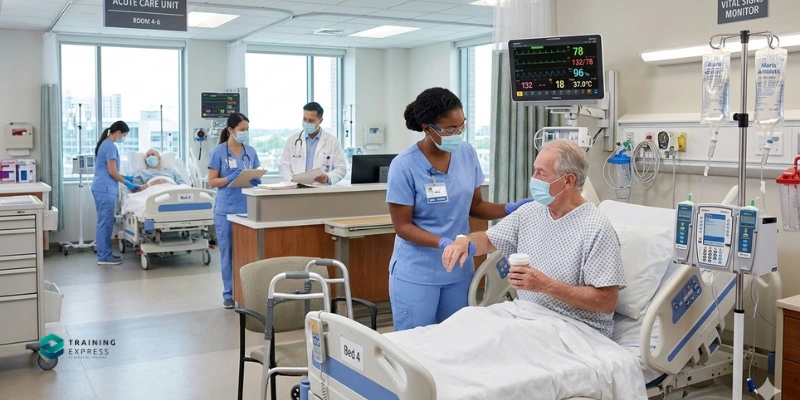
Responsibilities include helping patients with hygiene, mobility assistance, vital sign monitoring, and reporting health changes to nurses. Acute care units provide valuable experience for CNAs interested in advancing their healthcare careers.
Average salary and requirements
- Average salary US: $35,000 – $46,000 per year
- Average salary UK: £24,000 – £31,000 per year
- Salary source US & UK: Indeed, PayScale, NHS Workforce Statistics
- Key skills: patient observation, empathy, teamwork
- Certifications: CNA certification, BLS
10. Rehabilitation CNA
A Rehabilitation CNA supports patients recovering from injuries, surgeries, or strokes that affect mobility. These units focus on helping patients regain independence through therapy and physical activity.

CNAs assist with mobility exercises, daily care routines, and therapy sessions supervised by physiotherapists. This role can be rewarding because caregivers often witness patients gradually regain strength and independence.
Average salary and requirements
- Average salary US: $34,000 – $45,000 per year
- Average salary UK: £23,500 – £30,500 per year
- Salary source US & UK: PayScale, BLS, NHS Jobs Salary Data
- Key skills: patience, mobility assistance, teamwork
- Certifications: CNA certification, manual handling training
11. Palliative / Hospice Support CNA
A Palliative Care CNA focuses on comfort and quality of life for patients with serious or terminal illnesses. These professionals provide compassionate care and emotional support to both patients and their families.

Daily duties include hygiene care, repositioning patients for comfort, and offering companionship. The role requires empathy and emotional resilience because caregivers support individuals during difficult stages of illness.
Average salary and requirements
- Average salary US: $35,000 – $47,000 per year
- Average salary UK: £24,000 – £31,500 per year
- Salary source US & UK: PayScale, Indeed, NHS Pay Bands
- Key skills: compassion, communication, emotional resilience
- Certifications: CNA certification, palliative care training
12. Transplant / Oncology Unit CNA
An Oncology or Transplant CNA works with patients undergoing cancer treatments or organ transplant recovery. These patients often require strict infection control due to weakened immune systems.
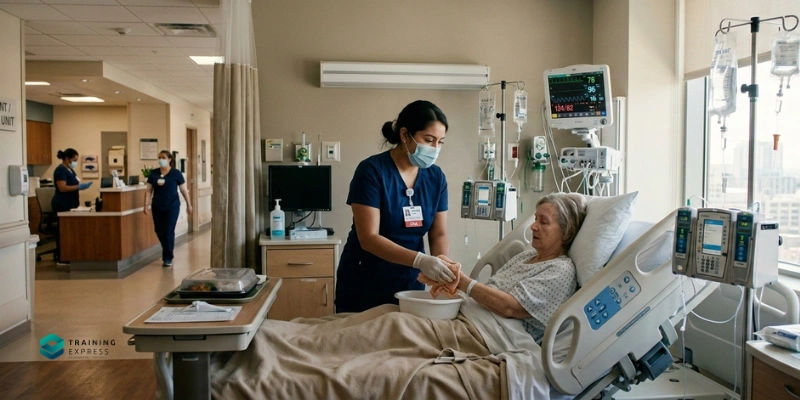
Responsibilities include assisting with hygiene, monitoring patient conditions, and ensuring sterile environments. This specialized field provides meaningful patient interaction and valuable experience in advanced medical care.
Average salary and requirements
- Average salary US: $38,000 – $50,000 per year
- Average salary UK: £25,000 – £33,500 per year
- Salary source US & UK: PayScale, Glassdoor, NHS Careers Data
- Key skills: infection control awareness, empathy
- Certifications: CNA certification, oncology care training
13. Cardiac Cath Lab CNA
A Cardiac Cath Lab CNA assists during procedures that diagnose or treat heart conditions, such as angiograms or stent placements. These roles involve working closely with cardiologists and nurses in highly technical medical environments.
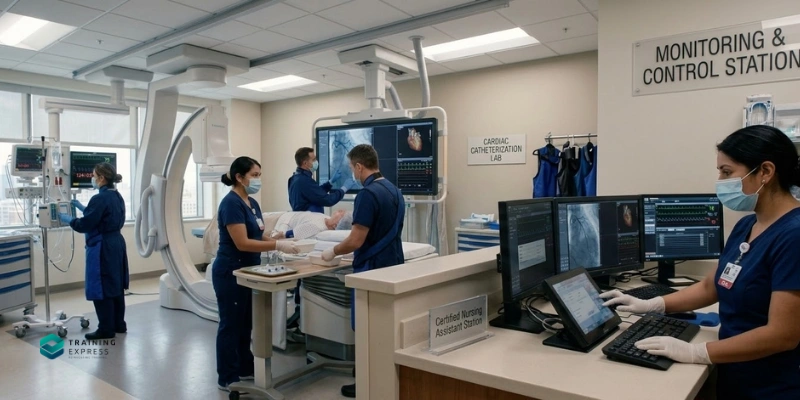
CNAs help prepare patients, organize medical equipment, and maintain sterile procedure rooms. Exposure to advanced cardiac treatments makes this role both educational and financially rewarding.
Average salary and requirements
- Average salary US: $39,000 – $52,000 per year
- Average salary UK: £25,500 – £34,000 per year
- Salary source US & UK: Indeed, PayScale, NHS Workforce Salary Reports
- Key skills: technical awareness, attention to detail
- Certifications: CNA certification, infection control training
14. Step-Down / Progressive Care Unit CNA
A Step-Down CNA cares for patients who are stable enough to leave the ICU but still require close monitoring. These units serve as a transitional stage before patients move to general hospital wards.
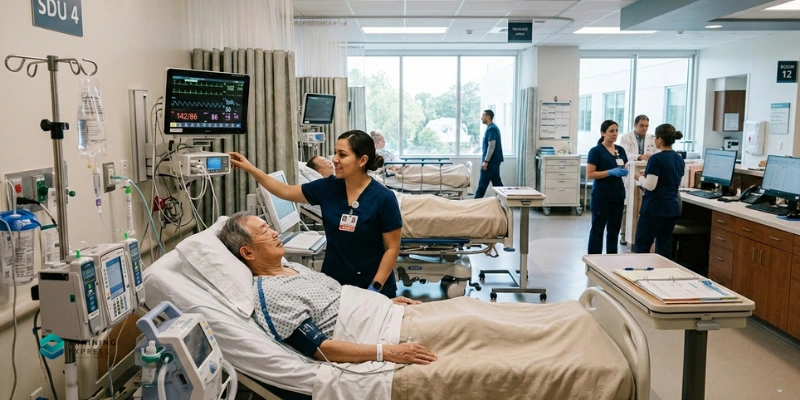
CNAs assist with patient observation, vital signs monitoring, and mobility support. Working in progressive care units allows assistants to gain experience with moderately critical patients while building clinical skills.
Average salary and requirements
- Average salary US: $36,000 – $48,000 per year
- Average salary UK: £24,500 – £32,500 per year
- Salary source US & UK: PayScale, BLS, NHS Pay Bands
- Key skills: observation, teamwork, adaptability
- Certifications: CNA certification, BLS
15. Orthopedics / Trauma Unit CNA
An Orthopedics or Trauma CNA supports patients recovering from fractures, injuries, or orthopedic surgeries. These departments treat patients who require assistance with mobility and rehabilitation after accidents or operations.
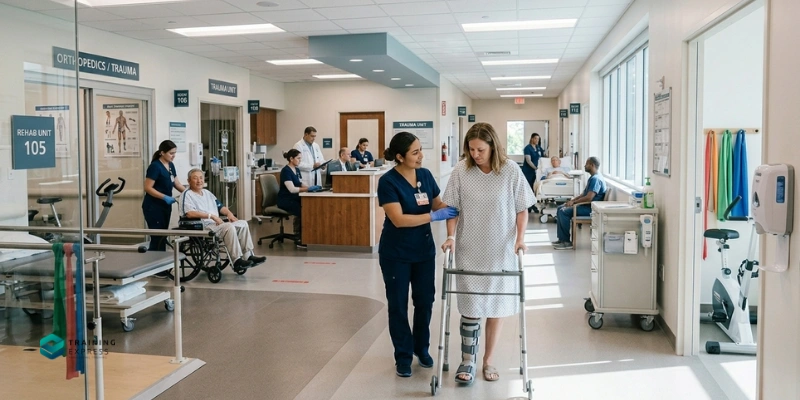
CNAs help reposition patients, assist with walking aids, and support rehabilitation exercises. Because these roles require physical strength and patient handling skills, hospitals often offer competitive salaries.
Average salary and requirements
- Average salary US: $35,000 – $47,000 per year
- Average salary UK: £24,000 – £31,500 per year
- Salary source US & UK: Indeed, PayScale, NHS Careers Reports
- Key skills: patient mobility support, stamina
- Certifications: CNA certification, manual handling certification
What is a Certified Nursing Assistant (CNA)
A Certified Nursing Assistant (CNA) is a healthcare professional who supports nurses and doctors by providing basic patient care in hospitals, clinics, and care facilities. They help patients with daily activities such as bathing, dressing, eating, and moving safely.
CNAs also check vital signs like blood pressure, temperature, and pulse, while observing and reporting any changes in patient conditions. This role requires skills such as communication, empathy, teamwork, and attention to patient safety.
In the UK, most CNAs complete the Care Certificate or Level 2–3 Diploma in Healthcare Support, and additional training like Basic Life Support (BLS) can improve job opportunities. Unlike care assistants who mainly work in care homes, CNAs usually work in hospitals, while nursing associates have more advanced clinical responsibilities.
How to Apply for Certified Nursing Assistant Jobs in Hospitals
Applying for Certified Nursing Assistant (CNA) jobs in hospitals starts with preparing a clear and professional CV that highlights healthcare experience, patient care skills, and relevant certifications. Your cover letter should briefly explain your interest in healthcare and mention qualifications such as the Care Certificate, BLS training, or healthcare diplomas.
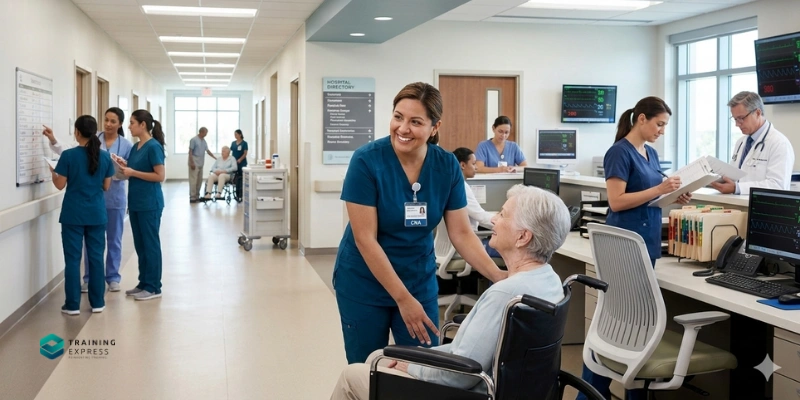
In the UK, many CNA roles are advertised on NHS Jobs, hospital career portals, and healthcare recruitment agencies. Candidates can create profiles, upload their CVs, and apply directly to suitable vacancies, while agencies may offer temporary or bank roles that can lead to permanent hospital positions.
During interviews, employers assess your patient care experience, teamwork, and ability to handle challenging situations calmly. Preparing real examples from previous caregiving roles and understanding basic hygiene and patient handling practices can help candidates perform confidently.
Tips to Succeed as a Hospital CNA
Succeeding as a Hospital Certified Nursing Assistant (CNA) requires strong organisational skills, effective communication, and a commitment to continuous learning. Since CNAs play a key role in patient care, developing good work habits helps ensure both efficiency and high-quality support for patients.

Key tips to succeed as a Hospital CNA:
- Manage time effectively: Prioritise urgent patient needs and organise tasks such as hygiene care, monitoring, and vital checks.
- Communicate clearly: Work closely with nurses, doctors, and families while showing empathy and patience with patients.
- Continue learning: Gain additional training in areas like infection control, dementia care, or patient safety.
- Handle stress well: Stay calm in busy hospital environments and maintain good self-care habits.
By building these skills and gaining experience, CNAs can improve patient care quality while also creating opportunities for career growth in healthcare.
Final Thoughts
Certified Nursing Assistants play a crucial role in hospital healthcare systems. From intensive care units to rehabilitation departments, CNAs support patients through every stage of treatment and recovery. Their work ensures that hospitals operate efficiently while maintaining high standards of patient care.
With the increasing demand for healthcare professionals, hospital CNA careers in 2026 offer strong job stability, competitive salaries, and opportunities for advancement. By gaining the right certifications and experience, aspiring CNAs can build rewarding careers in specialized hospital departments.
Frequently Asked Questions (FAQ)
What is the average salary of a hospital CNA in the UK in 2026?
The average salary for hospital CNAs in the UK typically ranges between £22,000 and £32,000 per year, depending on experience, department, and NHS pay band.
Which hospital CNA jobs pay the most?
Some of the highest-paying roles include ICU CNA, Cardiac Cath Lab CNA, Oncology Unit CNA, and Float Pool CNA due to specialized responsibilities and higher patient acuity.
Do I need prior experience to become a CNA?
Many entry-level CNA roles accept candidates with basic training such as the Care Certificate, although prior healthcare experience can improve job prospects.
Can CNAs advance to nursing roles?
Yes. Many CNAs pursue further education to become nursing associates or registered nurses, using their hospital experience as a foundation.
Are CNAs required to take continuing education courses?
Most hospitals encourage ongoing training in areas such as infection control, patient safety, and specialized care techniques.
How long does it take to become a CNA?
Training programs typically take 3 to 12 months, depending on the certification pathway.
What certifications boost CNA salaries?
Certifications in Basic Life Support, infection control, dementia care, and palliative care can increase employability and pay.
Do CNAs work night shifts and weekends?
Yes. Hospitals operate 24/7, so CNAs often work rotating shifts, nights, weekends, and holidays.
How competitive are high-paying hospital CNA jobs?
These roles can be competitive, but candidates with strong experience, certifications, and good interview performance have excellent chances.
What is the difference between ICU and Med-Surg CNA roles?
ICU CNAs work with critically ill patients requiring intensive monitoring, while Med-Surg CNAs care for patients recovering from surgeries or medical conditions.

Related Blogs


- Available Courses
- Animal care10
- Design36
- Training10
- Accounting & Finance Primary56
- Teaching & Academics Primary39
- Teaching23
- Quality Licence Scheme Endorsed181
- Law10
- IT & Software240
- Job Ready Programme52
- Charity & Non-Profit Courses28
- HR & Leadership4
- Administration & Office Skills6
- Mandatory Training36
- Regulated Courses5
- AI & Data Literacy29
- Compliance1
- Health and Social Care292
- Personal Development1680
- Food Hygiene120
- Safeguarding81
- Employability288
- First Aid73
- Business Skills301
- Management435
- Child Psychology41
- Health and Safety541
- Hospitality28
- Electronics30
- Construction63
- Career Bundles201
- Marketing39
- Healthcare174