Food Hygiene
 Health & Safety
 Safeguarding
 First Aid
 Business Skills
 Personal Development
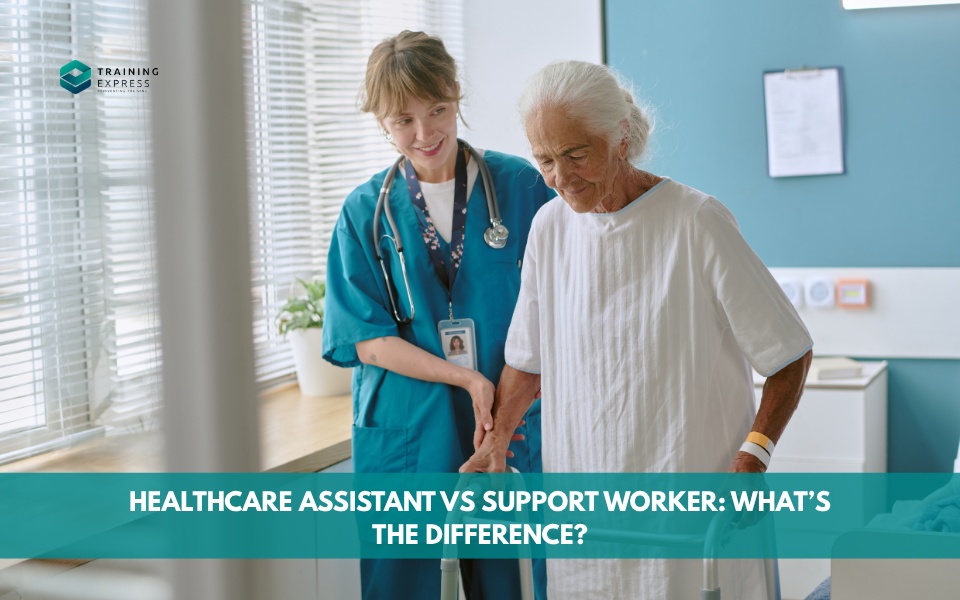

Healthcare assistants mainly work in healthcare environments supporting nurses and patients, while support workers help individuals with daily living and independence in community or residential care settings.
Both roles involve supporting individuals with their health, wellbeing, and daily needs. However, they usually take place in different environments and involve different responsibilities.
Healthcare assistants typically work in medical settings such as hospitals or clinics alongside nurses and other healthcare professionals. Support workers, on the other hand, often assist individuals in community or residential care settings to help them live as independently as possible.
Table of Contents
Use Coupon Code:
Use this coupon at Checkout
Healthcare Assistant vs Support Worker: Quick Comparison
| Feature | Healthcare Assistant | Support Worker |
|---|---|---|
|
Main focus |
Providing patient care and assisting medical staff |
Supporting individuals with daily living and independence |
|
Work settings |
Hospitals, GP surgeries, clinics, healthcare centres |
Residential homes, supported living, community settings |
|
Works with |
Nurses, doctors, and other healthcare professionals |
Individuals with disabilities, mental health needs, or care requirements |
|
Typical tasks |
Taking observations, assisting with personal care, supporting clinical tasks |
Helping with daily activities, promoting independence, emotional support |
What Is a Healthcare Assistant?
A healthcare assistant (HCA) works alongside nurses and other medical professionals to support patients in healthcare environments. Healthcare assistants are commonly employed in hospitals, clinics, nursing homes, and other healthcare facilities.

Their role focuses on assisting patients with their physical care while helping medical staff deliver safe and effective treatment.
Typical responsibilities of a healthcare assistant may include:
- assisting patients with personal hygiene and mobility
- monitoring patients’ health and comfort
- helping patients with eating and daily activities
- preparing equipment used in medical care
- supporting nurses during basic clinical procedures
Healthcare assistants play an important role in patient care by ensuring individuals receive the support they need during treatment or recovery.
What Is a Support Worker?
A support worker helps individuals live more independently by assisting them with everyday activities and emotional support. Support workers typically work with people who have disabilities, mental health conditions, or additional support needs.

Unlike healthcare assistants, support workers are often employed in community-based environments rather than medical facilities.
Typical responsibilities of a support worker may include:
- helping individuals manage daily routines
- encouraging independence and life skills
- supporting individuals in social or community activities
- assisting with household tasks
- providing emotional support and companionship
Support workers focus on improving quality of life and helping individuals maintain independence in their daily lives.
Key Differences Between Healthcare Assistants and Support Workers
Although both roles involve caring for others, there are several important differences between healthcare assistants and support workers.
| Healthcare Assistant | Support Worker |
|---|---|
|
Works mainly in hospitals or healthcare settings |
Often works in community or supported living environments |
|
Supports nurses and medical professionals |
Supports individuals with daily living and independence |
|
Focuses on patient care and medical support |
Focuses on emotional support and daily life assistance |
|
Often part of a clinical healthcare team |
Often works in social care services |
Both roles require strong communication skills, empathy, and patience, but their work environments and daily responsibilities may differ.
Daily Duties: Healthcare Assistant vs Support Worker
Although both roles focus on supporting individuals, their daily duties can vary depending on the environment in which they work.

Typical Daily Duties of a Healthcare Assistant
Healthcare assistants often work under the supervision of nurses and healthcare professionals. Their daily tasks may include:
- helping patients with washing, dressing, and mobility
- taking basic health measurements such as temperature or blood pressure
- preparing hospital beds and medical equipment
- assisting nurses during patient care procedures
- ensuring patients feel comfortable and supported during treatment
Healthcare assistants usually follow structured care routines in clinical environments such as hospitals or nursing homes.
Typical Daily Duties of a Support Worker
Support workers often have a more flexible role that focuses on helping individuals live independently. Their daily tasks may include:
- helping individuals manage daily routines and personal care
- supporting individuals with shopping, cooking, or household tasks
- assisting people to attend appointments or social activities
- encouraging independence and life skills development
- providing emotional support and companionship
Support workers often spend more time helping individuals engage with their community and maintain independence.
Where Healthcare Assistants Work
Healthcare assistants typically work in medical or healthcare environments where patients receive treatment or care.

Common workplaces include:
- NHS hospitals
- Private hospitals
- Nursing homes
- Rehabilitation centres
- GP clinics
In these settings, healthcare assistants support nurses and other healthcare professionals in providing patient care.
Where Support Workers Work
Support workers usually work in environments that help individuals maintain independence and participate in everyday activities.
Common workplaces include:
- supported living services
- community care organisations
- residential care homes
- charities and social care organisations
- local authority services
These environments allow support workers to help individuals develop life skills and maintain independence.
Skills Required for Both Roles
Although healthcare assistants and support workers have different responsibilities, many of the skills required for these roles are similar.
Important skills include:
- communication skills – interacting effectively with individuals, families, and professionals
- empathy and compassion – understanding the needs and feelings of others
- patience – supporting individuals who may require extra time and care
- teamwork – collaborating with healthcare or social care teams
- problem-solving skills – responding to different situations in care environments
These skills are essential for individuals who want to succeed when working in health and social care.
Which Role Might Be Right for You?
Choosing between becoming a healthcare assistant or a support worker often depends on the type of environment and responsibilities you prefer.

You may prefer becoming a healthcare assistant if you:
- want to work in hospitals or clinical environments
- are interested in supporting medical care
- enjoy working closely with nurses and healthcare teams
You may prefer becoming a support worker if you:
- want to help individuals live independently
- enjoy community-based work
- prefer supporting people in their daily lives rather than medical environments
Both roles offer meaningful opportunities to support individuals and build valuable experience within the health and social care sector.
Salary Expectations for Healthcare Assistants and Support Workers in the UK
Salaries for healthcare assistants and support workers can vary depending on experience, employer, and location.
Typical salary ranges include:
- Healthcare Assistant: £21,000 – £26,000 per year
- Support Worker: £20,000 – £25,000 per year
With experience and further training, professionals in these roles may progress into more senior positions with higher salaries.
Career Progression Opportunities in Health and Social Care
Both healthcare assistants and support workers can develop long-term careers in the care sector.
Possible career progression pathways include:
- Senior Care Worker
- Team Leader
- Care Coordinator
- Healthcare Supervisor
- Registered Manager
These roles are often available to individuals who have completed a Level 3 Diploma in Health and Social Care. Some professionals may also choose to pursue further education and progress into related professions such as nursing, social work, or healthcare management.
See the jobs you can get with a level 3 diploma Health & Social Care.
How to Start a Career as a Healthcare Assistant or Support Worker
Many people begin working in these roles through entry-level positions while gaining training and experience.

Individuals interested in starting a career as a healthcare assistant or support worker often benefit from learning about:
- safeguarding and duty of care
- communication in care environments
- equality and diversity
- person-centred care
- health and safety practices
Developing knowledge in these areas helps individuals prepare for health and social care jobs in the UK and build confidence when working with vulnerable individuals.
A Level 3 Diploma in Health and Social Care can help learners develop structured knowledge about these important care principles.
Start Your Career in Health and Social Care
Healthcare assistants and support workers both play important roles in supporting individuals and improving quality of life. These careers offer meaningful opportunities for individuals who want to help others while developing valuable professional skills.
For those interested in entering the sector, developing knowledge about safeguarding, communication, and person-centred care can help prepare for a wide range of health and social care jobs in the UK.
A Level 3 Diploma in Health and Social Care can help learners develop the knowledge and confidence needed to begin working in care environments and build long-term rewarding careers working in health and social care in the UK.
Related Health and Social Care Career Guides
If you are exploring career opportunities in the care sector, you may also find these guides helpful:
- How to Start a Career in Health and Social Care in the UK
- What Jobs Can You Get with a Level 3 Diploma in Health and Social Care
- 10 Essential Skills Needed to Work in Health and Social Care
These guides provide additional insight into career pathways and training opportunities within the health and social care sector.
Frequently Asked Questions (FAQ)
What is the difference between a healthcare assistant and a support worker?
Healthcare assistants usually work in hospitals or healthcare environments supporting nurses and medical professionals, while support workers help individuals live independently in community or social care settings.
Is a support worker the same as a healthcare assistant?
No. Healthcare assistants typically work in medical settings such as hospitals, while support workers usually assist individuals with daily living in community or residential environments.
What qualifications do you need to become a healthcare assistant in the UK?
Many healthcare assistants begin with basic health and social care training. While formal qualifications are not always required, completing relevant courses can improve employment opportunities.
Can you become a healthcare assistant without qualifications?
Some entry-level positions may provide training, but employers often prefer candidates who have completed relevant health and social care training.
Which role is better: healthcare assistant or support worker?
Both roles offer rewarding career opportunities. The best choice depends on whether someone prefers working in clinical healthcare environments or community-based social care settings.

Robert Lawrence
Author | Specialises in Health and Social Care
Robert Lawrence is an e-learning specialist and tutor at Training Express, with experience creating practical resources and strategies to support learners and enhance their professional development.