Food Hygiene
 Health & Safety
 Safeguarding
 First Aid
 Business Skills
 Personal Development
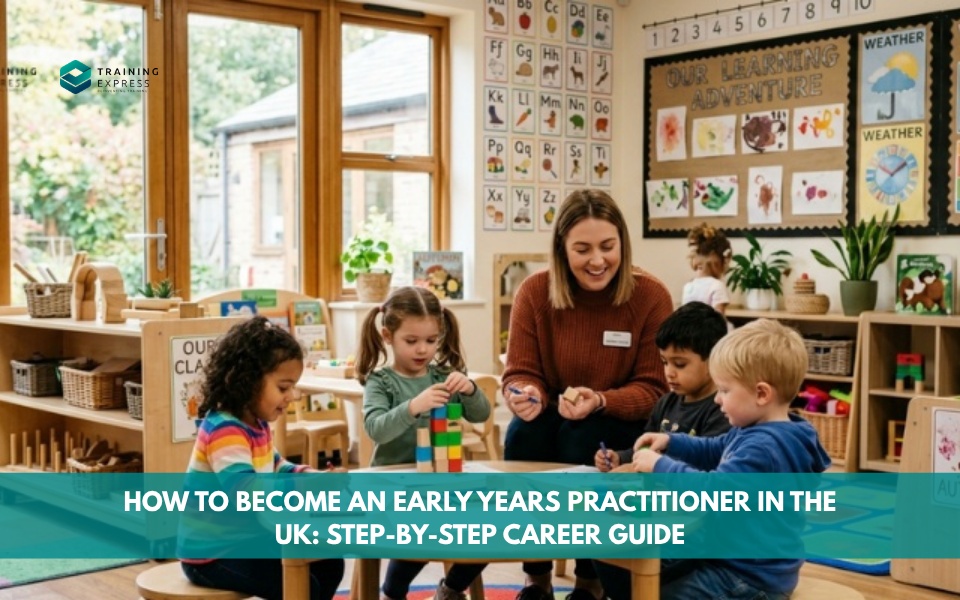

Imagine a classroom filled with curious young children exploring colourful books, building blocks, and creative activities. At the centre of this environment is an early years practitioner guiding their learning, encouraging their curiosity, and helping them develop confidence through play and interaction. For many people who enjoy working with children, this role offers a meaningful opportunity to support young learners during one of the most important stages of their development.
Early childhood education plays a vital role in shaping how children develop communication skills, confidence, and social awareness during their earliest years. During the first five years of life, children develop essential skills that influence their future learning, confidence, and social development. Because of this, qualified early years practitioners are increasingly in demand across nurseries, preschools, and childcare settings throughout the UK.
To ensure children receive consistent, high-quality early education, the Early Years Foundation Stage (EYFS) framework provides guidance on learning, development, and welfare standards for young children. If you are interested in working with children and supporting their early development, this guide explains how to become an early years practitioner in the UK, including the qualifications, skills, and steps required to start this rewarding career.
Table of Contents
Use Coupon Code:
Use this coupon at Checkout
What Is an Early Years Practitioner?
An early years practitioner works with children from birth to five years old in early education settings. Their role is to support children’s development through play-based activities, observation, and guided learning.
Early years practitioners help children develop important skills such as:
- Communication and language
- Social interaction
- Physical coordination
- Early literacy and numeracy
They also follow the Early Years Foundation Stage (EYFS) guidelines to support children’s learning and well-being.
What Does an Early Years Practitioner Do?
An early years practitioner plays a key role in supporting the learning, development, and well-being of young children. These professionals work with children from birth to five years old, helping them build the foundational skills they need before starting primary school. In early years settings such as nurseries, preschools, and reception classes, practitioners guide children through a range of activities that promote communication, social interaction, creativity, and physical development.
The role involves much more than simply supervising children. Early years practitioners actively support children’s growth by planning learning experiences, observing progress, and creating environments where children feel safe, confident, and encouraged to explore. Their work is guided by the Early Years Foundation Stage (EYFS) framework, which sets standards for learning, development, and welfare in early education settings across England.
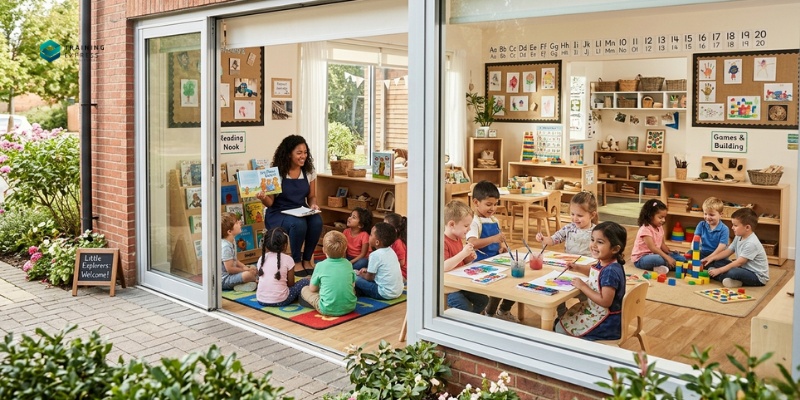
Throughout the day, practitioners balance educational activities with care routines to ensure children receive both emotional support and opportunities to learn through play and interaction.
Typical responsibilities of an early years practitioner include:
Planning learning activities suitable for young children
Practitioners organise age-appropriate activities that encourage exploration, creativity, and problem-solving. These activities often include storytelling, games, art projects, and play-based learning experiences that help children develop early literacy, numeracy, and social skills.
Observing and recording children’s development
Observation is an important part of early years practice. Practitioners monitor children’s behaviour, progress, and interests during activities. These observations help identify each child’s developmental stage and allow practitioners to plan activities that support their learning needs.
Supporting children’s communication and social skills
Early years practitioners help children develop language and communication abilities through conversation, storytelling, singing, and group activities. They also encourage positive interactions between children, helping them learn how to share, cooperate, and express their feelings.
Creating a safe and stimulating learning environment
Practitioners organise classrooms and play areas to ensure they are both safe and engaging. This includes providing learning materials, creative resources, and play equipment that encourage children to explore and learn in a supportive environment.
Working closely with parents and carers
Communication with families is an important part of the role. Practitioners often share updates about a child’s development, discuss learning progress, and collaborate with parents to support each child’s needs both at home and in the early years setting.
Following safeguarding and welfare requirements
Ensuring the safety and well-being of children is a top priority. Practitioners must follow safeguarding policies, health and safety procedures, and welfare guidelines to protect children and maintain a secure learning environment.
Overall, the role of an early years practitioner requires patience, creativity, strong communication skills, and a genuine interest in supporting children’s development. By providing guidance, encouragement, and positive learning experiences, early years practitioners help young children develop the confidence and skills needed for their future education.
Where Do Early Years Practitioners Work?
An early years practitioner works with children from birth to five years old in early education settings. Their role is to support children’s development through play-based activities, observation, and guided learning.
Early years practitioners help children develop important skills such as:
- Communication and language
- Social interaction
- Physical coordination
- Early literacy and numeracy
They also follow the Early Years Foundation Stage (EYFS) guidelines to support children’s learning and well-being.
Step-by-Step Guide to Becoming an Early Years Practitioner in the UK
If you are wondering how to become an early years practitioner in the UK, the process usually involves gaining relevant qualifications, developing key childcare skills, and building practical experience in early years settings. The role focuses on supporting children’s development during their most important learning years, typically from birth to five years old.

Following a clear step-by-step path can help you prepare for a career in early childhood education and increase your chances of securing a role in nurseries, preschools, or early learning centres.
Step 1: Understand the Role of an Early Years Practitioner
Before starting a career in childcare, it is important to understand what the role involves. Early years practitioners work closely with young children to support their learning, development, and well-being. Their work is guided by the Early Years Foundation Stage (EYFS) framework, which sets standards for learning, development, and safeguarding in early education settings.
Daily responsibilities often include planning activities, supporting children’s social development, and creating a safe environment where children can learn through play. Practitioners must also show patience, empathy, and strong communication skills when working with young learners.
One of the best ways to understand the role is by gaining exposure to real childcare environments. Volunteering or observing in a nursery or preschool can provide valuable insight into how early years settings operate and what the job involves on a daily basis.
Step 2: Gain the Right Childcare Qualifications
Most employers looking to hire early years practitioners in the UK require candidates to hold recognised childcare qualifications. These qualifications help practitioners understand child development, safeguarding responsibilities, and effective learning approaches used in early education.
Common qualifications for early years practitioners include:
- Level 2 Early Years Practitioner qualification
- Level 3 Early Years Educator qualification
- Diploma in early years education or childcare
Many aspiring childcare professionals choose to develop their knowledge through recognised training programmes such as the Diploma in Early Years Foundation Stage (EYFS) Level 3, which provides practical knowledge of early childhood development, safeguarding practices, and teaching strategies used in early years settings.
Having the right qualification improves employability and demonstrates that you understand the professional standards required in early childhood education.
Step 3: Develop Key Skills for Working with Young Children
In addition to formal qualifications, successful early years practitioners need a combination of practical and interpersonal skills. These skills help practitioners support children’s development while working effectively with colleagues and families.
Important skills for early years practitioners include:
- Communication and listening skills – interacting clearly with children, parents, and colleagues
- Patience and empathy – understanding children’s emotional and developmental needs
- Creativity and problem-solving – designing engaging learning activities
- Observation and assessment skills – monitoring children’s development and learning progress
- Teamwork and collaboration – working with other educators and childcare professionals
Developing these skills helps practitioners create positive learning experiences and support children as they develop confidence, communication abilities, and social skills.
Step 4: Gain Practical Experience in Early Years Settings
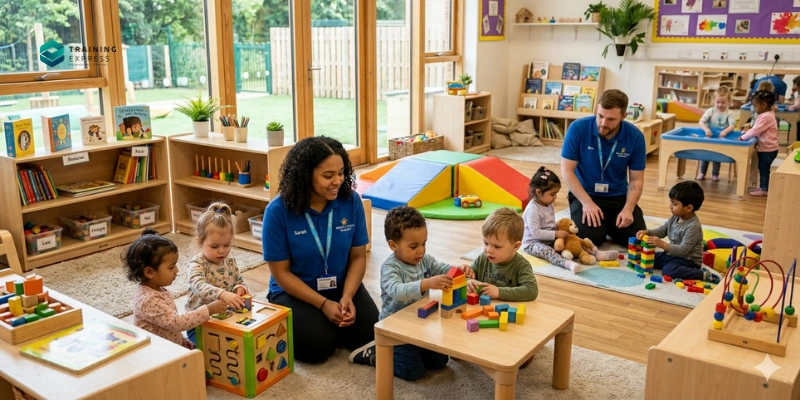
Practical experience is highly valuable when entering the early years profession. Employers often prefer candidates who have spent time working or volunteering in childcare environments.
You can gain experience through:
- Work placements during childcare training programmes
- Volunteering in nurseries or childcare centres
- Entry-level positions in early years settings
Hands-on experience allows you to observe how practitioners support children’s development, organise learning activities, and maintain safe environments for young learners. It also helps build confidence when working with children and preparing for professional roles in childcare.
Step 5: Apply for Early Years Practitioner Jobs
Once you have the necessary qualifications and practical experience, you can begin applying for early years practitioner roles in the UK. These positions are available in a range of childcare environments, including nurseries, preschools, reception classes, and early learning centres.
When hiring early years practitioners, employers typically look for candidates who:
- Understand EYFS principles and early learning methods
- Have relevant childcare qualifications
- Demonstrate strong communication and teamwork skills
- Show enthusiasm for supporting children’s development
Creating a strong CV that highlights your childcare training, relevant experience, and key skills can significantly improve your chances of securing an early years practitioner role.
By following these steps and gaining the right qualifications and experience, you can begin building a rewarding career in early childhood education, supporting young children as they develop essential skills for their future learning.
Key Skills Needed for an Early Years Practitioner
To work effectively in early childhood education, early years practitioners need a combination of personal qualities and professional skills. These skills help practitioners support children’s learning, manage daily activities, and create positive environments where young learners feel safe and encouraged to explore.
Because early years practitioners work closely with children, parents, and other educators, strong interpersonal abilities and practical childcare skills are essential. Developing these skills allows practitioners to guide children through important stages of emotional, social, and cognitive development.
Important skills required for an early years practitioner include:
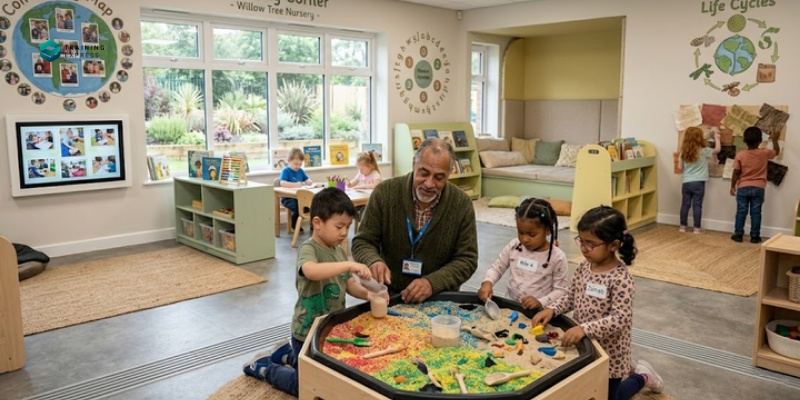
Patience and Empathy
Working with young children requires patience and understanding. Children may need time to express their feelings, learn new skills, or adapt to new environments. Early years practitioners must respond calmly and sensitively, helping children feel supported and secure while they learn and grow.
Creativity
Creativity plays an important role in early childhood education. Practitioners often design activities that encourage curiosity and imagination, such as storytelling, art projects, role-play games, and interactive learning experiences. Creative teaching methods help children stay engaged and make learning enjoyable.
Organisation
Early years settings follow structured daily routines that include playtime, learning activities, meals, and rest periods. Practitioners need strong organisational skills to manage these routines, prepare learning materials, and ensure that activities run smoothly throughout the day.
Communication Skills
Effective communication is essential when working with young children and their families. Practitioners must explain instructions clearly, encourage conversation with children, and provide updates to parents about their child’s development and well-being. Strong communication also helps practitioners collaborate with colleagues in early years settings.
Observation Skills
Observation is a key part of early years practice. Practitioners regularly observe children during activities to understand their interests, learning progress, and developmental needs. These observations help educators plan appropriate activities that support each child’s individual development.
By developing these skills, early years practitioners can create positive learning experiences that support children’s confidence, curiosity, and early development, helping them build strong foundations for future education.
Career Opportunities in Early Years Education
A career as an early years practitioner can open the door to a wide range of professional opportunities within the childcare and education sector. Early years professionals play an important role in supporting children’s development during their formative years, and this experience can lead to several specialised or leadership positions within early education settings.
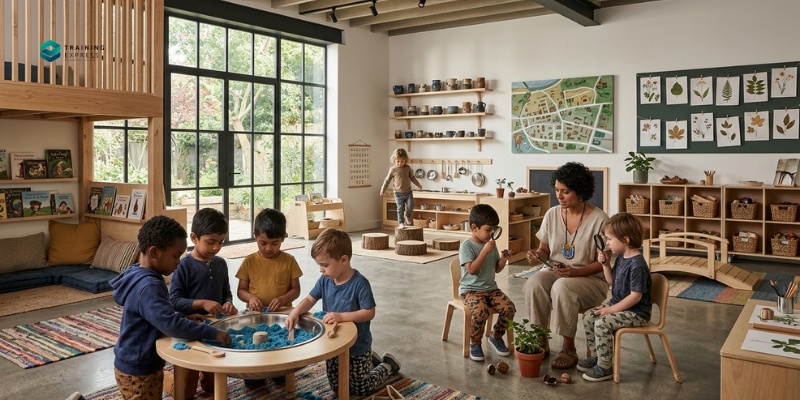
As practitioners gain practical experience and develop their professional skills, they may progress into different roles within nurseries, preschools, and early learning environments.
Common career pathways in early years education include:
- Nursery Practitioner – supporting children’s daily learning and development in nursery settings
- Preschool Teacher – guiding early learning activities that prepare children for primary education
- Early Years Educator – planning and delivering structured learning experiences aligned with early years frameworks
- Teaching Assistant (Early Years) – assisting teachers in reception classes and early primary education environments
- Nursery Room Leader – supervising a team of practitioners and managing a specific age group within a nursery
- Childcare Centre Manager – overseeing the operation of childcare facilities, including staff management and regulatory compliance
With additional qualifications, professional development, and experience in early childhood education, practitioners may also move into senior leadership, training, or early years management roles. These opportunities allow professionals to contribute not only to children’s learning but also to the development and quality of early years education services.
Salary of an Early Years Practitioner in the UK
For many people considering a career in childcare, understanding the salary of an Early Years Practitioner in the UK is an important factor. Salaries can vary depending on experience, qualifications, location, and the type of early years setting, such as nurseries, preschools, or primary school reception classes.
In general, early years practitioners start with entry-level roles and gradually progress to higher-paying positions as they gain experience and additional responsibilities. Qualifications such as an EYFS Level 3 diploma can also improve career prospects and earning potential.
Typical salary ranges for Early Years Practitioners in the UK include:
- Entry-level practitioners: £18,000 – £21,000 per year
- Experienced practitioners: £22,000 – £26,000 per year
- Room leaders or senior practitioners: £27,000 – £32,000 per year
Salaries may be slightly higher in larger cities or private nursery settings, where demand for qualified childcare professionals is strong. In addition to salary growth, early years practitioners UK may also progress into roles such as nursery managers, early years coordinators, or childcare trainers with further experience and professional development.
Developing recognised qualifications and gaining practical experience can help practitioners build a stable and rewarding career within the early childhood education sector.
How Long Does It Take to Become an Early Years Practitioner?
The time required to become an Early Years Practitioner in the UK depends on the qualification pathway you choose and whether you study full-time or part-time. Most individuals begin with an entry-level qualification and then progress to more advanced training to build their knowledge and practical skills in early childhood education.
Typically, the training timeline looks like this:
- Level 2 qualification: usually takes 6–12 months to complete. This level introduces the fundamentals of childcare, child development, and supporting learning in early years settings.
- Level 3 qualification: usually takes 12–18 months to complete. This qualification provides a deeper understanding of the Early Years Foundation Stage (EYFS) framework, safeguarding, and effective teaching practices, allowing practitioners to take on more responsibility in nurseries or preschools.
They also follow the Early Years Foundation Stage (EYFS) guidelines to support children’s learning and well-being.

Many childcare settings prefer or require practitioners to hold a Level 3 qualification, as it prepares individuals to work more independently while supporting children’s learning and development.
Some learners choose to begin with Level 2 and then progress to Level 3, while others enrol directly in a Level 3 course to accelerate their career path. With the right training and practical experience, individuals can build a rewarding career supporting young children during the most important stage of their development.
Qualifications Needed to Become an Early Years Practitioner
To work as an Early Years Practitioner in the UK, individuals typically need recognised childcare qualifications that support children’s learning and development within the Early Years Foundation Stage (EYFS) framework.
Common qualifications include:
- Level 2 Early Years Qualification – An entry-level qualification that introduces childcare basics, safeguarding, and child development. It usually leads to assistant roles in nurseries or childcare settings.
- Level 3 Early Years Qualification – The standard qualification for early years practitioners, allowing professionals to work more independently and support children’s learning and development.
- Paediatric First Aid and Safeguarding Training – Often required to ensure practitioners can respond to emergencies and protect children’s welfareThes
These qualifications help individuals build the knowledge and skills needed to work confidently in early years education settings.
Final Thoughts
Becoming an early years practitioner is a meaningful career that allows you to support children during a critical stage of their development. The role involves guiding young learners through play-based learning, encouraging social and emotional growth, and creating safe and supportive environments.
By gaining the right qualifications, developing essential skills, and gaining practical experience, you can begin a rewarding career in early childhood education. Training programmes such as the Diploma in Early Years Foundation Stage (EYFS) Level 3 can help build the knowledge and confidence needed to work effectively in early years settings.
Frequently Asked Questions (FAQ)
What qualifications do I need to become an early years practitioner in the UK?
Most employers prefer candidates with Level 2 or Level 3 early years qualifications in childcare or early childhood education.
Do early years practitioners follow the EYFS framework?
Yes. Early years practitioners follow the EYFS framework to support children’s development, learning, and welfare.
Can I work in childcare without experience?
Some entry-level roles allow beginners to gain experience while completing childcare training or qualifications.
Is early years education a good career?
Yes. It offers opportunities to support children’s development, build meaningful relationships, and progress into leadership roles within childcare settings.

Robert Lawrence
Author | Specialises in Health and Social Care
Robert Lawrence is an e-learning specialist and tutor at Training Express, with experience creating practical resources and strategies to support learners and enhance their professional development.