Food Hygiene
 Health & Safety
 Safeguarding
 First Aid
 Business Skills
 Personal Development
![Are Online Courses Worth Doing [Pros & Cons]](https://trainingexpress.org.uk/wp-content/uploads/2025/08/Are-Online-Courses-Worth-Doing-Pros-Cons.webp)

Since the COVID-19 pandemic, one thing became clear—learning doesn’t have to happen in a classroom. Online courses exploded in popularity as people looked to upskill, reskill, or stay productive during lockdowns. Today, in 2026, online learning is no longer just a temporary solution; it’s a thriving ecosystem full of opportunities for students, professionals, and career climbers.
Online courses have evolved from basic Zoom lessons to interactive, AI-powered platforms that feel like real classrooms. Big names like Harvard, Google, and Training Express now compete to offer credible, career-focused programs. But the key question remains: are online courses still worth it, or are they just another internet trend? This guide will explore their pros and cons, credibility, and impact on your career to help you decide if an online course is the right move for you.
Table of Contents
Are Online Courses Worth Doing?
Online courses have expanded beyond MOOCs and now cover everything from coding to communication skills. But just because the internet is buzzing with options doesn’t mean every course is worth your time or money. Let’s break it down—what’s great about them and what might make you pause.
Key Benefits of Online Learning
Online learning in 2026 is a game-changer—not just in terms of education, but in how we structure our lives around it. Let’s break down some of the key advantages:
1. Flexibility and Accessibility
Unlike traditional education, online learning doesn’t require you to be in a physical classroom from 9 to 5. You can log in from your home, local café, or even while traveling. Whether you’re a night owl or an early bird, you can set your own schedule. This makes it ideal for working professionals, parents, or those living in remote areas.
2. A World of Subjects at Your Fingertips
Want to learn graphic design from an Adobe-certified instructor? Or maybe Python coding from a Google engineer? The internet has democratized education. You can now choose from thousands of topics, from data science to dog training. Plus, platforms like Training Express, Udemy, Coursera, and LinkedIn Learning constantly update their content to reflect the latest trends.
3. Cost-Effectiveness
Let’s be real—college isn’t cheap. But online courses? You can find high-quality certifications ranging from $0 to $300. And even paid ones often come with discounts or subscription models. When you compare this to tens of thousands spent on traditional degrees, the ROI (return on investment) is massive. Plus, you save on commuting, accommodation, and textbooks.
Common Drawbacks to Consider
But hold up—it’s not all sunshine and rainbows. There are a few downsides that you really should think about before enrolling in your next online class.
1. Discipline and Motivation Are Key
Self-paced learning is a double-edged sword. While it’s great for flexibility, it can be a struggle if you lack motivation or time-management skills. Many learners start with enthusiasm and then abandon courses halfway through. Without peers or professors physically present, it’s easy to procrastinate.
2. Employer Recognition Varies
Not all employers treat online certifications equally. While a Google certificate may carry weight, a random course from an unknown provider might not impress hiring managers. That’s why picking the right platform and ensuring accreditation matters. We’ll cover that in detail later in this article.
Why Should You Study Online Courses in 2026?
If you’re still wondering whether you should hop on the e-learning train, here’s the deal: 2026 isn’t just a good time—it might be the best time yet. With advanced tech, refined curriculums, and competitive career landscapes, online courses offer more value than ever.

Learning at Your Own Pace
Let’s be honest—everyone learns differently. Some people absorb information like a sponge, others need time to process and reflect. Online courses allow you to go back, re-watch, pause, and take notes at your own pace. This kind of learning model caters to all types of learners—visual, auditory, kinesthetic, or reading/writing-based.
In 2026, platforms have gone a step further by using AI to suggest personalized content. Finished a module in SEO? The system might suggest a course in Google Ads next. It’s like Netflix for learning—tailored, smart, and convenient.
Career Advancement Opportunities
Want a promotion? Eyeing a new role in your company? Online courses can get you there. Managers today appreciate employees who take initiative to upskill. Completing a professional course in leadership, project management, or software development signals that you’re committed to growth.
In fact, many internal promotions now hinge on completing certain certifications. Some employers even reimburse employees for enrolling in accredited courses. So, not only do you learn, but you also climb the ladder faster.
Upskilling in Competitive Fields
The job market is ruthless in 2026. AI is replacing some roles, and new ones are emerging faster than ever. Staying updated is no longer optional—it’s survival. Fields like data analytics, digital marketing, and cybersecurity evolve monthly. If you’re not learning, you’re falling behind.
Online courses help bridge this gap quickly and efficiently. Want to shift from finance to tech? There’s a course for that. Want to specialize in ethical hacking? Start learning today and you could be job-ready in 6 months.
Are Online Courses Valuable in the Job Market?
As online learning becomes more common, the big question remains: do employers take these courses seriously? The answer isn’t black and white—it depends on a few critical factors. Let’s explore what makes an online certification a career asset rather than just a digital badge.
How Employers View Online Certificates
In 2026, employers have become more open-minded about online education, especially since many of them had to pivot during the pandemic too. If an online course teaches relevant skills, shows initiative, and comes from a respected source, it can hold weight in the hiring process.
That said, employers still value application over participation. So, it’s not just about having a certificate; it’s about how you use that knowledge. Can you demonstrate what you learned? Have you applied it in real-world situations? Showcasing projects or case studies from the course can make a huge difference.
In tech, digital marketing, health care, food safety and business, online certificates are often just as respected as traditional degrees—if not more—especially if the course is up-to-date with current trends.
Importance of Accreditation and Recognised Platforms
The credibility of your course provider can make or break your certificate’s impact. Courses from Harvard, MIT, or Google, Training Express? That’s solid. A self-made course on a no-name site with no reviews? Probably not going to impress.
Always check if the course is accredited or partnered with a university or top-tier organization. Accreditation ensures that the content meets industry standards and can be trusted by employers.
Look for badges, affiliations, reviews, and ratings before enrolling. A good rule of thumb: if you’d proudly add the course provider to your resume, it’s probably a valuable course.
Are Online Courses Credible in 2026?
Now more than ever, the legitimacy of online learning is under scrutiny. With thousands of platforms available, how do you separate the credible from the questionable? Let’s uncover the key elements that make a course worth your time and attention.
What Makes an Online Course Credible?
A credible course typically ticks these boxes:
- Verified Accreditation: If the course is accredited by a recognized educational institution or body, that’s a green flag.
- Course Syllabus: A well-structured curriculum that outlines clear objectives, assessments, and learning outcomes is essential.
- Industry Relevance: Does the content match what’s happening in the real world? If the course includes case studies, recent tools, or hands-on projects, it’s likely high-quality.
- Student Reviews: Look for feedback from other learners. A 4.8-star rating with thousands of students is a great sign.
Credible online courses are transparent, up-to-date, and backed by professionals. They invest in quality—both in content and delivery.
Red Flags to Watch Out For
Not all that glitters online is gold. Be cautious if you notice any of the following:
- Vague Course Description: If the course page is full of buzzwords but lacks concrete details, that’s suspicious.
- Outdated Content: In fast-moving industries, stale content can hurt more than help. If it hasn’t been updated in a year or two, steer clear.
- Too Good to Be True Promises: “Earn $100K in 30 Days!”—Run the other way. Real learning takes time.
- Hidden Fees: If the site hides pricing or locks critical content behind paywalls after you sign up, it’s likely more focused on profit than education.
Doing your homework before enrolling is the best way to avoid wasting your time or money. Trustworthy platforms are transparent, reliable, and professional.
Are Online Courses Recognised by Employers?
In 2026, we’re seeing a strong shift toward skill-based hiring. That means companies are looking at what you know and what you can do, not just where you studied. So, are employers warming up to online credentials? Let’s break it down.

Employer Preferences: Traditional vs Online
While traditional degrees still hold prestige, especially for academic or research-based roles, the job market is evolving. In fast-paced industries like tech, marketing, and design, practical skills often trump academic pedigree.
Many companies now view online learning as a proactive step. It signals that you’re self-motivated, curious, and adaptable—traits that are highly desirable in modern workplaces. The key is relevance. If your online course directly aligns with the job you’re applying for, it can be a strong advantage.
In some cases, employers might even prefer online learning. Why? Because it’s more dynamic and up-to-date. A course on AI taken this year might be more current than a three-year-old university curriculum.
Trends in Remote Hiring and Skill-Based Recruitment
Remote work and freelance culture have exploded in the last few years, and they’re here to stay. Employers are hiring from global talent pools, which means your competition isn’t just local—it’s worldwide.
In this environment, showcasing specific skills is more important than ever. Many companies now conduct skills-based assessments instead of relying solely on degrees. They want to know if you can do the job, not just talk about it.
Online portfolios, GitHub profiles, LinkedIn Learning certificates, and even YouTube channels are becoming powerful indicators of expertise. Online courses fit perfectly into this trend—they equip you with hands-on, demonstrable skills that speak louder than academic transcripts.
Are Online Courses Really Effective for Learning?
Effectiveness is what truly makes or breaks an online course. You’re investing your time, energy, and often money—so the million-dollar question is, does online learning actually work? Spoiler alert: yes, but only when done right.

Online vs Traditional Learning Outcomes
Let’s be honest—traditional classrooms have their perks. Face-to-face interaction, immediate feedback, group discussions, and in-person labs all contribute to a rich learning environment. But online learning has come a long way and, in many cases, delivers comparable—if not better—results.
Why? Because online education often uses active learning methods. Rather than just listening to lectures, students engage with videos, quizzes, simulations, and real-world projects. That variety improves retention and deepens understanding.
Self-paced platforms let learners spend more time on tricky concepts and breeze through areas they already know. This kind of customization is rarely possible in traditional classrooms.
A 2024 study by the World Economic Forum showed that learners who complete structured, interactive online courses demonstrate similar or better outcomes than those in conventional settings—especially in fields like coding, digital marketing, and business.
Interactive Tools and AI in E-Learning
What makes online courses more effective in 2026 is the rise of cutting-edge technology. You’re no longer watching a boring slideshow. Today’s platforms use:
- AI tutors that give personalized feedback
- Gamification to boost engagement
- AR/VR tools for immersive learning
- Real-world case studies and projects
These tools transform passive watching into active doing. Learning becomes more dynamic, fun, and practical.
For example, virtual labs allow science students to simulate experiments. AI-powered platforms like ScribeSense and Century Tech adapt lessons based on your progress, just like a private tutor would.
In short, if you’re using modern, well-designed platforms, online learning isn’t just effective—it’s revolutionary.
What Is the Future of E-Learning?
We’ve come a long way from clunky PDFs and glitchy video streams. E-learning is no longer just about convenience—it’s about transformation. The future is bright, immersive, and personal.

AI, VR, and Customised Learning Paths
The biggest trend shaping the future of e-learning is personalization. Thanks to AI, courses now adapt to your strengths, weaknesses, and learning style. Think of it like having a custom-built tutor who knows exactly what you need.
- AI-driven feedback: Real-time grading, skill gap analysis, and personalized tips.
- VR-based learning: Medical students can now “practice” surgery in virtual environments.
- Adaptive curriculum: Platforms that tweak your learning path based on how you perform.
This means that in 2026, learners aren’t just consuming content—they’re navigating a fully interactive ecosystem that evolves with them.
And with 5G and edge computing on the rise, access to high-end learning environments is becoming faster and more accessible worldwide.
The Growing Role of Micro-Credentials
Forget long, drawn-out degrees. The workforce now values micro-credentials—short, focused certifications that prove specific skills.
A hiring manager doesn’t always care if you spent four years studying business. They care if you know how to run a Facebook ad campaign, manage a CRM system, or lead a project sprint. Micro-credentials fill these gaps, fast.
These bite-sized qualifications often stack up into larger certifications. Platforms like Coursera, LinkedIn Learning, and edX offer stackable credentials—build enough of them, and you’ve essentially created a full diploma tailored to your career.
This model of learning is flexible, cost-effective, and aligned with the fast-paced, skills-first job market of 2026.
Free Online Courses – Are They Worth It?
Who doesn’t love free stuff? But when it comes to online education, “free” doesn’t always mean “valuable.” So are free courses really worth your time in 2026? The answer: it depends.
Pros of Free Online Courses
Let’s start with the good stuff:
- Risk-free exploration: You can explore new topics without committing money. Great for dabbling in areas you’re curious about.
- High-quality content: Many top universities offer free versions of their courses through platforms like edX, OpenLearn, and FutureLearn.
- Flexible learning: Most free courses are self-paced, giving you total control over your schedule.
- Immediate access: No admissions process. No prerequisites. Just sign up and start learning.
These are perfect for personal development, hobby learning, or exploring whether a topic is right for you before going deeper.
Top 10 Online Courses to Consider in 2026
Looking to dive into online learning but not sure where to start? Here are the top online course categories booming in 2026. These areas offer high demand, strong earning potential, and excellent remote opportunities.
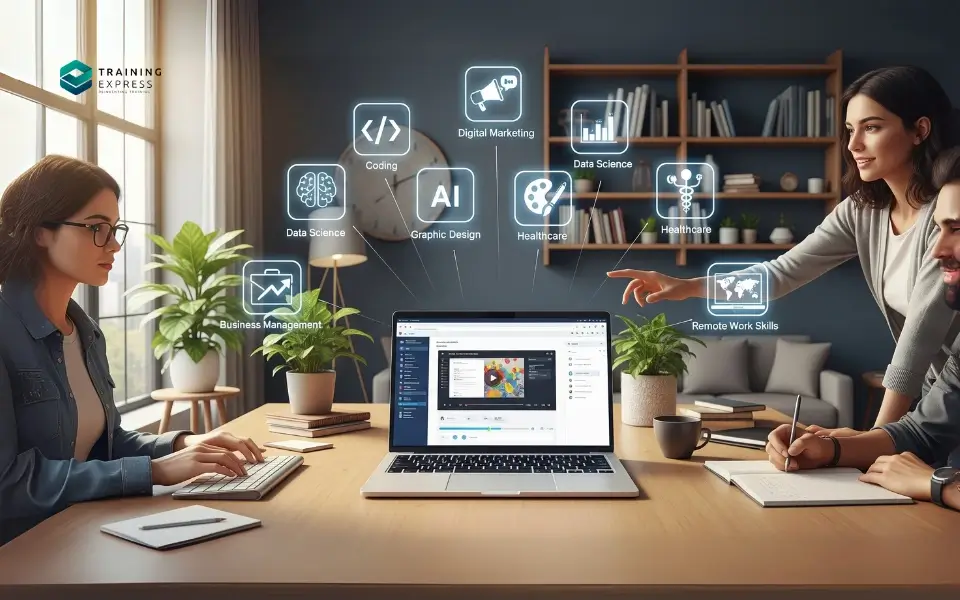
1. Basic Data Analysis
Big data is everywhere—from marketing to healthcare. Learn tools like Excel, SQL, Tableau, and Python to kickstart a career in analytics.
2. Digital Marketing Diploma
Master SEO, Google Ads, content marketing, and social media strategies. Businesses of all sizes need digital marketers to thrive online.
3. Diploma in Health and Social Care
Online certifications for support workers, caregivers, or mental health assistants are in demand across public and private sectors.
4. Cyber Security Training
With cyber threats rising, skills in ethical hacking, threat analysis, and network security are crucial—and well paid.
5. Business Management
Courses in leadership, operations, finance, and HR prepare learners for roles in small businesses and large enterprises alike.
6. Project Management
Learn frameworks like Agile, Scrum, and PMP certification prep. This is essential for those managing teams or complex initiatives.
7. Graphic Design
From branding to web design, graphic design courses teach tools like Adobe Photoshop, Illustrator, and Canva for creative professionals.
8. Web Development
Learn HTML, CSS, JavaScript, and backend technologies. There’s always demand for skilled web developers.
9. Childcare & Teaching Assistant Courses
Perfect for those pursuing education-related careers. Gain practical tools for early years education or classroom assistance.
10. Personal Development
These include courses on communication skills, emotional intelligence, public speaking, and productivity—vital in every industry.
How to Choose the Right Online Course
With hundreds of options out there, choosing the right online course in 2026 can feel like looking for a needle in a digital haystack. But here’s the thing: when you know what to look for, it becomes much easier to find a course that’s not only worth your time but also aligns with your career goals.
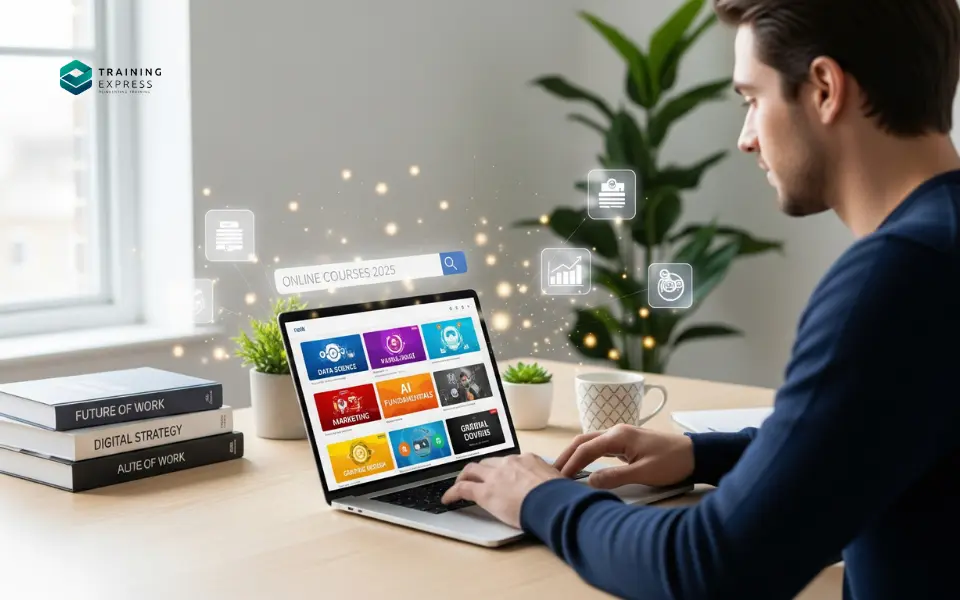
Aligning Courses With Career Goals
Start by getting clear on your “why.” Are you trying to land a new job? Level up in your current role? Start a side hustle? Your goal determines the type of course you need.
- If you’re switching careers, opt for a complete certification program that starts from the basics.
- For promotions, go for specialized skill-based courses like leadership, data analysis, or team management.
- For freelancing or side gigs, choose courses with practical projects to build a portfolio fast.
Also, think long-term. Does the course contribute to a career path that’s growing? Use job boards like LinkedIn or Indeed to check if the skills are in demand before you enroll.
Evaluating Course Providers
The provider matters—big time. Here’s a checklist to help you vet them:
- Accreditation: Is it backed by a university or a trusted industry brand?
- Instructor credentials: Are the trainers experienced and reputable?
- Reviews and testimonials: What are past students saying? Look beyond the platform’s site—check Reddit, Quora, and Trustpilot.
- Content quality: Is the curriculum up-to-date? Are there real-world projects and assessments?
- Support: Can you reach out to instructors or mentors if needed?
Trusted platforms in 2026 include Coursera, FutureLearn, LinkedIn Learning, edX, Skillshare, and even specialized providers like Pluralsight for tech and Shaw Academy for business.
Understanding Course Formats (Live, Self-paced, Hybrid)
Different formats suit different learners:
- Self-paced: Great if you have an unpredictable schedule. These allow flexibility but require discipline.
- Live classes: Ideal if you need structure and real-time interaction with instructors and peers.
- Hybrid: A mix of both—live sessions for accountability, self-paced for flexibility.
Also consider how the course delivers content—videos, readings, quizzes, assignments, forums, and simulations. Choose a format that matches your preferred learning style.
Why You Should Take Job-Oriented Online Courses
Let’s cut to the chase—if your main reason for enrolling in an online course is career growth, then you need something more than a hobby-style class. You need a job-oriented course that gets you from learning to earning.

Focus on Outcome-Based Learning
Job-oriented courses focus less on theory and more on doing. They’re packed with real-world projects, case studies, mock interviews, and skill assessments. This isn’t about cramming for a test—it’s about being job-ready.
They also tend to focus on industry tools. For example, a digital marketing course might train you in Google Analytics, HubSpot, or Canva—skills you can use immediately in a job.
Outcome-based courses aim to build portfolio-ready projects that you can showcase during job applications. This practical experience is often more valuable than memorizing academic content.
Shorter Time to Employment
Traditional degrees take years. Job-focused online courses? You can complete them in weeks or months. That means faster upskilling, quicker job applications, and earlier income.
Many job-oriented programs even offer career services—resume reviews, interview prep, and job matching—to bridge the gap between learning and employment.
For example, Google’s Career Certificates (available on Coursera) are designed specifically to help learners land jobs in under 6 months—without needing a college degree.
Return on Investment (ROI)
Let’s talk numbers. An online course costing £200–£500 that helps you land a £30K+ job is a phenomenal ROI. Compare that to a traditional degree that might cost £30K+ and take 3–4 years.
Online learning offers a high return on investment if you pick the right program. Look at alumni outcomes, employer partnerships, and job placement rates before you sign up.
When you combine low cost, short duration, and high employability, job-oriented courses are easily one of the smartest investments in 2026.
Pros and Cons of Online Learning – At a Glance
Here’s a quick comparison table for easy reference:
| Pros | Cons |
|---|---|
|
Learn anytime, anywhere |
Requires self-discipline |
|
Wide variety of topics |
Some fields lack hands-on training |
|
Affordable or even free options |
Employer recognition varies |
|
Customisable to your pace and interests |
Quality differs between platforms |
|
Suitable for career changers and upskillers |
Limited networking opportunities |
|
Quick path to new certifications |
Some courses lack live support |
|
Ideal for working professionals |
Tech issues or distractions at home |
Final Thoughts
So, are online courses worth it in 2026? In a word—absolutely. But only if you’re smart about it. The digital learning landscape is more powerful, accessible, and career-focused than ever. If you choose a credible provider, align your course with your goals, and stay committed, online learning can be life-changing.
From boosting your resume to launching a new career, the opportunities are endless. Just remember to prioritize value over hype, and learning over just collecting certificates. The future of education is online—and it’s already here.
Frequently Asked Questions (FAQ)
Are employers in the UK recognising online courses in 2026?
Yes, especially those from accredited platforms like Training Express, Coursera, Udemy & Others Employers value skill-based learning, particularly in tech, business, and digital roles.
Which online platform offers accredited courses?
Training Express offers CPD-accredited courses designed to meet industry standards. All certifications are recognised in the UK and help boost your career prospects.
How can I verify if an online course is legitimate?
Check for accreditation, instructor bios, student reviews, and whether the platform has partnerships with known institutions or companies
Can I get a job with just an online course certificate?
Yes—especially in fields like digital marketing, IT, and data analytics. Many employers now prioritize skills over degrees, particularly for entry- and mid-level roles.
Are free online courses better than paid ones?
Free courses are great for exploration and skill-building, but paid ones usually offer deeper content, certification, and support. Choose based on your goals.
What are the best online courses for beginners in 2025?
Look into beginner-friendly options in digital marketing, project management, Excel for business, basic coding (HTML/CSS), Health and Social Care and personal productivity.
Is an online diploma as good as a university degree?
For many roles, especially in tech and business, online diplomas are competitive. However, certain fields like law or medicine still favor traditional degrees.
How many hours per week should I study an online course?
Ideally, 5–10 hours per week. Self-paced learners may adjust this based on personal availability and course complexity.
Can online learning replace traditional classroom education?
Not entirely, especially in hands-on fields. But for many academic and business subjects, online learning can be just as effective—if not more.
Are online courses suitable for working professionals?
Absolutely. They’re designed for flexibility, allowing you to study around your work schedule, often with options to pause or revisit content.

Related Blogs