Food Hygiene
 Health & Safety
 Safeguarding
 First Aid
 Business Skills
 Personal Development
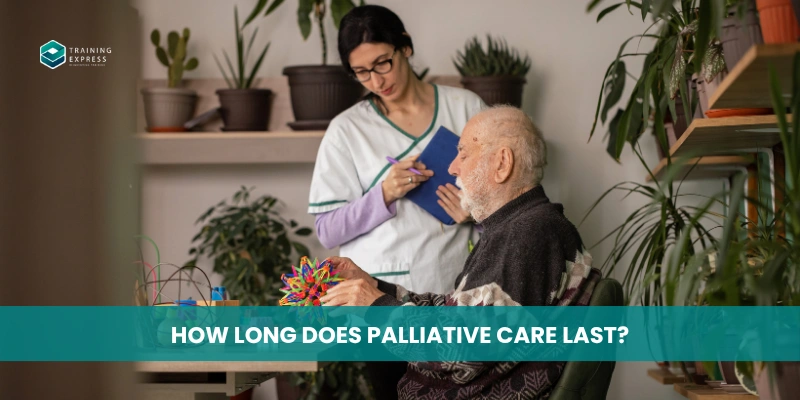

When someone is diagnosed with a serious illness, one of the most common questions families ask is: how long does palliative care last? The answer can vary greatly depending on the person’s condition, symptoms, treatment goals, and overall health.
Many people mistakenly believe palliative care only begins during the final days of life. In reality, palliative care can last for days, weeks, months, or even several years. Some individuals receive palliative support alongside active medical treatment for a long time before end-of-life care becomes necessary.
Palliative care focuses on improving quality of life, managing symptoms, reducing pain, and providing emotional and practical support for people living with serious illnesses. It can help patients and families cope with physical discomfort, emotional stress, and difficult medical decisions.
In this guide, we explain how long palliative care typically lasts, what affects the timeline, when palliative care begins, and what families can expect at different stages of care.
Table of Contents
What Is Palliative Care and How Does It Work?
Palliative care is specialised care designed to improve comfort and quality of life for people living with serious or life-limiting illnesses. It focuses on relieving symptoms, managing pain, and supporting emotional, psychological, social, and spiritual wellbeing.
Palliative care can support people with conditions such as:
- Cancer
- Dementia
- Heart failure
- Chronic obstructive pulmonary disease (COPD)
- Parkinson’s disease
- Motor neurone disease (MND)
- Kidney failure
- Multiple sclerosis (MS)
- Advanced liver disease
- Stroke-related complications
The goal of palliative care is not always to stop treatment or prepare someone for death. In many cases, patients continue receiving treatments such as chemotherapy, dialysis, medication, oxygen therapy, or rehabilitation while also receiving palliative support.
This is one reason why palliative care timelines vary so widely.
How Long Can Someone Be in Palliative Care?
There is no fixed timeline for palliative care. Some people receive palliative care for only a few days, while others may continue receiving support for months or years.
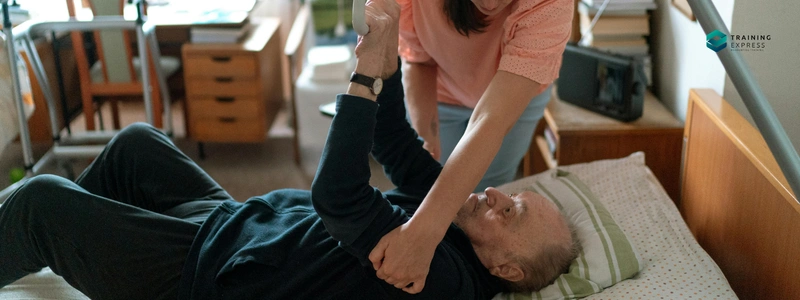
The length of palliative care depends on factors such as:
- The type of illness
- How advanced the condition is
- Symptom severity
- Treatment response
- Overall physical health
- Emotional and psychological needs
- Personal care preferences
For example, someone with advanced cancer may begin palliative care after diagnosis and continue receiving support throughout treatment for many months. Another person with late-stage dementia may receive palliative care gradually over several years as symptoms worsen over time.
Palliative care is highly personalised, meaning the duration differs from one individual to another.
Does Palliative Care Mean End of Life?
One of the biggest misconceptions about palliative care is that it only means end-of-life care. While palliative care can include end-of-life support, they are not exactly the same thing.

Palliative care can begin at any stage of a serious illness — even shortly after diagnosis. Some people receive palliative care while continuing active treatment aimed at slowing or managing their condition.
End-of-life care is usually provided when healthcare professionals believe a person may be in the final months, weeks, or days of life.
In simple terms:
- Palliative care focuses on comfort and quality of life at any stage of serious illness
- End-of-life care focuses specifically on care during the final stage of life
Because of this difference, palliative care may last much longer than many people expect.
When Does Palliative Care Begin?
Palliative care can begin as soon as a serious illness starts affecting a person’s quality of life.
Healthcare professionals may recommend palliative care when symptoms become difficult to manage or when additional emotional and supportive care is needed.
Common signs someone may benefit from palliative care include:
- Ongoing pain
- Severe fatigue
- Breathlessness
- Anxiety or depression
- Difficulty eating
- Frequent hospital admissions
- Reduced mobility
- Emotional distress
- Difficulty coping with illness
Early palliative care can often improve comfort, reduce stress, and help patients and families make informed care decisions sooner.
Research has shown that early palliative care may also improve emotional wellbeing and, in some cases, even help people live longer with better symptom control.
How Long Does End-of-Life Palliative Care Last?
End-of-life palliative care usually begins when a person is approaching the final stage of life. This phase may last:
- A few days
- Several weeks
- A few months

However, predicting exactly how long someone will live is often very difficult. Every illness progresses differently, and people respond differently to treatment and supportive care.
Healthcare professionals may identify signs that suggest a person is entering the final stage of life, including:
- Increased weakness and sleeping
- Reduced appetite
- Difficulty swallowing
- Changes in breathing
- Withdrawal from conversation
- Reduced mobility
- Increased confusion
- Greater need for personal care
Even during end-of-life care, the focus remains on comfort, dignity, emotional support, and symptom management. Healthcare professionals may recognise different stages of palliative care as symptoms gradually progress
Can Palliative Care Last for Years?
Yes, palliative care can sometimes last for years.
Many chronic and progressive illnesses develop slowly, meaning people may require symptom management and supportive care for a long time.
Conditions where long-term palliative care is common include:
- Dementia
- Parkinson’s disease
- COPD
- Heart failure
- Multiple sclerosis
- Motor neurone disease
For example, a person with advanced COPD may receive palliative care support for breathlessness, fatigue, and anxiety over several years while continuing medication and respiratory treatment.
Similarly, individuals living with dementia may gradually receive increasing levels of palliative support throughout the progression of the condition.
Long-term palliative care often focuses on maintaining comfort, independence, and quality of life for as long as possible.
What Happens During Palliative Care?

Palliative care involves a team approach focused on supporting both the patient and their family. Care may be provided by:
- Doctors
- Nurses
- Care workers
- Palliative care specialists
- Occupational therapists
- Physiotherapists
- Social workers
- Counsellors
- Spiritual care providers
Support provided during palliative care may include:
Pain and Symptom Management
Healthcare professionals help manage symptoms such as:
- Pain
- Breathlessness
- Nausea
- Fatigue
- Anxiety
- Constipation
- Insomnia
Emotional and Psychological Support
Serious illness can affect emotional wellbeing. Palliative care teams help patients and families cope with stress, fear, grief, and uncertainty.
Practical Support
Patients may receive help with:
- Mobility
- Personal care
- Equipment needs
- Home adaptations
- Care planning
Family Support
Palliative care also supports family members and carers by providing guidance, reassurance, and emotional support.
Where Can Palliative Care Be Provided?
Palliative care can be provided in different settings depending on a person’s needs and preferences.

Common palliative care settings include:
- Hospitals
- Care homes
- Hospices
- Nursing homes
- The person’s own home
- Community healthcare services
Many people prefer receiving palliative care at home whenever possible, especially if symptoms can be managed safely outside hospital settings.
Home-based palliative care allows individuals to remain in familiar surroundings while receiving support from healthcare professionals and carers.
Palliative Care vs Hospice Care
People often confuse palliative care and hospice care because both focus on comfort and quality of life.
However, there are important differences.
Palliative Care
- Can begin at any stage of serious illness
- May be provided alongside active treatment
- Focuses on symptom management and support
- Can last for months or years
Hospice Care
- Usually provided during the final months of life
- Often begins when curative treatment stops
- Focuses entirely on comfort and end-of-life support
In the UK, hospice services often provide specialist palliative care for people approaching end of life.
Signs Someone May Need Palliative Care
A person may benefit from palliative care if they experience:
- Frequent pain or discomfort
- Repeated hospital admissions
- Increasing weakness
- Difficulty managing symptoms
- Emotional distress
- Reduced independence
- Progressive illness
- Difficulty coping with treatment side effects
Early palliative care can improve both comfort and quality of life for patients and families.
How to Support Someone Receiving Palliative Care
Supporting a loved one during palliative care can feel emotionally overwhelming. Families often play an important role in emotional support, communication, and daily care.

Helpful ways families can provide support include:
- Listening and offering reassurance
- Respecting personal wishes
- Helping with appointments and medication
- Encouraging comfort and dignity
- Asking healthcare professionals questions
- Seeking emotional support when needed
Family carers should also remember to look after their own emotional and physical wellbeing during this difficult time.
Final Thoughts
There is no single answer to how long palliative care lasts because every person’s illness, symptoms, and care needs are different. Some individuals may receive palliative care for a short period near the end of life, while others may continue receiving supportive care for many months or years.
Palliative care is designed to improve comfort, dignity, emotional wellbeing, and quality of life throughout serious illness. Whether provided at home, in hospital, in a care home, or through hospice services, palliative care helps patients and families receive compassionate support during challenging times.
Understanding that palliative care is not only about dying — but about living as comfortably and fully as possible — can help families make informed and confident care decisions.
Frequently Asked Questions (FAQ)
How long does palliative care usually last?
Palliative care can last for days, weeks, months, or even several years depending on the person’s illness, symptoms, treatment plan, and overall health condition. Some people begin palliative care shortly after being diagnosed with a serious illness, while others only receive palliative care during the final stage of life. Conditions such as cancer, dementia, COPD, heart failure, and Parkinson’s disease may all involve different palliative care timelines.
Does palliative care mean death is near?
No, palliative care does not always mean death is near. Many people receive palliative care for months or years while continuing treatment for serious illnesses. Palliative care focuses on improving quality of life, managing symptoms, reducing pain, and providing emotional support at any stage of illness — not only at the end of life.
What is the difference between palliative care and end-of-life care?
Palliative care can begin at any stage of a serious illness and may be provided alongside active medical treatment. End-of-life care is a type of palliative care specifically focused on the final months, weeks, or days of life when treatment is no longer expected to cure the illness. Both types of care focus on comfort, dignity, pain relief, and emotional support.
Can someone recover while in palliative care?
Yes, some people stabilise or improve while receiving palliative care. Palliative care is designed to manage symptoms, improve comfort, and support quality of life. Many patients continue treatments such as chemotherapy, dialysis, medication, or rehabilitation while receiving palliative care support. In some cases, symptoms improve significantly with proper care management.
What are the signs that someone needs palliative care?
Signs someone may need palliative care include ongoing pain, severe fatigue, breathlessness, frequent hospital admissions, emotional distress, difficulty managing symptoms, reduced mobility, weight loss, or worsening long-term illness. Early palliative care can help improve comfort, emotional wellbeing, and overall quality of life for both patients and families.
What happens during palliative care?
During palliative care, healthcare professionals focus on managing pain and symptoms while providing emotional, psychological, practical, and spiritual support. Palliative care may include medication management, personal care support, counselling, physiotherapy, care planning, and family support. The main goal is to improve comfort and help patients live as well as possible.
Can palliative care last for years?
Yes, palliative care can sometimes last for several years, especially for people living with chronic progressive illnesses such as dementia, COPD, multiple sclerosis, Parkinson’s disease, or heart failure. Long-term palliative care helps manage symptoms, maintain independence, and improve quality of life over time.
Is palliative care only for cancer patients?
No, palliative care is not only for cancer patients. It also supports people living with dementia, motor neurone disease (MND), kidney failure, COPD, heart disease, neurological conditions, and many other serious or life-limiting illnesses. Palliative care is based on symptom management and quality of life needs rather than diagnosis alone.
Where is palliative care provided?
Palliative care can be provided in hospitals, hospices, nursing homes, residential care homes, community healthcare settings, or in a person’s own home. Many people prefer receiving palliative care at home whenever possible so they can remain in familiar surroundings while receiving professional support.
What are the stages of palliative care?
The stages of palliative care vary depending on the illness and individual needs of the patient. Early-stage palliative care may focus on symptom control and emotional support alongside active treatment. As illness progresses, care may become more focused on comfort, daily support, pain management, and end-of-life care. Healthcare professionals regularly review care needs to ensure patients receive appropriate support at every stage.

Robert Lawrence
Author | Specialises in Health & Social Care
Robert Lawrence is an e-learning specialist and tutor at Training Express, with experience creating practical resources and strategies to support learners and enhance their professional development.