Food Hygiene
 Health & Safety
 Safeguarding
 First Aid
 Business Skills
 Personal Development
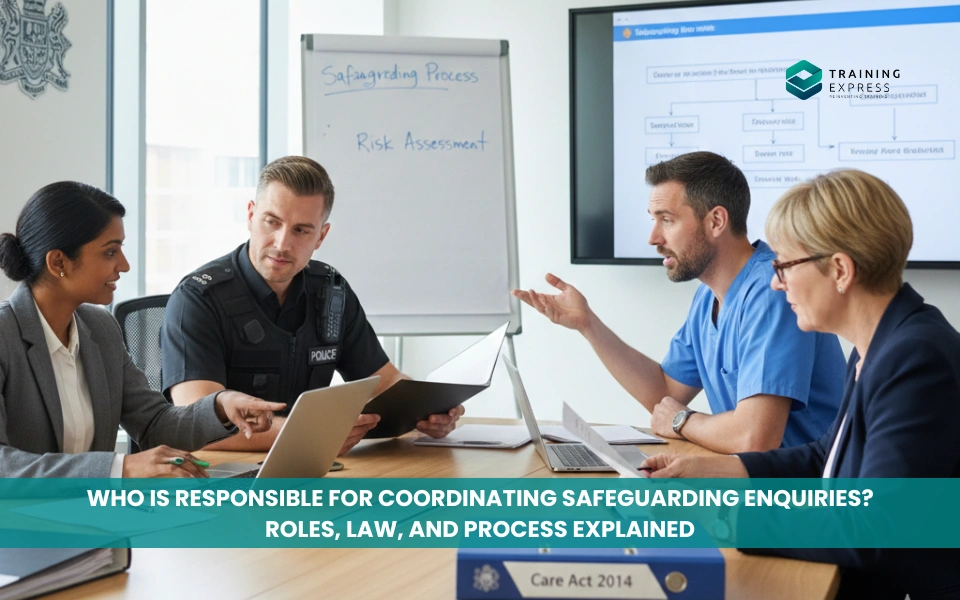
The Local Authority (LA) has the primary legal responsibility for coordinating adult safeguarding enquiries under the Care Act 2014. These enquiries exist to protect adults and children who may be experiencing, or are at risk of, abuse, neglect, or serious harm. Although local authorities typically lead the safeguarding process, safeguarding is never the responsibility of a single organisation. It relies on effective partnership working between councils, health services, the police, care providers, and wider community partners.
Strong coordination is essential because safeguarding cases are often complex, sensitive, and urgent. Without clear leadership and shared processes, important information can be overlooked, responses can be delayed, and individuals may remain exposed to harm. A well-coordinated approach ensures risks are properly assessed, responsibilities are clearly defined, and protective actions are followed through.
This article explains who is responsible for coordinating safeguarding enquiries, how different agencies work together, and what the law requires in practice. It also breaks down key legal duties, including Section 42 and Section 47 enquiries, to help you understand what to do when a safeguarding concern is raised.
Table of Contents
Who Is Responsible for Coordinating Safeguarding Enquiries?
The responsibility for coordinating safeguarding enquiries depends on whether the concern relates to an adult or a child, but in most cases, the local authority takes the lead role.

The Role of the Local Authority
Local authorities have the lead responsibility for coordinating safeguarding enquiries under the Care Act 2014 for adults. When a safeguarding concern meets the criteria for a Section 42 enquiry, the local authority must ensure that an enquiry takes place. This does not always mean they carry out every action themselves, but they remain accountable for oversight and coordination.
The local authority decides how the enquiry is conducted, who is involved, and what actions are required to reduce or remove risk. They also ensure that the adult is involved as much as possible in decisions about their own safety and outcomes.
The Role of the Safeguarding Adults Board (SAB)
Safeguarding Adults Boards do not manage individual cases, but they play a crucial strategic role. The SAB brings together senior representatives from the local authority, health services, and the police to provide oversight, challenge, and assurance.
Their role is to ensure that safeguarding systems are effective, partners work together, and learning is applied across the local area. They may commission Safeguarding Adult Reviews when serious cases highlight concerns about practice or coordination.
Shared Responsibilities With Other Agencies
Safeguarding enquiries rely on partnership working. Health services contribute medical assessments and risk information. The police lead where criminal offences are suspected. Care providers are responsible for raising concerns and cooperating with enquiries. Housing and voluntary services often provide vital contextual information and support.
While the local authority coordinates, every agency has a duty to act, share information appropriately, and prioritise safety.
What Is Safeguarding?
Safeguarding is the action taken to protect adults and children from abuse, neglect, and harm while promoting their wellbeing, dignity, and human rights. It goes beyond reacting to incidents and focuses on prevention, early intervention, and creating safer environments where people are treated with respect.
It covers many forms of abuse, including physical, emotional, sexual, and financial abuse, as well as neglect, discriminatory abuse, and organisational abuse. Safeguarding is a shared responsibility, and it works best when everyone understands the signs of harm, knows how to report concerns, and takes timely action to protect those at risk.
What Does the Law Say About Safeguarding Enquiries?
Safeguarding responsibilities are grounded in law, providing clear duties and expectations for organisations and professionals.

Care Act 2014 – Section 42 Duties
Under Section 42 of the Care Act 2014, a local authority must make, or cause to be made, a safeguarding enquiry if it has reasonable cause to suspect that an adult has care and support needs, is experiencing or at risk of abuse or neglect, and is unable to protect themselves.
The law makes it clear that the local authority leads the process, but it can ask other organisations to undertake specific tasks. Accountability for coordination, decision-making, and outcomes remains with the council.
Children Act 1989 and Section 47 Enquiries
For children, the legal framework is set out in the Children Act 1989. Section 47 places a duty on local authorities to investigate if there is reasonable cause to suspect that a child is suffering, or likely to suffer, significant harm.
This legislation establishes children’s social care as the lead agency, working closely with the police, health professionals, and education services.
What Is a Section 47 Safeguarding Enquiry?
A Section 47 enquiry is a formal child safeguarding investigation carried out by children’s social care when serious concerns are identified.
When a Section 47 Enquiry Is Triggered
A Section 47 enquiry is triggered when there is reasonable cause to suspect significant harm. This may arise from reports of abuse, serious neglect, domestic violence, or concerning injuries. Referrals can come from professionals or members of the public.
Who Leads a Section 47 Enquiry
Children’s social care leads the enquiry and coordinates actions across agencies. The police are involved if a crime may have been committed, and health professionals provide medical assessments and expert opinion. Clear leadership ensures that the child’s safety remains the priority throughout.
How Is Safeguarding Coordination Achieved in Practice?
Effective coordination relies on clear processes, communication, and accountability.

Information Sharing Between Agencies
Agencies must share relevant information lawfully and promptly. Delays or failures in sharing information can place people at continued risk.
Strategy Meetings and Case Conferences
Strategy meetings bring key professionals together to agree risks, roles, and next steps. Case conferences review progress and ensure plans remain appropriate.
Recording, Reporting, and Accountability
Accurate records, clear reporting lines, and defined responsibilities help ensure that safeguarding actions are followed through and reviewed.
What Does the Safeguarding Board Do?
They set local priorities, develop safeguarding policies, and promote consistent practice across agencies.
Strategic Oversight and Policy Development
They set local priorities, develop safeguarding policies, and promote consistent practice across agencies.
Monitoring Safeguarding Effectiveness
Boards review data, audit practice, and challenge organisations to improve safeguarding outcomes.
Learning From Serious Cases
When serious harm or death occurs, boards oversee reviews to identify lessons and drive system-wide improvement.
Which Council Is Responsible for a Safeguarding Enquiry?
Responsibility usually lies with the council where the person is ordinarily resident.
Ordinary Residence Rules
Ordinary residence helps determine which local authority must coordinate the enquiry. This is usually where the person lives or has settled residence.
Cross-Boundary and Complex Cases
In cases involving temporary accommodation or hospital placements, councils must work together to agree responsibility. Clear communication prevents delays and confusion.
What Are the 3 C’s of Safeguarding?

The 3 C’s of safeguarding are core principles that guide professional behaviour and decision-making. They help ensure safeguarding responses are person-centred, ethical, and focused on protecting individuals from harm while respecting their dignity and rights.
- Care: Ensuring the individual’s needs, wishes, and wellbeing are central to all safeguarding actions and decisions.
- Compassion: Responding with empathy, respect, and understanding, particularly when individuals are distressed, frightened, or vulnerable.
- Courage: Speaking up, challenging unsafe practice, and taking action to protect individuals, even when doing so feels uncomfortable or difficult.
What Are the 4 P’s of Safeguarding?
The 4 P’s of safeguarding provide a clear structure for effective safeguarding practice. They support prevention, timely intervention, and strong partnership working across organisations.
- Prevent: Reducing the likelihood of abuse through awareness, training, early intervention, and safe practices.
- Protect: Taking immediate and appropriate action to keep individuals safe from harm when risks are identified.
- Plan: Developing clear safeguarding plans with defined actions, responsibilities, and review points.
- Partner: Working collaboratively with other agencies, professionals, and individuals to achieve safe and effective outcomes.
What Should You Do If You Have a Safeguarding Concern?

Knowing how to respond to a safeguarding concern is essential for protecting individuals and preventing further harm. Acting promptly and following the correct procedures ensures concerns are managed safely and lawfully.
- Immediate Actions to Take: If someone is in immediate danger, contact emergency services straight away and ensure the person is safe and listened to.
- Who to Report Concerns To: Report the concern to the local authority safeguarding team or your organisation’s safeguarding lead, providing clear and factual information.
- Importance of Following Local Safeguarding Procedures: Local procedures ensure concerns are handled consistently, lawfully, and in a way that protects both the individual and the professional.
Closing Note
The responsibility for coordinating safeguarding enquiries sits primarily with the local authority, supported by clear legal duties under the Care Act 2014 and the Children Act 1989. However, safeguarding only works when agencies collaborate effectively and understand their roles.
Partnership working, strong leadership, and clear communication are essential to protect adults and children from harm. Training, awareness, and adherence to local procedures help ensure that safeguarding concerns are identified early and acted on appropriately.
Safeguarding is not optional. Taking concerns seriously and reporting them promptly can make a life-changing difference.
Frequently Asked Questions
Who coordinates safeguarding enquiries for adults?
Adult safeguarding enquiries in the UK are coordinated by the local authority under the Care Act 2014. They are responsible for investigating concerns, protecting vulnerable adults from abuse or neglect, and ensuring appropriate support and interventions are in place.
Is safeguarding everyone’s responsibility?
Yes. Safeguarding is a shared responsibility that applies to everyone—professionals, organisations, and individuals alike. While local councils or social services often lead formal investigations, every person has a duty to recognise, report, and act on concerns about abuse, neglect, or harm. This collective approach helps protect children, vulnerable adults, and communities, ensuring timely intervention and safer environments.
What happens if multiple agencies are involved?
When multiple agencies are involved, the local authority acts as the central coordinator, ensuring all actions are organised and consistent. Each agency brings its specialist expertise and responsibilities, from healthcare and social services to law enforcement and education. By working together under clear communication and shared goals, they protect individuals effectively, avoid duplication, and ensure timely support.
Can a care provider lead a safeguarding enquiry?
Care providers play an important role in safeguarding, including reporting concerns, gathering evidence, and supporting the investigation. However, the overall responsibility for coordinating a safeguarding enquiry always lies with the local authority or designated safeguarding team. Providers should act promptly and follow official guidance to ensure vulnerable individuals are protected while maintaining proper communication with authorities.
What Is the Difference Between Section 42 and Section 47 Enquiries?
The key difference between Section 42 and Section 47 enquiries lies in who is being protected and which law applies.
Section 42 enquiries fall under the Care Act 2014 and are used for adult safeguarding. They apply when an adult (aged 18 or over) has care and support needs and is experiencing, or at risk of, abuse or neglect. Local authorities must investigate to decide what action is needed to protect the adult and reduce future risk.
Section 47 enquiries, on the other hand, come from the Children Act 1989 and focus on child safeguarding. They are triggered when a child is suspected of suffering, or likely to suffer, significant harm. These enquiries are led by children’s social care and often involve schools, health services, and the police.
In short, Section 42 protects vulnerable adults, while Section 47 protects children—each with different legal duties, thresholds, and safeguarding processes.
What happens if safeguarding procedures are not followed?
When safeguarding procedures are not followed, vulnerable people may be exposed to serious harm, abuse, or neglect. Failures can result in physical injury, emotional trauma, or even loss of life, particularly for children, older adults, and those with disabilities.
Organisations and individuals can also face severe consequences, including legal action, criminal charges, regulatory enforcement, and reputational damage. In the UK, failures often trigger safeguarding investigations, serious case reviews, and action from bodies such as the CQC or local safeguarding boards, making compliance both a legal and moral responsibility.
Who is legally responsible for safeguarding?
Everyone who works or volunteers with children and young people is legally responsible for safeguarding. This includes teachers, carers, youth workers, and any professionals in contact with minors.
Who is responsible for safeguarding children?
All adults working with children must ensure their safety. If you are self-employed, you are responsible for implementing safeguarding and child protection policies and procedures to protect the children in your care.
Which local authority is responsible for safeguarding?
In the UK, safeguarding is led by the local council responsible for social services. In areas with both county and district councils, the county council handles adult social care and safeguarding, ensuring vulnerable adults and children are protected.
Who is responsible for safeguarding at work?
Safeguarding at work is everyone’s responsibility, but ultimately, the employer holds the legal duty to protect employees, clients, and vulnerable individuals. Employers must implement clear policies, robust procedures, and regular training to ensure safeguarding is effective. Managers, team leaders, and staff also play a key role by recognising risks, reporting concerns, and acting promptly. Creating a culture where safeguarding is embedded in daily practice ensures a safe, compliant, and supportive workplace.
Are the police responsible for safeguarding?
Yes. The police play a critical role in safeguarding children and vulnerable adults. They have a legal duty to protect and promote the welfare of those at risk, responding to reports of abuse, neglect, or exploitation. This responsibility includes investigating concerns, supporting multi-agency safeguarding procedures, and working closely with social services and other organisations to ensure vulnerable individuals are kept safe.

Related Blogs

- Available Courses
- Animal care10
- Design36
- Training10
- Accounting & Finance Primary51
- Teaching & Academics Primary37
- Teaching23
- Quality Licence Scheme Endorsed181
- Law10
- IT & Software234
- Job Ready Programme52
- Charity & Non-Profit Courses28
- HR & Leadership4
- Administration & Office Skills6
- Mandatory Training36
- Regulated Courses4
- AI & Data Literacy29
- Health and Social Care291
- Personal Development1651
- Food Hygiene119
- Safeguarding81
- Employability288
- First Aid73
- Business Skills298
- Management425
- Child Psychology41
- Health and Safety537
- Hospitality28
- Electronics30
- Construction63
- Career Bundles201
- Marketing39
- Healthcare174