Food Hygiene
 Health & Safety
 Safeguarding
 First Aid
 Business Skills
 Personal Development


Healthcare isn’t confined to a single setting or structure, it moves with the patient, adapting to changing needs, conditions, and stages of life. From the fast-paced corridors of acute care hospitals to the more personal, prolonged support offered in home care and long-term care environments, the diversity of healthcare settings reflects the complexity of patient care itself.
This article explores what it’s like to work across various healthcare environments. You’ll gain insights into the structure and demands of acute care settings such as hospitals, understand the nuanced role of sub-acute care, and examine how professionals deliver tailored support in home and long-term care. Whether you’re new to the field or simply curious about the different roles healthcare workers play, this guide will help clarify where care happens—and why it matters.
Table of Contents
Working in Different Types of Healthcare Settings
Healthcare environments come in a wide variety and might differ substantially depending on their intended use. In these environments, you may be employed by the National Health Service (NHS), a private healthcare facility, or a non-profit.
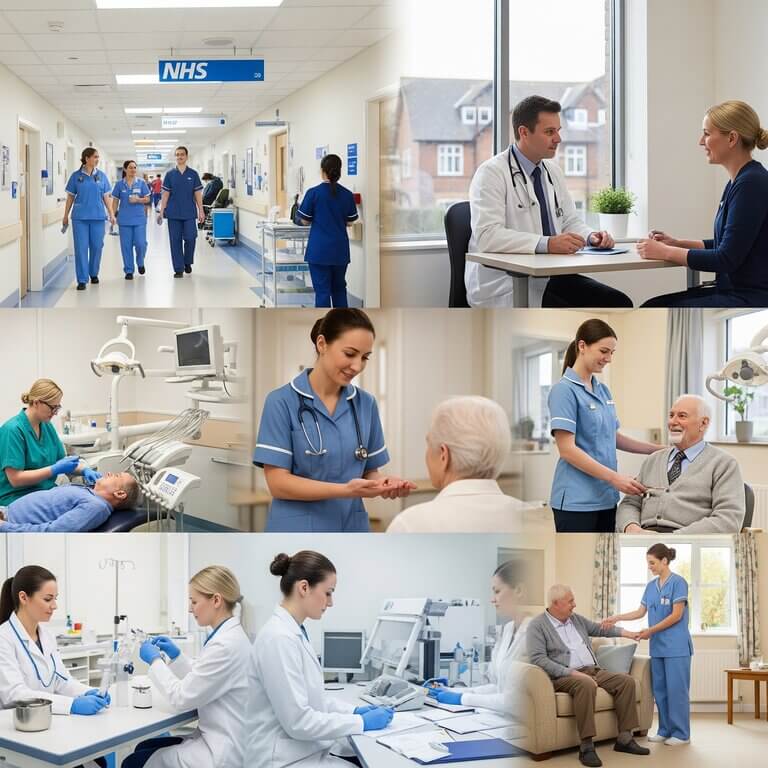
These could be any of the following:
- General Hospitals
- GP Surgeries
- Dental Clinics
- Specialised and General Care Homes
- Scientific-based labs
- Homes of patients requiring care
There are a lot of opportunities in these environments. Graduates can anticipate flexible work schedules, demanding and fulfilling work settings, and the opportunity to work anywhere in the United Kingdom.
Working in Acute Care Settings (Hospitals)
The main goal of acute care settings is to provide healthcare with frequent and/or prompt interventions to enhance or prolong life. Acute care refers to quick, frequently instantaneous interventions to save lives and enhance health rather than chronic or long-term care.
In hospitals, acute care is typically given in the following departments or areas:
- Accident and Emergency (A+E)
- Acute Surgical Wards
- Paediatric/Neonatal Intensive Care Units (NICU/PICU)
- Trauma Bays in A+E or the Resuscitation Area
- Psychological Wards
- Critical/Intensive Care Units (CCU/ICU)
The purpose of acute care in these areas are:
A+E: Patients with small or significant health difficulties will unexpectedly arrive in this section. Prioritising these issues according to the need for care allows them to be addressed as soon as possible.
Acute Surgical Wards: These units specialise in treating patients who require surgery and offer preoperative, intraoperative, and postoperative care.
NICU/PICU: PICU specialised in caring for children who need intensive care, typically up to the age of 16. The NICU specialised in caring for infants who are frequently born prematurely or with congenital problems.
Trauma bays and resuscitation rooms are dedicated to treating traumatic injuries, such as those sustained in auto accidents or during resuscitation procedures. Intubating (ventilating) a patient is frequently necessary during resuscitation in order to ensure their survival and ability to get the proper care.
Psychological Wards: These wards and areas specialise in caring, managing and treating patients with psychological needs. In other words, mental health issues that require immediate or constant care
CCU/ICU: These care units specialise in the constant provision of vital care to patients to prevent death and restore to health. Patients are mainly intubated on these wards, and health observations are constant
Rapid changes in patient health are a common occurrence for nursing assistants working in various departments and areas. Care must be provided quickly to stop these rapid reductions in order to save lives and improve quality of life.
Read Now: What is Health and Social Care? – A complete guide
Working in Sub-acute Care Settings
The main goal of sub-acute care facilities is to treat post-acute patients who still need medical attention. Patients who are not in an emergency but may nonetheless need acute care are assigned this definition of treatment. Additionally, it may indicate that the patient may not need acute treatment but is still admitted to an acute ward (typically because of bed shortages).
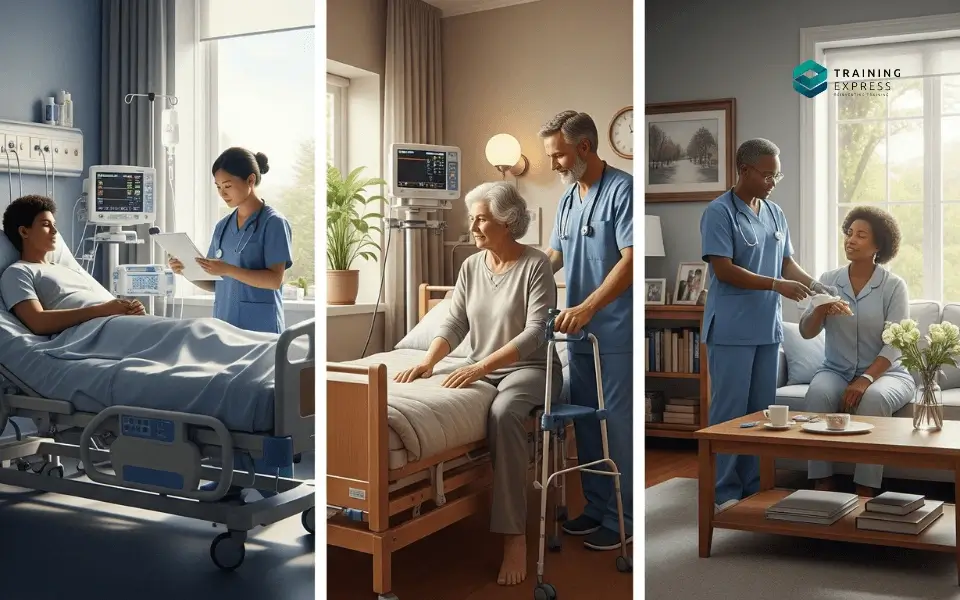
Sub-acute care is found in multiple areas, such as:
- Specialised hospital-based nursing homes
- Hospital departments that provide prolonged care
- Home settings with or without home care
The purpose of sub-acute care in these areas are:
Hospitals: Patients with a variety of illnesses can receive long-term treatment in hospital wards. These can include long-term illnesses, chronic health problems, and recuperation following surgery. Furthermore, some hospitals focus on providing long-term, consistent rehabilitative therapy.
Nursing Homes: Certain more specialised nursing homes provide their residents with hospital beds. This is to give patients lengthier stays with the right tools and techniques to enhance their health.
Home Care: Like district nursing, this type of outside care in patients’ homes may provide round-the-clock assistance or routine visits. This type of care is intended to help patients manage their diseases at home. When a patient is healthy enough to remain at home but still needs wound dressings, diabetic care examinations, etc., this can happen.
You will have to give patients consistent care for extended periods of time when working as a nursing assistant in these types of environments. The main responsibilities of the position will be making observations, drawing blood, and managing illnesses and health concerns.
Working In-Home Care and Long- Term Care Settings
The main goal of long-term care facilities is to provide patients with healthcare that includes care. Chronic health problems or ongoing medical illnesses may be the cause of this. The purpose of this extended care is to manage a patient’s disease or conditions and to restore health and quality of life.
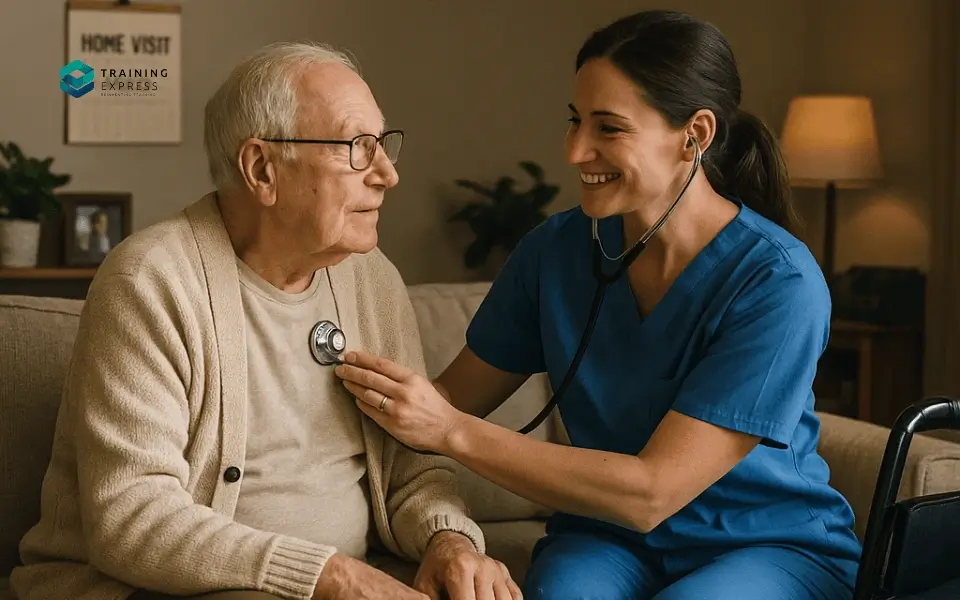
The work settings may overlap, much as the previously listed options. Among them are:
In-home care encompasses a wide range of services, including meal delivery, community nurse health visits, and respite care. The NHS and local governments share responsibility for providing these services. They collaborate to guarantee that this crucial approach to care is maintained for the patients who need it.
Long-Term Care: This category of care encompasses assisted living/residential care, at-home care services, and nursing facility care. This kind of care is offered by numerous companies, such as NHS Help, and is an essential service for the old and sick. When patients are unable to travel or leave their homes, this invaluable service makes sure they get the care they require.
Experiences as a nursing assistant in long-term or in-home settings will differ from those in clinical workplace settings. In these situations, it’s common practice to visit patients at home for routine checkups or to provide treatment while residing there. They allow you to experience a different viewpoint on healthcare and establish a strong rapport with your patients.
Final Words
Every healthcare setting offers a distinct rhythm, set of responsibilities, and type of connection with patients. From the high-intensity demands of hospital wards to the steady, relationship-focused nature of home and long-term care, each environment plays a critical role in supporting patient health and recovery.
Understanding these differences not only helps clarify where care happens—it also provides valuable insight into the kind of setting that might best align with your skills and interests. Whether you prefer the immediacy of acute care or the continuity of long-term support, the healthcare field offers a wide spectrum of roles where you can make a meaningful difference.
Frequently Asked Questions
What is the most common barrier to healthcare?
The most common barrier to healthcare is cost. High medical expenses, including insurance premiums, copays, and prescription costs, often prevent people from seeking timely care. According to studies, nearly 30% of Americans skip medical services due to financial constraints. Lack of insurance coverage exacerbates this issue, particularly for low-income individuals. Other barriers like transportation or limited provider availability exist, but cost remains the primary obstacle. Solutions include expanding affordable insurance options, telehealth services, and community health programs to improve access.
What are intellectual barriers in health and social care?
Intellectual barriers in health and social care refer to challenges individuals with cognitive or learning disabilities face in accessing services. These include difficulty understanding medical information, navigating complex systems, or communicating needs effectively. For example, jargon-heavy explanations or inaccessible formats like dense text can exclude people. To overcome these, providers can use clear language, visual aids, or tailored support plans. Ensuring staff training on intellectual disabilities and offering personalized care improves inclusivity. By addressing these barriers, health and social care systems can enhance equity, ensuring everyone receives understandable, accessible support, ultimately improving outcomes for diverse populations.
What are resource barriers in health and social care?
Resource barriers in health and social care are limitations that hinder access to quality services, such as insufficient funding, staff shortages, or lack of equipment. These barriers can lead to long wait times, inadequate facilities, or limited access to specialized care, disproportionately affecting vulnerable populations. For example, rural areas may lack nearby clinics, while understaffed hospitals struggle to meet patient needs. Overcoming these requires increased investment, workforce training, and innovative solutions like telehealth. Addressing resource barriers ensures equitable, timely, and effective care for all, improving health outcomes and reducing disparities.
What is overcoming barriers in NHS England?
Overcoming barriers in NHS England involves addressing challenges that hinder access to healthcare services, such as long waiting times, stigma, or lack of digital access. NHS England tackles these through initiatives like the “Register with a GP Surgery” service, which simplifies registration without needing proof of address, and mobile mental health clinics to reach underserved areas. Community partnerships, cultural competence training, and awareness campaigns reduce stigma and improve inclusivity. By enhancing service availability, streamlining processes, and engaging with local communities, NHS England ensures equitable access to care for all, particularly for seldom-heard groups.
What is the role of health and social carers in reducing barriers?
Health and social carers play a vital role in reducing barriers by promoting equitable access to care, addressing physical, emotional, and social challenges. They advocate for patients, ensuring services are inclusive and tailored to diverse needs. Carers remove obstacles like language barriers through interpreters, enhance mobility with assistive devices, and provide emotional support to combat isolation. They also educate communities, challenge stigma, and coordinate with organizations to improve resource access. By fostering trust and personalized care, they empower individuals, ensuring better health outcomes and social inclusion, ultimately breaking down systemic and personal barriers effectively.