Food Hygiene
 Health & Safety
 Safeguarding
 First Aid
 Business Skills
 Personal Development

Healthy eating plays a crucial role in maintaining overall health and wellbeing. The foods we consume provide the nutrients our bodies need for energy, growth, and proper functioning. However, many people struggle to understand what healthy eating actually involves.
Nutrition is not just about dieting or avoiding certain foods. Instead, it focuses on developing balanced eating habits that support long-term health. Understanding the key principles of nutrition can help individuals make informed food choices and maintain a healthier lifestyle.
By learning the basics of nutrition, people can improve their energy levels, support their immune system, and reduce the risk of many health conditions.
This guide explores 10 essential nutrition principles that everyone should understand in order to build healthy eating habits and support long-term wellbeing.
Table of Contents
10 Essential Nutrition Principles Everyone Should Know

1. Eat a Balanced Diet
A balanced diet includes foods from different food groups such as fruits, vegetables, whole grains, protein sources, and healthy fats.
2. Include a Variety of Foods
Eating a wide variety of foods helps ensure the body receives different nutrients needed for overall health.
3. Prioritise Fruits and Vegetables
Fruits and vegetables are rich in vitamins, minerals, fibre, and antioxidants that support immune health.
4. Choose Whole Foods When Possible
Whole foods such as whole grains, fresh produce, and minimally processed foods generally provide more nutrients than highly processed foods.
5. Maintain Proper Portion Sizes
Consuming appropriate portion sizes helps maintain a healthy balance between energy intake and energy expenditure.
6. Limit Added Sugars
Excessive sugar consumption may contribute to weight gain and increase the risk of certain health conditions.
7. Reduce Excess Salt Intake
High salt intake can contribute to high blood pressure and other health issues.
8. Stay Hydrated
Drinking enough water helps support digestion, circulation, and overall body function.
9. Maintain Regular Eating Patterns
Eating regular meals helps maintain energy levels and supports healthy metabolism.
10. Balance Nutrition with Physical Activity
Healthy eating works best when combined with regular physical activity and an active lifestyle.
What Are Nutrition Principles?
Nutrition principles are basic guidelines that help individuals understand how food affects the body and how to maintain healthy eating habits. These principles are based on scientific knowledge about nutrients, dietary balance, and the role food plays in maintaining health.

By following nutrition principles, individuals can ensure that their bodies receive the nutrients required for growth, energy, and overall wellbeing.
These principles encourage people to focus on balanced diets, variety in food choices, and moderation in portion sizes.
Why Nutrition Is Important for Health
Good nutrition supports many essential functions in the body. The nutrients found in food help the body produce energy, repair tissues, and maintain proper organ function.
Good nutrition also plays an important role in preventing many lifestyle-related health conditions. Diets that include a balanced intake of fruits, vegetables, whole grains, and lean proteins can help reduce the risk of heart disease, type 2 diabetes, obesity, and other chronic health conditions. Developing healthy eating habits early in life can support long-term wellbeing and improve overall quality of life.

Healthy eating habits may help individuals:
- maintain healthy body weight
- support immune system function
- improve energy levels
- support mental wellbeing
- reduce the risk of chronic diseases
Understanding nutrition principles allows individuals to make healthier choices and build sustainable eating habits.
How to Apply Nutrition Principles in Everyday Life
Understanding nutrition principles is only the first step. Applying these principles in everyday life helps individuals develop healthier eating habits that support long-term wellbeing.

Simple changes in daily routines can make it easier to follow healthy nutrition practices. For example, planning meals ahead of time can help ensure that meals include a variety of food groups such as vegetables, whole grains, and protein sources. Choosing whole foods instead of highly processed options can also improve nutrient intake.
Another practical approach is maintaining balanced portion sizes during meals. This helps prevent overeating while ensuring the body receives the nutrients it needs for energy and daily activities.
Drinking enough water throughout the day, including more fruits and vegetables in meals, and limiting foods high in sugar or salt are also simple ways to support better nutrition.
By gradually applying these principles, individuals can develop sustainable eating habits that contribute to improved health and overall wellbeing.
How These Principles Support a Healthy Lifestyle

Following nutrition principles helps individuals develop sustainable eating habits that support long-term wellbeing. Balanced nutrition can improve energy levels, support physical health, and help maintain a healthy weight.
When combined with regular physical activity and healthy lifestyle choices, good nutrition can significantly contribute to overall health and wellbeing.
When individuals follow basic nutrition principles, they are more likely to maintain consistent energy levels throughout the day and support better physical and mental performance. Healthy eating habits can also improve digestion, strengthen the immune system, and support healthy weight management. Over time, these habits contribute to long-term health and overall wellbeing.
Common Nutrition Mistakes People Make
Many individuals unintentionally develop unhealthy eating habits. Some common nutrition mistakes include:
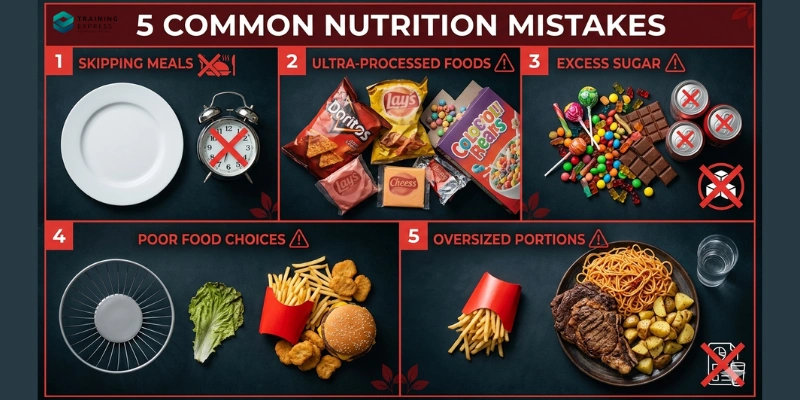
- skipping meals
- consuming excessive processed foods
- relying heavily on sugary snacks
- not eating enough fruits and vegetables
- misunderstanding portion sizes
Understanding basic nutrition principles can help people avoid these mistakes and make better dietary choices.
Tips for Improving Daily Eating Habits
Developing healthy eating habits does not require drastic lifestyle changes. Small improvements can gradually lead to better nutrition.

Helpful tips include:
- planning meals in advance
- including more fruits and vegetables in meals
- choosing whole grains instead of refined carbohydrates
- drinking enough water throughout the day
- limiting highly processed foods
These habits can help individuals maintain a healthier and more balanced diet. Developing healthy eating habits often begins with small, manageable changes. Over time, these adjustments can become part of daily routines and support long-term lifestyle improvements.
Learning More About Nutrition and Healthy Living
Understanding the principles of nutrition can help individuals make informed food choices and improve their overall lifestyle.

For those interested in expanding their knowledge, structured learning programmes can provide deeper insight into nutrition, healthy eating, and lifestyle wellbeing.
Courses such as a Diploma in Nutrition and Health Level 2 introduce learners to the foundations of nutrition, including balanced diets, nutrients, and healthy lifestyle habits.
Start Learning About Nutrition and Health
Understanding nutrition principles is an important step toward building healthier lifestyle habits and making informed food choices. By learning how food affects the body, individuals can make informed choices that support long-term health and wellbeing.
For those interested in expanding their knowledge, a Diploma in Nutrition and Health Level 2 can provide a structured introduction to topics such as balanced diets, nutrients, and healthy lifestyle practices.
Developing knowledge about nutrition can support both personal wellbeing and future learning opportunities in health and lifestyle education.
Frequently Asked Questions (FAQ)
What are the basic principles of nutrition?
The basic principles of nutrition include eating a balanced diet, consuming a variety of nutrient-rich foods, maintaining proper portion sizes, and supporting overall health through healthy lifestyle habits.
Why are nutrition principles important?
Nutrition principles help individuals make healthier food choices, maintain balanced diets, and support long-term physical and mental wellbeing.
How can nutrition improve overall health?
Good nutrition supports energy levels, strengthens the immune system, improves digestion, and reduces the risk of many chronic health conditions.
What foods should be included in a healthy diet?
Healthy diets typically include fruits, vegetables, whole grains, lean proteins, healthy fats, and adequate water intake.