Food Hygiene
 Health & Safety
 Safeguarding
 First Aid
 Business Skills
 Personal Development
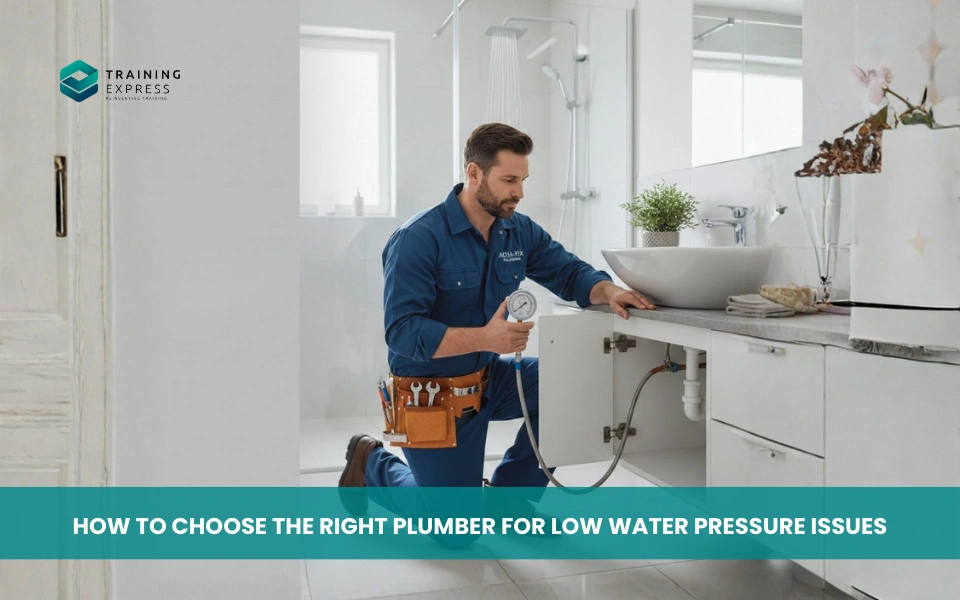

Low water pressure is one of the most common plumbing problems affecting both homes and businesses. From weak shower streams to slow-filling sinks, it’s an issue that disrupts daily routines and reduces comfort.
Beyond inconvenience, low water pressure can signal deeper plumbing problems such as hidden leaks, corroded pipes, or faulty pressure regulators. If left unresolved, these issues may lead to costly water damage and increased utility bills.
Choosing the right plumber is essential to ensure accurate diagnosis and cost-effective repairs. This guide provides homeowners with a complete resource to find qualified professionals who can restore optimal water pressure quickly and safely.
Table of Contents
Use Coupon Code:
Use this coupon at Checkout
How to Choose the Right Plumber for Low Water Pressure Issues
Finding the right plumber is key to fixing low water pressure efficiently and avoiding unnecessary costs or repeated problems.
Look for Experience and Specialisation
When dealing with low water pressure, it’s crucial to hire a plumber who has specific experience diagnosing and resolving water flow problems. Not all plumbing issues are the same, and low pressure often requires detailed troubleshooting skills.
Choose professionals with relevant certifications, licensing, and plumbing qualifications. Specialized experience ensures they understand complex systems, including pressure regulators, pipe networks, and municipal connections.
Check Reviews and References
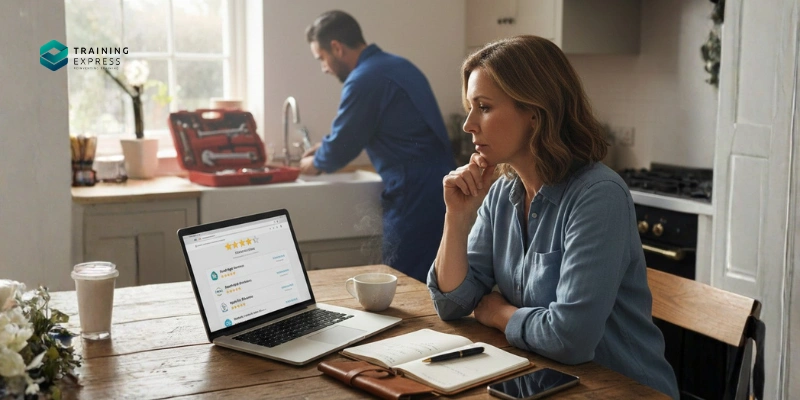
Online reviews and testimonials provide valuable insight into a plumber’s reliability and service quality. Platforms like Google, Yelp, and local directories often highlight customer satisfaction levels and response times.
Pay attention to consistent complaints such as poor communication, hidden fees, or incomplete work. Red flags include multiple unresolved negative reviews or vague feedback about pricing transparency.
Evaluate Diagnostic Skills
An experienced plumber should clearly explain how they plan to identify the root cause of low water pressure. This may involve inspecting for pipe blockages, corrosion, leaks, or municipal supply issues.
Ask about their troubleshooting process before they provide a quote. Professionals who conduct a proper inspection before estimating costs are more likely to deliver accurate solutions.
Compare Pricing and Estimates

Always request written estimates to compare service pricing transparently. Detailed breakdowns help you understand labor costs, parts, and potential additional charges.
Be cautious of plumbers who provide fixed pricing without inspecting the problem first. Low water pressure issues vary, and accurate pricing requires a thorough evaluation.
Verify Insurance and Guarantees
Ensure the plumber carries liability insurance to cover potential damage during repairs. This protects both your property and your finances.
Look for warranties on workmanship and replacement parts. Guarantees demonstrate confidence in service quality and provide peace of mind.
What Causes Low Water Pressure?
Understanding the possible causes helps homeowners know what to check before calling a plumber.
Common Plumbing Issues
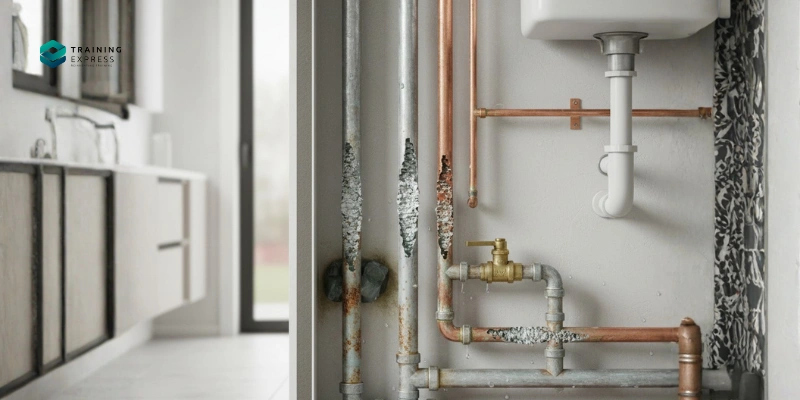
Internal plumbing problems are frequent causes of low water pressure. These include pipe leaks, corrosion buildup, mineral deposits, clogs, and malfunctioning shut-off valves.
Over time, aging pipes restrict water flow, reducing overall system efficiency and performance.
External Causes
Sometimes the issue originates outside your property. Municipal water supply problems, maintenance work, or peak-hour demand can temporarily reduce pressure.
Contacting your local water authority can help confirm whether the problem is community-wide.
Household Fixtures
Blocked faucet aerators, outdated fixtures, or faulty pressure regulators may restrict water flow. These smaller components can significantly impact water pressure if not properly maintained.
Regular inspection of household fixtures can prevent minor issues from escalating.
How to Identify Low or No Water Pressure
Common symptoms of low or no water pressure include slow-running taps, weak shower streams, inconsistent water delivery, and household appliances—like washing machines or dishwashers—taking longer than usual to fill. You might also notice pressure fluctuations when multiple taps are used at the same time, or certain areas of your home experiencing little to no flow. These signs indicate that there could be an underlying plumbing issue that needs attention.
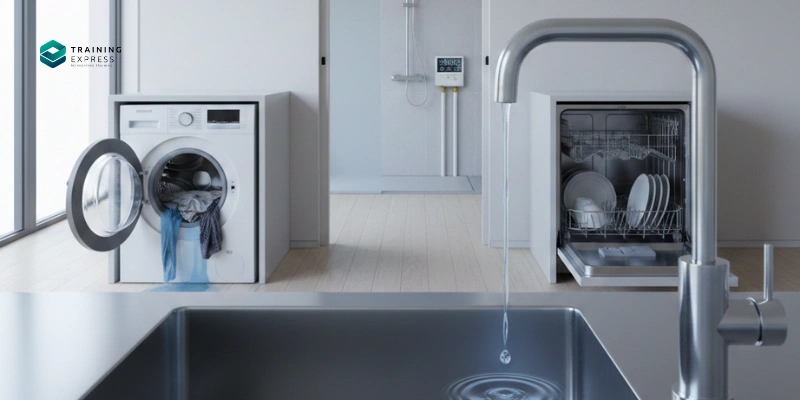
Before calling a plumber, you can perform a few simple checks. Make sure your main water valve is fully open, inspect and clean faucet aerators, and test multiple taps throughout your home. If only one faucet has weak pressure, the problem is likely localized, such as a blocked fixture or valve. If multiple taps are affected, it may point to a broader plumbing issue that requires professional assessment.
Can a Plumber Help with Low Water Pressure?
Yes, a professional plumber can accurately diagnose and fix low water pressure issues that DIY solutions often cannot. Using specialized tools like pressure gauges, leak detection devices, and inspection cameras, plumbers can identify whether the problem is caused by pipe blockages, leaks, faulty regulators, or municipal supply issues.
Hiring a qualified plumber ensures that repairs are done safely and in compliance with local codes, preventing further damage to your plumbing system. Expert intervention not only restores water flow effectively but also provides long-term solutions, saving you time, money, and the stress of recurring issues.
How to Avoid Getting Ripped Off by a Plumber
Hiring a plumber shouldn’t feel risky, but without proper research, it can become costly. Taking a few smart precautions helps you protect your home and your budget while ensuring you receive quality service.
Verify Credentials and Licensing
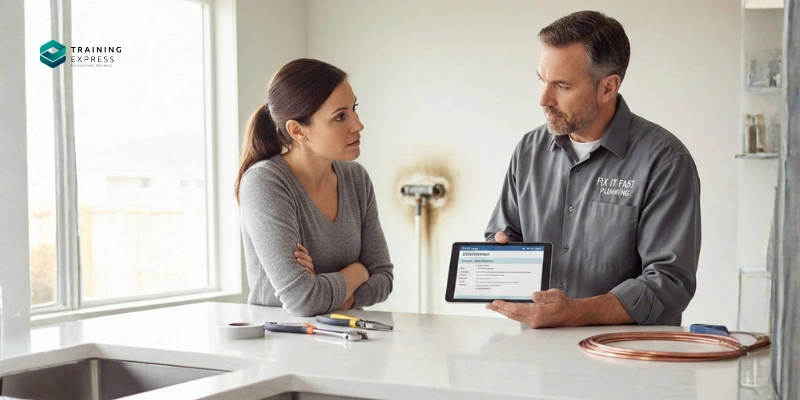
Always confirm the plumber’s license and certification through official regulatory bodies. Licensed professionals meet industry standards and safety requirements, which helps protect your property and ensures the work complies with local building codes. You can usually verify a license number online or request proof of insurance and certification directly from the plumber before hiring.
Ask for Transparent Pricing
Request itemized quotes that clearly outline labor, materials, and any potential additional charges. Transparency reduces the risk of unexpected costs and misunderstandings later. A professional plumber should be willing to explain the estimate in simple terms so you fully understand what you’re paying for.
Get Multiple Estimates
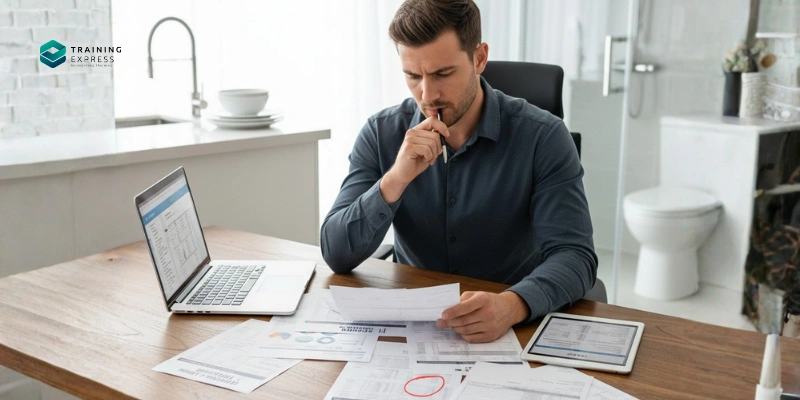
Comparing estimates from different plumbers provides insight into fair market pricing and service scope. It also helps you evaluate differences in proposed solutions, timelines, and warranties. Be cautious of quotes that are significantly lower than others, as they may indicate shortcuts or hidden fees.
Avoid Plumbers Who Pressure You
Reputable plumbers allow you time to review estimates and ask questions before making a decision. High-pressure sales tactics—such as demanding immediate payment or claiming the offer is “today only”—are often warning signs. A trustworthy professional focuses on solving your problem, not rushing you into a commitment.
How to Find a Plumber Who Can Identify and Fix Low Water Pressure
Finding the right plumber requires more than a quick online search. You need someone with proven experience in diagnosing and resolving water pressure problems efficiently.
Use local directories, online platforms, and recommendations from neighbors or friends to identify trusted professionals.
Confirm their experience handling low-pressure issues specifically. Ask about diagnostic methods, tools used, expected repair timeframes, and follow-up support.
DIY vs Professional Fixes: Can You Fix Low Water Pressure Yourself?
Some minor water pressure problems can be resolved with basic troubleshooting. However, understanding your limits is key to avoiding further damage.
Minor Fixes You Can Attempt
Homeowners can start with a few simple troubleshooting steps before calling a plumber. Cleaning faucet aerators is often the quickest fix, as mineral buildup and debris can restrict water flow over time. Unscrew the aerator, rinse out sediment, and soak it in vinegar if necessary to dissolve limescale. You should also check that all shut-off valves—especially the main water valve and fixture isolation valves—are fully open. Even a slightly closed valve can significantly reduce pressure.
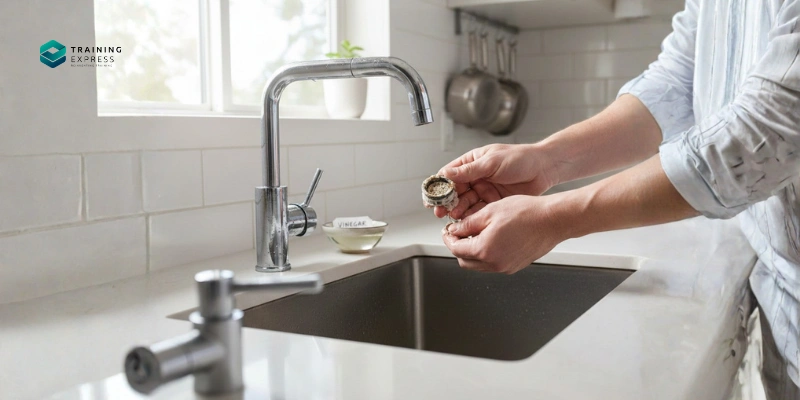
Inspect visible pipes under sinks or in basements for small leaks, corrosion, or moisture. Tightening loose connections or replacing worn washers may improve flow. Flushing sediment from showerheads and fixtures can also help restore normal pressure. These minor fixes are cost-effective and safe for most homeowners to handle without professional tools.
When to Call a Professional
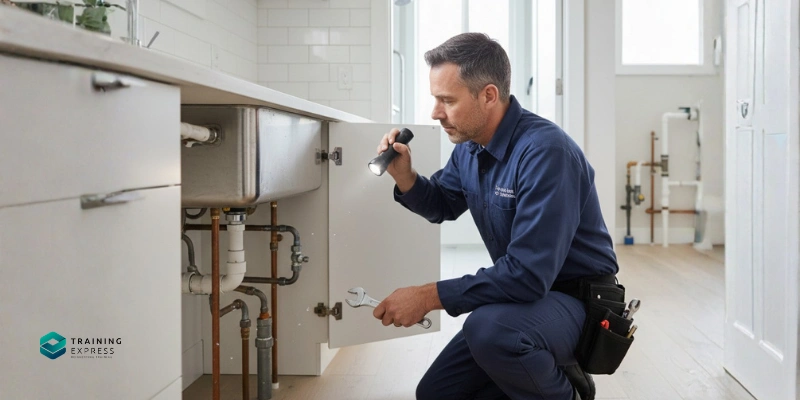
If low water pressure persists after basic checks, it’s time to call a licensed plumber. Ongoing pressure problems may indicate hidden pipe leaks, corroded plumbing lines, faulty pressure regulators, or even issues with the municipal supply. These situations require specialized diagnostic equipment and professional expertise to prevent further damage.
Homes with older plumbing systems or complex pipe networks should never rely solely on DIY repairs. Pipe replacements, internal blockages, and pressure regulator adjustments must be handled carefully to meet safety standards and local regulations. Attempting major repairs without proper training can result in water damage and costly mistakes.
For homeowners interested in building practical knowledge, completing an Online Plumbing Course Level 1 & Level 2 for just £8 can help you understand the fundamentals of plumbing systems, water pressure troubleshooting, and basic repair techniques. While it won’t replace professional licensing, it can give you the necessary skills and confidence to handle minor issues safely and know when expert intervention is required.
Final Words
Choosing the right plumber for low water pressure issues is essential to protect your home, finances, and comfort. A qualified professional provides accurate diagnosis, safe repairs, and long-term solutions that prevent recurring problems.
By verifying credentials, comparing estimates, and evaluating expertise, homeowners can avoid unnecessary costs and ensure reliable service.
Don’t rely on guesswork when it comes to your plumbing system. Find a trusted plumber today to restore your home’s water pressure quickly and safely.
Frequently Asked Questions (FAQ)
What is considered low water pressure in a home?
Typically, water pressure below 40 PSI is considered low, while normal residential pressure ranges between 40–60 PSI.
How much does it cost to fix low water pressure?
Costs vary depending on the cause, ranging from minor fixture cleaning to major pipe replacement.
Can low water pressure damage my plumbing system?
Yes, unresolved issues like leaks or corrosion can worsen over time and cause structural damage.
How long does it take a plumber to fix low water pressure?
Simple repairs may take a few hours, while complex issues could require multiple visits.
Are there temporary solutions for low water pressure?
Cleaning fixtures or adjusting valves may offer short-term improvement, but underlying problems need proper diagnosis.
How do I know if my water pressure problem is municipal or internal?
Check with neighbors or your water supplier to determine if the issue is widespread.
Should I replace old pipes if I have low water pressure?
If corrosion or mineral buildup is severe, pipe replacement may improve performance and longevity.
How often should I have my plumbing inspected for pressure issues?
Annual inspections are recommended to detect potential problems early.
How do I check if a plumber is licensed and insured?
Verify credentials through local licensing authorities and request proof of insurance directly.