Food Hygiene
 Health & Safety
 Safeguarding
 First Aid
 Business Skills
 Personal Development
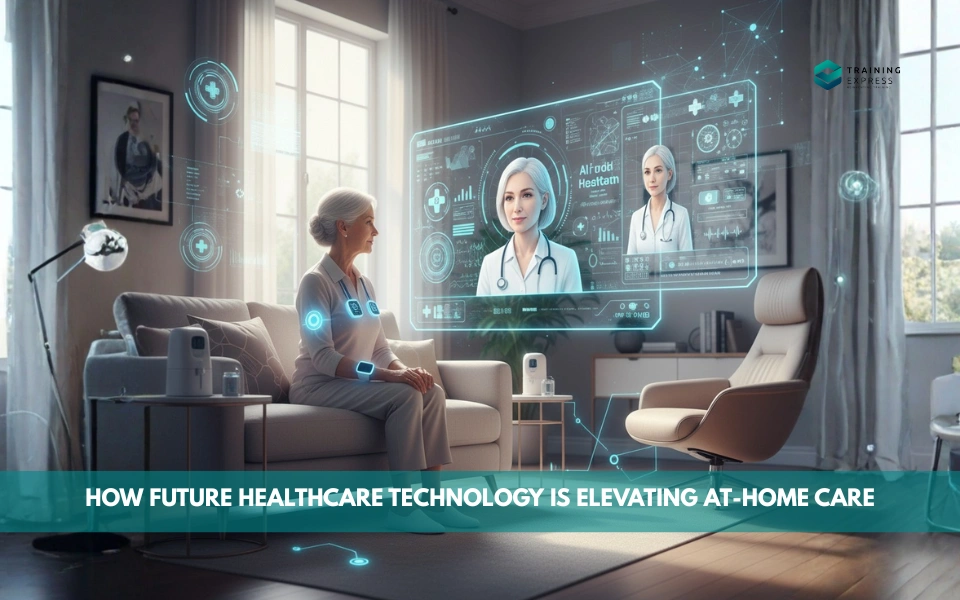
At-home healthcare is experiencing one of the fastest shifts in the medical world. More people now prefer receiving treatment, monitoring, and support from the comfort of their homes rather than visiting hospitals or clinics for every concern. Several factors power this transition: aging populations, rising chronic illnesses, higher healthcare costs, and a global push toward more patient-centered care. But the biggest catalyst of all is technology. From smart devices to AI health tools, future healthcare innovation is reshaping how people manage their health daily. Today, at-home care is no longer limited to simple nursing visits—it’s becoming a fully connected, data-driven ecosystem that boosts safety, comfort, independence, and timely intervention. Let’s explore how.
Table of Contents
How Future Healthcare Technology Is Elevating At-Home Care
Future healthcare technology is shifting care away from hospital-centered systems and bringing it directly into people’s homes. Digital tools now allow patients to be monitored remotely, reducing unnecessary hospital visits and creating a more comfortable healing environment. This hybrid model blends home convenience with hospital-level support, improving access and reducing exposure to infections.
Real-time data from wearables, sensors, and health apps is enabling highly personalized care. Patients and doctors can track vital signs instantly, spot problems early, and adjust treatment plans quickly. This shift from generic care to data-driven decisions leads to fewer complications and empowers individuals to understand their health more deeply.
Technology also enhances safety and independence at home through fall detectors, voice assistants, and smart reminders. At the same time, remote monitoring and telehealth reduce costs and ease pressure on healthcare systems. As digital tools advance, at-home care will become even more efficient, affordable, and patient-centered.
9 Innovative Home Health Care Technologies
Before diving deeper into the future of at-home care, it’s important to understand the breakthrough technologies making it possible. These innovations are transforming homes into safer, smarter, and more connected health environments. Below are the key technologies leading this transformation.
| Technology | Key Points |
|---|---|
|
1. Telehealth Visits |
Virtual doctor appointments; fast access; no travel needed. |
|
2. Remote Monitoring |
Tracks vitals in real time; early detection; fewer emergencies. |
|
3. Wearable Smart Technology |
Smartwatches/sensors; continuous health tracking; fall alerts. |
|
5. AI-Assisted Data Analysis |
Predicts health issues; sends alerts; personalised insights. |
|
6. Virtual Reality for Rehabilitation |
At-home therapy; pain relief; cognitive and physical recovery. |
|
7. Smart Hygiene Systems |
Touchless sanitizing; cleaner environment; reduces infection risk. |
|
8. Care Coordination Apps |
Connects families/caregivers; tracks tasks; simplifies communication. |
|
9. Robotic Assistants |
Help with mobility and daily tasks; companionship; reminders. |
1. Telehealth Visits
Telehealth is now a core part of home healthcare. Patients can speak with doctors via video calls, access prescriptions online, and have routine check-ups without stepping outside. This technology saves time and reduces exposure risks. Telehealth also makes healthcare accessible to people living in rural or remote areas. With faster appointment scheduling and online medical records, it’s one of the most impactful innovations shaping future care
2. Remote Monitoring
Remote patient monitoring uses devices to track vitals like blood pressure, glucose, oxygen levels, or heart rate. These tools send data directly to healthcare providers, enabling early interventions. Chronic disease patients, such as those with diabetes or hypertension, benefit immensely because their daily readings help specialists adjust treatment plans quickly. Remote monitoring reduces hospital readmissions by catching problems early.
3. Wearable Smart Technology
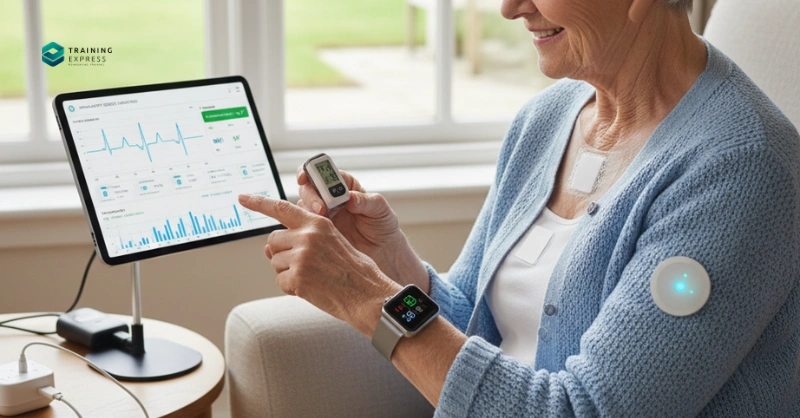
Smartwatches, biosensors, ECG devices, and patches are becoming personal health companions. These wearables continuously collect health information and alert users when unusual patterns appear. Advanced models even detect falls or track oxygen levels, which is vital for elderly users or patients with respiratory conditions. Wearables combine convenience with lifesaving capabilities.
4. Smart Home Technology
Smart homes are turning into health-supporting environments. Lights that adjust automatically, motion sensors that detect inactivity, and medication reminder systems help patients stay safe and on schedule. Smart thermostats ensure ideal temperatures for recovery, while connected security systems offer peace of mind to both patients and families.
5. AI-Assisted Data Analysis
Artificial intelligence can scan large amounts of data to predict health issues before they occur. It detects patterns humans may overlook, such as gradual blood pressure changes or irregular sleep cycles. AI also sends instant alerts when something looks wrong, creating faster response times. Personalised treatment recommendations are becoming common thanks to AI’s ability to analyse patient data effectively.
6. Virtual Reality for Rehabilitation
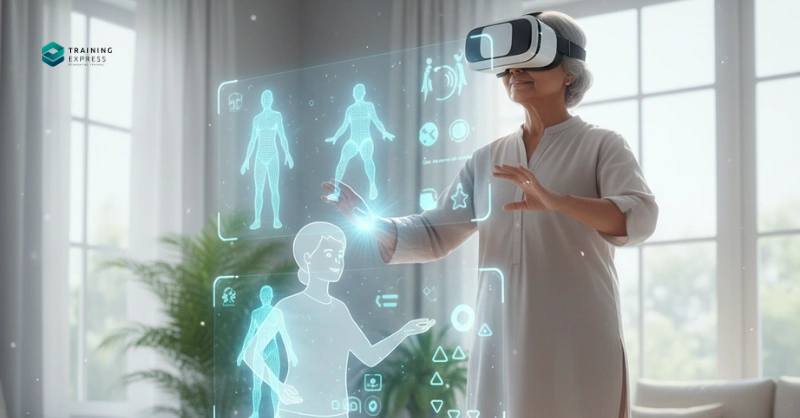
Virtual reality (VR) is transforming home rehabilitation. Patients recovering from strokes, surgeries, or chronic pain can engage in guided therapy sessions through VR. It’s interactive, motivating, and tailored to their needs. VR also supports cognitive therapy, helping individuals with memory or attention challenges. Pain management programs in VR can significantly reduce anxiety and discomfort.
7. Smart Hygiene Systems
Smart hygiene devices include automatic sanitizers, hands-free faucets, self-cleaning gadgets, and anti-microbial technologies. These tools reduce infection risks, especially for vulnerable patients. Contactless hygiene systems ensure that caregivers and family members maintain a safe environment with minimal effort.
8. Care Coordination Apps
Communication is crucial in home-based care. Care coordination apps allow doctors, caregivers, nurses, and family members to stay updated on a patient’s health status. These apps track tasks, medications, appointments, and notes. With shared access, everyone involved in care remains synchronized, reducing misunderstandings and improving support quality.
9. Robotic Assistants
Robotic assistants are becoming powerful allies for patients who require daily support. These robots help with mobility, carry small items, remind patients about medications, or even provide social interaction to combat loneliness. Advanced models can monitor vital signs, connect to emergency services, or assist with routine tasks like cleaning or lifting lightweight objects.
Smart Home Integration for Health & Safety
Smart home integration is becoming a key pillar of modern at-home healthcare, connecting everyday devices with advanced health-monitoring tools. These technologies create safer, more supportive living environments while helping patients manage their health effortlessly. With automation and real-time tracking, homes are evolving into intelligent care spaces designed for safety, comfort, and independence.

Smart Devices for Health Monitoring
Devices such as smart scales, glucose meters, blood pressure monitors, and oxygen trackers are essential to home health ecosystems. They sync with mobile apps and dashboards, giving patients and doctors instant access to accurate readings. These tools simplify routine checks and support proactive management of chronic diseases.
Remote Patient Monitoring Systems
Remote monitoring systems combine sensors, wearables, and data software to constantly observe patient health. These systems prevent emergencies by detecting changes early—like irregular heart rhythms or oxygen drops. Doctors can make decisions faster, while patients feel reassured knowing they’re being monitored in real-time.
Voice-Activated Assistance
Voice assistants like Alexa and Google Home are becoming digital caregivers. They set medication reminders, control home devices, call emergency contacts, and assist with daily tasks. For elderly or disabled individuals, voice commands eliminate the need to navigate screens or physical buttons.
Home Automation for Enhanced Safety
Smart locks prevent unauthorized entry. Fall detection sensors alert family members instantly. Automated lighting prevents nighttime accidents. Temperature control systems maintain safe indoor environments. These home automation features work together to create a secure, comfortable living space for vulnerable individuals.
The Future of Advanced Technology in Home Health Care
As technology continues to evolve, the next wave of innovation is set to transform home healthcare even further. From AI-driven care plans to fully connected smart home ecosystems, the future promises smarter, faster, and more personalized support for patients. These upcoming advancements will push at-home care to a level once possible only in hospitals.
AI-Driven Personalised Care Plans
AI will analyze daily data to build custom treatment plans that evolve as the patient’s condition changes. Each person receives care tailored precisely to their lifestyle, symptoms, risks, and history.
Predictive Analytics for Early Diagnosis
Predictive analytics will detect diseases at extremely early stages, sometimes before symptoms appear. This will revolutionize prevention and dramatically reduce serious complications.
Full Integration of IoT in Home Ecosystems
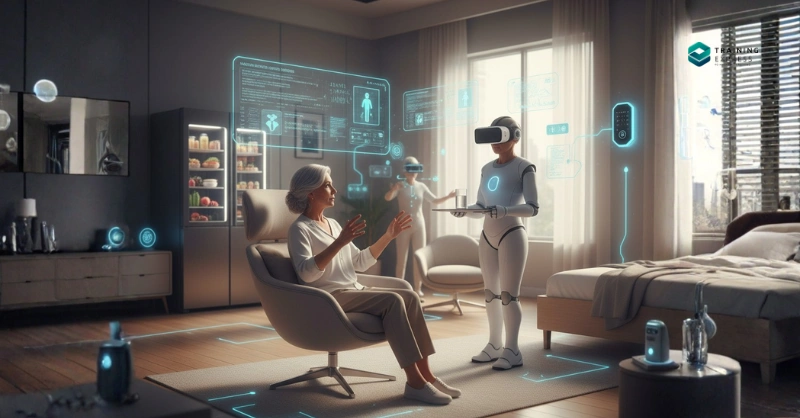
In the future, every smart device—from your fridge to your mattress—could work together to maintain your health automatically. IoT ecosystems will connect everything into one intelligent home hub.
Growth of Remote Rehabilitation (Virtual & Augmented Reality)
Remote rehab will expand with VR and AR, offering full physical therapy sessions, guided workouts, cognitive exercises, and recovery programs right from home.
Autonomous Home-Care Robots
Robots will evolve into advanced companions that assist with mobility, personal care, medical monitoring, and even emotional support. They will help address caregiver shortages worldwide.
Closing Notes
Future healthcare technology is reshaping the meaning of at-home care. With digital tools, patients gain more independence, safety, and comfort than ever before. Doctors and caregivers benefit from real-time data, efficient monitoring systems, and reduced workload. As AI, robotics, IoT, and smart home innovations continue to evolve, home care will become even more proactive, personalized, and accessible. This transformation isn’t just improving health—it’s redefining how people live, recover, and age with dignity.
Frequently Asked Questions (FAQ)
What technologies are currently used in at-home healthcare?
Telehealth, remote monitoring devices, wearables, smart home tools, AI-powered apps, and robotic assistants are among the most popular technologies.
Is remote patient monitoring safe and accurate?
Yes. Modern monitoring devices are highly accurate and approved by medical authorities. They provide reliable data for early intervention.
How does AI improve home healthcare?
AI analyzes real-time data, predicts health risks, recommends treatment adjustments, and sends automated alerts to caregivers or doctors.
Can elderly people easily use smart home care solutions?
Yes. Most devices are voice-controlled, intuitive, and designed specifically for seniors with simple interfaces.
What will home healthcare look like in the next 10 years?
Homes will function as mini smart clinics powered by AI, robots, IoT, VR rehabilitation, and predictive analytics.

Related Blogs


- Available Courses
- Animal care10
- Design36
- Training10
- Accounting & Finance Primary53
- Teaching & Academics Primary37
- Teaching23
- Quality Licence Scheme Endorsed181
- Law10
- IT & Software240
- Job Ready Programme52
- Charity & Non-Profit Courses28
- HR & Leadership4
- Administration & Office Skills6
- Mandatory Training36
- Regulated Courses4
- AI & Data Literacy29
- Health and Social Care291
- Personal Development1677
- Food Hygiene119
- Safeguarding81
- Employability288
- First Aid73
- Business Skills301
- Management432
- Child Psychology41
- Health and Safety539
- Hospitality28
- Electronics30
- Construction63
- Career Bundles201
- Marketing39
- Healthcare174