Food Hygiene
 Health & Safety
 Safeguarding
 First Aid
 Business Skills
 Personal Development
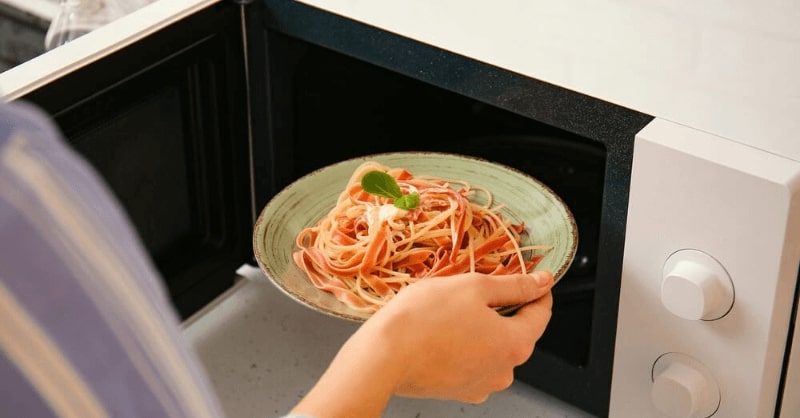

Food reheating is the process of heating previously cooked foods to eat them again. It helps to make food more palatable and easier to eat. You can reheat food in various ways, such as in a microwave, stove, or oven. Therefore, you need to know when and how you can reheat food. Nevertheless, you must follow food hygiene and safety guidelines when reheating food, as certain foods can become unsafe if not reheated correctly.
Table of Contents
When can you reheat the food?
It is generally safe to reheat food as long as it has been handled and stored properly. However, to ensure that the food is heated to a safe temperature to kill any potential bacteria or other pathogens that may be present. Avoid reheating foods left at room temperature for two hours or more, as these foods may have been in the “danger zone” (between 4 °C and 60 °C) for too long and may have developed harmful bacteria.
It also must be noted that some foods may not be suitable for reheating because they may become tough, lose their texture, or produce toxins when reheated. These foods include potatoes, rice, and chicken.
Can you reheat food whenever you like? Yes, as long as doing it follows Food Hygiene and Safety guidelines. Generally, it is best to reheat food until it is steaming hot throughout. Also, it is important to cook food thoroughly while reheating if any raw food touches cooked food.
How to keep food safe, even when reheating?
There are several steps to keep food safe to eat when reheating:
1. Use food thermometer
To ensure that the food has reached a safe internal temperature, check the temperature of the reheated food using a thermometer. The temperature should be at least 165 °F (74 °C) for meat, poultry, and seafood and 140 °F (60 °C) for leftovers.
2. Foods You Should Avoid Reheating
Not all foods are suitable for reheating, especially if they have been stored incorrectly or left at room temperature for too long. Reheating may kill some bacteria, but it does not always remove harmful toxins that may have already formed.
Foods that need extra care include:
- Cooked rice – Can contain Bacillus cereus spores that survive cooking and may produce toxins if rice is left out too long.
- Cooked pasta – Similar to rice, pasta can allow bacteria to grow when stored improperly.
- Egg dishes – Foods like scrambled eggs or omelettes can become unsafe if not cooled and stored correctly.
- Chicken and other poultry – Safe to reheat only when stored properly and heated thoroughly.
- Seafood – Fish and shellfish should be reheated carefully and eaten soon after cooking.
- Potatoes – Cooked potatoes can develop bacteria if left at room temperature for extended periods.
- Spinach and leafy greens – Should be stored properly and reheated only when necessary.
The key is not avoiding reheating completely, but storing food correctly, cooling leftovers quickly, and reheating them until they are steaming hot throughout.
3. Reheat in small portions
It is safer to reheat small portions of food, as they will heat more evenly and quickly. In addition, this process helps to reduce the risk of bacterial growth.
4. Reheat thoroughly
Make sure to heat the food until it is hot all the way through. If the food is not heated thoroughly, it can be a breeding ground for bacteria.
5. Store leftovers properly
Proper storage plays a major role in keeping leftover food safe to eat. Bacteria can multiply quickly when food is left at room temperature, so leftovers should be refrigerated within 2 hours of cooking and stored in clean, airtight containers.
For better food safety:
- Allow hot food to cool slightly before refrigerating, but avoid leaving it out for too long.
- Store leftovers in shallow containers so they cool faster and more evenly.
- Keep your fridge at 4°C (40°F) or below to slow bacterial growth.
- Label leftovers with the date so you know when they should be used.
- Reheat only the portion you plan to eat instead of repeatedly warming the same food.
Following safe storage habits helps maintain food quality, reduce waste, and lower the risk of food poisoning.
Are you going to live alone soon, or have you already begun to live independently and don’t know anything about food hygiene and safety?
Or do you want to understand the fundamentals of microbiology and food hazard control?
This course is for you!
This Food Hygiene and Safety Course will help you:
- Know the fundamentals of microbiology and food hazard control
- Learn about temperature control and how to check, verify and record temperature
- To avoid both bacteria and non-bacterial food poisoning and various food-borne illnesses.
- The best ways to preserve food and prevent food spoilage
- Learn to implement and maintain a solid food safety management system in the workplace
The general guidance for reheating food
Reheating food safely is not just about making it hot again; it also involves maintaining food quality and reducing the risk of foodborne illness. Following the right temperature, storage, and reheating methods helps ensure leftovers are safe and enjoyable to eat. Here are some general guidelines for reheating food:
What temperature should you reheat food?
It is important to reheat food to a safe internal temperature to reduce the risk of food poisoning. The United States Department of Agriculture (USDA) recommends reheating cooked food to an internal temperature of at least 165 °F (74 °C) to kill any harmful bacteria that may be present. To ensure that the food has reached this temperature, you can use a food thermometer to check the internal temperature of the food.
How many times can you reheat food?
There is no specific limit on the number of times you can reheat food. However, it is generally best to minimise the number of times you reheat food to reduce the risk of food poisoning. Because each time you reheat food, there is a chance that harmful bacteria could grow, especially if the food not reheats to a safe internal temperature.
Eating leftovers within 3–4 days of cooking is generally recommended to minimise the risk of food poisoning.
What happens if you don’t reheat food?
If you don’t reheat food, it can be consumed cold or at room temperature, depending on the type of food. Some foods, such as sandwiches, salads, and cold cuts, are meant to be eaten cold and do not need to be reheated. Other foods, such as meat, poultry, and casseroles, are generally safer if reheated to a temperature of at least 165 °F (74 °C).
Not reheating food to a safe internal temperature can increase the risk of food poisoning. In addition, harmful bacteria, such as Salmonella, E. coli, and Listeria, can grow on foods if not properly cooked or stored. These bacteria can cause serious illness, especially in vulnerable populations such as young children, pregnant women, and older adults.
It is important to follow food hygiene and safe handling practices, including reheating food to a safe temperature, to reduce the risk of food poisoning. If you are unaware of which food you can reheat and which you can not, it is best to be cautious and reheat it to a safe temperature.
When is it risky to reheat?
There are certain situations in which it may be risky to reheat food. Here are some examples:
When the food is left at room temperature for more than 2 hours
Bacteria can grow rapidly on perishable foods left at room temperature for an extended period. Therefore, it recommends discarding foods left at room temperature for 2 hours or more to reduce the risk of food poisoning.
Contaminated food
Food can become contaminated when it comes into contact with raw meat, unclean surfaces, dirty hands, or harmful substances. Even if the food looks normal, bacteria may still be present, which is why proper storage and handling are important.
If the food has an unusual smell or appearance
Changes in smell, colour, texture, or appearance can be signs that food has spoiled. If food smells strange, looks mouldy, feels slimy, or seems different from when it was fresh, it is best to avoid eating it.
The food that has been frozen and thawed multiple times
When food is frozen and thawed multiple times, it can compromise the quality and safety of the food. Therefore, recommends discarding food that is frozen and thawed multiple times.
In general, minimising the number of times, you reheat food is best to reduce the risk of food poisoning. However, if you are unsure whether it is safe to reheat a particular food, it is best to discard it to reduce the risk of food poisoning.
Generally, it is safe to reheat most cooked foods as long as they have been handled and stored properly. However, some foods may taste less good when reheated, and some may not be as safe after being reheated multiple times. For example, reheated chicken or turkey stored in the refrigerator for more than a day or two may be dry or tough, and reheated eggs may become rubbery or overcooked. Additionally, it is important to reheat foods to a safe internal temperature to kill any bacteria that may be present.
Can you reheat the rice?
Yes, you can reheat rice. However, it would be best if you discarded leftover rice to reduce the risk of food poisoning. When rice is cooked and left at room temperature, bacteria can grow on it rapidly. Therefore, reheating rice may not kill all the bacteria present, and there is a risk that you could get food poisoning if you eat the rice.
If you want to reheat rice, it is important to handle it properly to minimise the risk of food poisoning.
How long should I microwave rice?
It is generally not recommended to microwave rice to reheat it, as microwaves may not heat high enough temperature to kill harmful bacteria. However, if you do want to microwave rice, it is important to handle it properly to minimise the risk of food poisoning.
Heat the rice on high power for 1–2 minutes or until it is heated to at least 165 °F (74 °C), as measured with a food thermometer.
How to stir-fry leftover cooked rice and rice dishes?
Stir-frying leftover cooked rice and rice dishes are a quick and easy way to use leftovers and create a new meal. Here are some tips for stir-frying leftover cooked rice:
- Start with cold, cooked rice: It is best to use it when stir-frying, as it will be less sticky and easier to work. If the rice is hot or warm, it is more likely to stick together and become mushy.
- Use a non-stick pan or wok: A non-stick pan or wok will help prevent sticking rice to the bottom of the pan.
- Add oil to the pan: Add a small amount of oil, such as vegetable or peanut oil, to the pan. It prevents the rice from sticking to the pan and gives it a nice, crispy texture.
- Stir-fry the rice over medium-high heat: Heat the pan or wok over medium-high heat and add the rice to the pan. Stir-fry the rice for 2–3 minutes or until it is heated.
- Add additional ingredients: Once the rice is heated, add additional ingredients, such as vegetables, meat, or seafood. Stir-fry the ingredients together until fully cooked.
- Serve the stir-fry: Once the ingredients are fully cooked, remove the pan and serve the stir-fry immediately.
Following these guidelines, you can stir-fry leftover cooked rice and rice dishes to create a new and delicious meal.
How to steam leftover rice and rice dishes?
Different methods you can use to steam leftover rice or rice dishes:
- In a pot: Place the leftover rice or rice dish in a pot with a tight-fitting lid. Add a small amount of water (just enough to create steam) to the pot and heat over medium-high heat until the water starts to boil. Reduce heat to low and let the rice steam for a few minutes until it is heated.
- In a microwave: Place the leftover rice or rice dish in a microwave-safe dish with a lid or cover it with microwave-safe plastic wrap. Add a small amount of water (just enough to create steam) to the dish. Heat the rice in the microwave on high power for a few minutes until it is heated.
- On the stovetop: Place the leftover rice or rice dish in a heat-resistant dish that fits inside a pot or saucepan with a tight-fitting lid. Add a small amount of water (just enough to create steam) to the pot or saucepan, and place the dish with the rice on a wire rack or steaming basket inside the pot. Cover the pot and heat over medium-high heat until the water starts to boil. Put the heat to low and let the rice steam for a few minutes until it is heated.
Whatever method you choose, stir the rice occasionally while it is steaming to ensure that it heats evenly. You may also need to adjust the cooking time depending on the amount of rice you are heating and your preferred level of doneness.
Can You Reheat Chicken?
Yes, you can reheat chicken safely if it has been stored properly and heated until it is steaming hot throughout. However, chicken needs careful handling because bacteria can grow if cooked chicken is left at room temperature for too long.
Before reheating chicken, make sure it was refrigerated within 2 hours of cooking and used within 3–4 days. Reheating will not remove toxins that may have developed from poor storage, so food safety starts before the reheating process.
How should you reheat chicken?
In the microwave:
- Place chicken in a microwave-safe dish.
- Add a small amount of water, broth, or sauce to keep it moist.
- Cover with a lid or damp paper towel.
- Heat in short intervals and turn halfway through.
- Make sure the chicken reaches 74°C (165°F) internally.
In the oven:
- Heat the oven to around 180°C (350°F).
- Add a little liquid and cover the chicken with foil.
- Heat until warm throughout.
In an air fryer:
- Heat at around 160–180°C.
- Reheat for a few minutes until fully warmed.
- Avoid overheating to prevent dryness.
Tips for reheating chicken safely:
- Only reheat the portion you plan to eat.
- Avoid reheating chicken multiple times.
- Discard chicken with an unusual smell or texture.
Can You Reheat Prawns?
Yes, you can reheat prawns, but they should be reheated carefully because seafood can quickly lose its texture. Prawns should only be reheated if they have been stored correctly in the fridge after cooking.
If prawns have been left at room temperature for too long, reheating may not make them safe because bacteria can multiply and produce harmful substances.
How should you reheat prawns?
In a pan:
- Add a small amount of oil, butter, or sauce.
- Heat gently for a few minutes.
- Stir regularly until warmed through.
In the microwave:
- Place prawns in a covered microwave-safe dish.
- Heat in short bursts.
- Avoid overheating to prevent a rubbery texture.
Tips for reheating prawns safely:
- Do not reheat prawns repeatedly.
- Eat reheated prawns soon after warming.
- Make sure they are hot throughout before serving.
Can You Reheat Pasta?
Yes, pasta can be reheated safely when it has been stored correctly. However, cooked pasta can allow bacteria to grow if it is left at room temperature for too long, so proper storage is important.
Adding moisture while reheating helps restore the texture and prevents pasta from becoming dry or sticky.
How should you reheat pasta?
In the microwave:
- Add a splash of water or extra sauce.
- Cover the pasta to trap steam.
- Stir halfway through heating.
On the stovetop:
- Add a small amount of sauce, water, or broth.
- Heat gently while stirring.
- Warm until evenly heated.
In the oven:
- Place pasta in an oven-safe dish.
- Cover with foil.
- Heat until hot throughout.
Tips for reheating pasta safely:
- Store cooked pasta in an airtight container.
- Avoid reheating the same portion multiple times.
- Add sauce before reheating to improve texture.
Can You Reheat Salmon?
Yes, you can reheat salmon safely if it has been stored properly. Salmon is best reheated gently because high heat can make it dry and affect its flavour.
Cooked salmon should be refrigerated quickly after cooking and eaten within a few days for the best quality.
How should you reheat salmon?
In the oven:
- Cover salmon with foil.
- Add a little water, sauce, or lemon juice.
- Heat gently until warm.
In the microwave:
- Use a lower heat setting.
- Cover to prevent moisture loss.
- Heat in short intervals.
Tips for reheating salmon safely:
- Avoid overheating salmon.
- Only reheat once.
- Check that the centre is warm before eating.
Can You Reheat an Omelette?
Yes, omelettes can be reheated, although the texture may become slightly firmer. Proper storage is important because egg-based foods can spoil if left out too long.
How to reheat an omelette safely:
- Microwave for short periods to avoid overcooking.
- Warm gently in a covered pan.
- Avoid high heat, which can make eggs rubbery.
Can You Reheat Meat?
Yes, cooked meat such as beef, lamb, and pork can be reheated safely when stored correctly. Adding moisture during reheating helps prevent the meat from becoming dry.
How to reheat meat safely:
- Oven: Cover with foil and heat slowly.
- Pan: Add gravy, stock, or sauce.
- Microwave: Cover to lock in moisture.
Can You Reheat Fish?
Yes, fish can be reheated safely, but it should be done carefully to avoid a dry texture. Fish should only be reheated if it has been stored properly.
How to reheat fish safely:
- Oven: Heat gently while covered.
- Pan: Warm slowly with a little oil.
- Avoid overheating, as fish can lose moisture quickly.
Can You Reheat Sausages?
Yes, sausages can be reheated safely if they have been cooked, stored, and reheated correctly. They should always be heated until hot in the centre before eating.
Sausages can dry out during reheating, so using gentle heat helps maintain their flavour and texture.
How should you reheat sausages?
In the oven:
- Heat at around 180°C (350°F).
- Place sausages in a dish and cover if needed.
- Heat until fully warmed.
In a pan:
- Add a small amount of oil.
- Warm on medium heat.
- Turn regularly for even heating.
In the microwave:
- Cover sausages.
- Heat in short intervals.
- Check they are hot throughout.
Tips for reheating sausages safely:
- Avoid leaving cooked sausages at room temperature.
- Do not reheat sausages multiple times.
- Store leftovers in the fridge in a sealed container.
Can You Reheat Soup?
Yes, soup is one of the easiest foods to reheat safely. It should be heated until steaming hot and stirred properly to ensure even warming.
How to reheat soup safely:
- Stovetop: Heat slowly while stirring.
- Microwave: Stir halfway through heating.
- Add water or stock if the soup has become too thick.
Can You Reheat Turkey?
Yes, turkey can be reheated safely when stored correctly. Since turkey meat can dry out easily, adding moisture improves the result.
How to reheat turkey safely:
- Add gravy, stock, or a little water.
- Cover with foil when using an oven.
- Heat until hot throughout before serving.
Can You Reheat Jacket Potatoes?
Yes, jacket potatoes can be reheated safely if they were cooled and stored correctly after cooking. The reheating method affects the final texture.
How to reheat jacket potatoes safely:
- Oven: Best for keeping the skin crispy.
- Air fryer: Helps restore crunchiness.
- Microwave: Faster but may soften the skin.
Can You Reheat Couscous?
Yes, couscous can be reheated safely and easily. Adding moisture helps bring back its soft texture.
How to reheat couscous safely:
- Add a splash of water before heating.
- Cover while reheating to trap steam.
- Fluff with a fork before serving.
Can You Reheat Chips?
Yes, chips can be reheated, although they may not taste exactly like fresh ones. The main challenge is restoring crispiness.
How to reheat chips safely:
- Air fryer: Best option for crisp texture.
- Oven: Spread evenly on a tray before heating.
- Avoid microwaving, as chips can become soft and soggy.
Can You Reheat Spinach?
Yes, spinach can be reheated safely if stored correctly. Reheat only the portion you need instead of warming the same batch repeatedly.
How to reheat spinach safely:
- Warm gently in a pan.
- Microwave in short intervals.
- Avoid overheating to maintain quality.
Can You Reheat Beetroot?
Yes, beetroot can be reheated safely and usually keeps its flavour well. Gentle heating helps maintain texture.
How to reheat beetroot safely:
- Warm slowly in a pan.
- Microwave covered to retain moisture.
- Avoid heating for too long.
Can You Reheat Baked Beans?
Yes, baked beans can be reheated safely and are simple to prepare. They should be heated evenly before eating.
How to reheat baked beans safely:
- Stovetop: Warm slowly while stirring.
- Microwave: Heat in a covered bowl.
- Add a small amount of water if needed.
7 golden rules of reheating food
Here are seven rules for safely reheating food:
1. Check the food for signs of spoilage. Reheat only foods that are in good condition and stored properly. Should discard foods with an off smell, taste, or appearance.
2. Reheat foods to a safe internal temperature. Use a food thermometer to ensure the food reaches a safe internal temperature. The safe internal temperature for most cooked meats, such as chicken, turkey, beef, and lamb, is 165 °F (74 °C). The safe internal temperature for most cooked seafood, such as fish and shellfish, is 145 °F (63 °C).
3. Use a microwave or stovetop to reheat foods. These methods allow you to heat the food evenly and quickly, reducing the risk of bacterial growth. Avoid reheating foods in a toaster oven or air fryer, as these methods may not heat the food evenly and can lead to undercooking or burnt edges.
4. Divide large portions of food into smaller, shallow containers for faster, more even reheating.
5. Cover foods while reheating to retain moisture and prevent drying out.
6. Stir and rotate the food frequently while reheating to ensure even heating.
7. Avoid reheating foods more than once. Multiple reheating can increase the risk of bacterial growth and may result in a loss of quality.
By following these guidelines, you can ensure that your reheated foods are safe to eat and maintain their quality.
6 Methods of Reheating Food
Several methods you can use to reheat food, including:
1. Stovetop
Use a pan or pot to reheat food on the stovetop. It is a good method for reheating foods prone to drying, such as meats and casseroles.
2. Microwave
The microwave is a convenient and quick way to reheat food. However, it can sometimes result in uneven heating, so be sure to stir the food frequently while it is reheating.
3. Oven
Use the oven to reheat large portions of food or dishes that need heat evenly. This method can take longer than other methods, but it is a good option for dishes that need heat for a longer period, such as roasts or casseroles.
4. Grill
Use a grill to reheat grilled foods, such as burgers or steaks. This method can add a crispy exterior to the food.
5. Slow cooker
Use a slow cooker to gently reheat foods prone to drying, such as soups, stews, and roasts.
6. Steamer
Use a steamer to reheat foods prone to becoming soggy, such as rice and vegetables.
No matter which method you choose, follow food safety guidelines for reheating foods to ensure they are safe to eat.
Reheating Meat
- You can use a food thermometer to ensure that the meat has reached a safe internal temperature (165 °F/74 °C for most meats).
- Reheat meats in a pan or pot on the stovetop, oven, or grill.
- Avoid reheating meats in the microwave, which can result in uneven heating.
Reheating Dairy
- Reheat dairy products, such as milk and cheese, in a pan on the stovetop or microwave.
- Avoid overheating dairy products, as they can curdle or become grainy when overheated.
Reheating Vegetables
- Reheat vegetables in a pan on the stovetop or in the microwave.
- Avoid overheating vegetables, as they can become mushy when overcooked.
Reheating Starchy Foods
- Reheat starchy foods, such as pasta and rice, in a pan on the stovetop or microwave.
- Add a small amount of water and broth to the pan or microwave-safe dish to help prevent the starchy foods from drying.
- Avoid overheating starchy foods, as they can become gummy or sticky when overcooked.
No matter which type of food you are reheating, follow food safety guidelines to ensure that the food is reheated to a safe internal temperature and handled properly to prevent the risk of bacterial growth.
Reheating leftovers

Here are some general tips for reheating leftovers
Cool thoroughly
Before storing leftovers, allow the food to cool to room temperature. It will help prevent the growth of bacteria and ensure that the food is safe to store.
Store food properly
Place leftovers in airtight containers and store them in the refrigerator or freezer. Follow recommended storage times for specific types of food to prevent spoilage. For example, most cooked meats and casseroles should be stored in the refrigerator for no more than 3–4 days, while most cooked grains, such as rice and pasta, can be stored in the fridge for up to a week. Use foods stored in the freezer for the best quality within 2–6 months.
Reheat leftovers
- Place the food in a pan or pot on the stovetop, microwave, or oven.
- You can use a food thermometer to ensure that the food has reached a safe internal temperature (165 °F/74 °C for most meats, 145 °F/63 °C for most seafood).
- Avoid reheating leftovers more than once, as multiple reheating can increase the risk of bacterial growth.
What Leftovers Should Not Be Reheated?
Most leftovers can be reheated safely when they have been cooled, stored, and handled correctly. However, some leftovers should be thrown away rather than reheated because reheating cannot always make unsafe food safe again.
Do not reheat leftovers if:
- They have been left at room temperature for more than 2 hours (or 1 hour in very hot weather).
- They have an unusual smell, taste, colour, or texture.
- There are visible signs of mould or spoilage.
- The packaging is leaking, swollen, or damaged.
- You are unsure how long the food has been stored.
- The leftovers have already been reheated once and left sitting out again.
Particular caution should be taken with high-risk foods such as:
- Seafood dishes
- Dairy-based sauces and soups
- Cooked eggs and egg-based dishes
- Cream-filled desserts
- Ready-to-eat deli meats
When it comes to food safety, it is best to follow the rule: “If in doubt, throw it out.” Reheating can kill many bacteria, but it may not destroy all toxins produced by spoiled food.
What Is the 2-2-2 Rule for Leftovers?
The 2-2-2 rule is a simple food safety guideline that helps reduce the risk of food poisoning and food waste. It consists of three easy steps:
- 2 Hours: Refrigerate cooked food within 2 hours of cooking (or within 1 hour if the temperature is above 32°C/90°F).
- 2 Days: Eat refrigerated leftovers within 2 days for the best quality and safety.
- 2 Months: If you do not plan to eat leftovers within 2 days, freeze them and use them within 2 months for optimal taste and texture.
To keep leftovers safe, store them in airtight containers and divide large portions into shallow containers so they cool more quickly. When reheating, ensure food is steaming hot throughout and reaches an internal temperature of 74°C (165°F).
While some food safety organisations recommend a slightly longer storage period, such as the 2-2-4 rule, following the 2-2-2 rule is a simple and cautious approach that helps minimise the risk of foodborne illness.
Frequently Asked Questions (FAQ)
Are You Supposed to Reheat Leftovers?
Yes, most leftovers can be reheated safely if they have been stored properly. Reheating food until it is steaming hot throughout helps kill many harmful bacteria, but it cannot always remove toxins produced by improperly stored food.
What Is the Best Way to Warm Up Leftover Food?
The best reheating method depends on the type of food. Microwaves are quick and convenient, ovens help maintain texture, stovetops work well for soups and sauces, and air fryers are ideal for foods that should stay crispy. Regardless of the method, food should be heated evenly and thoroughly before eating.
What Foods Are Most Risky to Reheat?
Foods become risky when they are stored incorrectly rather than because they are reheated. High-risk leftovers include seafood, cooked eggs, dairy-based dishes, cream sauces, and foods that have been left at room temperature for too long. If food smells unusual or shows signs of spoilage, it should be discarded instead of reheated.
What Two Foods Can You Live Off Of?
There are no two foods that provide every nutrient your body needs for long-term health. However, foods such as potatoes and eggs are often cited because together they provide a broad range of carbohydrates, protein, vitamins, and minerals. A balanced diet with a variety of foods is always recommended.
What Two Foods Never Expire?
Pure honey and salt are two foods that can last indefinitely when stored properly. Honey’s low moisture content and salt’s natural preservative properties make them highly resistant to bacterial growth, although their texture or appearance may change over time.

Tom Parkinson
Author | Specialises in Food Safety
Tom Parkinson is an e-learning specialist and tutor at Training Express, with experience creating practical resources and strategies to support learners and enhance their professional development.
Related Blogs