Food Hygiene
 Health & Safety
 Safeguarding
 First Aid
 Business Skills
 Personal Development


Rice is one of those pantry staples that shows up in dishes across the globe—think sushi in Japan, biryani in India, and jambalaya in the American South. It’s affordable, filling, and can be stored for a long time. But when it comes to leftovers, there’s often a bit of hesitation: Can you reheat rice? The short answer is yes, but you need to do it safely.
What many people don’t realize is that rice is a little riskier than most foods when it comes to reheating. Why? Because of a sneaky bacterium that can survive cooking and wreak havoc on your digestive system. That’s why learning how to properly reheat rice isn’t just a kitchen hack—it’s a food safety essential.
In this article, we’ll dive deep into the science behind reheating rice, bust some myths, and give you tried-and-true methods for keeping your rice delicious and safe. Whether you’re microwaving last night’s stir-fry or looking to crisp it up in the air fryer, we’ve got you covered. Let’s get into it!
Table of Contents
Can You Reheat Rice?
Yes, you can safely reheat rice, but how it was cooled and stored matters most. The risk isn’t the reheating itself, but a bacteria called Bacillus cereus that thrives in room-temperature rice. Always make sure it is steaming hot all the way through before eating.
What is Bacillus Cereus?
Let’s talk about the bacteria that makes reheating rice a bit more risky than just pressing “start” on the microwave. It’s called Bacillus cereus, a common bacteria found in soil and often present in rice and other foods.
The tricky part is that Bacillus cereus can form spores that survive cooking temperatures. So even after rice is cooked, those spores can remain. If the rice is left at room temperature, the spores can multiply and produce toxins that may cause food poisoning, leading to symptoms like vomiting, diarrhoea, and stomach cramps.
The main issue isn’t the bacteria itself, but the toxins it produces when cooked rice is left out too long. The longer it sits at room temperature, the higher the risk of it becoming unsafe to eat.
Why Does Bacillus Cereus Matter in the Case of Rice?
Rice is a carbohydrate-rich food, which means it’s a perfect breeding ground for bacteria like Bacillus cereus once it starts to cool down. Unlike other types of bacteria, Bacillus cereus doesn’t just die off after cooking—it goes dormant and waits for the right environment to flourish.

And what’s that environment? Warm, moist, and nutrient-rich—aka your leftover rice that’s been sitting at room temperature for hours. That’s why improperly stored rice is one of the most common culprits in food poisoning cases around the world.
Understanding this helps us see why the question “Can you reheat rice?” is really about how it’s been stored and handled before you attempt to reheat it. If you do everything right—cool it quickly, store it properly, and reheat it thoroughly—then yes, it’s perfectly safe. But if not, you could be rolling the dice with your stomach.
Is It Safe to Reheat Cooked Rice?
Yes, reheating rice can be totally safe, but it depends on a few key factors:
- How long it sat out after cooking: The “danger zone” for bacteria is between 40°F (4°C) and 140°F (60°C). If your rice has been in this zone for more than 1–2 hours, it’s best to toss it.
- How it was stored: Rice should be cooled quickly and stored in an airtight container in the fridge within one hour of cooking.
- How it’s reheated: You need to reheat rice to at least 165°F (74°C) to kill any active bacteria or spores.
So yes, you can reheat rice—but you need to do it right. Later in this article, we’ll cover all the best methods for reheating rice safely.
Early Symptoms of Food Poisoning from Reheated Rice
If cooked rice is stored incorrectly, bacteria like Bacillus cereus can multiply and produce toxins that may cause food poisoning. Symptoms can appear quickly, but the timing and severity depend on the type of toxin involved.
For most healthy adults, symptoms are usually mild and short-term. However, young children, older adults, pregnant women, and people with weakened immune systems may be more likely to experience stronger effects.
Vomiting Symptoms (1–6 Hours After Eating)
This type of food poisoning can develop quickly because the toxin is already present in the rice before eating. Reheating may kill bacteria, but it does not always remove toxins that have already formed.
Common symptoms include:
- Sudden nausea
- Vomiting
- Stomach cramps
- Feeling weak or tired
A fever is uncommon, and symptoms often improve within 12–24 hours. However, frequent vomiting can lead to dehydration, so replacing lost fluids is important.
Diarrhoea Symptoms (8–16 Hours After Eating)
This type usually appears later and happens when toxins affect the digestive system. It can feel similar to other food-related stomach illnesses.
Symptoms may include:
- Watery diarrhoea
- Abdominal cramps
- Mild nausea
- Low-grade fever
Most cases improve within a day, but it is important to rest and stay hydrated while recovering.
How Long After Eating Bad Rice Do Symptoms Start?
The timing can vary, but symptoms usually appear within:
- 1–6 hours: Vomiting and nausea symptoms
- 8–16 hours: Diarrhoea and stomach cramps
Because symptoms can appear quickly, it is easy to blame the most recent meal. However, the contaminated rice may have been eaten several hours earlier.
When to Seek Medical Help
Although food poisoning from reheated rice is usually not serious, medical advice should be considered if:
- Symptoms continue for more than 24–48 hours
- Severe dehydration occurs
- You cannot keep fluids down
- There is blood in your stool
- Symptoms affect a vulnerable person
Home Remedies for food Poisoning
For mild food poisoning, simple home care can help support recovery. Focus on resting and drinking plenty of fluids to prevent dehydration.
Helpful steps include:
- Drink water regularly or use oral rehydration drinks
- Eat light foods when you feel able to
- Avoid alcohol, caffeine, and heavy meals
- Get enough rest while your body recovers
If symptoms are severe or do not improve, seek medical advice.
How to Reheat Rice Safely
Now that we know rice can be risky if not handled properly, let’s get into how to reheat it the right way. The truth is, reheating rice isn’t dangerous if you take the correct precautions. It all starts with how the rice was originally cooked and stored. From maintaining safe temperatures to choosing the best reheating method, every step plays a role in ensuring your rice is both safe and delicious when it hits your plate again.
Safe Cooking Temperature for Uncooked Rice
Before we even get to the reheating part, let’s back up and look at how rice is initially cooked. Uncooked rice should be boiled or steamed until it reaches a temperature of at least 165°F (74°C). This ensures that most common foodborne pathogens are destroyed.
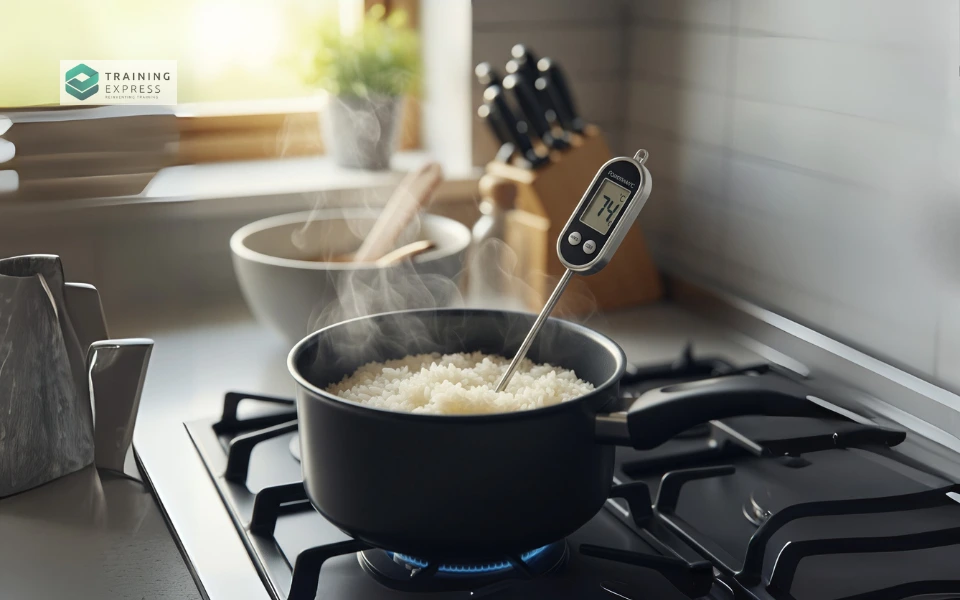
However, remember Bacillus cereus? Those heat-resistant spores we mentioned earlier? They can still survive this initial cooking process. That’s why your cooking temperature is just the first step. The real key to safety lies in what you do after the rice is cooked.
Once rice is done cooking, don’t let it hang out in the pot or on the stovetop for hours. The longer it sits at room temperature, the more time those spores have to activate and start producing toxins. That’s why safe cooling and storage practices are just as important as cooking temperature.
How to Cool Cooked Rice Safely
This step is often overlooked, but it’s arguably the most important when it comes to food safety. The moment rice finishes cooking, the clock starts ticking. Your goal is to cool it down as quickly as possible so it doesn’t linger in the “danger zone.”
Here’s how to cool rice safely:
- Spread it out: Place the rice on a large baking sheet or shallow container so it cools evenly.
- Refrigerate within an hour: Don’t wait until it’s fully cooled before putting it in the fridge. Get it in there within 60 minutes.
- Use small containers: Divide the rice into smaller portions so it chills faster.
- Avoid stacking: If you’re storing multiple containers, don’t stack them while still hot. Let each one breathe.
Rapid cooling is essential to preventing Bacillus cereus spores from turning your rice into a toxin factory. Think of it as putting those spores to sleep before they get a chance to cause trouble.
How Long Does Rice Keep in the Fridge?
Once you’ve properly cooled and stored your cooked rice, you might wonder how long it will actually stay safe to eat. The short answer is: 3 to 4 days. But let’s dig a little deeper into that timeline.
Cooked rice can last in the fridge for up to 4 days if it’s been stored properly in an airtight container and kept consistently cold (below 40°F or 4°C). After that, the risk of bacterial growth increases sharply, even if it still looks and smells fine.
Here are some signs your rice might have gone bad:
- A sour or off smell
- A slimy or sticky texture
- Visible mold or discoloration
Even if you don’t see obvious signs, it’s best to stick to the 4-day rule to avoid potential food poisoning. When in doubt, toss it out.
Also, try to reheat only the portion you plan to eat, instead of constantly reheating the same batch. This reduces the chance of bacterial growth and keeps your rice tasting fresh.
Best Way to Reheat Rice
Alright, now let’s talk about the safest and most effective ways to reheat rice. The goal is to make sure it’s piping hot all the way through—at least 165°F (74°C)—to kill any lurking bacteria.
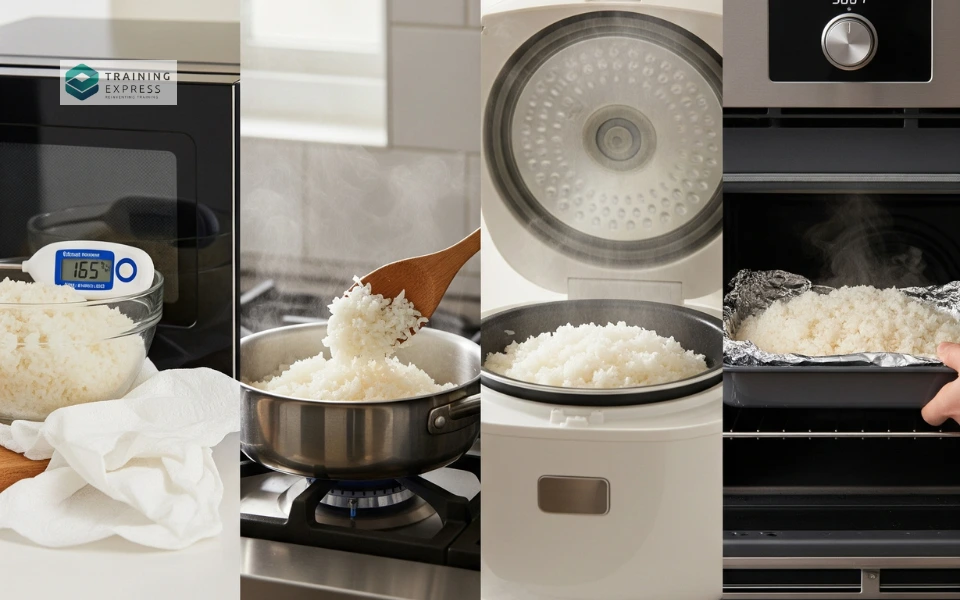
Here are some of the best methods:
- Microwave: Fast and convenient. Just add a splash of water, cover the rice with a damp paper towel or microwave-safe lid, and heat for 1–3 minutes. Stir halfway through for even heating.
- Stovetop: Add a bit of water or broth to a saucepan with your rice. Cover and steam on low heat until heated through.
- Steamer or Rice Cooker: Great if you have a bit more time. These appliances reheat rice evenly and help retain moisture.
- Air Fryer: Useful for reheating smaller portions, especially if you prefer slightly firmer rice. Place the rice in an oven-safe dish or foil container, add a few drops of water, cover if possible, and heat at around 160°C (320°F) for 5–10 minutes, stirring halfway through.
- Oven: Not as common, but works well for large portions. Place rice in an oven-safe dish, add a little water, cover with foil, and bake at 300°F (150°C) for about 15–20 minutes.
No matter which method you choose, remember: the rice should be steaming hot before you eat it. And again, only reheat it once if you want to play it safe.
How to Reheat Rice in the Microwave?
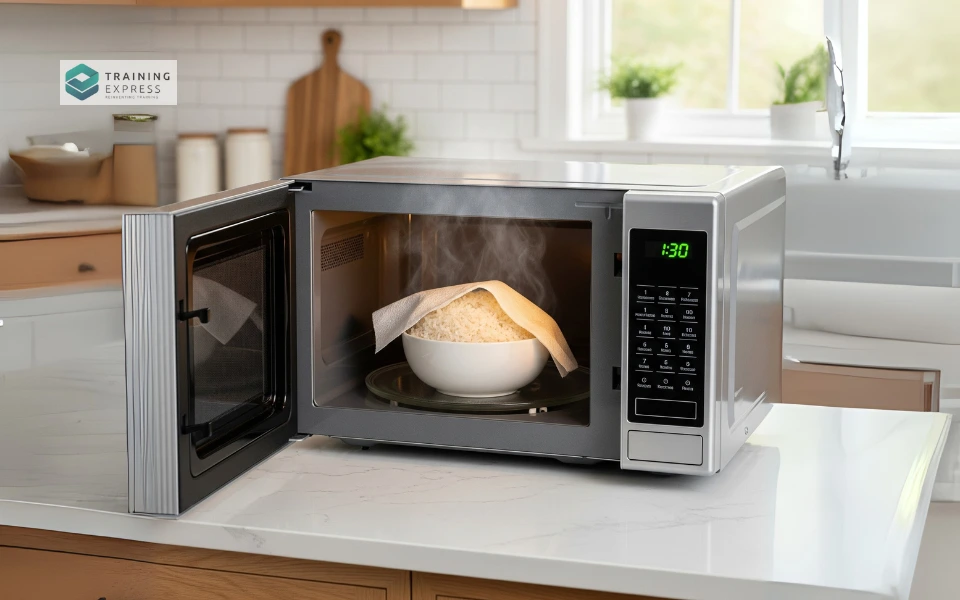
The microwave is hands-down the quickest and most convenient way to reheat rice—but if you’re not careful, you could end up with a dried-out mess or unevenly heated clumps.
Here’s how to do it right:
Step-by-Step Microwave Method
- Transfer rice to a microwave-safe dish.
- Break up any clumps using a fork. This helps the heat distribute evenly.
- Add 1–2 tablespoons of water per cup of rice. This creates steam and keeps it moist.
- Cover with a damp paper towel or microwave-safe lid to trap steam.
- Heat on high for 1–3 minutes, depending on the quantity.
- Stir halfway through to avoid cold spots.
- Check the temperature. It should be at least 165°F (74°C) all the way through.
If your rice still seems a little dry, add a few more drops of water and give it another quick blast. Just don’t go overboard—too much water can make it mushy.
Pro Tip: Want to add some flavor while reheating? A splash of broth or a pat of butter can really elevate leftover rice.
How to Reheat Rice in the Air Fryer?
Using an air fryer to reheat rice might not be your first thought, but it’s a game changer—especially if you like your rice with a bit of crunch.
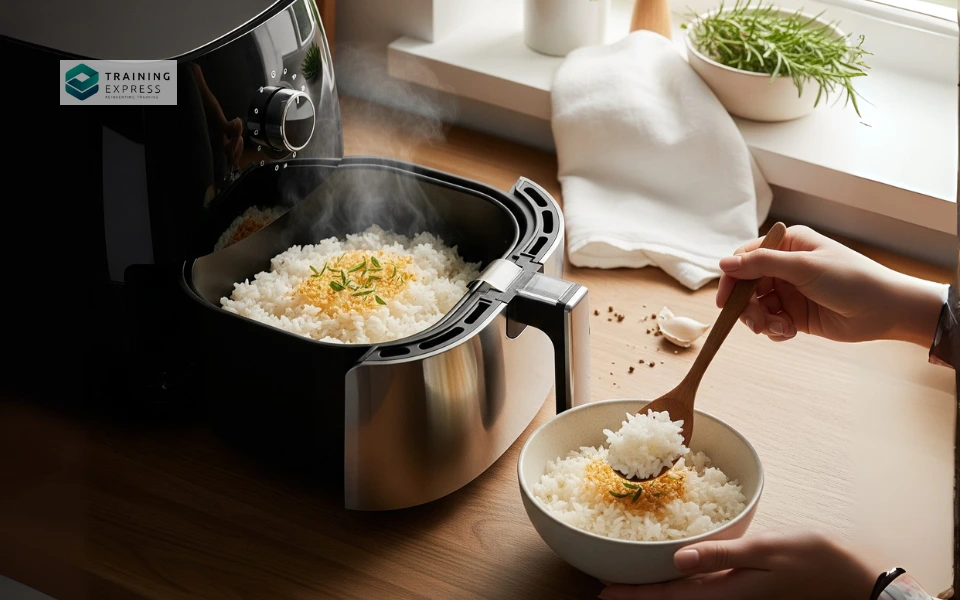
Why Use an Air Fryer?
Air fryers heat food quickly and evenly with hot, circulating air. When used right, they can turn leftover rice into something almost as good (or better) than freshly made.
Steps to Reheat Rice in an Air Fryer
- Preheat your air fryer to 320°F (160°C).
- Lightly coat the rice with a bit of oil to prevent it from drying out.
- Place rice in a foil packet or air fryer-safe dish.
- Heat for 6–8 minutes, stirring or shaking halfway through.
- Check for doneness. Rice should be hot throughout, with some crispy edges if that’s your vibe.
This method is great for stir-fried rice or rice that you want to repurpose into crispy bowls. It won’t give you soft, fluffy rice like steaming or microwaving, but it’s perfect when texture matters.
How to Reheat Rice With Steam?
If you’re after soft, fluffy rice that feels just like it did when it was freshly cooked, steaming is your best friend. It’s one of the gentlest ways to reheat rice and helps retain moisture without making it soggy or dry.
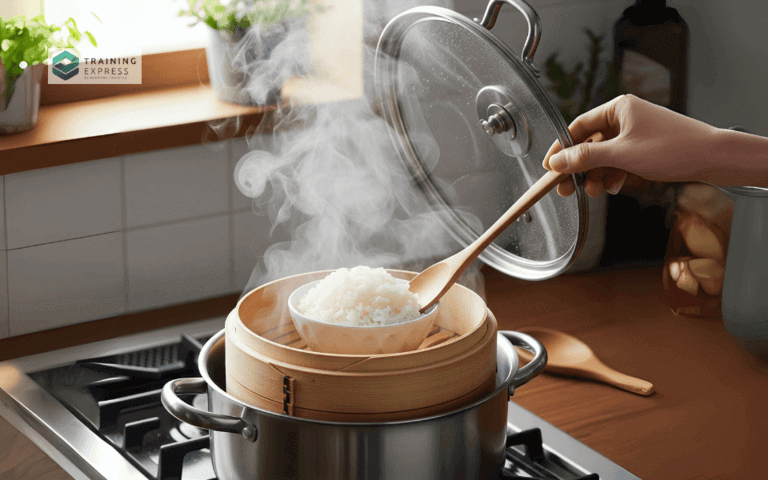
Why Steaming Works Well
Steaming adds moisture back into the rice, breaking up clumps and making each grain tender again. It’s especially effective for jasmine, basmati, or sticky rice varieties that benefit from a little extra hydration during reheating.
Here’s how reheat rice with steam:
Using a steamer basket or steaming setup
- Bring a pot of water to a simmer.
- Place the rice in a heat-safe bowl or bamboo steamer.
- Cover with a lid or foil to trap the steam.
- Steam for 5–10 minutes, stirring once or twice to ensure even heating.
- Check for temperature. The rice should be steaming hot throughout.
No steamer? No problem. Just use a heatproof colander over a pot of boiling water with a lid to mimic a steamer. Easy and effective.
Steaming is a bit slower than the microwave or air fryer, but it delivers amazing texture. It’s a great method when you’re reheating a large batch or prepping rice for another dish.
How to Stir-Fry Leftover Rice?
Want to give your leftover rice a whole new life? Stir-frying is a fantastic option that turns basic rice into a flavor-packed dish. In fact, many chefs say day-old rice is perfect for stir-frying because it’s drier and holds its shape better.
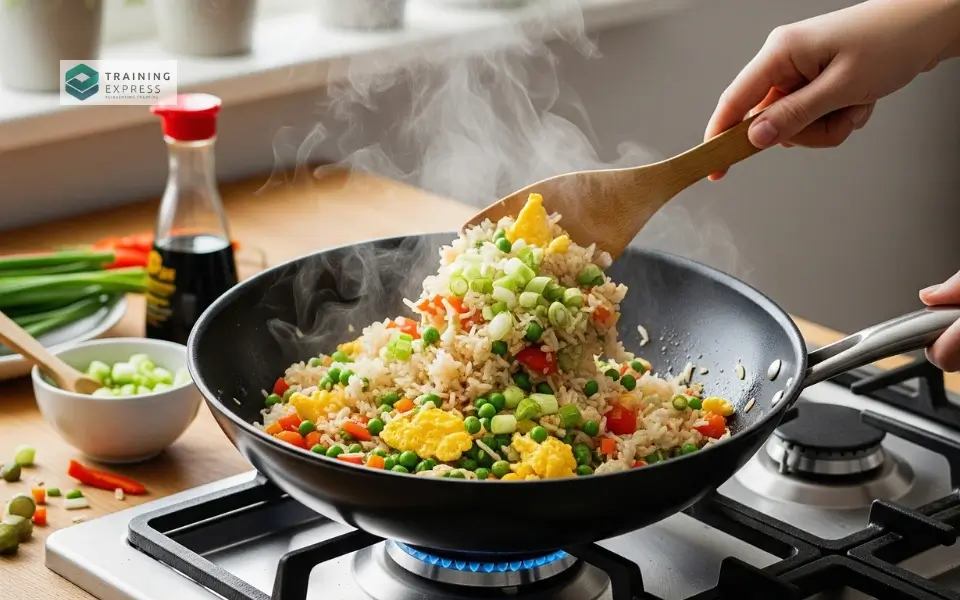
Why Stir-Frying Works
When you fry rice in a hot pan with oil, it gets crispy, caramelized, and packed with flavor. This method not only reheats your rice but transforms it into a delicious meal all on its own.
How to Stir-Fry Leftover Rice
- Break up the cold rice with your hands or a fork. No big clumps!
- Heat a wok or skillet over medium-high heat and add oil (sesame, peanut, or vegetable works well).
- Add aromatics like garlic, onion, or ginger first.
- Toss in your rice and stir frequently to prevent sticking.
- Add veggies, protein, or sauces like soy sauce, oyster sauce, or chili oil.
- Cook for 5–7 minutes, until the rice is hot and slightly crispy.
Want to boost the flavor? Crack an egg into the pan and scramble it in, or add leftovers like chicken, shrimp, or tofu. Stir-fried rice is a one-pan wonder that can turn yesterday’s meal into today’s delight.
Different Ways to Reheat Rice
Let’s do a quick recap and look at the various methods you can use to reheat rice, depending on what tools you have and what kind of texture you prefer:
| Method | Best For | Pros | Cons |
|---|---|---|---|
|
Microwave |
Quick meals |
Fast, easy |
Can dry out if not careful |
|
Stovetop |
Fluffy texture |
Gentle, flavorful |
Takes longer |
|
Steaming |
Soft, moist rice |
Best texture, even heating |
Slower method |
|
Air Fryer |
Crispy rice or rice bowls |
Crunchy texture |
Not ideal for all rice types |
|
Stir-Frying |
Transforming into new dish |
Adds flavor and texture |
More prep involved |
|
Oven |
Large portions |
Even heating |
Less convenient |
Each method has its strengths, so choose the one that works best for your dish and preferences.
How Long Can You Keep Leftover Rice?
To reduce the risk of food poisoning, leftover rice should be stored properly and eaten within a safe time frame. The USDA recommends following these storage limits:
- Refrigerated rice: Use within 3–4 days when stored correctly.
- Frozen rice: Best used within 3–4 months for better taste and texture.
- Frozen leftovers: They can remain safe for longer, but quality may decrease over time.
Bacteria can grow quickly when food is left in the “danger zone” between 40°F and 140°F (4°C and 60°C). Keeping rice cold and storing it quickly after cooking helps slow bacterial growth.
For safer leftover rice storage:
- Keep rice refrigerated at 40°F (4°C) or below.
- Store rice in an airtight container to maintain freshness.
- Refrigerate leftovers within 2 hours of cooking.
- Throw away rice left at room temperature for more than 2 hours (or 1 hour in very hot conditions).
Proper storage is just as important as reheating when it comes to enjoying leftover rice safely.
Keep these guidelines in mind, especially if you’re meal prepping or saving a big batch. Proper storage not only keeps you safe but also ensures your rice stays fluffy and flavorful.
How to Store Cooked Rice?
We’ve touched on it a few times already, but proper storage is so crucial that it deserves its own section. Storing rice correctly is the foundation of reheating it safely later.
Best Practices for Storing Cooked Rice
- Cool it quickly: Don’t leave rice out at room temperature for more than 1 hour. Bacteria thrive in warm environments.
- Use shallow containers: This helps the rice cool evenly and quickly.
- Store in airtight containers: This prevents moisture loss and keeps out contaminants.
- Refrigerate within an hour: Always put your rice in the fridge ASAP to prevent bacteria from growing.
- Label and date your containers: Helps you keep track of how long it’s been stored.
You can also freeze rice for longer-term storage. Portion it into freezer bags, flatten them for easy stacking, and label them with the date. Frozen rice is best used within one month for best flavor and texture.
Proper storage keeps your rice tasting good and safe to eat. And it sets you up for success when it’s time to reheat.
Can You Reheat Rice Twice?
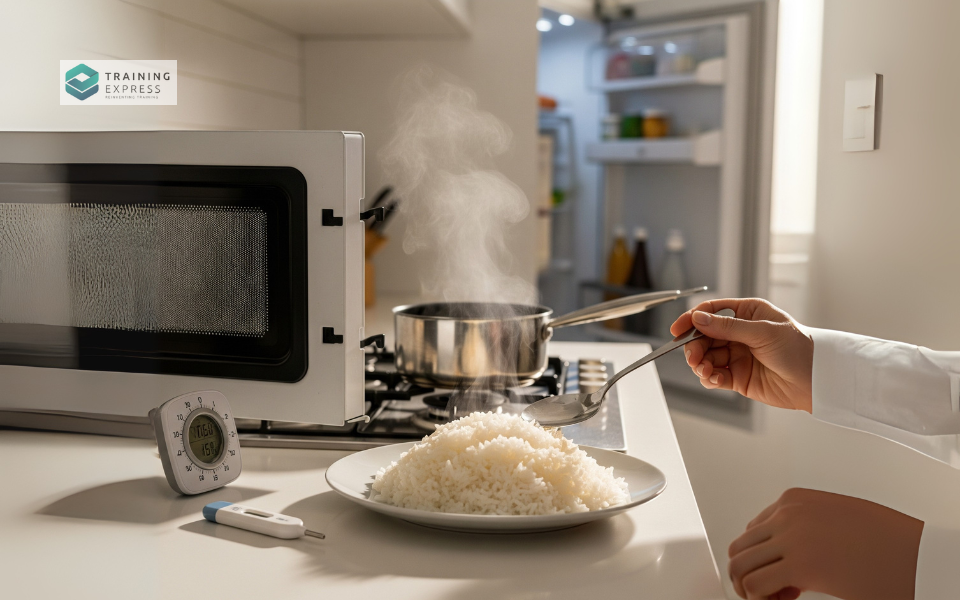
This is where things get a bit dicey. Technically, yes, you can reheat rice more than once, but it’s not recommended. Every time you cool and reheat rice, you increase the chances of bacterial growth.
Here’s why:
- Each temperature change gives bacteria a chance to multiply.
- It’s harder to ensure even reheating after the second time.
- The rice can dry out, lose texture, and taste off.
If you do choose to reheat rice a second time, be very cautious:
- Make sure it was stored properly between uses.
- Reheat it thoroughly to at least 165°F (74°C).
- Only reheat the portion you plan to eat.
For safety and quality, it’s best to only reheat rice once and eat it immediately. If you’re meal prepping, try portioning your rice into single-serving containers to avoid the need for multiple reheats.
Final Thoughts
Rice is a kitchen essential that can easily become a food safety hazard if not handled with care. The good news? You absolutely can reheat rice safely, as long as you follow the right steps. It all comes down to cooling it quickly, storing it properly, and reheating it thoroughly.
Whether you’re tossing it into a stir-fry, heating it in the microwave, or going gourmet with a steamed reheat, the key is ensuring your rice is hot enough to kill any lurking bacteria. Remember, food safety isn’t just for chefs—it’s something we all need to keep in mind to stay healthy at home.
So next time you’re staring at a container of cold rice in the fridge, go ahead and reheat it—with confidence. Just do it the safe way, and your leftovers will taste just as good as the day they were made.
Frequently Asked Questions (FAQ)
Is it safe to reheat cooked rice?
Yes, it’s safe—if you follow the proper steps. Cool the rice quickly after cooking, store it in the fridge within an hour, and reheat it to at least 165°F (74°C). The danger isn’t in the reheating itself but in how the rice was stored. If it sat at room temperature too long, bacteria like Bacillus cereus can grow and produce toxins that reheating won’t destroy.
Can rice be heated twice?
Technically, yes—but it’s not recommended. Each time you cool and reheat rice, it goes through a cycle that increases the risk of bacterial contamination. For best results, reheat only what you need and try not to repeat the process. If you must reheat it again, make sure it was properly stored and is reheated thoroughly.
Can you reheat rice in the microwave?
Technically, yes—but it’s not recommended. Each time you cool and reheat rice, it goes through a cycle that increases the risk of bacterial contamination. For best results, reheat only what you need and try not to repeat the process. If you must reheat it again, make sure it was properly stored and is reheated thoroughly.
Is it safe to eat rice the next day?
Yes, rice can be safely eaten the next day—as long as it was stored correctly. Place the rice in an airtight container and refrigerate it within one hour after cooking. When you’re ready to eat, reheat it to the right temperature and enjoy. Always use your senses: if it smells off or looks strange, toss it.
Is 2-day-old rice OK to eat?
Yes, as long as it’s been refrigerated promptly and properly, 2-day-old rice is generally safe to eat. Make sure it’s not older than 4 days, shows no signs of spoilage, and is heated to 165°F before consuming.
Can I eat rice left out overnight?
Unfortunately, no. If rice has been left at room temperature for more than two hours (or overnight), it should be thrown out. Bacteria can multiply rapidly and produce toxins that are not destroyed by reheating. It’s simply not worth the risk.
Can you reheat rice from a Chinese takeaway?
Yes, you can, but with caution. Most takeaway containers don’t cool food properly, so make sure to transfer the rice to a clean container and refrigerate it within an hour. When reheating, make sure it reaches 165°F or higher, and don’t reheat it more than once. If it’s been sitting out too long, it’s better to toss it.
Is reheating rice good or bad?
Yes, reheating rice can be perfectly safe and even good, provided it’s done correctly. The main concern isn’t the reheating itself, but the way cooked rice is handled before reheating.
Uncooked rice often contains spores of Bacillus cereus, a bacterium that can cause food poisoning. If cooked rice is left at room temperature for too long, these spores can multiply and produce toxins. Reheating won’t destroy these toxins.
To safely reheat rice:
- Cool it quickly: After cooking, cool rice rapidly (within one hour) and refrigerate it promptly.
- Reheat thoroughly: Ensure the rice is steaming hot all the way through (above 74°C or 165°F).
- One reheat only: Don’t reheat rice more than once.
Can I leave rice out overnight?
While it might be tempting to leave cooked rice on the counter for convenience, it’s generally not recommended due to the risk of food poisoning. Cooked rice contains a bacteria called Bacillus cereus, which can multiply rapidly at room temperature. These bacteria produce toxins that can cause vomiting and diarrhea. To stay safe, promptly refrigerate cooked rice within one hour of cooking and consume it within one day. When reheating, ensure it’s steaming hot throughout.

Robert Lawrence
Author | Specialises in Food Hygiene & Safety
Robert Lawrence is an e-learning specialist and tutor at Training Express, with experience creating practical resources and strategies to support learners and enhance their professional development.
Related Blogs