Food Hygiene
 Health & Safety
 Safeguarding
 First Aid
 Business Skills
 Personal Development
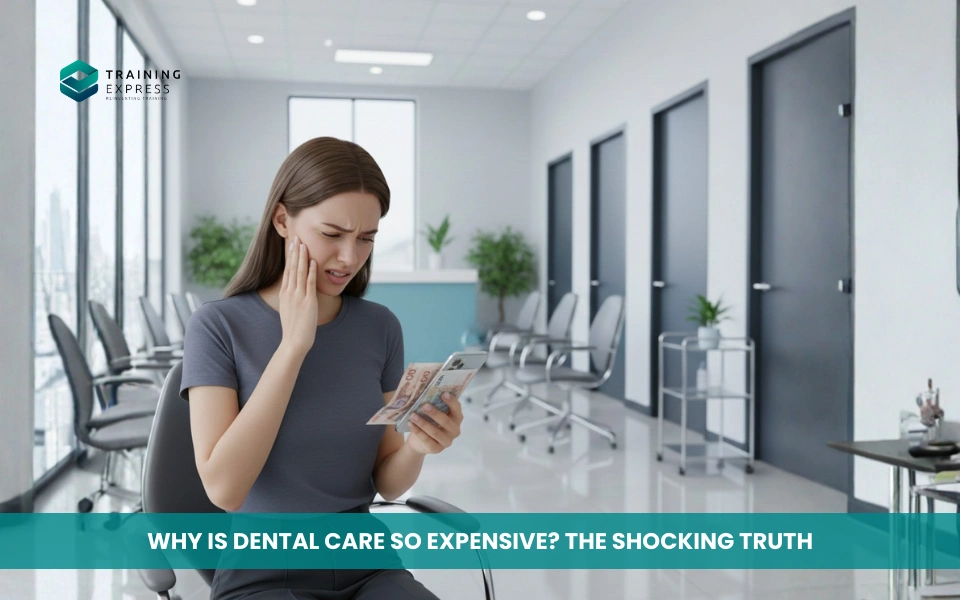
Dental care is expensive due to high operational overhead, specialized equipment costs, extensive professional training, and limited insurance coverage. Offices must cover expenses like advanced technology (3D imaging),, sterilization, staff salaries, and rent. Furthermore, dentists often carry significant student debt, and complex, personalized treatments require time and high-quality materials.
Table of Contents
Key reasons for high dental costs
Dental care often feels expensive, and it’s natural to wonder why. In reality, the cost reflects a mix of advanced technology, specialist training, and the everyday expenses needed to deliver safe, high-quality treatment.

High Overhead and Operating Expenses
Running a dental practice involves significant costs, including rent, utilities, specialized staff (hygienists, assistants), and expensive, single-use, or high-quality disposable supplies to maintain strict sterilization standards.
Advanced Technology and Materials
Modern dentistry relies on costly, specialized equipment such as digital X-rays, 3D imaging, and high-end materials like zirconia or porcelain for restorations.
Education and Debt
Dentists undergo eight years of highly competitive education. In the U.S., many graduate with $300,000 to $600,000 in student loan debt, which influences the fees necessary to sustain their practice.
Insurance Limitations
- Dental insurance often has low annual maximums (e.g.,
- $1,000−$2,000$ 1 comma 000 minus $ 2 comma 000
- $1,000−$2,000 per year), which have not kept pace with rising dental costs, leaving patients to pay more out-of-pocket for major procedures.
Personalized, Time-Intensive Care
Each patient’s needs are unique, limiting the number of patients a dentist can see in a day and requiring individualized, time-consuming care.
Geographic Location
Practices in urban or high-demand areas often have higher overhead costs, which are passed on to patients.
Preventative vs. Restorative Focus
Skipping routine checkups often leads to more complex, expensive procedures like root canals, rather than cheaper, preventive care.
Why Insurance Doesn't Help More

- Annual Maximums: Most plans have not adjusted their annual coverage caps ($1,000–$1,500) since the 1970s, despite the rising cost of care.
- Coverage Gaps: Insurance often covers 100% of preventive care (cleanings) but only 50% of “major” work like crowns or implants, and often excludes cosmetic procedures entirely.
- Waiting Periods: Many plans require a 6- to 12-month waiting period before they will cover major procedures, which can lead to worsening conditions and higher costs later.
How to Manage Costs
- Prioritize Prevention: Regular cleanings can prevent the need for more expensive treatments like root canals later.
- Dental Schools: Many Dental Schools offer high-quality care at a fraction of the cost as students practice under supervision.
- Dental Savings Plans: These are alternatives to insurance where you pay an annual fee for discounted rates without caps or waiting periods.
- Community Clinics: Use the HRSA Health Center Finder to find federally funded centers that offer services on a sliding fee scale based on income.
Get Oral Health and Hygiene Practices Course For Just £8!
You won’t find this deal anywhere else!
Enrol NowUse Coupon Code:
Use this coupon at Checkout
Places Where Dental Care Is Less Expensive
Dental care costs vary greatly around the world, leading many patients from high-cost countries like the USA, UK, and Canada to seek treatment abroad. This rise in dental tourism is driven by the ability to receive high-quality care while saving a significant amount of money, even after accounting for travel and accommodation. Lower operating costs, affordable labor, and efficient healthcare systems allow many countries to offer the same procedures at far lower prices than Western nations.

Bangladesh is one of the best and most affordable destinations for dental care. The country has modern dental clinics, internationally trained dentists, and strict hygiene standards. Procedures such as dental implants, crowns, root canals, and smile makeovers cost a fraction of Western prices, and even when flights and hotel stays are included, the total expense is often still much lower than treatment alone in the USA, UK, or Canada.
Other countries also known for lower dental costs include:
- India – Advanced facilities with affordable pricing
- Thailand – Popular for dental tourism and modern clinics
- Turkey – Well-known for cosmetic dentistry and implants
- Mexico – Convenient and cost-effective for U.S. patients
- Hungary – A leading European destination for dental treatment
Is Dental Care Really Expensive—or Just Valuable?
When we examine dentistry through the lens of expertise, technology, regulation, and patient outcomes, the perception of expense shifts. Dental care reflects the cost of delivering safe, effective, and personalized healthcare in a demanding environment.
We believe the value lies not only in treatment results but also in prevention, education, and trust. Investing in dental care is an investment in overall health, confidence, and quality of life.
Final Thoughts
Dental care is expensive because it encompasses far more than a simple procedure. It represents years of education, continuous training, advanced technology, high-quality materials, and rigorous safety standards. We operate within complex regulatory frameworks while striving to meet evolving patient expectations. When all these factors are considered, dental costs reflect value, precision, and responsibility rather than excess. Understanding these realities allows patients to make informed decisions and appreciate the true worth of professional dental care.
Frequently Asked Questions (FAQ)
Why does dental insurance not cover all procedures?
Dental insurance plans are designed with coverage limits and exclusions, focusing primarily on basic and preventive care rather than comprehensive treatment.
Are dental prices negotiable?
Some practices offer payment plans or discounts, but pricing is generally based on fixed operational costs and professional standards.
Why are crowns and implants so expensive?
These treatments involve advanced materials, laboratory fabrication, and precise clinical work, all of which increase costs.
Does preventive care really save money?
Yes, preventive care reduces the likelihood of advanced dental disease, significantly lowering long-term expenses.
Is cheaper dental care always lower quality?
Not always, but extremely low prices may indicate compromises in materials, technology, or standards of care.

Related Blogs


- Available Courses
- Animal care10
- Design36
- Training10
- Accounting & Finance Primary56
- Teaching & Academics Primary37
- Teaching23
- Quality Licence Scheme Endorsed181
- Law10
- IT & Software240
- Job Ready Programme52
- Charity & Non-Profit Courses28
- HR & Leadership4
- Administration & Office Skills6
- Mandatory Training36
- Regulated Courses5
- AI & Data Literacy29
- Compliance1
- Health and Social Care292
- Personal Development1678
- Food Hygiene120
- Safeguarding81
- Employability288
- First Aid73
- Business Skills301
- Management435
- Child Psychology41
- Health and Safety541
- Hospitality28
- Electronics30
- Construction63
- Career Bundles201
- Marketing39
- Healthcare174