Food Hygiene
 Health & Safety
 Safeguarding
 First Aid
 Business Skills
 Personal Development


When it comes to mental health, there’s no one-size-fits-all approach. While some people benefit from medication, others find relief through talking therapies or often, a combination of both. With around 1 in 4 people in the UK experiencing a mental health issue each year, understanding the available treatments is more important than ever.
Did you know that antidepressants are one of the most commonly prescribed drugs in England, with over 85 million prescriptions issued annually? Or that Cognitive Behavioural Therapy (CBT) is recommended as a first-line treatment for depression and anxiety by the NHS? Yet many people still feel unsure about how these treatments work or whether they’re right for them.
In this article, we explore the key treatments available for managing mental health conditions, from well-known options like antidepressants and antipsychotics, to lesser-known therapies such as EMDR and mindfulness-based interventions. You’ll also learn about lithium’s role in stabilising mood, how behavioural activation helps with motivation, and when electroconvulsive therapy (ECT) might be used.
Whether you’re navigating your own mental health journey, supporting someone else, or simply curious, this guide will give you a clearer understanding of how different medications and therapies work and how they can be used safely and effectively.
Table of Contents
Psychiatric Medication
Medication used to address the symptoms of mental health issues is referred to as psychiatric medication. They aren’t remedies. Depending on the patient’s mental health situation, different treatments will be recommended. Among the treatments are:
- Antidepressants
- Antipsychotics
- Sleeping pills and minor tranquillisers
- Lithium and other mood stabilisers
Some mental health issues may require treatments from more than one category.
Antidepressants
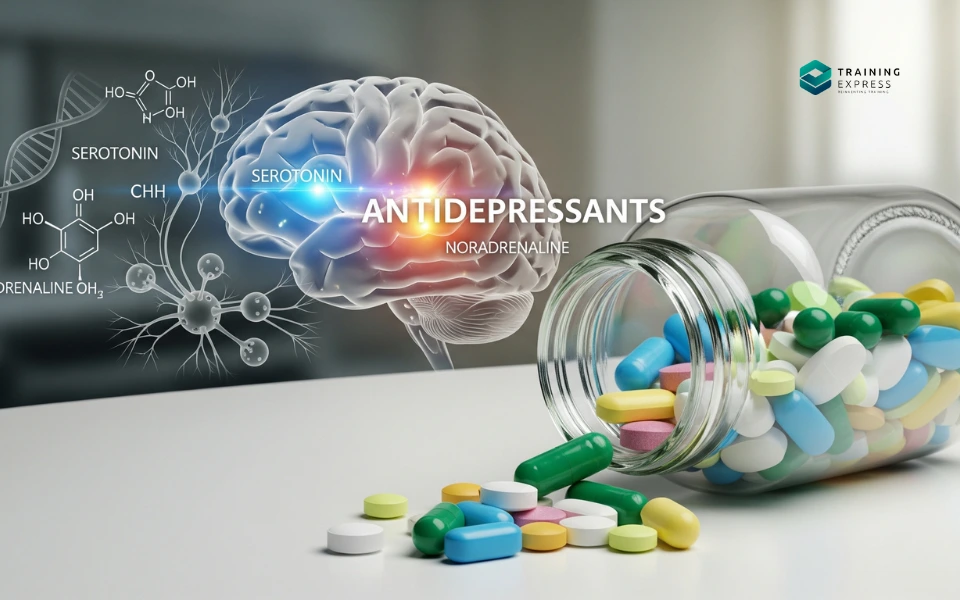
For depression, antidepressants are typically prescribed. Additionally, they can aid in the treatment of phobias, anxiety, bulimia, and even medical ailments.
Serotonin and noradrenaline are two substances in the brain that antidepressants increase in activity. These are neurotransmitters that transfer signals from the nerves to a certain organ. Noradrenaline and serotonin aid in mood regulation. Antidepressants improve the mood of some people, but not everyone benefits from them.
There are a few types of antidepressant:
- Serotonin and noradrenaline reuptake inhibitors (SNRIs)
- Selective serotonin reuptake inhibitors (SSRIs)
- Monoamine oxidase inhibitors
- Tricyclics and related drugs
Antipsychotics

Mental health disorders with psychotic components are treated with antipsychotics. These could include severe depression, schizophrenia, and certain forms of bipolar illness. Occasionally, modest doses of antipsychotics may also be administered for physical problems including nausea or balance problems, as well as extreme anxiety.
Antipsychotics are aimed at reducing the symptoms, which include:
- Hallucinations
- Delusions
- Confusion and muddled speech
- Mania
- And violent behaviour
There are two types of antipsychotics:
First-Generation: Also known as “typicals,” these were primarily created in the 1950s. Despite being different compounds, they all behave similarly and have comparable adverse consequences. Although the degree of the adverse effects varies depending on the medicine, they are frequently neuromuscular. They may perhaps make you drowsy as well.
Second Generation: Also known as “atypicals,” they were primarily created in the 1990s. They may have metabolic effects and result in weight gain, although they are less likely than first-generation antipsychotics to elicit neuromuscular or sexual adverse effects.
Sleeping Pills and Minor Tranquillisers
In general, these are helpful for individuals who have serious anxiety and sleep problems. They slow down how the brain and the rest of the body work because they are sedatives. Although they may help manage the symptoms, they are not remedies for anxiety or sleeplessness. They can help folks get back on track and offer respite.
The British National Formulary, the Royal College of Psychiatrists, and the National Institute for Health and Care Excellence (NICE) should all be followed while prescribing these medications. According to the rules, these drugs should only be administered as follows:
- In the short-term
- If severe depression or insomnia are affecting the patient’s daily life
- If other treatments such as Cognitive Behavioural Therapy have not helped or canʼt be used
Lithium and Other Mood Stabilisers

Mood stabilisers can be used to treat diseases like bipolar disorder, mania, hypomania, and recurrent severe depression. certain are psychiatric medications used to treat certain disorders over an extended period of time.
Mood stabilisers include:
- Asenapine
- Carbamazepine
- Lamotrigine
- Lithium
- Valproate
Even though they are all classified as mood stabilisers, they differ greatly chemically from one another. They do, however, assist patients in regulating their emotions and preventing sharp fluctuations.
Talking Therapy and Counselling
There is minimal distinction between counselling and talking therapy; they are essentially the same thing. On occasion, they might allude to particular forms of talking therapy or reveal something about the therapist.

Both entail discussing issues with a qualified, licensed expert. Although there are several varieties, they all seek to assist patients:
- Acknowledge harmful thought or behaviour patterns and alter them.
- Make sense of the situation. Feel secure and speak honestly with someone who won’t judge you.
- Make peace with or accept conflicting feelings.
Talking therapy can help with:
- Mental health problems
- Difficult emotions
- Anxiety & depression
- Recent or past trauma
- Relationship issues
- Loss (loved one, job)
Types of Talking Therapy Include:
- Behaviour: Examine your actions and the consequences of those actions.
- Cognitive: Examine your feelings, ideas, and mental routines.
- Arts/creative: Explores emotions through artistic mediums like painting or music.
- Dialectical: Examines how opposites can coexist. This could assist a patient in resolving problems in their feelings and thinking.
- Humanistic: Emphasises the body, mind, soul, and spirit as a whole.
Talking Therapy and Counselling
- Solution-focused: Puts more emphasis on the intended results and objectives for the future than on the past.
- Psychoanalysis: Concentrates on investigating profound, unconscious ideas that typically have childhood origins.
- Psychodynamic: Examines how these profound, unconscious ideas could influence behaviour.
- Based on mindfulness: recognising and embracing one’s present emotions and thoughts, as well as using mindfulness practices like meditation and deep breathing
- Person-centred: This emphasises on one’s strengths and self-awareness to grow personally and build better relationships.
Cognitive Behavioural Therapy (CBT)
The focus of cognitive behavioural therapy is on how your behaviour is influenced by your beliefs, attitudes, thoughts, and feelings. It teaches you how to deal with different issues. Cognitive behavioural therapy (CBT) combines behaviour therapy (analysing your actions) with cognitive therapy (thinking).

CBT is generally used to treat depression and anxiety. It can also be used to treat:
- Panic attacks
- Phobias
- Post-Traumatic Stress Disorder (PTSD)
- Psychosis
- Schizophrenia
- Obsessive-Compulsive Disorder
- Bipolar Disorder
- Eating Problems
- Borderline Personality Disorder
The goal of this therapy is to recognise and confront harmful beliefs. This could be aimed at general worldviews, current thoughts and feelings, or past ones. You can change how you respond to things by changing your perspective on them.
CBT is often a brief therapy that can be given in a group setting, one-on-one with a therapist, online, or through a book. Typically, the strategy will look something like this:
- determining issues to address and laying out a schedule for the meetings
- exploring ideas, feelings, and actions through exercises with the therapist. Worksheets may be used for this.
- Activities you can perform on your own time outside of the sessions
- Discussing any work completed outside of the session and providing a recap of the last session and the progress accomplished thus far
Behavioural Activation
The goal of this talking therapy is to assist people who are depressed in discovering new ways to appreciate life. It emphasises easy, doable strategies that they can implement. It may be provided by phone consultations with a therapist, group meetings, or individual therapy sessions.
We’ll provide problem-solving techniques and suggestions for a more optimistic outlook on life. Typically, there are 16–20 sessions.
Interpersonal Therapy (IPT)
This is a short-term therapy. IPT focuses on treating depression and has four main areas:
Unresolved Grief: Grief that manifests strange symptoms or is delayed and felt long after the loss.
Role Transitions: A person may suffer from depression or struggle to cope if their role changes significantly. A role change is usually due to a major life change, such as Death of a loved one
Role disputes occur when a patient’s expectations of their role significantly diverge from those of significant others in their lives.
Interpersonal Sensitivity: The patient struggles to establish and preserve wholesome relationships.

What does IPT involve?
IPT usually involve 12-16 1-hour sessions.
- Gathering information and determining the emphasis will often take up the first three sessions. This will entail examining important connections, which will be grouped based on the four regions mentioned above.
- The goal of sessions four through fourteen is to assist the patient in improving the areas of concern that are being addressed.
- The goal of the last two sessions is to wrap up the therapy. The patient may have a sense of loss as a result of this, which is occasionally connected to other losses in the past. The patient might get knowledge about their coping mechanisms for loss. We’ll examine the patient’s progress and talk about the future.
Eye Movement Desensitisation and Reprocessing (EMDR)
Patients with PTSD frequently benefit from this kind of therapy. PTSD patients frequently experience flashbacks to a distressing incident.
Because it can be upsetting for patients, this therapy should be utilised judiciously and typically lasts 8–12 sessions. They might want family or friends close by.
In order to assist the patient move on, eye movement desensitisation and reprocessing therapy helps the brain reprocess memories of the traumatic experience.
Mindfulness-Based Cognitive Therapy (MBCT)

The foundation of this therapy is concentrating on feelings and thoughts as they arise. It is primarily focused on the here and now. MBCT is frequently used to treat addiction and depression.
It blends mindfulness practices like meditation and concentrated breathing with cognitive behavioural therapy. In order to lessen the likelihood that the depression would relapse, it is frequently given after treatment.
Electroconvulsive Therapy (ECT)
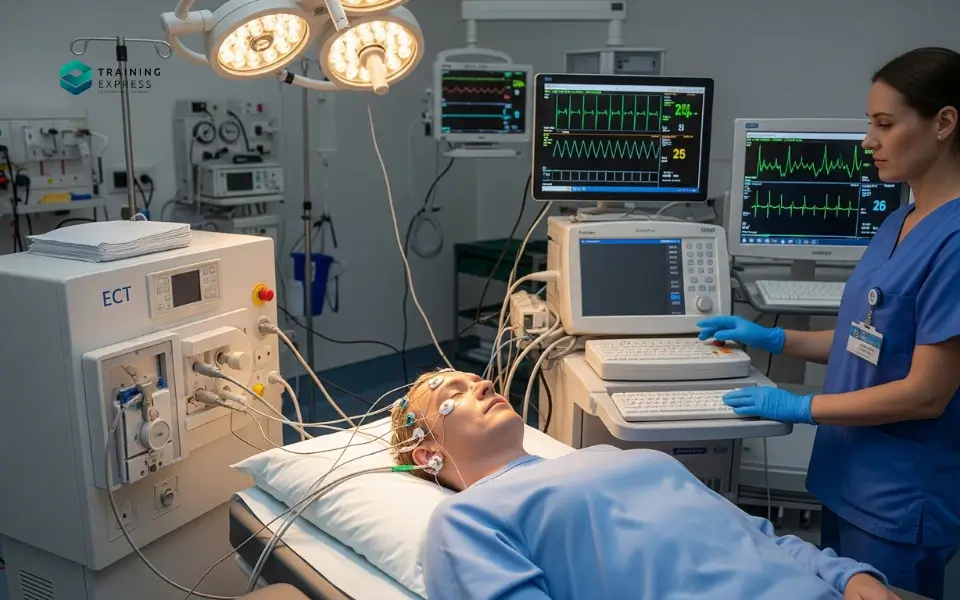
Small electrical currents are injected into the brain as part of this treatment. This results in a brief spike in electrical activity, commonly referred to as a seizure. It might lessen the signs of certain mental health issues.
While the patient is under anaesthesia, the electrical currents are administered. For temporary assistance, the National Institute for Health and Care Excellence (NICE) suggests this kind of treatment if the patient has:
- Prolonged mania
- Moderate-severe depression not helped by other treatments
- Catatonia (staying in one position or making repetitive movements)
- Severe/life-threatening depression
Is ECT Effective?
We still don’t fully understand how ECT helps with mental health issues, despite the fact that there are numerous hypotheses regarding it. Not everyone will benefit from ECT.
Why is ECT Controversial?
There are a few reasons why ECT is controversial.
- In the past, ECT was administered unethically, frequently without the patient’s consent and without an anaesthetic. Some films portray it incorrectly.
- Although generally only momentarily, ECT can also result in memory loss.
- Although some medical professionals do not think ECT is a useful treatment, it may be provided before other forms of treatment.
How to prepare for ECT?
Patients can prepare by:
- Not eating or drinking for 6 hours before treatment,
- Not wearing metal hair grips or piercings, or using hairspray/creams.
- Wearing comfortable clothing
- And telling the team if you have cosmetic dentistry such asveneers or implants.
What to expect during ECT?
- You will be asked to lie on a bed while your shoes and any metal are placed in a secure location for you.
- After the general anaesthetic has taken effect, you will receive an injection of a muscle relaxant.
- You will be provided with a mouthguard and oxygen will be administered through a face mask or tube.
- Electrodes on your temples (or one side of your head) will receive short, high-voltage electric pulses from the ECT machine. The duration of seizures is 20–50 seconds.
Potential Side Effects
Memory loss is frequent and typically goes away, though it might last for a long time. Before and after each session, memory tests must to be provided. After receiving treatment, some patients get chronic memory loss or discover that they are unable to recall things.
Some immediate side effects include
- Confusion
- Headache
- Nausea
- Achiness
- Sleepiness
- Lack of appetite
Longer-term Effects Include:
- Loss of creativity/drive
- Loss of emotional responses
- Apathy
- Trouble concentrating
- Difficulty learning new things
Frequently Asked Questions
What types of medications are commonly used to treat mental health conditions?
Antidepressants, antipsychotics, mood stabilizers, and anti-anxiety medications are among the most commonly prescribed medicines for various mental health disorders. The choice depends on the specific condition and individual needs.
How does therapy help in managing mental health disorders?
Therapy provides coping strategies, emotional support, and tools to address negative thoughts and behaviours. It can help improve daily functioning and reduce symptoms when combined with or without medication.
Who should be trained as a Mental Health First Aider at work?
Any employee can benefit, but it’s especially valuable for managers, HR staff, and team leaders who often interact closely with employees and can act as first points of contact.
Can medication alone effectively manage mental health conditions?
For some people, medication alone may help reduce symptoms. However, research shows combining medication with therapy often leads to better long-term outcomes.
How long does it take for medications to show effects on mental health symptoms?
Most medications take several weeks, often 4 to 6 weeks, before noticeable improvements occur. Regular follow-up with a healthcare provider is essential during this period.
Can therapy replace medication in mental health treatment?
In some cases, especially mild to moderate conditions, therapy alone may be effective. For more severe or complex conditions, a combination of medication and therapy is usually recommended.