Food Hygiene
 Health & Safety
 Safeguarding
 First Aid
 Business Skills
 Personal Development
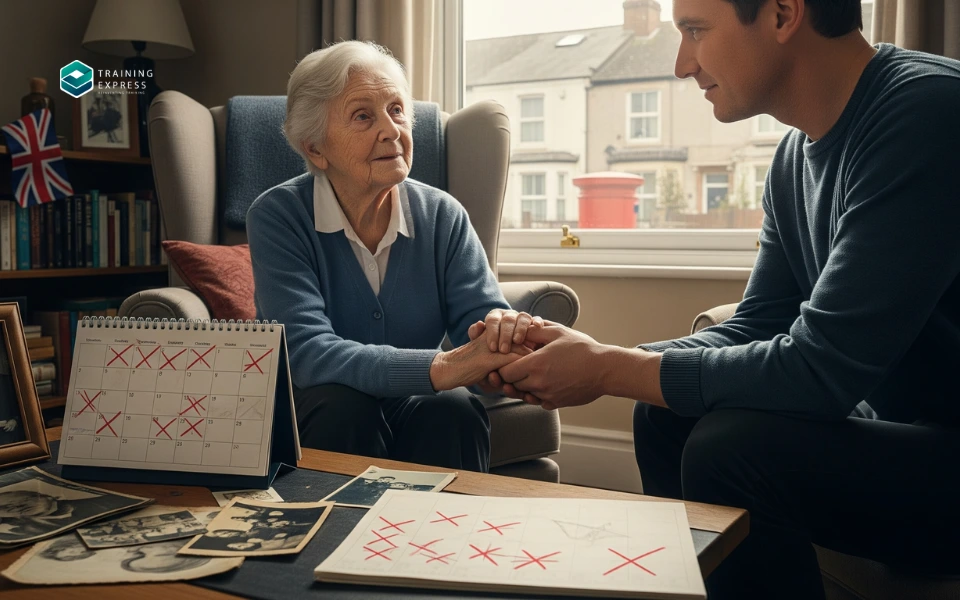

Dementia isn’t a normal part of aging, though many still believe it is. In fact, over 944,000 people in the UK are currently living with dementia; a number expected to surpass one million by 2030. Yet despite how common the condition is, public understanding remains patchy at best. Misconceptions and outdated ideas continue to shape how dementia is perceived, discussed, and supported.
So why should this matter to you? Because dementia doesn’t just affect individuals; it affects families, communities, and care systems. It changes relationships, challenges services, and raises difficult questions about independence and quality of life. The better informed we are, the better prepared we’ll be to recognise early signs, provide appropriate support, and understand how lifestyle choices may influence our risk.
This article will help you make sense of dementia; what it is, what it isn’t, and what can be done. Along the way, we’ll explore some surprising facts (like the growing number of younger people diagnosed), look at what contributes to the condition, and discuss what support exists across the UK. Because when it comes to dementia, awareness isn’t optional—it’s essential.
Table of Contents
Sharing the Facts About Dementia
How others perceive dementia will have a major influence on:
- How those with the condition are treated
- How it is addressed in society
- How people with the condition feel about themselves
People can only comprehend dementia’s issues and the behaviour it can cause if they are completely informed about its facts. In all facets of providing care and fostering social acceptability, this can support tolerance and efficacy.
Since dementia patients require emotional support and inclusion as a key component of their therapy, information dissemination is essential
Factors that Affect Dementia
Regretfully, it is impossible to anticipate with any degree of accuracy who might develop dementia or related illnesses in the future. Nevertheless, there are a lot of things that undoubtedly influence who it may impact and how it might be brought on.
These include:

Age
People in their advanced years are typically thought to have dementia. This is due to very important biological factors. Certain systems in the human body are more susceptible to illness and unfavourable circumstances as we age naturally. This is mostly because of:
- Higher blood pressure
- Weakened immune systems
- More chance of blood flow restrictions and blockages
Medical History
A person is more likely to develop dementia if they have certain underlying medical disorders, such as HIV (Human Immunodeficiency Virus) or MS (Multiple Sclerosis). The illness is also more common in those who have had head trauma or other types of brain injury in the past.
Genes
According to medical study, dementia can be inherited and spread throughout a family’s genetic line as it develops. This can be limited to particular conditions like Alzheimer’s disease.
Lifestyle
It is widely acknowledged in the medical community that leading an unhealthy lifestyle such as smoking, overeating, excessive drinking, etc.—will significantly increase the risk of dementia.
Ways to Potentially Prevent Dementia
In general, the best protection against dementia and the best way to reduce the risk of developing it is to have a healthy body and a strong immune system. A excellent starting point for avoiding these problems later in life is to adopt a more optimistic lifestyle.
Consequently, health care providers advise individuals to:

Eat Nutritious Food
Consuming a lot of foods high in nutrients, like fruits, vegetables, legumes, cereals, and seafood, can lower a person’s risk of dementia. Avoiding too much meat, dairy, and alcohol is also believed to have the similar impact.
Keep the Mind Active
Playing video games, reading, or solving puzzles can help keep the brain active and concentrated, which can help avoid memory recall issues and later dementia symptoms.
Have Medical Checks
Playing video games, reading, or solving puzzles can help keep the brain active and concentrated, which can help avoid memory recall issues and later dementia symptoms.
Be Physically Active
A person can keep themselves fit and well by participating in 30 minutes of simple activities every day, such as:
- A walk in the park with friends or family
- Riding a bike around local streets
- Mowing the lawn or cleaning the windows
Watch the Weight
According to medical study, those who are severely overweight are more likely to acquire dementia as they age, thus maintaining a nutritious diet and engaging in regular exercise is advised.
Stop Smoking
Smoking cigarettes decreases the effectiveness of the human circulatory system, which directly affects the likelihood of getting vascular dementia.
Keep Socialising
According to certain scientific research, the likelihood of experiencing severe dementia symptoms may be reduced by maintaining a strong social network and maintaining regular touch with friends and family. Other suggested hobbies include joining a group or taking part in volunteer work and community service.
Dementia Awareness Programmes in the UK
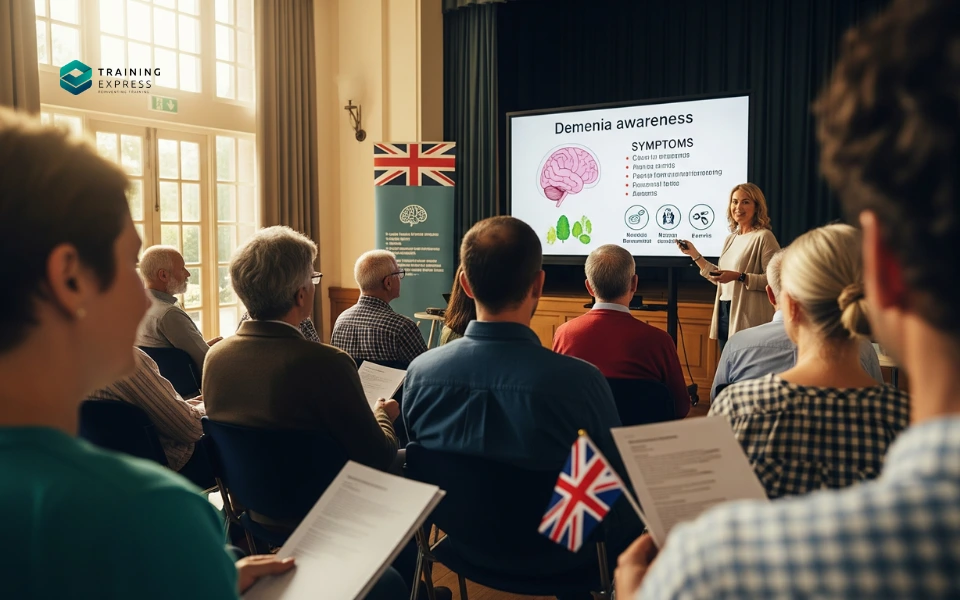
The United Kingdom observes both national and international awareness programs. The majority aim to educate middle-aged people about dementia’s symptoms and possible preventative actions, as well as to increase community awareness of the disease.
Examples of this include:
Dementia Action Week
The Alzheimer’s Society supports and organises the event, which is scheduled to occur every year in the UK halfway through the month of May. People are encouraged to “act on dementia” through what is known as their largest and most persistent awareness campaign. The theme for 2022 is “diagnosis” and the significance of assessment.
"Time for a Cuppa"
The Dementia UK group is sponsoring another annual event, this one set for the first week of May. It makes use of the nation’s infatuation with tea and coffee to plan social gatherings and gather money to support the education of specialised dementia nurses and increase public awareness.
World Alzheimer's Month & Day
A worldwide campaign supported by a number of support groups to “raise awareness around, educate, encourage support of, and demystify dementia” While September 21st is recognised as “World Alzheimer’s Day” and is a significant global event, the entire month is dedicated to fundraising and marketing efforts in the United Kingdom.
"Share the Orange"
Alzheimer’s Research UK launched an ongoing awareness campaign in 2015, and it is still going strong today. Supported by well-known celebrities like Christopher Eccleston and Samuel L. Jackson, it advances the notion that dementia is a medical disorder rather than a natural ageing process. Since the weight difference between a healthy brain and one with dementia is around 140g (five ounces), an orange is chosen as the emblem. “#ShareTheOrange” is a social media tag used to advertise events and raise money.
Dementia Support Groups in the UK
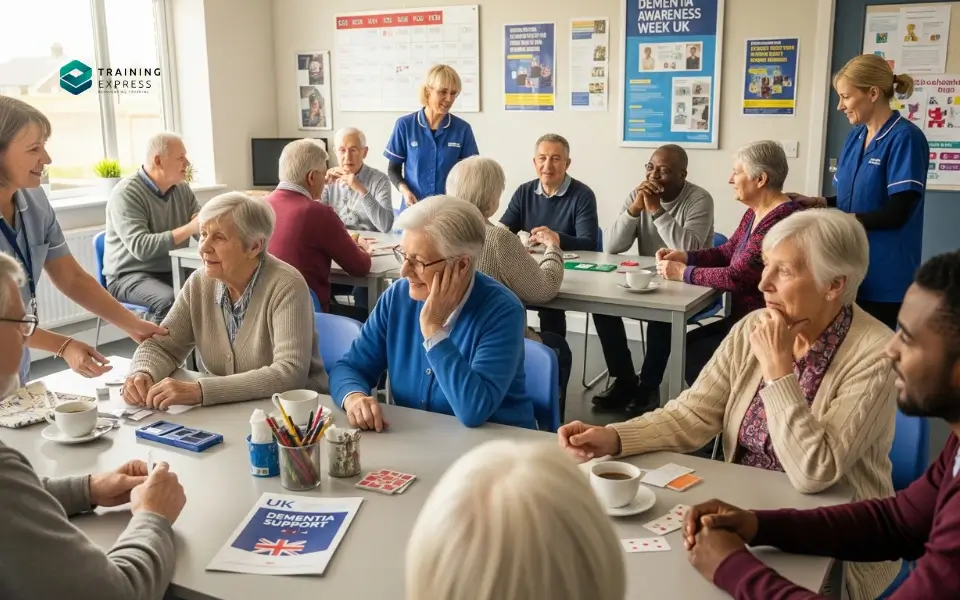
The UK has a substantial number of support groups that provide many services for dementia patients, their family members, and caregivers in this field.
These include:
- Age UK (specialising in dementia support groups for the elderly)
- Alzheimer’s & Dementia Support Services (ADSS)
- Alzheimer’s Disease International (ADI)
- Alzheimer’s Society
- Alzheimer’s Research UK
- At Dementia
- Carers UK
- Contented Dementia Trust
- Dementia UK
- Frontotemporal Dementia Support Group (Ftdsg)
- The Lewy Body Society
- Parkinson’s UK
- Young Dementia UK
The NHS and Community Care services also offer substantial help and guidance for those affected by aspects of dementia.
Conclusion
Dementia affects far more than memory; it reshapes lives, challenges perceptions, and demands compassion as much as care. As the number of cases continues to rise across the UK, awareness and understanding must evolve to keep pace. While there’s still no cure, evidence suggests that lifestyle changes, early detection, and community support can make a meaningful difference.
The information in this article isn’t just for those already impacted by dementia; it’s for everyone. Whether you’re a caregiver, a concerned friend, or simply someone who wants to make sense of a complex condition, knowing the facts is the first step. Awareness paves the way for empathy, action, and better outcomes not just for individuals, but for society as a whole.
By staying informed, challenging myths, and supporting those affected, we each play a part in creating a more compassionate, dementia-aware UK.