Food Hygiene
 Health & Safety
 Safeguarding
 First Aid
 Business Skills
 Personal Development


Abuse and neglect aren’t always visible—and they don’t always leave bruises. Every year, millions of cases go unreported, not because no one cares, but because the warning signs are too often missed, misunderstood, or ignored. In the UK alone, over half a million concerns relating to adult abuse were raised in just one year. That figure is both staggering and telling—it’s not just a hidden problem, it’s a growing one.
This article is for anyone who works with, lives with, or supports vulnerable adults—especially older people. Whether you’re a professional in health and social care or simply concerned about a loved one, recognising abuse early can save someone’s dignity, wellbeing, and even their life.
Inside, we’ll explore what qualifies as abuse and neglect, the many forms it can take (some surprisingly subtle), and how to recognise the red flags. We’ll also look at who might perpetrate abuse—spoiler: it’s not always strangers—and the circumstances that put older individuals most at risk. From physical harm to emotional manipulation, from neglect to self-neglect, this guide sheds light on an often-overlooked subject that urgently needs attention.
The more we understand the patterns and risk factors of abuse, the better equipped we are to intervene, report concerns, and protect those who may be suffering in silence.
Table of Contents
What Constitutes Abuse and Neglect?
Abuse and neglect can take many different forms. Physical abuse may be more obvious because of this. But not all misuse is visible, therefore it’s important to avoid making assumptions.
We consider abuse to be intentional. The victim’s safety and well-being may suffer as a result.
One type of abuse is neglect. Neglect is when children and vulnerable individuals are not given the basic care and necessities.
Everyone has the right to feel secure and to be shielded from abuse of any kind, as we have previously learnt, regardless of
- Age
- Gender
- Racial heritage
- Religious beliefs
- Disability
- Sexual orientation
Types and Possible Indicators of Abuses
Abuse, as we all know, can be both obvious and covert. Next, we’ll examine the many kinds of abuses and some indicators that they are occurring.

Physical abuse – This can include hitting, pushing, misuse of medication and inappropriate restraint. Signs of this include:
- History of unexplained falls
- Unexplained bruising, burns, fractures and lacerations
- Untreated medical problems
- Weight loss due to malnutrition and dehydration
Sexual abuse – Rape, indecent exposure, harassment, exposure to pornography, and sexual act witnessing are a few examples of this. Indications of this include:
- Change in behaviour
- Confusion
- Incontinence
- Difficulty walking
- Poor concentration
- Disturbed sleeping patterns
- Pregnancy
- Bruising to thighs and upper arms
Emotional abuse – Threats of violence, desertion, extortion, humiliation, control, compulsion, and seclusion are some examples of this. Indications of this include:
- Change in appetite
- Weight loss
- Low self-esteem
- Insomnia
- Distress
- Poor personal hygiene
Domestic abuse – Domestic violence can be committed by other family members, despite the common misconception that it only happens between intimate partners.
The following are additional contributing causes to domestic abuse:
- It can stem from one single incident to multiple occurrences.
- It is recognised as a pattern of controlling, coercive or threatening
- behaviour by somebody intimate or other family members.
- Types of domestic abuse can include physical, sexual and emotional abuse
Discriminatory abuse – This is where abuse occurs based on sexual orientation, age, gender, race, culture, religion, or handicap. Symptoms of this include:
- Hate crime
- Derogatory comments
- Harassment
- Denial of medical treatment on the grounds of age or mental health
Financial abuse – This can involve becoming a victim of duress about a will, fraud, theft, and scams. Regardless of the amount of money involved, it is considered abuse. Symptoms of this include:
- Sudden inability to pay bills
- Sudden debt
- Unusual patterns in cash withdrawals from a bank account
- Personal items going missing
- Lack of possessions
- Resistance to an explanation regarding finances
Neglect – Neglect is when a youngster or vulnerable adult is not given the care and basic necessities. Ignoring physical, emotional, and medical needs is another example of this. Symptoms of this include:
- Malnutrition and dehydration
- Poor physical condition
- Dirty clothes
- Isolation
- Withdrawal
- Lack of lighting or heating at home
Who Commits Abuse?
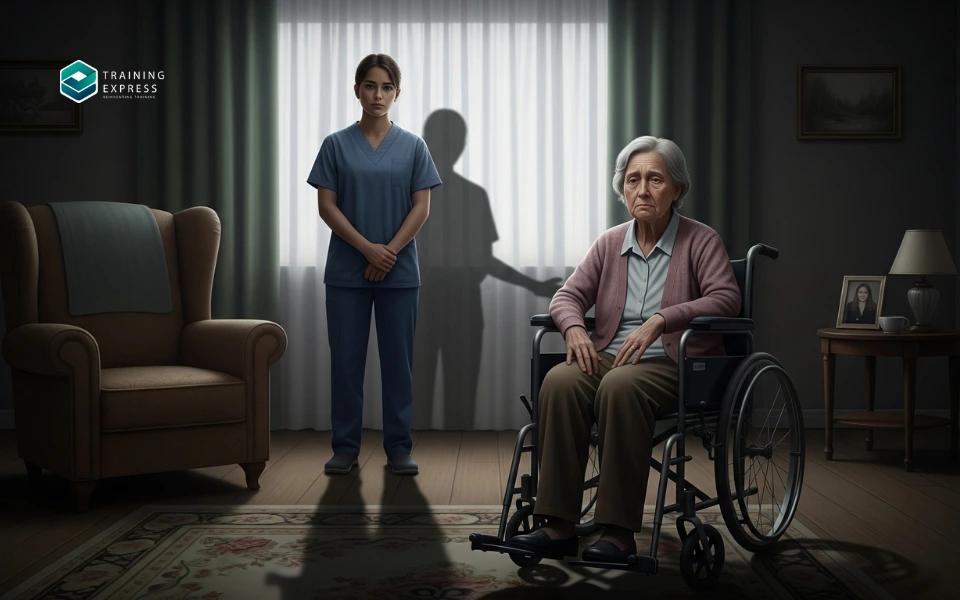
Special ties are often exploited by those who abuse others.
Abusers can vary; they can be people who we trust such as:
- A friend
- A family member
- A carer
Not all abuse is deliberate. It may occur when someone lacks the abilities necessary to provide the care that a person requires.
However, this doesn’t change the impact it has on the individual.
- Sadly, abuse and neglect are more likely to occur among those who require care and support, such as the elderly or those with disabilities.
- Abuse can happen to anyone, regardless of their value, strength, or knowledge.
- Some victims of abuse might not even be aware that they are being mistreated.
- The abuser might, however, make an effort to keep others from seeing the victim.
Spotting Signs of Abuse in Older People
Elderly victims of abuse may be too ashamed or scared to discuss it. This makes it challenging to recognise the warning indications of abuse. Thus, it can be quite important to recognise the warning indications of abuse.
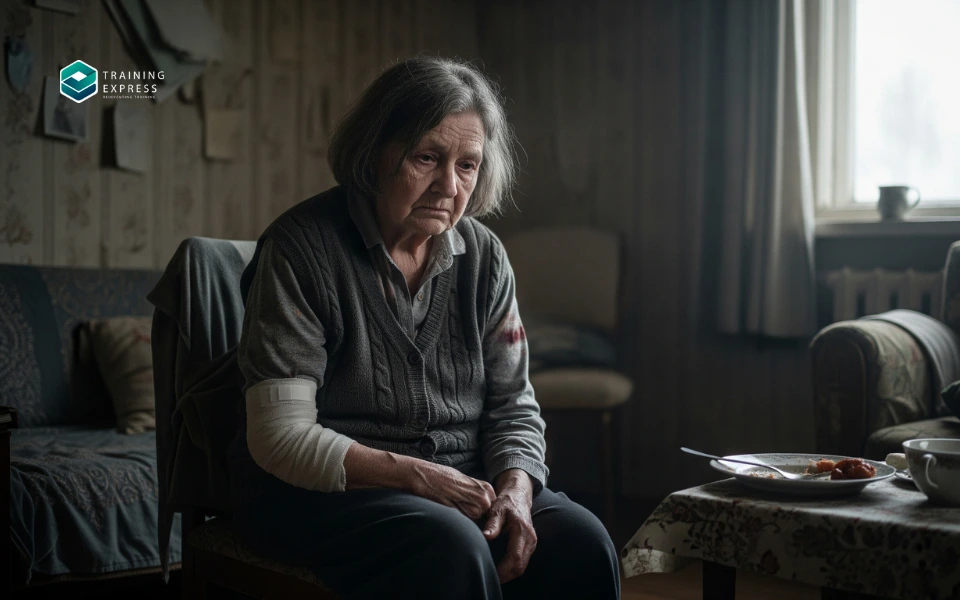
Some typical signs and symptoms of abuse in older people include:
- Malnutrition that isn’t caused directly by illness
- Poor personal hygiene
- Unexplained injuries that haven’t been cared for
- Having sunken eyes with evidence of poor circulation
- Frequent visits to the hospital or doctors
- Lack of basic necessities such as food and water
Not all symptoms are physical; often, there are behavioural changes such as:
- Depression
- Isolation
- Anxiety
- Making up implausible stories about how an injury occurred
- Fear of speaking freely
- Confusion
Financial exploitation is also another common sign of abuse in older people; signs of this include:
- Lack of amenities in the person’s home that they can clearly afford
- The elderly person may provide excessive gifts or monetary reimbursement for care and companionship
- The carer has control over the person’s finances but isn’t providing for the needs of the individual
It might be challenging to identify instances of elder sexual and physical abuse. However, there are some red flags that should not be disregarded. The following are indicators of physical abuse:
- Unexplained fractures or bone breaks
- Bruising
- Lacerations
- Sores
- Burns
The signs of sexual abuse include:
- Bruises on thighs or external genitals
- Bleeding, pain and irritation of the genitals
- Inappropriate relationships between accused and victim
- Aggressive behaviour
Older people also suffer neglect and signs of this include:
- Lack of basic hygiene
- Lack of clean clothes, or clothing appropriate for the weather
- Lack of adequate food
- Missing aids such as medications, glasses and hearing aids
- Being left bed-bound for extended periods of time without any care
- The living area lacks amenities such as heating, electricity and plumbing
Risk Factors of Elder Abuse
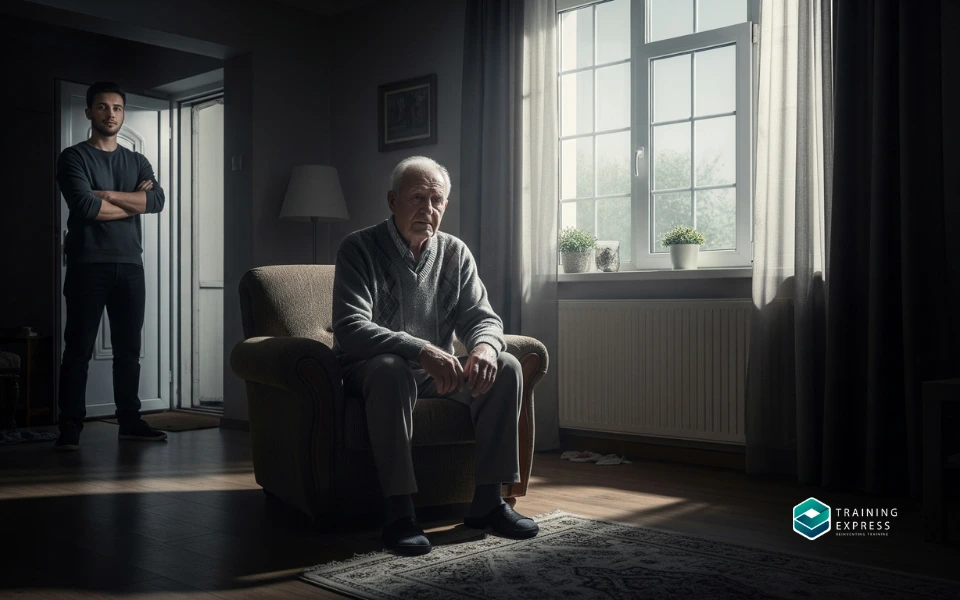
- We often need assistance from others to take care of ourselves as we age. This raises the possibility that someone will mistreat or exploit someone; this is known as elder abuse.
- Elder abuse can occur at any time, anywhere, and to anyone. Their home, an assisted living facility, a nursing home, or even a hospital may be the site of this abuse.
- Elder abuse can occur in any race or culture, just like the other forms of abuse we have examined.
However, a majority of cases of abuse occur in the elderly persons own home.
Those most at risk of elder abuse are:
- Home-bound
- Women
- Over the age of 80- meaning they are a lot frailer and unable to defend themselves against abuse.
- Those that live in isolated conditions – making it difficult to report the abuse they are suffering.
The risk factors that make the elderly more susceptible to abuse are:
- An old person who is isolated makes it challenging for the victim to disclose the abuse.
- The older person’s bad health may indicate that they are weaker and less able to protect themselves against maltreatment.
- The older person may be more susceptible to manipulation by an abuser and pose a risk to themselves because they suffer from mental health disorders, substance misuse, or dementia.
Enrol Now: Mental Health, Dementia and Learning Disabilities. Limited Seats Available!
Elder Self-neglect
When elderly people are unable to take care of their own basic daily requirements, it is known as elder self-neglect. This is characterised as the incapacity to carry out necessary self-care tasks because of a physical or mental impairment or impaired capacity. The health and safety of that individual are seriously at stake because of this. Even when a third party is not engaged, elder self-neglect is still regarded as elder abuse.
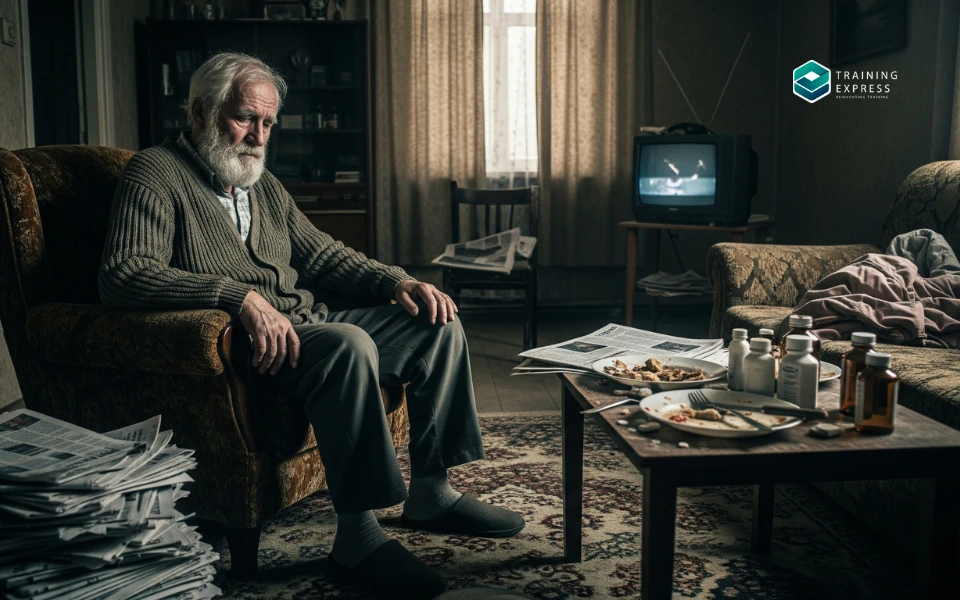
What are the causes of self-neglect?
Numerous conditions can lead to self-neglect, but the most prevalent ones include mental diseases, dementia, and brain injury. Individuals who are in pain could start abusing drugs, smoking, being promiscuous, or taking prescription drugs. Additional reasons for self-neglect include:
- Brain trauma
- Delusional disorder
- Drug-induced psychosis
- Vascular dementia
These symptoms can affect the person’s physical abilities, energy levels, attention, organisational skills or motivation.
Self-neglect: what are the issues?
As self-neglect changes the person’s behaviour, there then becomes a number of other issues as a result. Some of these risk factors are:
- Advancing age
- Depression
- Chronic illness
- Nutritional deficiency
- Alcohol and substance abuse
- Functional and social dependency
- Social isolation
- Delirium
These elements make people more susceptible to self-neglect. This frequently results in people living in squalor. A person’s health and safety are then at even greater risk as a result. Inadequate personal hygiene can lead to the development of sores and the infection of minor wounds and injuries.
If someone neglects their pre-existing health conditions, they may deteriorate. This can therefore be connected to some of the concerns mentioned above, like depression and social isolation. Refusing offers of assistance from medical or adult social services can also result from any mental causes of self-neglect.
Conclusion
Abuse and neglect in older adults are not always easy to detect—but their impact is deeply damaging and often long-lasting. Whether it’s inflicted by others or stems from self-neglect, the consequences reach far beyond physical harm, affecting mental health, dignity, and overall quality of life. The signs may be subtle, the perpetrators may be familiar, and the settings may seem safe—but vigilance is essential.
Understanding the types of abuse, their indicators, and the risk factors involved empowers us to take timely and appropriate action. Whether you’re a carer, a neighbour, a professional, or a family member, knowing what to look for could make the difference between silent suffering and meaningful support.
Raising awareness is only the first step. The next is staying alert, speaking up, and making sure that older people—regardless of their circumstances—can live in safety, comfort, and with the respect they deserve. Abuse doesn’t always shout for attention. Sometimes, it whispers. And we must be prepared to listen.
Frequently Asked Questions
What is considered abuse or neglect in adults?
Abuse or neglect involves any action—or lack of action—that causes harm or distress to a vulnerable adult. This can be physical, emotional, sexual, financial, or psychological. Neglect includes failing to meet basic needs such as food, hygiene, or medical care.
What are the most common signs of abuse in older adults?
Warning signs include unexplained injuries, changes in behaviour, withdrawal from social activities, poor hygiene, sudden financial issues, or fearfulness around certain people. Emotional abuse may show through depression or anxiety.
Who is most at risk of experiencing abuse or neglect?
Older adults, especially those who are isolated, have disabilities, cognitive impairments, or depend on others for care, are at higher risk. Those living in care settings or relying heavily on family or carers may also be vulnerable.
Can abuse happen even if there are no physical injuries?
Yes. Emotional, psychological, and financial abuse often leave no physical marks. Manipulation, threats, controlling behaviour, or theft can all occur without visible signs, making them harder to detect but equally harmful.
Who are the typical perpetrators of abuse?
Abuse is often committed by someone the victim knows and trusts—such as family members, caregivers, friends, or professionals. Strangers can also be perpetrators, but abuse within relationships of trust is more common.
What should I do if I suspect someone is being abused or neglected?
If you suspect abuse, report it to local safeguarding services or adult social care. In urgent cases, contact the police. It’s important not to confront the abuser directly unless it’s safe to do so. Document your concerns and trust your instincts.
Why is abuse and neglect often underreported?
Victims may feel fear, shame, dependence on the abuser, or lack the capacity to report. Others around them may miss subtle signs or feel uncertain about how to respond. Lack of awareness and training also contribute to underreporting.
Related Blogs