Food Hygiene
 Health & Safety
 Safeguarding
 First Aid
 Business Skills
 Personal Development


Every day in the UK, millions of people receive support not only from professionals but also from family, friends, and neighbours. This type of help is known as informal care, and it plays a vital role in the health and social care system.
Informal care refers to unpaid support given to individuals who are elderly, ill, disabled, or living with mental health conditions. It can include help with daily tasks, personal care, emotional support, and companionship, all aimed at helping people live more safely and independently.
In this blog, we will explore what informal care is, who provides it, and why it is so important in supporting individuals, families, and the wider health and social care system in the UK.
Table of Contents
What Is Informal Care in Health and Social Care?
Informal care is the unpaid assistance provided to individuals who require support due to illness, disability, mental health conditions, ageing, or difficulties with daily living. Unlike professional care services, informal care is usually delivered by people who have a personal relationship with the person receiving care.
This type of care often takes place in homes and communities, helping individuals maintain their independence and quality of life. Informal care can range from occasional help with shopping and transportation to providing daily personal care and emotional support.
Examples of informal care include:
- Helping an elderly parent with cooking, cleaning, or personal hygiene.
- Supporting a family member with a disability by assisting with mobility and daily activities.
- Providing emotional support and companionship to someone experiencing illness or recovery.
Without informal carers, many vulnerable individuals would require additional support from health and social care services, placing greater demand on public resources.
Importance of Informal Care in Health and Social Care
Informal care plays an important role in health and social care by supporting individuals with long-term illnesses, disabilities, or age-related needs, often within their own homes. It works alongside formal services to provide daily support, helping people stay safe, comfortable, and independent.

It also strengthens family relationships and offers emotional support while reducing pressure on professional care services. In many cases, informal care helps prevent unnecessary hospital admissions or the need for residential care.
In the UK, there are around 5.7 million informal carers according to Carers UK, highlighting just how vital they are to the health and social care system and the people who rely on it every day.
Who Is an Informal Carer?
An informal carer is a person who provides unpaid care and support to someone who cannot fully manage on their own due to physical, mental, or age-related needs. The care provided may be occasional or intensive, depending on the individual’s circumstances.
People who commonly become informal carers include:
- Family members
- Partners or spouses
- Friends
- Neighbours
Informal carers do not need professional qualifications or formal healthcare training. Their caregiving role often develops naturally because of a close relationship with the person needing support.
Many carers may not even identify themselves as carers. They often view their responsibilities as simply helping a loved one, despite carrying out tasks that can be similar to those performed by professional care workers.
What Is the Difference Between an Informal Carer and a Professional Carer?
Although both provide valuable support, there are important differences between informal and professional carers.
Informal carers:
- Usually provide unpaid care.
- Support someone with whom they have a personal relationship.
- Often have no formal qualifications or professional training.
- Usually act voluntarily rather than under employment contracts.
Professional carers:
- Receive payment for their services.
- Have a professional duty of care.
- Often complete specialised training and qualifications.
- Work within legal, organisational, and regulatory frameworks.
Both types of carers frequently work together to ensure individuals receive comprehensive support tailored to their needs.
Types of Informal Care
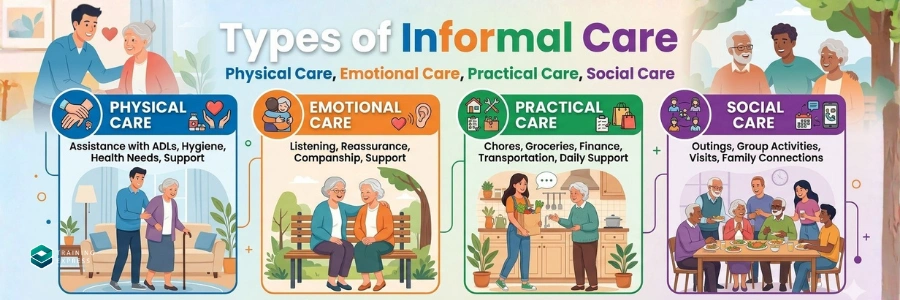
Informal care can take many forms, often combining practical, emotional, and social support to meet the unique needs of the person receiving care. Most carers provide a mix of these types without even realising it.
- Physical Care – Helping with daily personal care tasks, such as bathing, dressing, eating, moving safely, and managing mobility.
- Emotional Care – Offering reassurance, companionship, encouragement, and support for mental and emotional wellbeing.
- Practical Care – Assisting with household chores, shopping, finances, transport, and attending appointments to keep daily life running smoothly.
- Social Care – Supporting social interaction, maintaining relationships, encouraging community involvement, and reducing loneliness.
Together, these types of informal care help individuals live with dignity, independence, and a better quality of life.
Physical Care
Physical care involves helping individuals with activities necessary for daily living and personal wellbeing.
This may include:
- Assisting with washing, bathing, and grooming.
- Helping with dressing and personal hygiene.
- Supporting mobility and movement around the home.
- Assisting with eating and drinking.
- Providing medication reminders.
- Helping manage health conditions and daily routines.
Physical care enables individuals to maintain dignity, safety, and comfort while living as independently as possible.
Emotional Care
Emotional care is often one of the most important forms of support provided by informal carers.
Examples include:
- Offering comfort and reassurance.
- Listening to worries and concerns.
- Providing encouragement during difficult periods.
- Helping reduce anxiety, loneliness, and stress.
- Supporting emotional resilience and confidence.
Strong emotional support can significantly improve a person’s mental wellbeing and overall quality of life.
Practical Care
Practical care focuses on helping with everyday tasks that keep a household functioning effectively.
Responsibilities may include:
- Cooking meals.
- Cleaning and maintaining the home.
- Shopping for groceries.
- Managing appointments.
- Arranging transportation.
- Supporting finances and paperwork.
- Organising daily schedules.
Practical support allows individuals to continue living safely and independently within their communities.
Social Care
Social care addresses the importance of relationships, companionship, and community involvement.
This may involve:
- Spending quality time together.
- Providing companionship.
- Encouraging participation in social activities.
- Supporting communication with family and friends.
- Preventing social isolation.
- Enhancing overall quality of life.
Social interaction plays a key role in maintaining emotional and psychological wellbeing.
The Role of Informal Caregivers in Health and Social Care
Informal caregivers perform a wide range of responsibilities that contribute significantly to health and social care outcomes.
Their roles often include:
- Supporting independence.
- Helping individuals remain in their own homes.
- Providing daily assistance.
- Monitoring changes in health conditions.
- Communicating with healthcare professionals.
- Coordinating appointments and treatments.
Because informal carers spend substantial time with care recipients, they are often the first to notice changes in health, behaviour, or wellbeing. Their observations can help healthcare professionals make informed decisions about treatment and support.

Skills Needed by Informal Carers
Effective caregiving requires various practical and interpersonal skills, including:
- Communication skills to interact with healthcare professionals and care recipients.
- Patience and empathy when supporting individuals with complex needs.
- Organisation to manage appointments and daily responsibilities.
- Basic care knowledge regarding medication, mobility, and safety.
- Problem-solving skills to respond to changing situations.
While formal qualifications are not required, developing these skills can improve caregiving effectiveness and confidence.
Why Is Informal Care Important in Health and Social Care?
Informal care is a cornerstone of health and social care systems worldwide.
Its importance includes:
- Reducing pressure on hospitals and social care services.
- Providing personalised support tailored to individual needs.
- Improving quality of life.
- Offering emotional security and familiarity.
- Supporting person-centred care approaches.
People often feel more comfortable receiving assistance from trusted family members or friends. This familiarity can promote dignity, confidence, and emotional wellbeing while reducing reliance on institutional care.
Informal vs Formal Care: What Is the Difference?
| Aspect | Informal Care | Formal Care |
|---|---|---|
| Provider | Family, friends, neighbours | Paid professionals |
| Setting | Home or community | Care facilities or home visits |
| Regulation | Unregulated | Regulated and licensed |
| Payment | Usually unpaid | Paid service |
| Scope | Flexible and personal | Structured and professional |
Both forms of care complement one another and frequently work together to meet complex care needs.
How Widespread Is Informal Care?
Informal care is more common than many people realise, affecting millions of lives across the UK. Most adults will either provide or receive informal care at some point, showing just how essential it is to our communities.
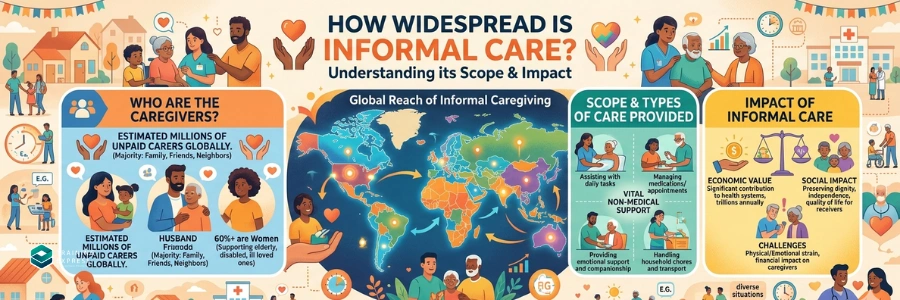
According to the 2021 Census for England and Wales, approximately 5 million people (8.9% of the population) identified themselves as unpaid carers, providing support to someone with long-term health needs or disabilities. The census also found that women were more likely than men to take on caring responsibilities, particularly during middle age. Adults aged between 50 and 64 years represented one of the largest groups of unpaid carers, often balancing support for ageing parents, partners, and other family members alongside work and personal commitments.
Many carers balance their duties with employment. In 2022/23, over half of adult carers were in paid work, slightly lower than the general adult employment rate (51% vs 60%). Informal carers, particularly those aged 16–34, are also twice as likely to report poor health, reflecting the challenges of unpaid caregiving.
Summary Table: Informal Care by Demographics
| Group | Share of Informal Carers |
|---|---|
| Women vs Men | ~60% women, ~40% men |
| Age 55–59 | ~20% of women, ~13% of men |
| Young carers (<18) | ~1.4% (≈120,000 in UK) |
| Employment (carers ≥16) | ~51% in work vs ~60% of all adults |
| Health risks (16–34) | ~2× more likely to report poor health |
This data highlights the scale and diversity of informal care in the UK, emphasizing why recognition, support, and tailored services for carers are crucial.
Advantages of Informal Care in Health and Social Care
You might wonder why informal care is so important. The truth is, it provides benefits that professional care can’t always match. Here’s how it makes a difference:
For Care Receivers:
- Familiar comfort: Being cared for at home reduces stress and confusion.
- Personalised attention: Loved ones understand preferences better than any professional.
- Emotional security: Trusted family and friends provide companionship and reassurance.
- Better wellbeing: Individuals often feel happier, safer, and more independent.
For Families:
- Cost savings: Avoids expensive care homes or constant professional care.
- Peace of mind: Knowing your loved one is being cared for by someone they trust.
- Stronger bonds: Caregiving strengthens relationships and family connections.
- Flexibility: Routines can be adjusted to fit everyone’s needs.
For Society:
- Reduces healthcare costs: Less strain on NHS and social care services.
- Frees up resources: Professional carers can focus on the most urgent cases.
- Community support: Neighbours and friends helping each other strengthens communities.
- Cultural continuity: Maintains family and community care traditions.
Of course, informal care comes with challenges too. Next, we’ll explore what makes this essential role demanding and complex.
Real-World Case Studies of Informal Care
Informal care exists in countless forms across everyday life. The following examples illustrate how unpaid carers support individuals with different needs.
Case Study 1: Supporting an Older Parent to Live Independently at Home
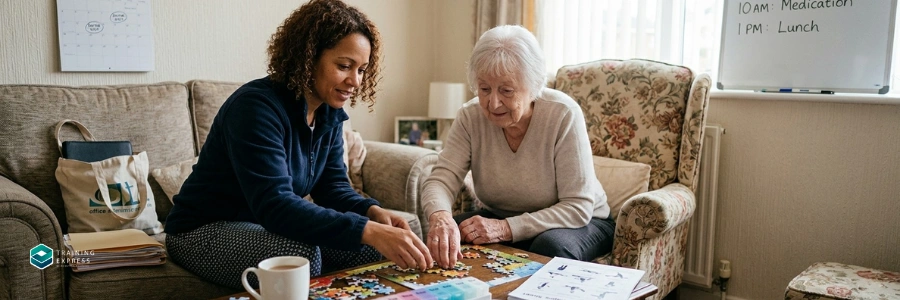
Sarah, a 42-year-old office administrator, became the primary carer for her 81-year-old mother, Margaret, after Margaret was diagnosed with arthritis and early-stage dementia. Although Margaret wanted to continue living in her own home, she began struggling with everyday tasks and frequently forgot to take her medication.
Care Provided
Sarah visited her mother every day before and after work. She organised weekly medication boxes to ensure prescriptions were taken correctly and accompanied Margaret to medical appointments. Sarah also helped with grocery shopping, meal preparation, housework, and personal care tasks such as bathing and dressing when needed. Beyond practical support, she spent time talking with her mother, providing companionship and reducing feelings of loneliness.
Outcome
With Sarah’s support, Margaret was able to remain safely in her own home rather than moving into residential care. Regular monitoring helped identify health concerns early, while emotional support improved Margaret’s confidence and wellbeing. This case demonstrates how informal care can promote independence, dignity, and quality of life for older adults.
Case Study 2: Supporting a Family Member With a Physical Disability
James, a 35-year-old man with cerebral palsy, relied on his sister, Emma, for assistance with various aspects of daily life. Although James was highly independent in many areas, mobility challenges and transportation difficulties often limited his ability to participate fully in work and social activities.

Care Provided
Emma helped James attend medical appointments, social events, and community activities by providing transportation and mobility assistance. She also supported communication with healthcare professionals and helped him access local services and resources. During difficult periods, Emma provided emotional encouragement and reassurance, helping James maintain confidence and remain actively involved in his community.
Outcome
The support Emma provided enabled James to continue working part-time and participate in social activities that were important to him. By reducing barriers to mobility and access, Emma helped improve her brother’s independence, mental wellbeing, and overall quality of life. This case highlights the significant role informal carers play in supporting people with disabilities to live fulfilling and active lives.
Case Study 3: A Young Carer Supporting a Parent With Mental Health Challenges
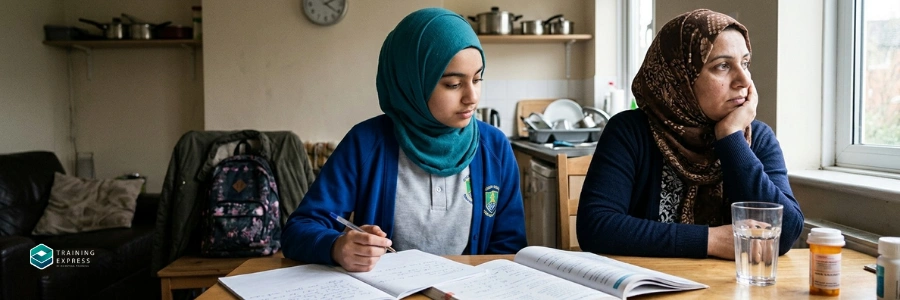
Aisha, a 15-year-old secondary school student, became a young carer for her mother, who experienced severe depression and anxiety. During periods when her mother’s mental health worsened, Aisha took on additional responsibilities within the household while continuing her education.
Care Provided
Aisha helped prepare meals, completed household chores, and assisted her younger brother with school routines and homework. She also provided emotional support by listening to her mother’s concerns and encouraging her to attend medical appointments and therapy sessions. Despite her caregiving responsibilities, Aisha worked hard to balance schoolwork, friendships, and family commitments.
Outcome
The support Aisha provided helped maintain stability within the family during challenging times. However, the responsibilities also placed significant pressure on her emotional wellbeing and academic life. After being identified by her school as a young carer, Aisha gained access to specialist support services and counselling, which helped her manage her caring role more effectively. This case demonstrates both the valuable contribution of young carers and the importance of providing appropriate support to protect their wellbeing and future opportunities.
Challenges Faced by Informal Carers
Being an informal carer can be very rewarding, but it also comes with significant challenges that can affect both physical and emotional wellbeing. Many carers often feel under pressure, with little time to rest or look after their own needs.
Common challenges include:
- Physical strain – Daily tasks like lifting or supporting someone can lead to fatigue or injury
- Emotional stress – Caring for a loved one can be emotionally draining, especially during illness or decline
- Lack of time – Balancing care with work, family, and personal life can feel overwhelming
- Financial pressure – Some carers reduce working hours or leave jobs, affecting income
- Isolation – Many carers feel alone without enough support or recognition
Despite these challenges, many carers continue their role with dedication. However, it is important to remember that seeking support, taking breaks, and accessing available services can make a significant difference.
Impact of Informal Caring on the Carer's Own Health
Caregiving responsibilities can affect carers’ health in various ways.
Potential impacts include:
- Stress and burnout.
- Anxiety and depression.
- Reduced social interaction.
- Sleep difficulties.
- Physical strain from lifting or assisting mobility.
Recognising and addressing these risks is essential for maintaining carers’ wellbeing and ensuring sustainable care arrangements.
Read Now: What are Barriers in Health and Social Care? – Fully Explained
Support Available for Informal Caregivers
Caring for someone can be rewarding, but it can also be physically and emotionally demanding. Many informal carers often focus entirely on the person they support and forget to look after their own wellbeing. That’s why accessing the right support is so important.

In the UK, informal carers can access several forms of help, including:
- Carer’s Allowance – A financial benefit for those caring at least 35 hours per week
- Carer’s assessments – Provided by local councils to identify your needs and offer tailored support
- Respite care – Temporary care services that give carers a much-needed break
- Support groups – Opportunities to connect with other carers and share experiences
- Training and guidance – Free resources from charities and organisations to help you manage care more confidently
Seeking support is not selfish—it is essential. When carers are supported and well, they are better able to provide safe, consistent, and compassionate care to the person they look after.
Legal Rights and Policy Framework for Informal Carers in the UK
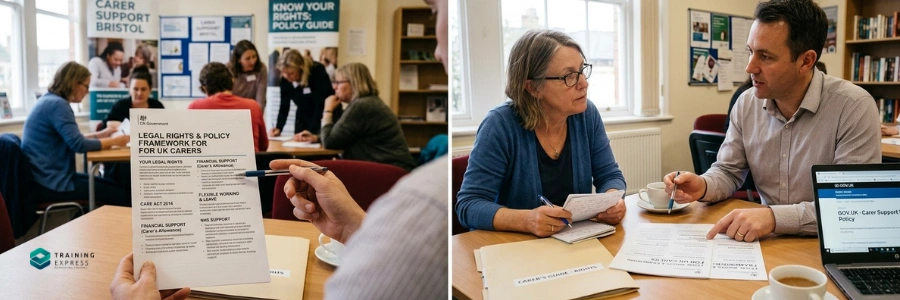
The UK has introduced legislation and policies designed to recognise and support unpaid carers.
These legal protections help ensure carers’ needs are considered alongside those of the individuals they support.
Do Informal Carers Have Legal Rights?
Yes. Informal carers may have recognised legal rights under UK legislation.
These rights often relate to:
- Assessments of support needs.
- Access to services.
- Employment protections in certain circumstances.
- Consideration of wellbeing and caring responsibilities.
Understanding these rights can help carers access appropriate support.
Carer's Assessment Under the Care Act 2014
A Carer’s Assessment is an evaluation conducted by local authorities to determine a carer’s needs and identify suitable support.
Key points include:
- Any eligible carer can request an assessment.
- It considers the impact of caring responsibilities.
- It explores support options and available services.
- It helps identify ways to maintain the carer’s wellbeing.
The assessment plays an important role in helping carers access assistance and resources.
Are Informal Carers Responsible Legally for Providing Care?
In most situations, family members and friends are not automatically legally obligated to provide care.
While many choose to support loved ones voluntarily, there are limits to what can reasonably be expected. Local authorities and healthcare providers may become involved when care needs exceed what informal support can safely provide.
Economic Value of Informal Care
Informal carers contribute enormous economic value to the health and social care system.

Research consistently shows that unpaid caregiving represents billions of pounds worth of support annually across the UK. If all informal care had to be replaced by paid services, the financial burden on public systems would increase dramatically.
Supporting carers benefits society because it:
- Maintains community-based care.
- Reduces healthcare costs.
- Delays or prevents residential care admissions.
- Improves outcomes for care recipients.
Investment in carer support is therefore both socially and economically beneficial.
The Future of Informal Care in Health and Social Care
The future importance of informal care is expected to grow significantly.
Several factors contribute to increasing demand:
- An ageing population.
- Rising rates of long-term health conditions.
- Greater emphasis on community-based care.
- Increased preference for independent living.
As demand rises, governments, healthcare providers, and communities will need to strengthen support systems for unpaid carers. Ensuring carers receive adequate resources, training, and recognition will be essential for maintaining sustainable health and social care services.
Final Thoughts
Informal care is the unpaid, often unseen support that underpins health and social care in the UK. It plays a critical role in maintaining well-being, independence, and dignity for millions of people.
As demand for care continues to rise, informal care will become even more significant within the health and social care system. Recognising and valuing carers is essential for sustainable care delivery.
Greater awareness, education, and support can empower informal carers and those entering health and social care careers. Learning more about care roles or supporting carers helps strengthen communities and improve lives.
Frequently Asked Questions (FAQ)
What is considered informal care?
Informal care is unpaid support provided to someone who cannot manage daily life independently, often due to illness, disability, mental health conditions, or ageing. It includes help with personal care, household tasks, emotional support, and social interaction.
Who can become an informal carer?
Anyone can be an informal carer—family members, partners, adult children, friends, neighbours, or young carers—who provide regular assistance without formal training or payment.
Is informal care recognised by the NHS?
Yes, the NHS recognises informal carers and offers support such as Carer’s Assessments, advice, and access to resources. Carers may also receive financial help like Carer’s Allowance.
How is informal care different from formal care?
Formal care is provided by trained professionals through health or social care services, often under a contract. Informal care is unpaid, usually given by someone with a personal connection, and focuses on flexible, personalised support.
Can informal carers get support or training?
Yes, carers can access local council support, NHS guidance, online training, workshops, and community programmes to develop skills and improve care delivery.
What types of support can informal carers provide?
Informal carers can provide physical care, emotional support, practical help with daily living, and social engagement to improve wellbeing and independence.
How does informal care affect carers’ mental health?
While rewarding, informal care can be stressful, leading to fatigue, anxiety, or social isolation. Support networks, respite breaks, and professional guidance can reduce these risks.
Are there legal rights for informal carers in the UK?
Yes, informal carers have legal rights including workplace protection, access to carers’ assessments, and eligibility for benefits like Carer’s Allowance.
Can informal care be included in care planning?
Absolutely. Informal carers are often considered part of a person’s care team, contributing to care plans, assessments, and decisions alongside professionals.
How is informal care measured or valued in the health system?
Informal care is measured through hours of support, type of tasks performed, and impact on wellbeing. Its value is recognised as a significant contribution to health and social care delivery.
What is the most common type of informal care?
Physical care, such as helping with bathing, dressing, medication, and mobility, is among the most common forms, though many carers combine it with emotional and practical support.
What are the effects of informal care?
Informal care improves independence, emotional wellbeing, and quality of life for care recipients while providing satisfaction and purpose for carers, though it can also create stress and time pressures.
What are the disadvantages of informal care?
Challenges include physical and emotional strain, limited financial support, lack of formal training, and the risk of caregiver burnout.
What are the problems with informal groups?
Informal caregiving groups may face coordination issues, inconsistent care standards, and limited access to professional guidance or resources.
What are the advantages of informal structure?
Informal care is flexible, personalised, cost-effective, and culturally sensitive. It strengthens family bonds, community ties, and provides care in a familiar and comfortable environment.

Robert Lawrence
Author | Specialises in Health and Social Care
Robert Lawrence is an e-learning specialist and tutor at Training Express, with experience creating practical resources and strategies to support learners and enhance their professional development.