Food Hygiene
 Health & Safety
 Safeguarding
 First Aid
 Business Skills
 Personal Development


Marine biology is often associated with ocean research, wildlife conservation, and underwater exploration. While these areas remain important, the field has expanded significantly in recent years. Today, marine biology professionals work in environmental consulting, renewable energy, biotechnology, policy development, fisheries management, and scientific leadership.
As concerns about climate change, ocean conservation, sustainable food production, and offshore energy continue to grow, employers are increasingly seeking professionals with marine science expertise. While some entry-level marine biology roles offer modest salaries, specialised and leadership positions can provide excellent earning potential.
This guide explores the 15 highest paying marine biology jobs in 2026–2027, including average UK salary ranges, top earning potential, future demand, and career growth prospects.
Table of Contents
Highest Paying Marine Biology Jobs: Salary Comparison Table
The table below highlights some of the highest-paying marine biology jobs in the UK, giving you an overview of potential salary ranges and career progression opportunities.
| Career | Average UK Salary Range |
|---|---|
| Marine Research Director | £80,000 – £140,000+ |
| Marine Environmental Consultant | £60,000 – £120,000+ |
| Marine Policy Director | £70,000 – £120,000+ |
| Offshore Renewable Energy Manager | £70,000 – £120,000+ |
| Marine Data Scientist | £55,000 – £110,000+ |
| Oceanographer | £45,000 – £95,000+ |
| Marine Biotechnology Scientist | £50,000 – £95,000+ |
| Fisheries Manager | £45,000 – £90,000+ |
| Marine Resource Economist | £50,000 – £90,000+ |
| Marine Conservation Manager | £45,000 – £85,000+ |
| Marine Biology Professor | £50,000 – £85,000+ |
| Marine Mammal Specialist | £35,000 – £75,000+ |
| Aquaculture Manager | £40,000 – £75,000+ |
| Marine Biologist | £30,000 – £65,000+ |
| Marine Science Educator | £30,000 – £60,000+ |
1. Marine Research Director
A Marine Research Director is one of the highest-level careers in marine science, combining advanced research expertise with leadership and strategic decision-making. This role involves managing major marine projects, guiding research teams, and contributing to solutions for ocean conservation and sustainability.

With strong demand for marine research and climate-related studies, experienced professionals in this position can access excellent earning potential and career growth opportunities across academic, government, and environmental sectors.
Salary & Career Snapshot
- Average UK Salary: £80,000–£140,000+
- Top Earning Potential: £150,000+
- Future Demand (2026–2027): Very High
- Salary Sources: Glassdoor UK, SalaryExpert, Reed, University Sector Pay Reports
Who Employs Marine Research Directors?
- Universities
- Marine research institutes
- Government agencies
- Environmental organisations
- Offshore energy companies
What Does This Role Involve?
Marine Research Directors oversee large-scale marine science programmes and research teams. They manage funding, coordinate scientific projects, publish research findings, and guide strategic research priorities. These professionals often supervise multidisciplinary teams studying marine ecosystems, climate change, fisheries, biodiversity, and ocean sustainability.
Many Marine Research Directors begin their careers as marine biologists, oceanographers, or environmental scientists before progressing into senior leadership positions.
Why It Pays So Well
Marine Research Directors are responsible for securing research grants, managing multimillion-pound budgets, leading scientific teams, and influencing national or international research priorities. Their expertise and leadership responsibilities contribute significantly to their earning potential.
Career Growth Potential (2026–2027)
Growing investment in climate research, ocean conservation, and marine sustainability initiatives is expected to increase demand for experienced research leaders. Opportunities are likely to expand within universities, government-funded research programmes, and international environmental organisations.
2. Marine Environmental Consultant
A Marine Environmental Consultant helps organisations understand and reduce the environmental impact of activities affecting marine ecosystems. They provide expert advice on conservation, environmental assessments, and sustainable development projects.
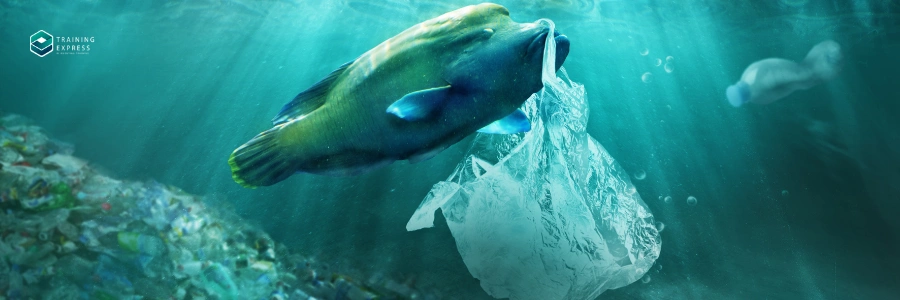
This role combines marine science knowledge with environmental planning, making it a highly valued career in sectors such as offshore energy, conservation, and coastal management.
Salary & Career Snapshot
- Average UK Salary: £60,000–£120,000+
- Top Earning Potential: £130,000+
- Future Demand (2026–2027): Very High
- Salary Sources: Glassdoor UK, Indeed UK, Reed, Environmental Careers Reports
Who Employs Marine Environmental Consultants?
- Environmental consultancies
- Offshore wind developers
- Engineering firms
- Government agencies
- Conservation organisations
What Does This Role Involve?
Marine Environmental Consultants assess the environmental impact of coastal and offshore developments. Their work often involves conducting habitat surveys, analysing environmental risks, preparing environmental impact assessments, and advising organisations on regulatory compliance.
These professionals help balance economic development with marine conservation goals, ensuring projects meet environmental standards while remaining commercially viable.
Why Employers Value This Role
Environmental regulations are becoming increasingly complex. Organisations rely on consultants to reduce legal risks, secure project approvals, and minimise environmental impacts. Experienced consultants who advise on major infrastructure and renewable energy projects often command premium salaries.
Career Growth Potential (2026–2027)
The continued expansion of offshore wind farms, marine construction projects, and sustainability initiatives is expected to drive strong demand for marine environmental consultants across the UK and internationally.
3. Marine Policy Director
A Marine Policy Director leads the development and implementation of policies that protect marine environments and support sustainable ocean management. They work with governments, organisations, and environmental groups to create strategies that address issues such as conservation, climate change, and marine resource management.
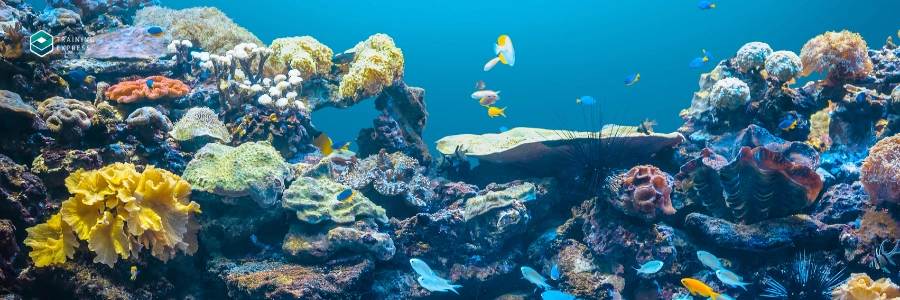
This senior-level role combines scientific knowledge, leadership, and policy expertise, making it an important career for professionals shaping the future of marine protection and sustainability.
Salary & Career Snapshot
- Average UK Salary: £70,000–£120,000+
- Top Earning Potential: £130,000+
- Future Demand (2026–2027): High
- Salary Sources: Glassdoor UK, Civil Service Pay Data, Reed
Who Employs Marine Policy Directors?
- Government departments
- International organisations
- Environmental charities
- Regulatory agencies
- Marine conservation groups
What Does This Role Involve?
Marine Policy Directors develop strategies and policies designed to protect marine environments while supporting sustainable economic activity. They review scientific evidence, work with stakeholders, influence legislation, and help shape decisions affecting fisheries, shipping, conservation, and offshore industries.
The position combines scientific expertise with governance, leadership, and public policy responsibilities.
What Drives Higher Salaries?
Marine policy decisions can have major environmental and economic consequences. Senior professionals who can bridge the gap between science, politics, and industry are highly valued by governments and international organisations.
Career Growth Potential (2026–2027)
Growing global attention on climate change, biodiversity protection, and sustainable marine resource management is expected to strengthen demand for policy leadership roles.
4. Offshore Renewable Energy Manager
An Offshore Renewable Energy Manager oversees large-scale marine energy projects, particularly offshore wind developments. They manage operations, teams, planning, and environmental considerations to ensure renewable energy projects are delivered safely and efficiently.

With the rapid growth of clean energy investment, this role offers strong career prospects for professionals with knowledge of marine environments, engineering, and sustainable development.
Salary & Career Snapshot
- Average UK Salary: £70,000–£120,000+
- Top Earning Potential: £140,000+
- Future Demand (2026–2027): Very High
- Salary Sources: Glassdoor UK, RenewableUK, Reed, Energy Sector Salary Reports
Who Employs Offshore Renewable Energy Managers?
- Offshore wind companies
- Energy developers
- Engineering consultancies
- Government-backed projects
- Infrastructure firms
What Does This Role Involve?
Offshore Renewable Energy Managers oversee projects involving offshore wind farms and marine energy developments. They coordinate environmental assessments, manage budgets, supervise multidisciplinary teams, and ensure projects comply with environmental and regulatory requirements.
Marine biology knowledge is often essential when evaluating ecological impacts and designing mitigation strategies.
Why This Career Offers Strong Earning Potential
The UK’s renewable energy sector continues to receive substantial investment. Professionals who understand both marine ecosystems and large-scale infrastructure projects occupy a highly valuable niche within the industry.
Career Growth Potential (2026–2027)
This is expected to be one of the fastest-growing marine-related careers as governments and businesses accelerate investment in renewable energy.
5. Marine Data Scientist
A Marine Data Scientist combines marine science with data analysis to study and interpret complex ocean information. They use advanced technology, data models, and analytical tools to understand marine ecosystems, climate patterns, and environmental changes.

As marine research becomes increasingly data-driven, this role is growing in demand and offers strong opportunities for professionals with skills in science, technology, and data interpretation.
Salary & Career Snapshot
- Average UK Salary: £55,000–£110,000+
- Top Earning Potential: £125,000+
- Future Demand (2026–2027): Very High
- Salary Sources: Glassdoor UK, Indeed UK, Data Science Salary Reports
Who Employs Marine Data Scientists?
- Research institutes
- Ocean monitoring organisations
- Government agencies
- Environmental consultancies
- Technology companies
What Does This Role Involve?
Marine Data Scientists use advanced analytics, machine learning, and statistical modelling to analyse environmental and oceanographic data. Their work helps organisations monitor marine ecosystems, predict environmental changes, assess climate impacts, and improve resource management.
This role combines marine science expertise with one of the most in-demand technical skill sets in the modern job market.
Why Demand Is Driving Salaries Up
Data science remains one of the highest-paying professional fields. Professionals who can apply data analytics to marine and environmental challenges are relatively rare, making them particularly valuable to employers.
Career Growth Potential (2026–2027)
Demand is expected to increase rapidly as organisations adopt more data-driven approaches to environmental monitoring, sustainability planning, and climate research.
6. Oceanographer
An Oceanographer studies the physical, chemical, and biological processes of oceans to understand how marine environments function and change over time. They collect and analyse ocean data related to currents, climate, marine ecosystems, and environmental conditions.

This role plays an important part in marine research, climate studies, and sustainable ocean management, creating opportunities across science, energy, and environmental sectors.
Salary & Career Snapshot
- Average UK Salary: £45,000–£95,000+
- Top Earning Potential: £110,000+
- Future Demand (2026–2027): High
- Salary Sources: National Oceanography Centre, Glassdoor UK, Prospects, Indeed UK
Who Employs Oceanographers?
- Oceanographic research institutes
- Government agencies
- Universities
- Offshore energy companies
- Environmental consultancies
What Does This Role Involve?
Oceanographers study the physical, chemical, geological, and biological processes that shape the world’s oceans. Their work contributes to climate research, coastal management, marine conservation, and offshore industry development.
Many Oceanographers conduct fieldwork, collect samples, analyse data, and produce research that informs environmental decision-making.
What Makes This Role So Valuable?
Reliable ocean data is critical for addressing climate change, managing marine resources, supporting renewable energy projects, and protecting coastal communities. Specialists with advanced technical expertise often enjoy strong earning potential.
Career Growth Potential (2026–2027)
As concerns about climate change and ocean health continue to grow, Oceanographers are expected to remain in demand across both research and commercial sectors.
7. Marine Biotechnology Scientist
A Marine Biotechnology Scientist researches marine organisms to discover new products, technologies, and solutions in areas such as medicine, healthcare, and environmental science. They study biological materials from oceans and apply scientific methods to develop innovative applications.

With growing interest in sustainable resources and marine-based discoveries, this career offers strong future opportunities across biotechnology, research, and pharmaceutical industries.
Salary & Career Snapshot
- Average UK Salary: £50,000–£95,000+
- Top Earning Potential: £120,000+
- Future Demand (2026–2027): Very High
- Salary Sources: Glassdoor UK, BioIndustry Association Reports, Indeed UK
Who Employs Marine Biotechnology Scientists?
- Biotechnology companies
- Pharmaceutical firms
- Research institutes
- Universities
- Healthcare organisations
What Does This Role Involve?
Marine Biotechnology Scientists study marine organisms to develop new products, technologies, and scientific solutions. Their research may contribute to pharmaceutical discoveries, medical treatments, sustainable materials, cosmetics, and food production.
Many marine organisms contain unique compounds that can be used to create innovative products. Scientists in this field often work in laboratories conducting experiments, analysing biological samples, and collaborating with commercial research teams.
Why Experienced Professionals Earn More
Marine biotechnology sits at the intersection of science and commercial innovation. Researchers who contribute to successful products, patents, or breakthrough discoveries often become highly valuable to employers and can command significantly higher salaries.
Career Growth Potential (2026–2027)
Growing investment in biotechnology, healthcare innovation, and sustainable manufacturing is expected to create strong demand for marine biotechnology expertise over the coming years.
8. Fisheries Manager
A Fisheries Manager oversees the sustainable management of fish populations and marine resources. They work on conservation strategies, fisheries policies, and responsible practices to balance environmental protection with industry needs.
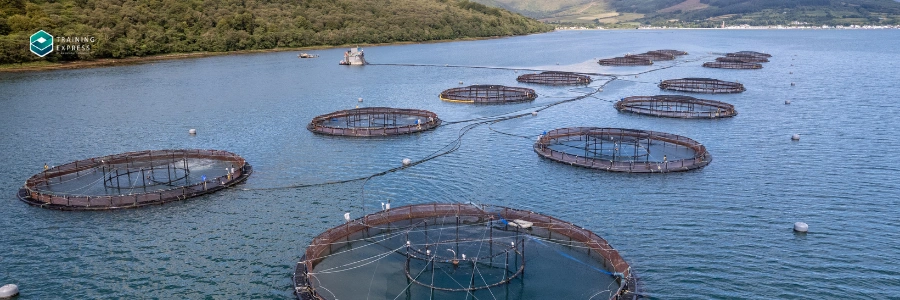
This role combines marine science, resource management, and leadership skills, making it an important career in protecting ocean ecosystems and supporting sustainable fisheries.
Salary & Career Snapshot
- Average UK Salary: £45,000–£90,000+
- Top Earning Potential: £100,000+
- Future Demand (2026–2027): High
- Salary Sources: Glassdoor UK, Fisheries Management Reports, Civil Service Careers Data
Who Employs Fisheries Managers?
- Government agencies
- Fisheries authorities
- Marine conservation organisations
- Environmental consultancies
- International organisations
What Does This Role Involve?
Fisheries Managers oversee the sustainable management of fish populations and marine resources. Their responsibilities include monitoring fish stocks, developing management strategies, enforcing regulations, and working closely with fishing industries and environmental stakeholders.
The role requires balancing economic needs with environmental sustainability to ensure long-term resource availability.
Why This Position Commands Higher Salaries
Sustainable fisheries management is essential for food security, biodiversity protection, and economic stability. Professionals responsible for managing large fisheries programmes or national fisheries policies often progress into well-paid leadership roles.
Career Growth Potential (2026–2027)
With increasing global concerns about overfishing and sustainable food production, demand for experienced fisheries professionals is expected to remain strong.
9. Marine Resource Economist
A Marine Resource Economist analyses the economic value and sustainable use of marine resources, including fisheries, ocean industries, and coastal environments. They combine economic research with marine knowledge to support better decision-making and resource management.
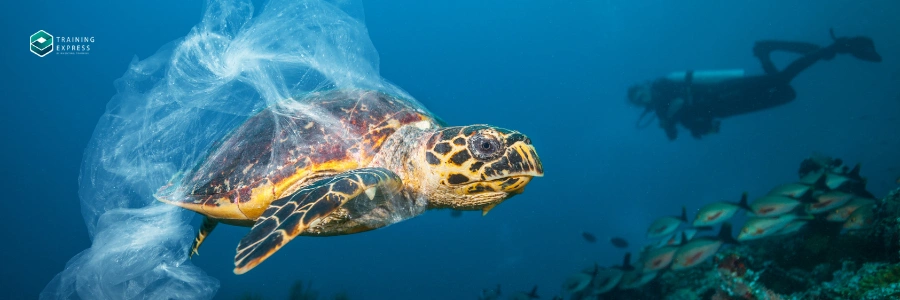
This role helps governments, organisations, and businesses balance economic growth with marine conservation, making it increasingly important in sustainable ocean planning.
Salary & Career Snapshot
- Average UK Salary: £50,000–£90,000+
- Top Earning Potential: £110,000+
- Future Demand (2026–2027): High
- Salary Sources: Glassdoor UK, Environmental Economics Reports, SalaryExpert
Who Employs Marine Resource Economists?
- Government departments
- Environmental consultancies
- Research institutions
- International organisations
- Conservation agencies
What Does This Role Involve?
Marine Resource Economists analyse the economic value of marine ecosystems, fisheries, coastal resources, and environmental policies. They use economic modelling, forecasting, and data analysis to support decisions relating to sustainability and marine resource management.
Their work helps policymakers and businesses understand the financial implications of environmental choices and conservation strategies.
Why Employers Value This Role
Professionals who understand both economics and marine science are relatively uncommon. Their ability to translate environmental challenges into financial and policy decisions makes them highly valuable across government and industry.
Career Growth Potential (2026–2027)
As governments place greater emphasis on balancing environmental protection with economic growth, demand for marine economists is expected to continue rising.
10. Marine Conservation Manager
A Marine Conservation Manager leads projects focused on protecting marine ecosystems, preserving biodiversity, and promoting sustainable use of ocean resources. They coordinate conservation programmes, manage teams, and work with organisations to protect marine habitats.

With growing focus on ocean protection and environmental sustainability, this role offers strong career opportunities for professionals passionate about marine science and conservation.
Salary & Career Snapshot
- Average UK Salary: £45,000–£85,000+
- Top Earning Potential: £95,000+
- Future Demand (2026–2027): High
- Salary Sources: Glassdoor UK, Wildlife Trusts Salary Data, Indeed UK
Who Employs Marine Conservation Managers?
- Conservation charities
- Government agencies
- Environmental organisations
- Marine protected areas
- International conservation programmes
What Does This Role Involve?
Marine Conservation Managers lead projects aimed at protecting marine habitats, biodiversity, and vulnerable species. Their responsibilities often include developing conservation strategies, managing teams, overseeing project budgets, securing funding, and engaging with stakeholders.
Many professionals in this role work on large-scale conservation initiatives involving governments, charities, and international environmental organisations.
Why It Pays So Well
Senior conservation managers often oversee significant budgets, lead multidisciplinary teams, and manage high-profile environmental programmes. These responsibilities contribute to higher salaries, particularly within large organisations and international projects.
Career Growth Potential (2026–2027)
Growing investment in biodiversity protection, marine protected areas, habitat restoration, and climate resilience projects is expected to create additional leadership opportunities across the conservation sector.
11. Marine Biology Professor
A Marine Biology Professor combines advanced marine science expertise with teaching and research responsibilities. They educate future marine scientists while contributing to important studies on ocean ecosystems, biodiversity, and environmental challenges.

This career is ideal for professionals passionate about marine research and knowledge sharing, with opportunities in universities, research centres, and global scientific organisations.
Salary & Career Snapshot
- Average UK Salary: £50,000–£85,000+
- Top Earning Potential: £100,000+
- Future Demand (2026–2027): Moderate to High
- Salary Sources: UCU Salary Scales, Glassdoor UK, Prospects
Who Employs Marine Biology Professors?
- Universities
- Research institutions
- Marine science centres
- International research organisations
What Does This Role Involve?
Marine Biology Professors combine teaching, research, and academic leadership. They educate future marine scientists while conducting research on marine ecosystems, biodiversity, conservation, and ocean health.
Many professors supervise postgraduate students, publish research papers, secure funding, and collaborate with scientific organisations around the world.
Why Experienced Professionals Earn More
Academic professionals who build strong research reputations often attract major research grants, lead internationally recognised projects, and progress into senior university leadership positions.
Career Growth Potential (2026–2027)
Continued interest in climate science, marine conservation, and environmental sustainability is expected to support demand for marine science education and research.
12. Marine Mammal Specialist
A Marine Mammal Specialist focuses on studying, protecting, and conserving marine animals such as dolphins, whales, and seals. They research behaviour, health, habitats, and threats affecting marine mammal populations.
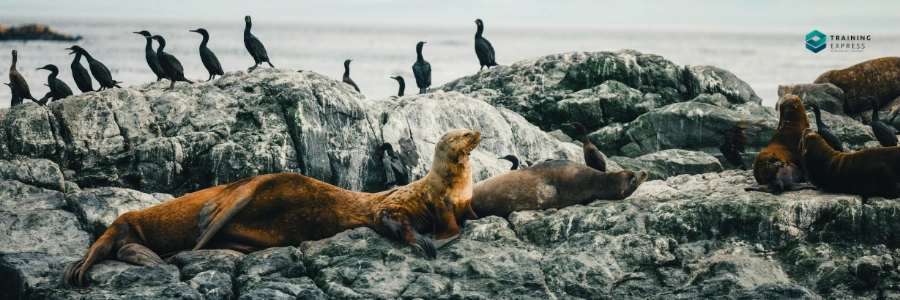
This career combines marine science, wildlife conservation, and research, offering opportunities for professionals working to protect ocean biodiversity and support marine conservation efforts.
Salary & Career Snapshot
- Average UK Salary: £35,000–£75,000+
- Top Earning Potential: £90,000+
- Future Demand (2026–2027): Moderate
- Salary Sources: Glassdoor UK, Marine Conservation Organisations, Indeed UK
Who Employs Marine Mammal Specialists?
- Marine conservation charities
- Wildlife research organisations
- Government agencies
- Aquariums and marine parks
- Universities and research institutes
What Does This Role Involve?
porpoises, seals, and sea lions. Their work may involve conducting field surveys, tracking animal populations, researching behaviour, monitoring health trends, and supporting conservation programmes.
Some specialists spend significant time at sea collecting data, while others analyse research findings, contribute to policy development, or lead conservation projects.
What Makes This Role So Valuable?
Marine mammals are often considered indicator species, meaning their health can reveal important information about the condition of entire marine ecosystems. Specialists with advanced expertise play a critical role in conservation planning and environmental management.
Career Growth Potential (2026–2027)
Growing public interest in marine conservation and biodiversity protection is expected to support continued opportunities for specialists, particularly within research and conservation organisations.
13. Aquaculture Manager
An Aquaculture Manager oversees the production and management of aquatic farming operations, including fish and seafood cultivation. They ensure healthy stock, sustainable farming practices, efficient operations, and compliance with environmental standards.

With growing demand for sustainable seafood production, this role offers strong career opportunities for professionals interested in marine biology, conservation, and resource management.
Salary & Career Snapshot
- Average UK Salary: £40,000–£75,000+
- Top Earning Potential: £90,000+
- Future Demand (2026–2027): High
- Salary Sources: Indeed UK, Glassdoor UK, Aquaculture Industry Reports
Who Employs Aquaculture Managers?
- Fish farming companies
- Seafood producers
- Aquaculture businesses
- Research organisations
- Government agencies
What Does This Role Involve?
Aquaculture Managers oversee the production of fish, shellfish, and other aquatic organisms raised for food, conservation, or commercial purposes. They manage operations, monitor animal health, supervise staff, maintain environmental standards, and ensure production targets are achieved.
As global seafood demand increases, aquaculture has become one of the fastest-growing areas within marine science and food production.
Why Demand Is Driving Salaries Up
Aquaculture plays an increasingly important role in global food security. Experienced managers who can improve productivity while maintaining environmental sustainability are highly sought after across the industry.
Career Growth Potential (2026–2027)
The aquaculture sector is expected to expand significantly as countries invest in sustainable seafood production and alternative food sources.
14. Marine Biologist
A Marine Biologist studies marine organisms, ecosystems, and the relationship between living things and ocean environments. They conduct research, collect field data, and help improve understanding of marine life and conservation.

This role is a popular career choice for people passionate about oceans, wildlife, and environmental protection, with opportunities across research, conservation, and education sectors.
Salary & Career Snapshot
- Average UK Salary: £30,000–£65,000+
- Top Earning Potential: £85,000+
- Future Demand (2026–2027): High
- Salary Sources: National Careers Service, Glassdoor UK, Prospects
Who Employs Marine Biologists?
- Research institutes
- Universities
- Conservation organisations
- Government agencies
- Environmental consultancies
What Does This Role Involve?
Marine Biologists study marine organisms and ecosystems, including fish, coral reefs, plankton, marine mammals, and coastal habitats. Their work helps scientists understand biodiversity, environmental change, ecosystem health, and conservation challenges.
Responsibilities may include conducting fieldwork, collecting samples, analysing data, producing reports, and contributing to scientific publications.
Why This Career Offers Strong Earning Potential
Although entry-level salaries can be modest, Marine Biologists who specialise in consultancy, management, policy, research leadership, or environmental assessment often earn considerably more than the sector average.
Career Growth Potential (2026–2027)
Marine biology remains the foundation of many ocean-related careers. Demand is expected to remain steady as environmental protection, conservation, and marine sustainability continue to receive attention worldwide.
15. Marine Science Educator

A Marine Science Educator teaches people about ocean life, marine ecosystems, and environmental conservation. They help students and communities understand marine science through lessons, workshops, exhibitions, and educational programmes.
This role is ideal for professionals who enjoy combining marine knowledge with teaching and communication, creating awareness about protecting oceans and marine environments.
Salary & Career Snapshot
- Average UK Salary: £30,000–£60,000+
- Top Earning Potential: £75,000+
- Future Demand (2026–2027): Moderate to High
- Salary Sources: Glassdoor UK, Education Sector Salary Data, Indeed UK
Who Employs Marine Science Educators?
- Schools and colleges
- Universities
- Aquariums
- Museums
- Environmental charities
What Does This Role Involve?
Marine Science Educators teach students and the public about ocean ecosystems, marine biodiversity, conservation challenges, and environmental sustainability. Their work may involve classroom teaching, public outreach programmes, educational content development, and community engagement initiatives.
Many educators also collaborate with conservation organisations to raise awareness of marine environmental issues.
Why Employers Value This Role
Education plays a vital role in promoting ocean literacy and inspiring future marine scientists. Experienced educators who lead programmes, manage educational departments, or work at university level can achieve strong earning potential.
Career Growth Potential (2026–2027)
Interest in environmental science and sustainability education continues to grow, creating opportunities within schools, universities, museums, aquariums, and conservation organisations.
Highest Paying Marine Biology Jobs by Sector
Marine biology salaries can vary significantly depending on the sector, employer, and level of experience. From private companies and government organisations to research institutions and conservation groups, each sector offers different earning potential and career opportunities for marine professionals.
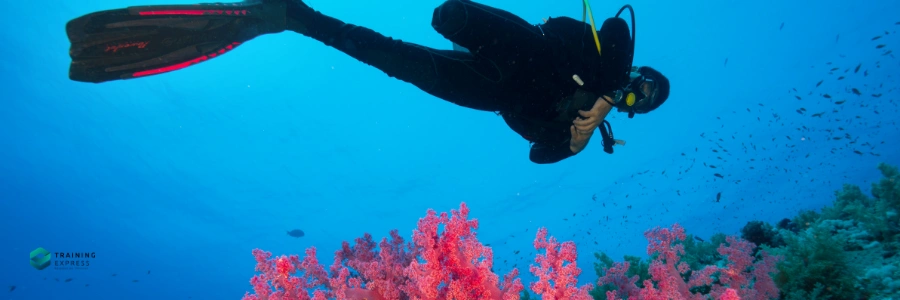
Private Sector
The highest salaries are often found in:
- Offshore renewable energy
- Environmental consulting
- Marine biotechnology
- Aquaculture
- Marine technology companies
Senior professionals in these sectors can often earn £80,000–£150,000+ annually.
Government Sector
Government employers include:
- Marine Management Organisation (MMO)
- Environment Agency
- Natural England
- Local authorities
These roles often provide excellent job security, pension benefits, and structured progression pathways.
Academic Sector
Universities and research institutes remain major employers of marine scientists. While entry-level academic salaries may be lower than private-sector roles, senior professors, department heads, and research directors can earn highly competitive salaries.
Non-Profit and Conservation Sector
Marine charities and conservation organisations offer rewarding careers focused on protecting marine ecosystems. Salaries may be lower than in industry, but senior management positions can still provide attractive compensation packages.
Best-Paying Marine Biology Specialisations
If salary is a major consideration, these specialisations tend to offer the strongest earning potential:
- Marine Biotechnology
- Marine Environmental Consulting
- Offshore Renewable Energy
- Marine Data Science
- Marine Policy and Governance
- Fisheries Management
- Marine Resource Economics
- Research Leadership
Professionals who combine marine science expertise with technology, economics, business, or leadership skills often achieve the highest salaries.
Best Degrees for High-Paying Marine Biology Careers
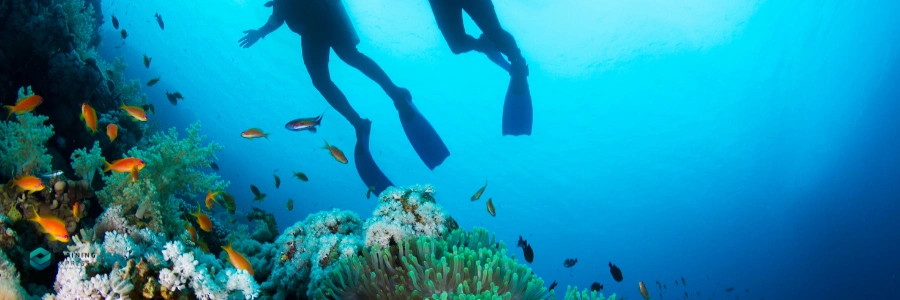
While a marine biology degree remains the most direct route into the field, several related qualifications can lead to higher-paying opportunities.
Popular degree options include:
- Marine Biology
- Oceanography
- Environmental Science
- Marine Conservation
- Marine Biotechnology
- Fisheries Science
- Ecology
- Environmental Management
- Data Science (with marine specialisation)
- Marine Policy and Governance
Professionals who combine marine science expertise with business, technology, economics, or management skills often enjoy the strongest earning potential.
Government vs Private Sector Marine Biology Salaries
Marine biology careers are available across both government and private sectors, but salary potential, benefits, and career progression can vary significantly. Understanding the differences between these sectors can help you choose the right career path based on your financial goals and professional interests.
Government Sector Marine Biology Careers
Government marine biology roles focus on protecting marine environments, supporting research, and managing natural resources. These positions often involve conservation projects, environmental monitoring, policy development, and scientific research.
Common employers include:
- Environment Agency
- Marine Management Organisation
- Local authorities
- Government research agencies
- Environmental departments
Government marine biology jobs are often valued for their stability and long-term benefits, including:
- Secure employment opportunities
- Strong pension schemes
- Structured career progression
- Opportunities to contribute to environmental protection
However, government roles may have more fixed salary structures, meaning earning potential can sometimes be lower compared with senior private-sector positions.
Private Sector Marine Biology Careers
Private-sector marine biology careers often provide opportunities to work on commercial projects, environmental consultancy, renewable energy, and marine technology. These roles can offer faster career growth and higher earning potential, especially for experienced professionals.
Common employers include:
- Environmental consultancy firms
- Offshore renewable energy companies
- Biotechnology organisations
- Aquaculture businesses
- Marine research companies
Private-sector roles may provide:
- Higher salary potential
- Performance-based bonuses
- Faster promotion opportunities
- Work on large-scale marine projects
Many of the highest-paying marine biology careers, such as Marine Environmental Consultant, Marine Data Scientist, and Offshore Renewable Energy Manager, are commonly found within private companies.
Which Sector Pays More for Marine Biology Jobs?
While government roles offer excellent stability and benefits, private-sector marine biology jobs often provide greater salary growth potential. Professionals with advanced qualifications, leadership experience, and specialist skills can access higher-paying opportunities in areas such as marine consulting, renewable energy, and biotechnology.
Marine Biology Jobs with the Fastest Growth in 2026–2027
Several marine-related careers are expected to experience particularly strong growth:
- Offshore Renewable Energy Manager
- Marine Environmental Consultant
- Marine Data Scientist
- Marine Biotechnology Scientist
- Marine Conservation Manager
- Marine Policy Director
- Marine Resource Economist
These careers benefit from increasing investment in sustainability, renewable energy, environmental protection, and scientific innovation.
Is Marine Biology a Good Career Choice in 2026–2027?
Marine biology can be an excellent career choice for individuals who are passionate about ocean science, conservation, and environmental sustainability. While entry-level salaries may be lower than in some STEM fields, the profession offers diverse career pathways in research, environmental consulting, renewable energy, biotechnology, aquaculture, and government agencies.
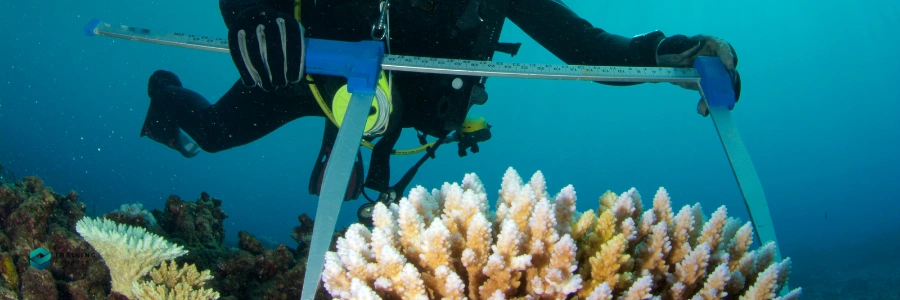
The strongest salary growth is often seen among professionals who specialise in areas such as marine data science, environmental consultancy, offshore renewable energy, or scientific leadership. These sectors are expected to benefit from increased investment in sustainability, climate resilience, and marine resource management throughout 2026 and 2027.
Beyond salary considerations, marine biology offers opportunities to contribute to conservation efforts, scientific discoveries, and solutions to global environmental challenges. For many professionals, the combination of meaningful work and long-term career prospects makes it a rewarding field to enter.
Can You Earn Six Figures in Marine Biology?
Yes, it is possible to earn a six-figure salary in marine biology, although it usually requires advanced expertise, leadership responsibilities, or specialist knowledge.
Many people assume marine biology is a low-paying profession because they focus solely on entry-level research roles. In reality, experienced professionals can achieve six-figure earnings by progressing into senior positions such as:
- Marine Research Director
- Marine Environmental Consultant
- Marine Policy Director
- Offshore Renewable Energy Manager
- Marine Data Scientist
- Marine Biotechnology Scientist
- Senior Fisheries Manager
The highest salaries are often found in private-sector organisations, consultancy firms, renewable energy companies, biotechnology businesses, and executive leadership positions.
Professionals who combine marine science knowledge with management, economics, data analytics, policy, or commercial expertise typically enjoy the greatest earning potential.
Skills Needed for High-Paying Marine Biology Careers
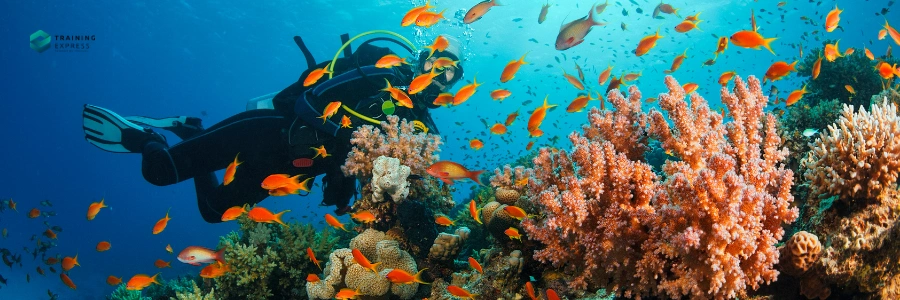
Technical knowledge alone is rarely enough to reach the highest-paying positions. Employers increasingly look for professionals who can combine scientific expertise with leadership and business skills.
Scientific Research Skills
Research remains at the heart of many marine careers. Professionals who can design studies, analyse findings, and publish high-quality research are highly valued.
Data Analysis and Technology
Marine science is becoming increasingly data-driven. Skills in:
- GIS mapping
- Statistical analysis
- Machine learning
- Data visualisation
- Remote sensing
can significantly improve career prospects and earning potential.
Project Management
Many senior roles involve managing budgets, teams, timelines, and stakeholders. Project management skills are particularly valuable in consultancy, conservation, and offshore energy sectors.
Communication Skills
Marine professionals often communicate with policymakers, businesses, investors, researchers, and the public. Strong written and verbal communication skills can support career progression into leadership roles.
Environmental Policy Knowledge
Understanding marine legislation, environmental regulations, and sustainability frameworks can create opportunities in policy, consulting, and regulatory positions.
Leadership and Team Management
Many of the highest-paying marine biology careers involve leading teams and managing large-scale projects. Leadership capabilities are often a key factor in salary growth.
How to Increase Your Earnings in Marine Biology
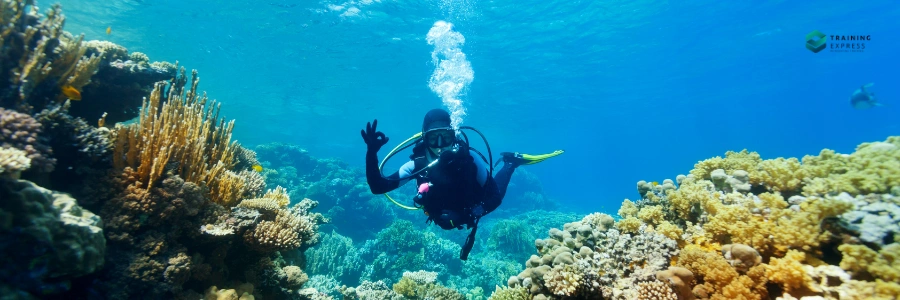
Building a successful and high-paying marine biology career requires more than just experience. Developing specialist skills, gaining advanced qualifications, and moving into leadership or industry-focused roles can significantly improve your earning potential.
Gain Advanced Marine Biology Qualifications
Higher-level qualifications such as a master’s degree or PhD can help you access specialist and senior positions in marine science. Advanced education is especially valuable for careers in research, environmental consulting, marine policy, and scientific leadership.
Develop a High-Demand Specialisation
Specialising in areas with strong industry demand can lead to better salary opportunities. Some of the highest-paying marine biology specialisms include:
- Marine biotechnology
- Offshore renewable energy
- Marine data science
- Environmental consultancy
- Fisheries management
- Ocean conservation
These areas often combine scientific expertise with commercial and technological skills, increasing career value.
Build Experience in Commercial Marine Industries
Experience within private-sector organisations can help marine professionals progress into higher-paying roles. Working with environmental consultancies, offshore energy companies, biotechnology firms, or marine technology organisations can provide valuable industry exposure.
Improve Data and Technology Skills
Modern marine science increasingly relies on technology and data analysis. Skills in areas such as GIS mapping, artificial intelligence, environmental modelling, and marine data analytics can make professionals more competitive in the job market.
Develop Leadership and Management Skills
Moving into senior positions is one of the most effective ways to increase salary potential. Leadership experience can help professionals progress into roles such as Marine Research Director, Marine Policy Director, or Environmental Programme Manager.
By combining scientific knowledge with specialist skills, industry experience, and leadership ability, marine biology professionals can unlock higher-paying career opportunities in the UK and beyond.
Final Thoughts
Marine biology is no longer limited to traditional research and conservation roles. The sector now offers a diverse range of career opportunities spanning renewable energy, environmental consulting, biotechnology, policy, data science, education, and scientific leadership.
While entry-level salaries can vary, professionals who develop specialist expertise and leadership skills can access some of the highest-paying careers within the environmental sciences. Roles such as Marine Research Director, Marine Environmental Consultant, Marine Policy Director, Offshore Renewable Energy Manager, and Marine Data Scientist demonstrate that marine science expertise can lead to highly rewarding and financially attractive careers.
As investment in sustainability, ocean conservation, renewable energy, and marine technology continues to grow, demand for skilled marine professionals is expected to remain strong throughout 2026 and 2027. Whether you’re considering a marine biology degree or planning your next career move, building specialist knowledge and transferable skills can help position you for long-term success in this rapidly evolving field.
Frequently Asked Questions (FAQ)
What is the highest-paying marine biology job?
Marine Research Director is often among the highest-paying marine biology careers. Senior professionals can earn £140,000 or more annually, particularly when managing major research programmes or scientific institutions.
Is marine biology a good career in 2026–2027?
Yes. Marine biology offers opportunities in research, conservation, renewable energy, biotechnology, consultancy, policy, and education. Demand is expected to grow as environmental sustainability becomes a global priority.
Can marine biologists earn over £100,000?
Yes. While entry-level salaries are generally lower, experienced professionals who move into leadership, consulting, policy, biotechnology, or offshore energy roles can earn six-figure salaries.
Which marine biology jobs are growing fastest?
Some of the fastest-growing marine careers include:
- Marine Environmental Consultant
- Offshore Renewable Energy Manager
- Marine Data Scientist
- Marine Biotechnology Scientist
- Marine Conservation Manager
These fields are benefiting from increasing investment in sustainability and environmental innovation.
Do you need a PhD for high-paying marine biology careers?
Not always. A PhD can be beneficial for academic and research leadership roles, but many professionals achieve high salaries through industry experience, specialist expertise, and management responsibilities.
Is marine biology difficult to study?
Marine biology can be challenging because it combines biology, ecology, chemistry, environmental science, and data analysis. However, students with a strong interest in marine life and environmental issues often find it highly rewarding.
What industries hire marine biology graduates?
Marine biology graduates can work in:
- Environmental consulting
- Renewable energy
- Biotechnology
- Aquaculture
- Conservation
- Government agencies
- Universities
- Research institutions
- Fisheries management
- Marine technology

Robert Lawrence
Author | Specialises in Health & Social Care
Robert Lawrence is an e-learning specialist and tutor at Training Express, with experience creating practical resources and strategies to support learners and enhance their professional development.
Related Blogs