Food Hygiene
 Health & Safety
 Safeguarding
 First Aid
 Business Skills
 Personal Development
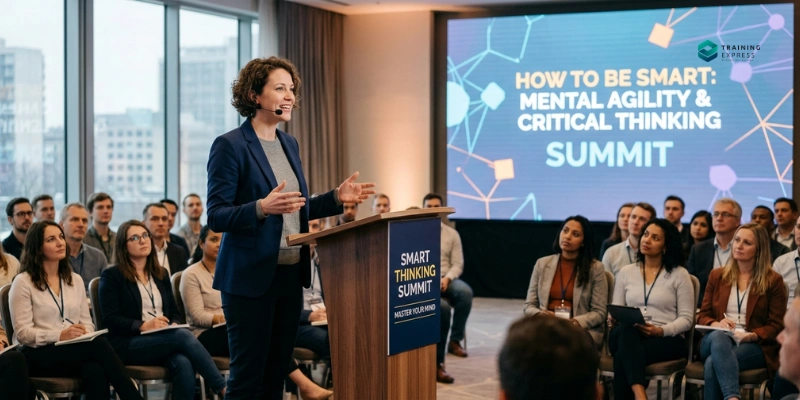

Smart people are often admired for their ability to solve problems, make good decisions, learn quickly, and adapt to new situations. However, intelligence is not simply something people are born with. While genetics can influence certain cognitive abilities, many aspects of intelligence can be developed through learning, practice, and healthy habits.
Whether you want to improve your academic performance, advance your career, make better decisions, or simply expand your knowledge, there are practical steps you can take to become smarter over time.
In this guide, we’ll explore what it truly means to be smart, the benefits of developing your intelligence, and 20 proven ways to sharpen your mind and reach your full potential.
Table of Contents
What Does It Truly Mean to Be Smart?

Many people assume being smart simply means having a high IQ or excelling academically. In reality, intelligence is much broader than exam results or memorising facts.
A smart person is often someone who can:
- Learn from experience
- Solve problems effectively
- Adapt to change
- Think critically
- Make informed decisions
- Understand and manage emotions
- Communicate clearly
- Apply knowledge in practical situations
True intelligence involves both knowledge and the ability to use that knowledge effectively.
Different Types of Intelligence
Modern research suggests intelligence comes in many forms.
Intellectual Intelligence
This relates to reasoning, analysis, memory, and problem-solving.
Emotional Intelligence
The ability to recognise, understand, and manage emotions in yourself and others.
Social Intelligence
Understanding social situations, building relationships, and communicating effectively.
Creative Intelligence
Generating new ideas, thinking innovatively, and approaching problems from unique perspectives.
The smartest individuals often develop several types of intelligence rather than focusing on just one.
Can You Become Smarter?
One of the biggest myths about intelligence is that it is fixed for life.
Research into neuroplasticity shows that the brain can continue forming new connections throughout life. Learning new skills, solving challenges, and exposing yourself to new experiences can strengthen neural pathways and improve cognitive performance.
This means that while everyone starts with different strengths and abilities, most people can become smarter through consistent effort and learning.
Developing intelligence is similar to building physical fitness. The more you challenge your brain in productive ways, the stronger it can become over time.
Benefits of Being Smart in Everyday Life
Improving your intelligence can have a positive impact on many areas of life.

1. Working Hard Is Stressful
Working harder is not always the best solution. Smart people look for efficient ways to complete tasks rather than simply increasing their workload.
By finding better methods and improving productivity, you can often achieve more while reducing unnecessary stress.
2. Working Smartly Saves Energy
Intelligent decision-making helps you focus your time and energy where it matters most.
Rather than wasting effort on low-value activities, working smart allows you to achieve better results with fewer resources.
3. You Become More Valuable When You Work Smarter
People who think strategically and solve problems effectively often become valuable assets in education, business, and professional environments.
Employers frequently reward individuals who can improve processes, identify opportunities, and contribute innovative solutions.
4. To Work Smarter, Creativity Is Needed
Creativity allows you to approach challenges from different angles.
Many breakthroughs, inventions, and successful businesses exist because someone found a smarter way to solve a problem.
Developing your creativity can enhance your overall intelligence and adaptability.
5. Working More Smartly Boosts Self-Esteem
When you consistently solve problems, learn new skills, and achieve goals, your confidence naturally grows.
Greater self-confidence can encourage further learning and personal development, creating a positive cycle of improvement.
20 Proven Ways to Become Smarter and Sharpen Your Mind
Trying to absorb 20 tips in one sitting can feel overwhelming — so they’re grouped below into five simple categories. Jump to whichever area matters most to you right now.
Mindset & Learning Habits
Real intelligence starts with how you think, not what you already know. These five habits build the mental foundation everything else is layered on top of.
Think Actively, Not Passively
Intelligence isn't about memorizing facts — it's knowing how and why things work. Read widely, question assumptions, and seek perspectives that challenge your own.
Seek Constructive Feedback and Act on It
Feedback reveals blind spots you can't see alone. Listen without getting defensive, ask clarifying questions, and turn the input into one concrete change.
Find Out What Motivates You
Even smart people stall without a reason to push through hard learning. Identify what genuinely drives you and let it anchor your effort when progress feels slow.
Be Selective
You can't learn everything, and trying to leads to overload. Focus your time on the few resources and commitments that actually align with your goals.
Accept You're Not an Expert in Everything
Recognizing the limits of your knowledge isn't a weakness — it's what keeps you curious. Overconfidence closes the door to learning; humility keeps it open.
Creativity & Problem-Solving
Smart isn’t the same as safe. This group is about training your brain to spot better solutions and push past the discomfort that usually blocks new ideas.
Think of New Ways to Do Old Things
Ask "is there a simpler way?" before defaulting to how things have always been done. Small process tweaks build the same creative muscle as big innovations.
Come Up With New Ideas Daily
Challenge yourself to generate one idea a day, even a small one. The goal isn't perfect ideas — it's training your brain to spot possibilities instead of limitations.
Do Something That Scares You
Growth happens outside your comfort zone. Speak up in a meeting, learn a hard skill, or apply for something you feel underqualified for — each challenge builds resilience.
Focus on Output, Not Just Input
Consuming information isn't the same as using it. Read a few quality resources, then start creating — writing, building, or practicing exposes gaps passive learning hides.
Social & Communication
Intelligence isn’t built in isolation. Who you learn from, how you present yourself, and how well you pass knowledge along all shape how sharp you become.
Develop Your Body Language
Non-verbal cues shape how competent and trustworthy you appear. Eye contact and open posture don't raise your IQ, but they sharpen how effectively you communicate.
Spend Time With People Smarter Than You
The people around you shape your thinking. Seek mentors and groups that challenge your assumptions instead of avoiding them out of intimidation.
Share Your Knowledge
Teaching something forces you to organize your thoughts and expose gaps you didn't know you had. Mentor a colleague or explain a concept to a friend.
Help Develop Other People's Skills
Coaching someone else sharpens your own communication and empathy. Knowledge shared isn't knowledge lost — it's knowledge reinforced.
Lifestyle & Wellbeing
Your brain doesn’t operate in a vacuum — sleep, stress, movement, and what you feed your mind all directly affect how clearly you think.
Take Time to Think
Constant reacting to notifications leaves no room for reflection. Even 10–15 minutes a day reviewing what you learned can sharpen decision-making.
Exercise Your Body
Physical activity increases blood flow and oxygen to the brain, supporting memory, focus, and mood. Consistent walking or strength training is enough to matter.
Watch What You're Taking In
The books, videos, and conversations you consume shape how you think. Choosing credible, substantive content consistently sharpens your decision-making over time.
Reduce Your Stress
Chronic stress drains the mental resources needed for learning. Exercise, good sleep, mindfulness, and time in nature all help protect your capacity to think clearly.
Learning Systems
The last piece is about how you build learning into your routine — where you get information from, and whether you actually turn it into practice.
Trade Passive TV Time for Online Learning
The internet gives you free access to courses, podcasts, and expert-led content on nearly anything. Swapping a small chunk of screen time for learning compounds over months.
Apply What You Learn
Knowledge that isn't used rarely sticks. After learning something new, look for one real situation to apply it in right away.
Exercise Your Brain
Like muscles, cognitive skills strengthen with deliberate use. Puzzles, chess, a new language, or mental math all count — pick something that requires real effort.
How to Be Smart at School, College, and University
Becoming smarter in education is not about being naturally gifted or achieving perfect grades. In most cases, successful students develop effective learning habits that help them understand, retain, and apply information more efficiently. Whether you are in school, college, or university, adopting the right approach to learning can significantly improve your academic performance and intellectual development.

Ask Questions and Stay Curious
Curiosity is one of the most powerful drivers of learning. Instead of memorising information without understanding it, make a habit of asking questions. Why does a concept work a certain way? How does it connect to what you already know? What are the real-world applications?
Students who actively engage with their learning often develop stronger critical-thinking skills and a deeper understanding of their subjects.
Use Active Learning Techniques
Reading notes repeatedly may feel productive, but active learning methods are usually more effective. Try summarising information in your own words, teaching concepts to others, creating mind maps, or testing yourself regularly.
Active learning forces your brain to process information more deeply, which can improve both understanding and memory retention.
Manage Your Time Effectively
Poor time management can make even intelligent students struggle. Creating a study schedule, breaking tasks into smaller goals, and avoiding last-minute cramming can help reduce stress and improve performance.
Consistent study habits are generally more effective than long periods of intensive revision before exams.
Read Beyond the Curriculum
The smartest students often learn beyond what is required in class. Reading books, articles, journals, and reputable online resources can broaden your knowledge and expose you to new ideas.
This habit not only improves subject knowledge but also develops independent thinking and intellectual curiosity.
Learn From Your Mistakes
Mistakes are valuable learning opportunities. Instead of becoming discouraged by poor results, analyse what went wrong and identify ways to improve.
Successful learners view setbacks as feedback rather than failure. This growth mindset encourages continuous improvement and long-term success.
How to Be Smart at Work
Intelligence in the workplace is not measured solely by qualifications or technical expertise. Smart professionals combine knowledge, communication, adaptability, and problem-solving skills to achieve better results and create value for their organisations.

Improve Your Problem-Solving Skills
Every workplace faces challenges. Employees who can identify problems, analyse situations, and propose practical solutions are often highly valued.
When facing an issue, focus on understanding the root cause rather than simply addressing the symptoms. Developing a structured approach to problem-solving can improve decision-making and effectiveness.
Communicate Clearly and Professionally
Strong communication skills are often associated with professional intelligence. Being able to explain ideas clearly, listen actively, and collaborate effectively helps build trust and improve workplace relationships.
Whether communicating through emails, meetings, or presentations, clarity and professionalism can make a significant difference.
Commit to Continuous Learning
Industries evolve constantly, and the skills that are valuable today may become outdated in the future. Smart professionals invest in ongoing development through training courses, certifications, industry events, and self-directed learning.
Lifelong learning helps you remain adaptable and competitive in a changing job market.
Be Adaptable
The modern workplace changes rapidly. New technologies, processes, and business priorities often require employees to adjust their approach.
People who embrace change and remain flexible are generally better equipped to handle challenges and seize new opportunities.
Make Better Decisions
Good decision-making is a key sign of workplace intelligence. Before making important decisions, gather relevant information, evaluate potential outcomes, and consider alternative perspectives.
Thoughtful decision-making can improve performance, reduce mistakes, and strengthen professional credibility.
5 Common Myths About Intelligence
Many misconceptions about intelligence continue to influence how people view themselves and others. Understanding the truth behind these myths can help you adopt a healthier and more effective approach to personal development.

Myth 1: Smart People Are Born Smart
While genetics can influence certain cognitive traits, intelligence is not entirely predetermined. Research shows that learning, experience, practice, and environment all play important roles in intellectual development.
Many highly successful individuals achieved their accomplishments through years of learning, effort, and persistence rather than natural talent alone.
Myth 2: IQ Never Changes
Although IQ tests measure certain cognitive abilities, intelligence is far more complex than a single score. Skills such as critical thinking, communication, emotional intelligence, creativity, and problem-solving can continue developing throughout life.
Continuous learning and mental stimulation can help strengthen various aspects of cognitive performance.
Myth 3: Good Grades Always Mean High Intelligence
Academic achievement can indicate strong study habits and subject knowledge, but it does not capture every form of intelligence.
Some people excel academically, while others demonstrate exceptional creativity, leadership, emotional intelligence, or practical problem-solving abilities. Intelligence exists in many different forms.
Myth 4: Smart People Know Everything
One of the most common misconceptions is that intelligent people have all the answers. In reality, smart individuals often recognise the limits of their knowledge and remain open to learning from others.
Intellectual humility is frequently a sign of wisdom rather than weakness.
Myth 5: Intelligence Stops Developing in Adulthood
Many people believe learning slows dramatically after childhood. However, the brain remains capable of forming new connections throughout life.
Adults can continue developing new skills, expanding their knowledge, and improving cognitive abilities well into later years. Lifelong learning remains one of the most effective ways to stay mentally sharp.
Key Takeaways: How to Become Smarter Every Day
Becoming smarter is a continuous process shaped by daily habits, not sudden changes. Read consistently to expand knowledge and expose your mind to new ideas. Stay curious by questioning information and exploring beyond familiar topics. Learn from feedback and mistakes, using reflection to turn experience into understanding. Challenge your brain regularly through problem-solving, learning new skills, or mental exercises that build flexibility. Apply what you learn in real-life situations so knowledge becomes practical intelligence. Most importantly, keep learning every day, as growth comes from consistency over time. Small improvements compound, helping you think faster, make better decisions, and adapt more effectively in different situations.
Final Thoughts
Being smart is not about knowing everything or achieving perfect results. True intelligence involves curiosity, critical thinking, adaptability, emotional awareness, and a commitment to lifelong learning. While some people may have natural strengths in certain areas, intelligence is not fixed. It can be developed and strengthened through consistent effort and positive habits.
By applying the 20 proven strategies discussed in this guide—from reading more and seeking feedback to exercising your brain and managing stress—you can gradually sharpen your mind and unlock your potential. Whether your goal is to succeed in education, advance your career, or simply become a more capable and informed individual, small daily improvements can lead to remarkable long-term growth.
The smartest people are often not those who know the most, but those who never stop learning.
Frequently Asked Questions (FAQ)
Can You Become Smarter?
Yes. While genetics may influence certain aspects of intelligence, research suggests that learning, practice, experience, and healthy habits can help improve cognitive abilities over time. Reading, problem-solving, critical thinking, and continuous learning can all contribute to intellectual growth.
How Can I Become Smarter Every Day?
Small daily habits can have a significant impact. Reading regularly, asking questions, learning new skills, exercising, getting enough sleep, and reflecting on your experiences can all help strengthen your mind over time.
Does Reading Make You Smarter?
Reading can improve vocabulary, comprehension, critical thinking, and general knowledge. It also exposes you to different perspectives and ideas, helping you develop a broader understanding of the world.
Can Exercise Improve Intelligence?
Regular physical activity supports brain health by increasing blood flow, improving mood, reducing stress, and enhancing concentration. These benefits can contribute to better learning and cognitive performance.
What Are the Habits of Smart People?
Many intelligent individuals share habits such as lifelong learning, curiosity, self-discipline, critical thinking, adaptability, and a willingness to learn from mistakes. They also tend to seek knowledge actively and remain open to new ideas.
Is Intelligence Inherited?
Genetics can influence certain cognitive traits, but intelligence is also shaped by education, environment, experiences, lifestyle choices, and personal effort. Most experts agree that both nature and nurture play important roles.
How Long Does It Take to Become Smarter?
There is no fixed timeline. Developing intelligence is an ongoing process that occurs through consistent learning and practice. Small improvements made daily can lead to significant growth over months and years.
Can Adults Become Smarter?
Absolutely. The brain remains capable of learning throughout life. Adults can develop new skills, improve critical-thinking abilities, strengthen memory, and expand their knowledge through continuous learning and mental stimulation.

Robert Lawrence
Author | Specialises in e-learning.
Robert Lawrence is an e-learning specialist and author at Training Express, with over 5 years of experience creating practical resources and strategies to support learners and enhance their professional development.