Food Hygiene
 Health & Safety
 Safeguarding
 First Aid
 Business Skills
 Personal Development


Workplace safety is no longer just a regulatory requirement—it is a cornerstone of organisational efficiency, employee wellbeing, and long-term success. Every year, thousands of workers across the United Kingdom suffer preventable injuries, resulting in not only physical harm but also operational disruption, financial loss, and potential legal consequences for organisations.
Modern workplaces are increasingly complex. From automated machinery and advanced equipment to hybrid work arrangements and busy office environments, the potential for accidents is ever-present. Organisations need effective strategies to minimise risks, and one of the most practical, cost-effective solutions is online health and safety training. Flexible, accessible, and comprehensive, online training equips employees with the knowledge, skills, and confidence to prevent accidents, respond to hazards, and maintain compliance with regulatory standards.
Training Express has helped over 3 million learners build skills and stay compliant, providing small and large businesses alike with high-quality online courses across health and safety, first aid, food hygiene, mental health, and more. By leveraging online training, organisations can ensure that every employee—whether on the shop floor, in the office, or on a construction site—is equipped to identify risks, follow protocols, and maintain a safe workplace.
This guide explores why health and safety training is essential, identifies common workplace hazards, explains how online learning drives results, and offers strategies to embed a safety-first culture. From regulatory compliance to proactive accident prevention, this comprehensive overview will help organisations create safer, more efficient, and more productive workplaces for every employee.
Table of Contents
The Significance of Workplace Safety
Financial and Operational Implications
Workplace accidents carry significant financial implications for organisations. Direct costs include compensation claims, medical treatment, and temporary or permanent replacement of employees. Indirect costs, often more substantial, involve lost productivity, equipment damage, operational delays, and potential regulatory penalties.
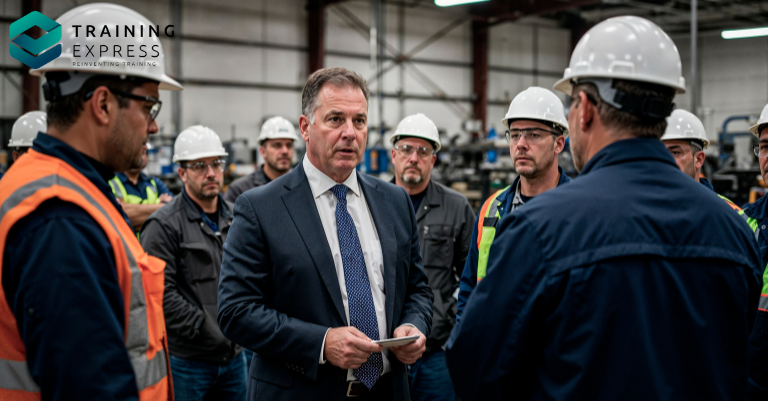
Moreover, accidents can disrupt the smooth functioning of operations. When an employee is injured, workflows are interrupted, deadlines may be missed, and team morale can be affected. Organisations that do not prioritise safety often face recurring incidents, compounding both financial and operational challenges.
Human and Ethical Considerations
Beyond the financial perspective, workplace accidents have profound human and ethical consequences. Injuries can have long-lasting physical, psychological, and emotional effects on employees. Chronic pain, reduced mobility, and emotional stress may result from preventable accidents, creating a lasting impact on the lives of workers and their families.
An ethical approach to workplace safety ensures that employees are valued and protected. Implementing comprehensive training programmes is a proactive step in fulfilling this responsibility, demonstrating that the organisation prioritises employee wellbeing.

Identifying Common Workplace Hazards
Understanding the types of hazards present in the workplace is essential for developing effective preventive measures. Common hazards include:
- Slips, Trips, and Falls: These are the leading causes of workplace injuries. Wet floors, cluttered workspaces, and uneven surfaces can lead to serious incidents if not addressed.
- Manual Handling Accidents: Improper lifting, carrying, or moving of objects can result in musculoskeletal injuries. Repetitive strain injuries are also common in environments with frequent manual handling tasks.
- Exposure to Harmful Substances: Chemicals, dust, fumes, and biological agents pose significant health risks. Prolonged exposure can lead to chronic illnesses, respiratory issues, or skin conditions.

- Machinery and Equipment Accidents: Improper use, inadequate maintenance, or lack of training can result in severe injuries. Awareness and adherence to safety protocols are essential.
- Fire Hazards: Inadequate fire safety measures and lack of preparedness can escalate emergencies rapidly, endangering lives and property.
- Ergonomic Hazards: Poor workstation design, improper posture, and inadequate seating arrangements can lead to long-term musculoskeletal issues.
Identifying and understanding these hazards is a crucial step in preventing accidents. Employees must be trained not only to recognise hazards but also to take appropriate preventive and corrective actions.
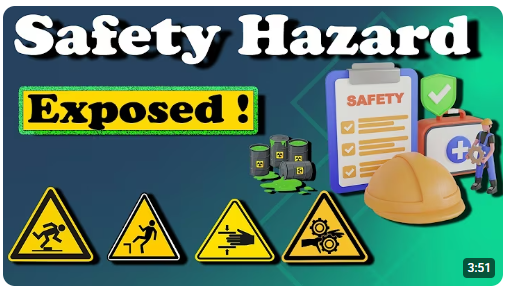
Watch Now: 10 Critical Workplace Hazards & How to Stay Safe – Learn to identify common workplace risks and take proactive steps to stay safe on the job.
The Effectiveness of Online Health and Safety Training
Online training has emerged as a highly effective method for delivering health and safety education. Its advantages include flexibility and accessibility, allowing employees to complete training at their own pace and at times that suit their schedules. This approach reduces disruption to daily operations and allows employees to absorb the material thoroughly.
Online training also ensures standardised learning, providing every employee with the same high-quality instruction and reducing variability in knowledge and safety practices. It is cost-effective, eliminating the expenses associated with traditional in-person sessions, such as travel, venue hire, and instructor fees.
Modern online platforms incorporate interactive elements, such as quizzes, scenario-based exercises, and simulations, which improve knowledge retention and practical understanding. Courses like Workplace Safety & Compliance Training utilise these techniques to engage employees actively and enable them to apply safety principles effectively.
Regulatory compliance is another key benefit of online training. Courses are designed to align with UK regulations, helping organisations meet legal obligations. Employees can be trained on risk assessments, safe handling of hazardous substances, emergency response procedures, and machinery operation. The Health and Safety Level 3 Course provides comprehensive coverage of these regulatory requirements.
Regulatory Obligations and Legal Considerations
In the UK, employers are legally required under the Health and Safety at Work Act 1974 to ensure the welfare and safety of their employees. Regulatory compliance is not only a legal requirement but also a strategic measure to reduce the likelihood of workplace accidents.
Employers must conduct regular risk assessments, implement safety procedures for machinery and hazardous substances, provide training and guidance to employees, and maintain records of safety incidents and compliance measures. Online training ensures that employees are aware of these obligations and are equipped to follow safety procedures accurately. Courses such as Workplace Risk Assessment Online Course provide clear guidance on identifying hazards, evaluating risks, and implementing preventive measures.
Understanding Risk Assessment in the Workplace
Risk assessment is a systematic process of identifying potential hazards, evaluating their likelihood and impact, and determining the appropriate measures to control or eliminate risks. Conducting regular risk assessments ensures that emerging hazards are identified promptly, reducing the probability of accidents.
Online courses such as Workplace Risk Management Training guide managers and employees through the process of conducting effective risk assessments, interpreting findings, and implementing corrective actions. These courses provide step-by-step guidance and practical knowledge, ensuring organisations maintain a safe and compliant work environment.
Importance of Safety Policies and Procedures
Clear safety policies and written procedures are essential for maintaining workplace safety. They provide employees with a structured framework that outlines expectations, responsibilities, and step-by-step processes for managing hazards or responding to emergencies.
Online courses such as Advanced Health and Safety guide organisations in developing, communicating, and enforcing robust safety policies. Employees gain practical knowledge on consistently following procedures, while managers learn how to monitor compliance, evaluate effectiveness, and address gaps proactively. A well-defined policy framework works hand in hand with other safety initiatives, significantly reducing the likelihood of accidents and promoting a culture of accountability.
Creating a Safety-First Culture

Training alone cannot eliminate accidents; organisations must actively foster a safety-first culture. Employees should feel encouraged to report hazards or unsafe conditions, and organisations need to reinforce safe practices consistently. Safety policies and procedures should be reviewed and updated regularly to reflect current standards and workplace conditions. Embedding safety into daily routines ensures it becomes an integral part of organisational operations. Online courses like Accident Prevention in the Workplace Level 2 Training support this cultural transformation by emphasising proactive measures and clarifying the individual responsibilities each employee holds in maintaining a safe work environment.
Role of Employee Engagement in Safety
Employee engagement plays a vital role in promoting a safe workplace. Engaged employees are more likely to adhere to safety protocols, participate in training actively, and take ownership of their responsibilities. Online training encourages participation through interactive modules, quizzes, and scenario exercises that keep learners invested in their own safety development.
Courses like Employee Engagement Training are designed to equip supervisors and managers with the skills needed to effectively lead teams while fostering a culture of safety. The course covers essential areas such as supervision fundamentals, understanding supervisory roles, team building, and performance management. Modules on communication skill development, body language, assertiveness, and conflict management ensure that supervisors can motivate employees, manage challenges, and maintain a collaborative environment. By mastering coaching, mentoring, and employee management techniques, supervisors are better positioned to engage staff, encourage proactive safety practices, and support organisational initiatives to prevent accidents.
Benefits to Organisations and Employees
Comprehensive online health and safety training delivers significant benefits to both employees and organisations. It reduces workplace accidents by providing staff with the skills and awareness to follow safety protocols and prevent hazards proactively. Training ensures compliance with UK health and safety legislation, giving organisations peace of mind and protecting them from potential legal issues. Employees gain confidence, knowing they are equipped to handle workplace risks safely, which contributes to higher morale and productivity. Efficient operations result from fewer accidents and less disruption, while organisations also benefit from reduced costs associated with injury claims, medical treatments, and operational downtime.
Upskill Your Team with Training Express
To implement effective health and safety practices, having the right training partner is essential. Training Express Team Training provides a simple, flexible solution to upskill staff and ensure workplace safety and compliance. With over 3,000 accredited online courses covering health and safety, food hygiene, first aid, IT, and business skills, managers can assign courses, track progress, and generate reports through an easy-to-use platform. Trusted by leading organisations including the NHS and Marks & Spencer, Training Express offers scalable packages starting from £47.90 per user per year, with bespoke options for larger teams. By providing your workforce with high-quality, accessible training, organisations can build a safer, more skilled, and compliant workplace. Explore team training options
Advanced Strategies for Accident Prevention
Reducing workplace accidents requires more than basic safety knowledge. Advanced strategies combine preventive measures, continuous monitoring, and active employee participation. One key approach is to implement proactive hazard identification. Employees should be trained to anticipate potential risks before they escalate into incidents. Online courses such as Proactive Safety Management Training teach staff how to identify emerging hazards, assess their potential impact, and implement measures to mitigate them effectively.
Regular safety audits are another crucial strategy. Conducting audits systematically ensures that safety policies are being followed, equipment is maintained correctly, and operational procedures comply with regulations. Audit findings can inform the design of targeted training programmes, reinforcing knowledge gaps identified during inspections.
Another effective approach is the development of comprehensive emergency preparedness plans. While prevention is essential, organisations must also be ready to respond swiftly when incidents occur. Online courses such as Emergency First Aid at Work (EFAW) Training equip employees with the skills needed to handle emergencies. By combining prevention and preparedness, organisations can minimise the impact of accidents on personnel and operations.
Fire Safety Awareness and Leadership
Leadership plays a critical role in ensuring fire safety in the workplace. Supervisors and managers must understand fire hazards, emergency procedures, and ways to guide teams during incidents.

The Fire Safety Training Course equips leaders with knowledge about fire prevention, evacuation planning, and emergency response. Employees learn to identify fire risks, use fire safety equipment correctly, and communicate effectively during emergencies. Strong leadership in fire safety ensures accountability, reduces panic during incidents, and fosters a culture where fire prevention is embedded into daily routines.
Food Safety and Compliance in the Workplace
Maintaining high standards of food safety is essential for organisations in the catering, manufacturing, or hospitality sectors. Proper procedures prevent contamination, protect employees and customers, and ensure regulatory compliance.

The Food Safety Management – Level 3 course teaches staff about hygiene standards, safe food handling, and risk assessment in food operations. Employees develop practical skills to manage hazards, monitor processes, and maintain a safe working environment. Continuous learning in food safety ensures teams stay updated on legislation and best practices, reducing the risk of food-related incidents.
Construction Safety: Managing Risks On-Site
Construction sites are inherently high-risk environments. Accidents can be caused by equipment misuse, slips, falls, or improper safety procedures. Effective supervision and safety awareness are crucial to preventing injuries.
The Construction Safety course trains employees and supervisors to identify hazards, implement risk control measures, and follow safe working practices. Modules cover equipment safety, site management, and personal protective equipment (PPE) use. A focus on proactive risk management helps organisations prevent accidents and maintain productivity while complying with legal requirements.
Warehouse Safety and Accident Prevention
Warehouses involve heavy machinery, high shelves, and frequent movement of goods—all potential sources of accidents. Safe practices are essential to protect employees and maintain efficiency.
The Warehouse Safety Training course provides practical guidance on safe handling of goods, machinery operation, and hazard identification. Employees learn to follow standard operating procedures, respond to emergencies, and communicate hazards effectively. Embedding safety awareness into daily warehouse operations reduces accident rates and fosters a culture of accountability.
Electrical Safety and Risk Management
Electrical hazards can cause severe injuries, fires, and operational disruptions. Understanding safe practices and risk assessment is essential for all employees working with or near electrical systems.

The Electrical Risk Assessment & Safety Precautions course teaches staff how to assess risks, implement safety measures, and respond appropriately to electrical hazards. Employees gain knowledge about regulatory compliance, safe equipment usage, and emergency procedures. Effective training in electrical safety minimises incidents and ensures a safer workplace environment for everyone.
Conclusion
Health and safety online training is an indispensable tool for reducing workplace accidents and promoting a safe, productive work environment. By combining regulatory compliance, practical training, continuous learning, leadership involvement, and technology-driven monitoring, organisations can significantly minimise risks.
A robust training programme, complemented by a culture of accountability, proactive hazard identification, and effective communication, ensures that employees are not only aware of safety protocols but actively engaged in maintaining a safe workplace.
Investing in online training is an investment in employee wellbeing, organisational efficiency, and regulatory compliance. By taking a proactive approach to health and safety, organisations can protect their workforce, enhance operational performance, and cultivate an environment where safety is prioritised in every aspect of daily operations.
Training Express Team Training gives your whole workforce access to our flagship CPD-accredited courses from as little as £2.33 per user/month. You get a business dashboard to assign courses, track completion, download reports for audits and issue certificates – all in one place.
Frequently Asked Questions (FAQ)
Why is health and safety training important in the workplace?
Training helps prevent workplace accidents, protects employee wellbeing, and ensures regulatory compliance. Well-trained employees can identify hazards, follow safety procedures, and respond effectively to emergencies, reducing injury rates, operational disruption, and legal risks.
Who should take online health and safety training?
All employees, regardless of role or experience. Managers and supervisors benefit from advanced courses on leadership, risk assessment, and safety culture, while frontline employees gain practical knowledge on hazard prevention and safe work practices.
How long does online health and safety training take?
Duration varies by course. Short courses may take 1–2 hours, while comprehensive programmes with multiple modules can take several days. Online platforms allow employees to complete sections incrementally.
Is online training compliant with UK health and safety regulations?
Yes. Reputable online courses align with the Health and Safety at Work Act 1974 and related legislation, covering risk assessments, hazard identification, fire safety, and other regulatory obligations..
How often should employees complete health and safety training?
Training should be completed upon induction and refreshed regularly, typically annually or when workplace processes, equipment, or legislation change. Continuous learning keeps staff updated on best practices.