Food Hygiene
 Health & Safety
 Safeguarding
 First Aid
 Business Skills
 Personal Development


Ensuring your hospitality team maintains the highest standards of food hygiene is not just a regulatory requirement—it’s essential for protecting customers, safeguarding your business reputation, and avoiding costly legal penalties. Every member of your workforce, from chefs to front-of-house staff, plays a vital role in keeping food safe, uncontaminated, and of the highest quality.
Training Express has helped over 3 million learners build skills and stay compliant, offering accessible, accredited online courses that empower your team to follow best practices consistently. Proper food hygiene training equips your staff with the knowledge and practical skills to prevent contamination, manage allergens, maintain correct storage temperatures, and implement robust cleaning routines. Courses like Level 2 Food Hygiene for Catering and the Diploma in Food Science provide structured learning that transforms compliance requirements into everyday, confident practice.
This blog explores the key principles of food hygiene, the legal frameworks that apply to your business, and how targeted training can embed a culture of safety and accountability across your workforce. By investing in your staff’s knowledge and skills, you not only protect public health but also create an efficient, professional, and trusted hospitality operation.
Table of Contents
The Importance of Food Hygiene in Hospitality
Food hygiene is critical for several reasons:
- Protecting Public Health: Contaminated food can lead to foodborne illnesses, which may have serious health consequences for customers.
- Maintaining Business Reputation: Customers expect safe, clean, and high-quality food. Failing to meet these expectations can damage an establishment’s reputation permanently.
- Legal Compliance: UK food hygiene laws are strict, and non-compliance can result in fines, closure, or legal action.
- Operational Efficiency: Correct handling, storage, and preparation of food reduces spoilage and waste.
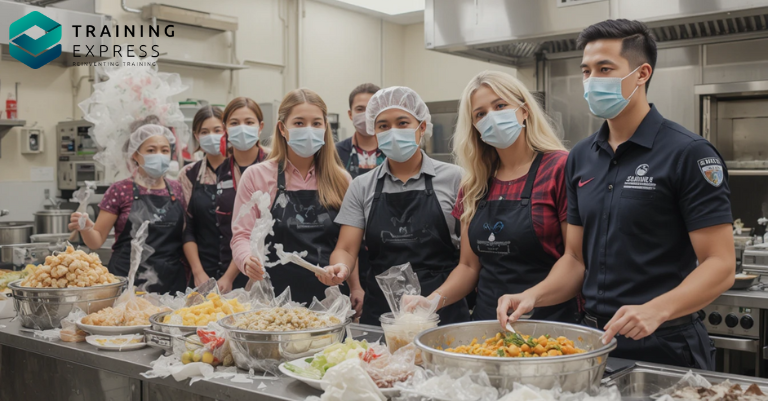
Staff must internalise hygiene principles so they become routine behaviours rather than occasional checks. A structured training programme, such as Food Safety & Hygiene Essentials, not only explains these principles in detail but also guides staff through practical steps to maintain hygiene in real working conditions. This course covers topics like cleaning schedules, contamination prevention, and proper food storage, making it an ideal foundation for both new and experienced staff.
Legal Framework for Food Hygiene in the UK
All hospitality establishments in the UK must adhere to key legal standards:
- Food Safety Act 1990: Establishes the responsibilities of food businesses to produce safe food that is fit for consumption and properly labelled.
- Food Hygiene (England) Regulations 2006: Details hygiene requirements for staff, equipment, premises, and processes.
- Hazard Analysis and Critical Control Points (HACCP): A systematic approach to identifying and controlling hazards throughout the food production and service chain.
Compliance is not optional. Staff must understand the legislation and its practical implications. Completing HACCP Awareness is highly beneficial, as it trains staff to identify potential risks, implement control measures, and monitor critical points in the food handling process. The course emphasises practical application, helping staff make informed decisions in their day-to-day work and maintain compliance without disrupting operations.

Core Principles of Food Hygiene
Food hygiene relies on several fundamental principles. Each area requires attention, diligence, and consistent practice.
1. Personal Hygiene
Personal hygiene is the first line of defence against contamination. Staff must:
- Wash hands effectively and regularly, particularly before handling food and after contact with potentially contaminated surfaces.
- Wear clean uniforms, aprons, gloves, and hair restraints.
- Avoid jewellery and accessories that could harbour bacteria.
- Be aware of their own health and refrain from handling food when unwell.
Training reinforces these practices by providing comprehensive guidance across all aspects of food safety. For example, the Food Handler Certification covers critical areas such as the roles and responsibilities of supervisors, relevant laws and legislation, and the fundamentals of Food Safety Management Systems (FSMS) and HACCP. Staff learn how to detect and prevent contamination, manage hazards, and understand the causes of food poisoning, including food toxins and illness prevention.
The course also addresses practical skills, such as proper food handling practices, temperature control, recording temperatures, and preventing spoilage. It goes further into operational standards, including the design of food premises, waste disposal, cleaning, disinfection, and pest management. Importantly, staff gain guidance on training and supervising team members effectively, ensuring that hygiene practices are consistently applied across the workplace.
2. Food Storage and Temperature Control
Safe storage is crucial to prevent bacterial growth and maintain food quality. Staff must understand:
- Temperature requirements: Refrigeration should remain below 8°C, and hot-holding equipment should maintain food above 63°C. Regular monitoring ensures compliance.
- Separation of raw and cooked foods: Proper storage prevents cross-contamination.
- Stock rotation: Using the First In, First Out (FIFO) method ensures older stock is used first, reducing waste.

Structured training, such as Diploma in Food Hygiene and Safety Level 3, provides practical instruction on supervision, contamination control, allergen management, temperature monitoring, labelling, and maintaining a hygienic environment. This course helps staff implement best practices consistently, ensuring food safety throughout preparation and service.
3. Cleaning and Sanitation
Maintaining a hygienic environment is essential. Staff should:
- Clean and sanitise surfaces, utensils, and equipment regularly.
- Follow a structured schedule for daily, weekly, and deep cleaning.
- Manage waste effectively to avoid contamination risks.
Courses such as British Cleaning Training (House, Office and Surfaces Cleaning) help staff develop the skills needed to maintain high hygiene standards. The course covers practical cleaning techniques for homes, offices, kitchens, bathrooms, and outdoor areas, including the correct use of equipment, cleaning products, and protective clothing. It also addresses handling non-routine waste safely and understanding chemical hazards, helping ensure a safe and hygienic environment.
4. Safe Food Handling Practices
Food handling mistakes are a major source of contamination. Staff must:
- Use separate utensils for different food types.
- Minimise direct hand contact with ready-to-eat items.
- Ensure food is cooked to the correct internal temperature.

5. Allergen Awareness
Allergen management is an increasingly important part of food hygiene. Staff should:
- Identify ingredients that may cause allergic reactions.
- Prepare allergen-sensitive foods in separate areas with dedicated utensils.
- Clearly label menu items and communicate effectively with customers.
Food Allergen Awareness Training helps staff understand how to manage allergens safely and effectively. The course explores the basics of food allergens, guidance for food businesses and consumers, and how to recognise and respond to allergic reactions and treatments. With this knowledge, staff can prevent cross-contact, communicate clearly with customers about allergens, and meet regulatory requirements, ensuring special dietary needs are handled confidently.
6. Staff Responsibilities and Organisational Culture
Maintaining hygiene standards is a shared responsibility. Managers define policies and monitor compliance, while frontline staff implement procedures daily. Encouraging a culture of hygiene:
- Promotes accountability and ownership of responsibilities.
- Ensures that staff understand the importance of their role in food safety.
- Reinforces consistent practices across all operations.
Embedding a strong culture reduces risks and makes hygiene practices a routine part of daily work rather than an occasional obligation.
7. Monitoring and Record-Keeping
Monitoring hygiene standards ensures that practices are consistently followed. Staff should:
- Record temperatures of fridges, freezers, and hot-holding equipment.
- Maintain cleaning logs and equipment maintenance records.
- Conduct regular internal audits to identify gaps in compliance.
Documenting these activities provides a clear record of adherence to hygiene standards, helps businesses demonstrate compliance during inspections, and allows for continuous improvement.
8. Integrating Training into Daily Operations
Training should not be a one-off event but an ongoing process. Effective approaches include:
- Brief practical sessions at the start of each shift.
- Flexible online modules for self-paced learning.
- Scenario-based exercises that encourage staff to apply theoretical knowledge in practical situations.
With the Diploma in Supervising Food Safety in Catering Level 3, staff gain more than just knowledge—they gain the confidence to lead food safety practices in a busy catering environment. The course takes them through UK food safety regulations, the science behind microbiology, and identifying both bacterial and non-bacterial food poisoning risks.
Preventing Cross-Contamination
Cross-contamination is a leading cause of foodborne illnesses in hospitality environments. Preventing it requires strict procedures at every stage:
- Segregation of Foods: Raw meats, seafood, ready-to-eat items, and allergens must be stored and prepared separately.
- Designated Equipment: Colour-coded chopping boards, knives, and utensils for different food types minimise the risk of transferring bacteria or allergens.
- Surface Hygiene: Work surfaces and utensils must be cleaned and sanitised regularly between tasks.
- Hand Hygiene: Staff must wash hands thoroughly between tasks, even if gloves are used.
Proper training and understanding of these principles ensure that contamination risks are consistently managed. Staff who pursue a Diploma in Food Science gain a deeper understanding of microbial behaviour, contamination pathways, and the science behind safe food handling. This knowledge enables staff to anticipate risks and implement preventive measures effectively.

Temperature Control and Food Safety
Temperature management is a critical pillar of food safety. Harmful bacteria multiply rapidly if food is stored or held at unsafe temperatures. Staff must understand:
- Cold Storage Requirements: Refrigerators should maintain temperatures at or below 8°C, with frequent monitoring to ensure consistency.
- Hot Holding: Foods must be held at or above 63°C to prevent bacterial growth.
- Cooking Standards: Correct internal cooking temperatures for different food types eliminate harmful pathogens.
- Monitoring and Logging: Temperature checks should be documented, and deviations must be addressed immediately.
Courses such as Food Quality Maintenance provide practical guidance on monitoring, controlling, and documenting temperature standards, helping staff maintain safe food throughout the supply chain. The course also covers strategies for reducing spoilage and maintaining ingredient quality, contributing to both safety and operational efficiency.
Waste Management and Hygiene
Effective waste management reduces contamination risk and promotes operational efficiency:
- Segregation: Separate waste streams for general waste, recyclables, and food waste prevent cross-contamination.
- Cleaning Bins: Waste containers must be cleaned and sanitised regularly.
- Stock and Portion Management: Proper rotation and portion planning minimise food waste while maintaining quality.
- Sustainability Practices: Composting, reducing single-use plastics, and careful inventory control support environmental responsibility without compromising hygiene.
Embedding waste management as a daily practice ensures that kitchens remain clean, organised, and safe. Integrating training from courses like Food Preparation Techniques allows staff to learn safe, hygienic methods for handling food while reducing waste. The course teaches practical skills in preparation, storage, and handling that directly contribute to maintaining a hygienic and sustainable operation.
Incident Reporting and Risk Management
Even with rigorous hygiene protocols, incidents can occur. Staff must know how to identify, report, and manage risks effectively:
- Risk Identification: Detect potential contamination, unsafe storage, or improper handling early.
- Reporting Protocols: Notify supervisors immediately to enable prompt corrective action.
- Corrective Measures: Follow established procedures to isolate affected food or sanitise surfaces.
- Documentation: Maintain detailed records of incidents, corrective actions, and outcomes.
Understanding these processes ensures that risks are managed promptly, maintaining both customer safety and legal compliance. Staff can further strengthen their understanding by taking a course like Food Poisoning (Foodborne Illnesses), which explains the causes, symptoms, and prevention strategies of foodborne illnesses. This knowledge allows staff to identify hazards early and take proactive measures to protect both customers and the business.
Auditing and Continuous Improvement
Auditing hygiene practices is essential for long-term compliance and ongoing improvement. Regular internal audits of cleaning schedules, equipment maintenance, storage, and preparation practices help identify gaps in standards. Keeping accurate documentation and logs allows businesses to track compliance and performance over time. Analysis of audit results then informs adjustments to procedures, ensuring that hygiene practices remain effective and efficient. Regular auditing helps prevent lapses before they occur, maintaining consistent standards across all operational areas.
Creating a Food-Safe Culture
Sustaining hygiene excellence requires a culture where food safety is prioritised at every level. Staff must clearly understand expectations, policies, and their individual role in maintaining hygiene. Managers play a critical part by modelling best practices and leading by example. Employees should feel empowered to report concerns, correct unsafe practices, and take ownership of hygiene standards. Recognising and rewarding adherence to procedures reinforces positive behaviour and motivates staff. Embedding hygiene into the culture of a hospitality operation ensures long-term compliance, reduces risks, and makes safe practices a natural part of daily work.
Ensuring your hospitality team maintains the highest standards of food hygiene requires ongoing training and professional development. Platforms like Training Express make it easy for businesses to equip staff with the skills they need, from basic food handling to advanced hygiene practices.
With over 3,000 fully accredited courses, Training Express provides targeted learning for teams of any size. Courses relevant to hospitality and food safety include:
- Food Hygiene Levels 1, 2, and 3 – covering safe food handling, storage, and preparation practices
- Diploma in Food Science – deeper understanding of microbial risks and food safety principles
- Food Quality Maintenance – monitoring, record-keeping, and quality control in food operations
- Food Preparation Techniques – practical skills for preparing meals safely and efficiently
- Food Poisoning (Foodborne Illnesses) – recognising hazards and preventing contamination
Training Express also offers team-focused solutions, allowing managers to assign courses, track progress, and award accredited certificates, all from a simple online dashboard. Whether your team is small or large, you can create a tailored training plan to ensure all staff remain competent, confident, and compliant with UK food hygiene regulations.
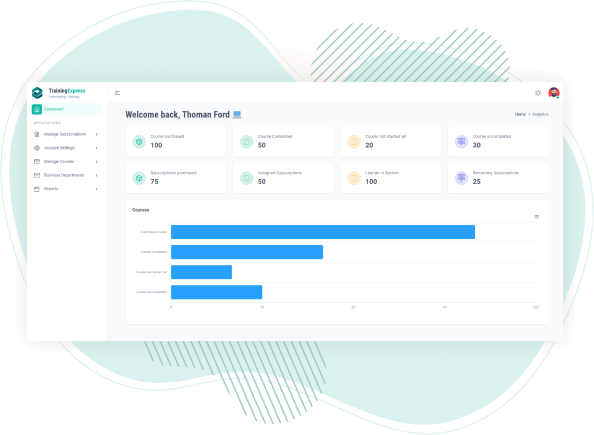
By integrating such flexible, online training into daily operations, businesses can not only meet compliance requirements but also foster a culture of continuous learning and food safety awareness, which is essential for maintaining high standards in hospitality.
Training Express Team Training gives your whole workforce access to our flagship CPD-accredited courses from as little as £2.33 per user/month. You get a business dashboard to assign courses, track completion, download reports for audits and issue certificates – all in one place.

Conclusion
Advanced food hygiene is essential for protecting customers, staff, and the reputation of hospitality businesses. By focusing on cross-contamination prevention, temperature control, waste management, incident reporting, auditing, and creating a culture of hygiene, staff can maintain high standards consistently.
Ultimately, food hygiene is a combination of knowledge, vigilance, and culture. When staff are well-trained, equipped with the right skills, and operate in an environment that prioritises safety, the result is a professional, efficient, and safe hospitality operation that protects both customers and business integrity.
Frequently Asked Questions (FAQ)
Who should take food hygiene training?
All staff handling food, including chefs, kitchen assistants, waitstaff, and managers overseeing food operations.
How often should training be updated?
Every 2–3 years, with more frequent refreshers for high-risk roles or regulatory updates.
Why is organisational culture important?
A strong hygiene culture encourages consistent practices, accountability, and staff awareness of their role in food safety.
Can foodborne illnesses be prevented?
Proper hygiene, temperature control, cross-contamination prevention, allergen management, and training greatly reduce risks.
What are the benefits of a Diploma in Food Science?
It provides scientific knowledge of hygiene, contamination risks, and quality control, helping staff implement advanced food safety practices effectively.
Can these courses be taken by a team or multiple staff members?
Absolutely. Courses are ideal for team training, with options for small, medium, and large groups. Managers can assign courses to staff, monitor progress, and generate reports through a dedicated learning management system (LMS). Training packages are scalable, allowing businesses to create bespoke plans based on team size, roles, and specific training priorities.
What features make team training easier to manage?
Team-focused features include progress tracking dashboards, certificates of completion, tutor support, and reporting tools. Managers can easily see which staff have completed courses, monitor performance, and identify areas where additional training is needed. Some courses also allow integration with business systems, making it simple to maintain compliance and ensure consistent knowledge across the workforce.