Food Hygiene
 Health & Safety
 Safeguarding
 First Aid
 Business Skills
 Personal Development
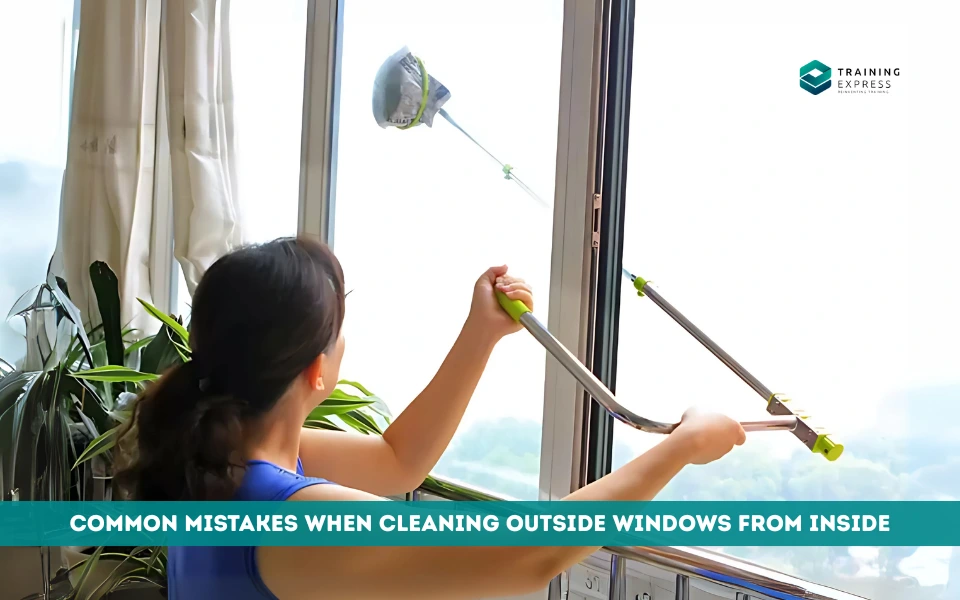

Cleaning outside windows from inside is one of those chores that sounds simple in theory but often turns into a frustrating battle in practice. The glare of the sun reveals streaks you thought you wiped away, dust smears across the glass, or worse—you find yourself leaning too far out of the window, risking safety just to reach one stubborn corner. Many homeowners underestimate how tricky this task can be, which is why mistakes are so common.
From using the wrong cloth to cleaning at the wrong time of day, these errors can leave your windows looking worse than before, or even cause damage. Luckily, most of these mistakes are easy to avoid once you know what to watch out for. In this guide, we’ll break down the most common mistakes people make when cleaning outside windows from inside—and show you exactly how to avoid them. With the right approach, you can achieve sparkling, streak-free windows safely and efficiently.
Common Mistakes When Cleaning Outside Windows from Inside
Many people unknowingly make mistakes that leave streaks, damage their windows, or even put their safety at risk. Let’s dive into the most common mistakes people make when cleaning outside windows from inside and how to avoid them.

Mistake #1: Cleaning Windows on a Sunny Day
It’s tempting to wait for a bright, sunny day to tackle window cleaning—you can see the dirt clearly, and natural light makes everything look fresh. However, this is actually one of the biggest mistakes you can make. Direct sunlight heats up the glass, causing your cleaning solution to dry much too quickly. Instead of evaporating evenly, it leaves behind streaks and water marks that are nearly impossible to wipe away.
Think about how spilled water dries on a hot car windshield—it leaves ugly spots that cling no matter how much you scrub. The same thing happens with your windows when you clean them in direct sunlight.
Best time to clean:
- Early morning or late afternoon, when the sun isn’t hitting the glass directly.
- On a cloudy day, which allows you to clean without worrying about fast drying.
By simply changing the timing of your window cleaning, you’ll save yourself hours of frustration and get streak-free results much more easily.
Mistake #2: Failing to Remove Dirt and Dust First
Another common error is skipping the pre-cleaning step. Many people spray cleaner directly onto dusty, grimy glass and start wiping, thinking it saves time. In reality, this can scratch the glass surface and smear dirt around, making the window look even worse. Imagine wiping a dusty countertop with a wet rag—the dirt just clumps and spreads instead of disappearing.
When dust and grit get caught between your cloth and the glass, they act like tiny sandpaper grains. Over time, this can cause small scratches that dull the glass and make it harder to clean in the future.
How to pre-clean effectively:
- Use a soft brush, dry microfiber cloth, or vacuum attachment to remove loose dirt, cobwebs, and pollen.
- Wipe down the window frame and sill so dirt doesn’t drip back onto the glass while you clean.
- Only after the dust is gone should you apply your cleaning solution.
Taking a few extra minutes to dust before cleaning prevents scratches, saves on cleaning solution, and gives you a much clearer finish.
Mistake #3: Using an Old Cotton Rag to Dry Windows
Many people reach for an old cotton T-shirt, towel, or rag to wipe their windows dry. While this might seem convenient, it’s one of the worst tools you can use. Cotton fibers tend to shed lint, which clings to the glass and ruins the polished look. Old rags may also contain fabric softener residue, oils, or detergents that streak the glass instead of leaving it clean.
Another issue is that cotton simply doesn’t absorb liquid as efficiently as microfiber. It leaves damp patches behind, which dry unevenly and create streaks. Over time, rough cotton fabric can even cause tiny scratches on your windows.
Better alternatives include:
- Microfiber cloths – designed to trap dirt, absorb water, and leave a streak-free shine.
- Professional squeegees – remove water in one clean swipe, eliminating streaks.
- Lint-free drying towels – perfect for finishing touches.
If you want hotel-level sparkling glass, ditch the old cotton rags and invest in microfiber or a quality squeegee. It’s a small change that makes a huge difference in results.
Mistake #4: Wiping With a Squeegee Improperly
Using a squeegee is one of the most effective ways to get streak-free windows, but many people use it incorrectly. Common mistakes include holding it at the wrong angle, applying uneven pressure, or lifting it off the glass mid-swipe. These errors leave streaks, smears, and water trails that make the glass look dirtier than before.
Here’s how to do it properly:
- Start at the top of the window and work your way down.
- Hold the squeegee at a slight angle (about 30–45 degrees).
- Use firm, even pressure so the blade makes full contact with the glass.
- Wipe the blade with a cloth after each pass to prevent drips.
- Overlap each stroke slightly to ensure no streaks are left behind.
Think of it like mowing a lawn—you don’t skip random patches or overlap unevenly. Each pass should be smooth, consistent, and deliberate. Mastering this technique takes practice, but once you get it right, you’ll never go back to paper towels or cotton cloths again.
Mistake #5: Trying to Clean All Windows in One Day
Window cleaning is one of those tasks where enthusiasm can work against you. Many people decide to “get it over with” and attempt to clean every window in the house in a single day. While this sounds efficient, it usually leads to exhaustion, rushed work, and sloppy results.
By the time you reach the last few windows, you’re tired, less careful, and more likely to cut corners. Streaks get missed, smudges are left behind, and instead of a sparkling finish, you end up with windows that still look dull.
A smarter approach is to:
- Divide your home into sections and clean a few windows at a time.
- Spread the task over two or three days instead of one marathon cleaning session.
- Focus on quality rather than quantity—better to have half your windows looking perfect than all of them looking “just okay.”
Breaking up the job also makes window cleaning less overwhelming, turning it into a manageable routine instead of a dreaded chore.

How Can You Avoid Streaks When Cleaning Windows?
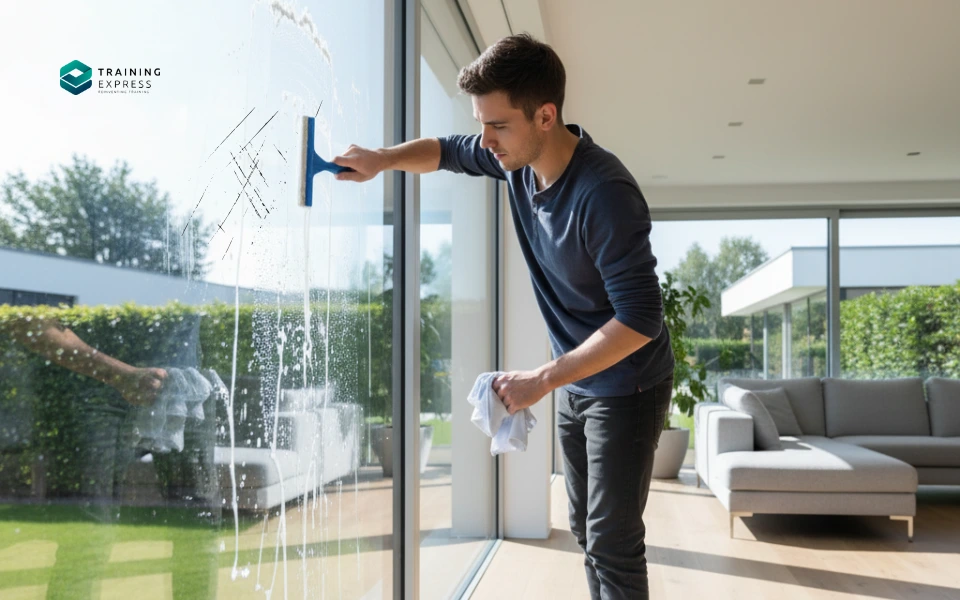
To avoid streaks when cleaning windows, start by choosing the right cleaning solution and using it sparingly. A light mist is enough to dissolve dirt without leaving behind excess residue that dries into streaks. For tougher spots, let the solution sit for a moment before wiping.
Next, make sure you’re using the right tools. Microfiber cloths and professional squeegees work best because they absorb moisture and lift dirt without leaving lint behind. Avoid paper towels, tissues, or old rags, as they often cause smears and streaks.
Finally, timing and technique make all the difference. Always wipe in consistent, overlapping strokes, and buff with a dry microfiber cloth if needed. Avoid cleaning in direct sunlight or windy conditions, since both can cause the solution to dry too quickly. With the right approach, your windows will stay crystal clear and streak-free.
What Are the Safest Tools for Cleaning High Windows from Inside?
Cleaning high windows from inside can be tricky, but safety should always come first. Avoid leaning out or standing on unstable chairs—instead, use tools designed to help you reach safely without risking accidents.

A pole-mounted squeegee or microfiber duster is one of the best options. These extendable tools allow you to wash, dry, and dust tall windows without stretching too far, and many come with interchangeable attachments for extra convenience.
For even more safety, magnetic window cleaners or water-fed pole kits work well. Magnetic cleaners let you scrub the outside from inside, while water-fed poles connect to a water source for easy scrubbing and rinsing—all without needing a ladder.
When cleaning high windows, always prioritize safety:
- Never stand on unstable chairs or furniture.
- Wear non-slip shoes if you need to step on a stool.
- Move slowly and carefully—rushing increases the chance of accidents.
By investing in the right tools, you can keep your high windows sparkling without ever risking your safety.
How Often Should You Clean Your Windows?

Window cleaning isn’t a once-a-year job. How often you should clean your windows depends on your environment and lifestyle. Homes near busy roads, coastal areas, or places with heavy pollen or dust may need more frequent cleaning compared to quieter areas.
A general rule is to clean residential windows at least twice a year—once in spring and once in fall. In areas with salt spray, pollution, or constant dirt buildup, cleaning every couple of months may be necessary to keep glass clear.
It also helps to spot clean in between deep cleans. Wiping away fingerprints, bird droppings, or water spots as soon as you see them prevents buildup and keeps windows looking fresh, making full cleanings easier and less frequent.
Can You Use Homemade Cleaning Solutions Safely?
Yes, you can! In fact, many people prefer homemade window cleaning solutions because they’re affordable, eco-friendly, and free of harsh chemicals. The most popular option is a simple vinegar and water mix—usually one part white vinegar to two parts water. Vinegar cuts through grease, dissolves mineral deposits, and leaves a natural shine without harmful residues.

Another DIY option is dish soap and water. Just a few drops of mild dish soap in a bucket of warm water creates an effective cleaning solution that lifts dirt and grime easily. This is especially useful for heavily soiled windows.
That said, homemade solutions aren’t perfect. Vinegar, for example, has a strong smell that some people dislike, and it can damage certain window frames or sealants if used in excess. Soap-based mixtures can leave residue if not rinsed properly, which may attract dust more quickly.
If you prefer ready-made products, commercial glass cleaners are convenient and formulated for streak-free results. However, they often contain chemicals that may irritate sensitive skin or leave strong odors.
Best practice: Try both methods and see which works best for you. For everyday cleaning, vinegar-water solutions are excellent. For stubborn buildup, a commercial cleaner or soapy water may be more effective. Always test any solution on a small area first to ensure it doesn’t damage your window frames.
Final Words
Cleaning outside windows from inside may seem simple, but as you’ve seen, there are plenty of mistakes that can make the job harder than it needs to be. From trying to clean on a sunny day to using the wrong cloth or rushing through too many windows at once, these errors lead to streaks, scratches, and wasted effort.
The good news? With the right timing, tools, and techniques, you can easily avoid these pitfalls. Microfiber cloths, proper squeegee use, and safe cleaning methods for high windows will give you professional-looking results without frustration. Remember, window cleaning isn’t just about speed—it’s about patience, safety, and attention to detail.
So next time you’re ready to tackle your windows, keep these tips in mind. Your reward will be crystal-clear glass that brightens your entire home, all while keeping you safe and stress-free.
Frequently Asked Questions (FAQ)
Can I clean outside windows without a ladder?
Yes, you can. Use extendable cleaning tools such as pole-mounted squeegees, microfiber mops, or magnetic window cleaners. These allow you to reach tall windows from inside without climbing. Ladders should only be used when absolutely necessary and with proper safety precautions.
Why do my windows still have streaks after cleaning?
Streaks usually happen when the cleaning solution dries too fast or when the wiping tool isn’t effective. Avoid cleaning in direct sunlight, use a microfiber cloth or squeegee, and make sure you don’t use too much product. Always dry the glass immediately after cleaning.
Is it okay to clean windows on a windy day?
Not really. Wind blows dust and dirt onto wet glass, which sticks and creates streaks. It can also make handling tools more difficult, especially with tall or large windows. For best results, pick a calm day with mild temperatures.
What is the best cloth for drying windows?
Microfiber cloths are the best choice because they absorb water efficiently, trap dirt, and leave no lint behind. If you prefer, you can also use a high-quality squeegee for a streak-free finish. Avoid cotton rags, paper towels, or tissues, as they tend to leave residue.
Can using old newspaper damage my windows?
While many people swear by newspaper as a traditional window-cleaning tool, it’s not always safe. Some modern newspapers use inks that can smudge or transfer onto the glass. The rough texture can also scratch delicate window coatings. Microfiber cloths are a safer, modern alternative.
Should I remove screens before cleaning?
Yes. Screens trap dust, pollen, and dirt that will smear onto the glass if left in place. Remove them, give them a gentle scrub with soapy water, and let them dry completely before reinstalling. This ensures both your screens and windows stay clean longer.
How do I clean window corners effectively?
Corners often trap dirt, spider webs, and streaks that your squeegee might miss. Use a cotton swab or the corner of a microfiber cloth to reach these tight spaces. For stubborn grime, a soft-bristled brush dipped in cleaning solution works well.
Can harsh chemicals damage my window frames?
Yes. Ammonia-based or highly acidic cleaners can strip paint, discolor vinyl, or weaken wooden frames. Always check the product label before use. Safer alternatives like vinegar-water solutions or mild dish soap protect your frames while keeping glass spotless.
How long does it take for a proper window cleaning?
It depends on the size and number of windows. On average, cleaning a single standard window (inside and out) takes about 10–15 minutes. A whole house may take anywhere from 2–4 hours if done carefully. Rushing through the process usually leads to streaks and missed spots.
Can I clean windows safely in an apartment building?
Yes, but safety should always come first. Never lean out of the window or climb onto ledges. Use magnetic window cleaners, telescopic poles, or hire professional cleaners for very high windows. Many apartment dwellers also clean from the inside and focus on keeping the glass as clear as possible without taking risks.