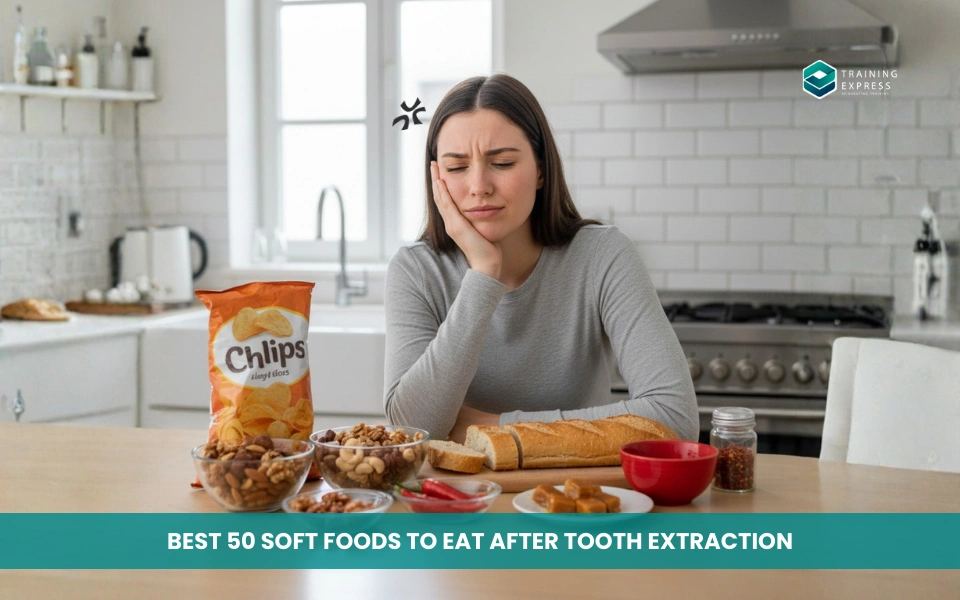
Recovering from a tooth extraction requires more than rest—it demands careful food choices that protect the healing site and support recovery. Soft foods play a vital role by reducing pressure on sensitive gums while still providing essential nutrients the body needs to heal properly.
By choosing the right soft foods, we can minimize pain, prevent complications, and promote faster healing. A well-planned soft-food diet ensures comfort, nourishment, and a smoother recovery process after tooth extraction.
“According to a Nutrition & Dietetics review (2013), a balanced diet that includes appropriate macronutrients and micronutrients plays a key role in supporting oral wound healing after surgical procedures like tooth extraction, as it may help reduce inflammation and support tissue regeneration (Lau et al., 2013).”
50 Soft Foods to Eat After Tooth Extraction
Dairy Based Food
Notes / Preparation
1. Yogurt (plain or flavored)
Smooth and easy to swallow
2. Pudding
Gentle on the mouth
3. Cottage cheese
Soft texture
4. Ice cream
No hard mix-ins
5. Milkshakes
Do not use straws
6. Smoothies
Spoon only
7. Ricotta cheese
Soft and creamy
8. Cream cheese on soft bread
Avoid crusty bread
9. Custard
Smooth and soothing
10. Soft scrambled eggs
High in protein
Fruits & Veg Food
Notes / Preparation
11. Applesauce
Smooth, no chunks
12. Mashed bananas
Naturally soft
13. Ripe avocado
Mash if needed
14. Mashed sweet potatoes
Soft and nutritious
15. Mashed regular potatoes
Easy to eat
16. Steamed carrots
Mash until smooth
17. Steamed squash
Cook until very soft
18. Soft canned peaches
No skins or chunks
19. Pear puree
Smooth consistency
20. Cooked pumpkin
Mild and soft
Grains & Pasta Food
Notes / Preparation
21. Oatmeal
Soft-cooked
22. Cream of wheat
May feel grainy for some
23. Soft pancakes
No crispy edges
24. Soft waffles
Avoid crunchy areas
25. Plain white rice
Cook until very soft
26. Mashed rice with broth
Moist and gentle
27. Soft-cooked pasta
Avoid al dente texture
28. Macaroni and cheese
Creamy sauce preferred
29. Grits
Soft, may be grainy
30. Polenta
Creamy texture
Foods to Avoid After Tooth Extraction
After a tooth extraction, certain foods can interfere with healing and increase the risk of pain or complications. Avoiding hard, sticky, and irritating foods helps protect the blood clot and allows the gums to heal properly.
Food
Why to Avoid
Chips
Sharp edges can irritate the extraction site and dislodge the blood clot
Nuts
Hard texture increases pressure and small pieces can get trapped in the socket
Popcorn
Husks easily lodge in the wound and may cause infection
Sticky Candies
Can pull on the blood clot and delay healing
Chewing Gum
Excessive jaw movement may disturb the healing area
Spicy Foods
Irritate sensitive tissues and increase inflammation
Citrus Fruits
High acidity can cause stinging and slow tissue repair
Rice
Small grains can become stuck in the extraction site
Crusty Bread
Hard crusts require chewing and can scrape healing gums
Carbonated Drinks
Bubbles may interfere with clot formation and cause discomfort
Oral Health & Hygiene Practices Course For Just £8!
Eating soft foods for several days can feel monotonous, but small adjustments can dramatically improve satisfaction. Flavor variety is key. Using mild herbs, low-sodium broths, or gentle seasonings can enhance taste without irritating the gums. Avoid spices, but do not avoid flavor entirely.
Texture variation also matters. Alternating between creamy, whipped, and lightly mashed foods prevents palate fatigue. For example, pairing smooth soups with thicker mashed vegetables creates contrast while staying safe. Temperature changes—cool yogurt followed by warm soup—can also improve the eating experience.
Presentation should not be overlooked. Even soft foods can be plated attractively. When meals look appealing, appetite improves, supporting better nutrition. Enjoyment is not a luxury during recovery; it is a tool that helps us eat enough to heal efficiently.
Final Thoughts
Choosing the right soft foods after tooth extraction is a strategic decision that directly affects healing speed and comfort. Soft foods are not a temporary inconvenience; they are a healing tool. When chosen thoughtfully, they provide comfort, nutrition, and protection during one of the most sensitive recovery periods.
By focusing on texture, nutrition, and variety, we create a recovery diet that supports the body’s natural repair processes. The goal is not simply to avoid pain but to actively promote healing. With the right approach, recovery becomes smoother, shorter, and far less stressful.
Rice is generally not recommended in the early stages because small grains can lodge in the extraction site. Rice porridge may be acceptable if fully blended and smooth.
Is ice cream safe after tooth extraction?
Yes, as long as it contains no hard chunks or nuts. Cold temperatures may help soothe swelling.
How long should we stay on a soft-food diet?
Most people benefit from soft foods for at least several days, with gradual transition based on comfort and healing progress.
Are smoothies allowed after tooth extraction?
Smoothies are safe when consumed with a spoon and made without seeds or hard ingredients.
Can protein intake be sufficient with soft foods?
Absolutely. Eggs, dairy, blended legumes, tofu, and protein shakes provide ample protein for healing.
Article Author,
Fatmah Irshad
Fatmah Irshad is a dental hygienist and contributor at Training Express, with hands-on experience in preventive oral care, patient education, and promoting best practices in dental hygiene to support long-term oral health.
 Food Hygiene
 Health & Safety
 Safeguarding
 First Aid
 Business Skills
 Personal Development