Food Hygiene
 Health & Safety
 Safeguarding
 First Aid
 Business Skills
 Personal Development


Child protection is a crucial part of safeguarding children’s rights and ensuring their well-being, particularly in the UK where specific frameworks are in place to protect vulnerable young individuals. If you’ve ever heard the term “Child Protection Plan” (CPP) and wondered what it actually means, or if you’ve been told your child might be under one, this guide is here to help.
Understanding what a Child Protection Plan involves is essential for parents and carers. It’s not just a legal or procedural issue—it’s about your child’s safety, health, and future. The more informed you are, the better you can advocate for and support your child through a challenging time.
This article will guide you through every detail: why a child might be placed on a Child Protection Plan, how the process works, what’s included in the plan, and what your rights and responsibilities are. Let’s dive in and break it all down step by step.
Table of Contents
Why Would a Child Be on a Child Protection Plan?
A Child Protection Plan (CPP) is a formal document put in place by local authority social services when they believe a child is at risk of significant harm. The goal? To protect the child, support the family, and make sure the child’s needs—physical, emotional, and psychological—are being met consistently.
It’s important to know this isn’t just a bureaucratic checklist. A CPP is the result of a thorough investigation and case conference where professionals, including social workers, teachers, health workers, and sometimes even the police, gather to discuss a child’s safety.
When a plan is issued, it outlines specific concerns, identifies risks, and maps out steps to reduce those risks. Everyone involved has roles and responsibilities, and the plan must be regularly reviewed to ensure progress is being made.
Think of it like a safety net—a coordinated effort to make sure your child is safe, supported, and on a positive path.

Main Reasons a Child May Be Placed on a Plan
Children are placed under protection plans for a variety of reasons, but there are four primary categories that often trigger this action:
Neglect
Neglect is the most common reason. It means failing to meet a child’s basic needs—food, clothing, shelter, medical care, education, supervision, or emotional warmth. This isn’t always intentional; sometimes it’s the result of poverty, mental illness, or lack of parenting skills. But regardless of the cause, neglect can have long-lasting effects on a child’s development and well-being.
Physical Abuse
This involves any physical harm or injury inflicted on a child. It can include hitting, kicking, shaking, burning, or using excessive physical discipline. Physical abuse isn’t always easy to detect, especially if the child is scared to speak up, which is why professionals are trained to look for signs.
Emotional Abuse
Emotional or psychological abuse includes persistent criticism, belittling, threats, rejection, or exposure to domestic violence. It can be subtle but deeply damaging, often leaving emotional scars that last far longer than physical ones.
Sexual Abuse
This involves any sexual activity a child is coerced or manipulated into—whether through physical contact or exploitation online. Even witnessing inappropriate sexual behavior can constitute abuse. This is one of the most serious categories and always triggers an immediate investigation.
No matter which form of harm is suspected, the child’s voice matters. If a child expresses fear, discomfort, or worry, those signs should never be ignored.
Risk Assessment and Threshold Criteria
Before a Child Protection Plan is put in place, local authorities carry out a thorough risk assessment. They look at the child’s living conditions, relationships, behavior, health, education, and any reports of concern. This process is often referred to as the “threshold criteria”—meaning that professionals evaluate whether the child is likely to suffer significant harm if action isn’t taken.
The threshold is high for a reason. Authorities don’t make these decisions lightly. They gather evidence, speak with the child (if age-appropriate), talk to family members, schools, and doctors, and then determine whether the risks are serious enough to justify a formal plan.
The assessment process aims to be fair and unbiased. It’s not about punishing parents—it’s about protecting children.
What Is in a Child Protection Plan?
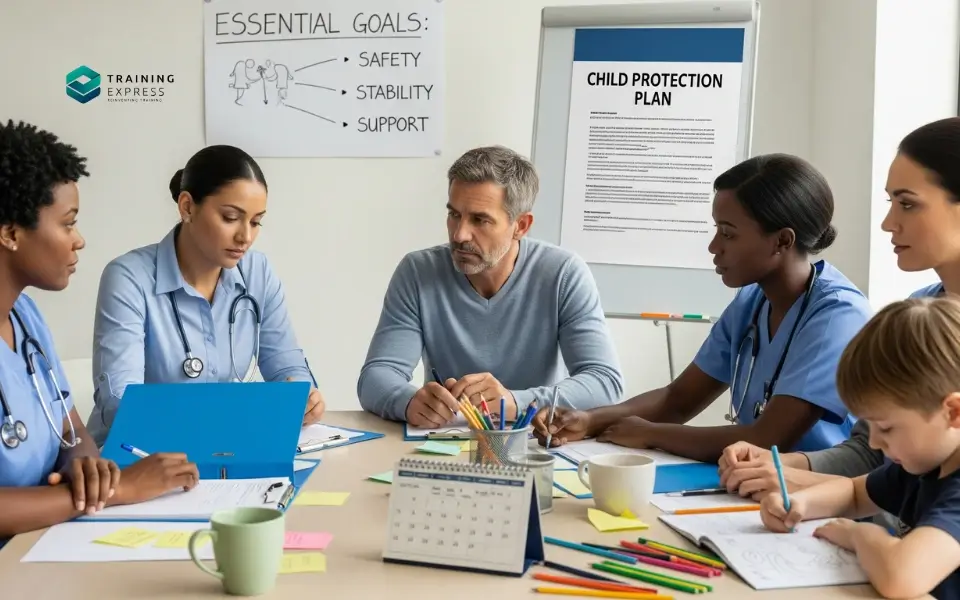
A Child Protection Plan is more than just a formality—it’s a comprehensive blueprint designed to keep a child safe and support the family unit. When a plan is drafted, it outlines all the concerns, desired outcomes, and the steps everyone involved must take to reduce the risk of harm. Here’s what typically goes into it:
Objectives
Every plan begins with clear objectives. These are the goals that need to be achieved for the child to be considered safe. For example, an objective could be “ensuring the child is fed regularly and attends school daily” or “removing the risk of physical harm in the home.”
These objectives are specific, measurable, and time-bound. Everyone involved knows exactly what is expected, from the parents to social workers.
Responsibilities
The plan clearly assigns responsibilities to different individuals and services. For example:
- Parents/carers may be required to attend parenting courses or work with addiction services.
- Social workers must conduct regular home visits and report back to the team.
- Schools may need to monitor the child’s attendance and emotional wellbeing closely.
Each person’s role is documented so there’s no confusion or ambiguity.
Support Measures
Support is a central pillar of every Child Protection Plan. This can include:
- Access to family support services
- Help with housing or financial difficulties
- Mental health services for parents or children
- Substance misuse programs
- Parenting workshops or classes
The aim isn’t to “catch out” families—it’s to offer the help they need to provide a safer environment for their child.
Monitoring Schedule
Monitoring is crucial to assess whether the plan is working. This includes:
- Weekly or bi-weekly visits from a social worker
- Reports from schools and health professionals
- Scheduled review meetings with all parties involved
The plan usually outlines when these checks will take place and what professionals should be looking for during each interaction.
The ultimate goal? To create a situation where the plan is no longer needed because the child is safe and well.
Role of Social Workers and Other Professionals

When a Child Protection Plan is in place, it activates a multi-agency approach. That means a range of professionals come together to support the child and family. Let’s look at who’s involved and what they do:
Social Workers
They’re the primary coordinators. From initial assessments to setting up review meetings, social workers are the bridge between the family and all other services. They:
- Monitor the child’s well-being
- Liaise with schools and doctors
- Provide emotional support to the child
- Help parents access services
Their role is not to “police” but to advocate, assess, and support.
Health Professionals
These could include GPs, pediatricians, and mental health workers. Their input is vital in understanding any physical or emotional impacts on the child. They may conduct health checks, offer therapy, or refer the child to specialists.
Educational Staff
Teachers and school counselors often spend more time with a child than anyone else. They play a crucial part in identifying any changes in behavior, emotional distress, or signs of abuse. Their reports help shape the plan and monitor its progress.
Police (if needed)
In cases involving criminal activities—like sexual abuse or severe neglect—law enforcement may be involved to investigate and ensure legal safeguards are in place.
All these professionals work together like a safety net, each playing a part in catching and supporting the child before they fall through the cracks.
Parental Involvement in the Plan
Contrary to popular belief, parents are not sidelined during the child protection process—they are central to it. In fact, the plan can’t work effectively without their cooperation.
Parents are invited to:
- Attend all case conferences and review meetings
- Share their perspective and concerns
- Ask questions and request support
- Be part of the decision-making process
The goal isn’t to blame or shame but to build a constructive relationship. Professionals aim to help parents understand the risks and empower them to make changes. This partnership is key to creating a lasting, positive impact for the child.
Of course, not every parent agrees with the plan or the concerns raised. That’s normal. But even in those cases, being engaged and open to dialogue can make a huge difference. Denial, avoidance, or hostility only makes things harder for the child and increases the likelihood of more serious interventions—like court action or removal from the home.
So if you’re a parent reading this and you’re feeling overwhelmed—know that you’re not alone, and the plan is there to support, not punish you.
What Happens if a Child Protection Plan Is Breached?
While a Child Protection Plan is designed to support families and keep children safe, it only works when everyone involved sticks to what was agreed. When the plan is not followed—intentionally or otherwise—the child may be at risk once again. This is known as a breach. Understanding what constitutes a breach, what the consequences are, and what support is available afterward is essential for both parents and professionals. A breach doesn’t always mean failure—it can also be a chance to reassess and strengthen the support around the child.

What Counts as a Breach?
A breach happens when the agreed elements of the Child Protection Plan are not followed, particularly if the child is again placed at risk of significant harm. Common breaches include:
- Missing scheduled meetings or home visits
- Not engaging with support services
- Continued evidence of abuse or neglect
- Failure to make necessary changes in parenting or home environment
- Refusing access to the child for professionals
A single missed appointment may not lead to drastic actions—but repeated issues or serious breaches are a red flag and will trigger an urgent reassessment of the situation.
Legal and Protective Actions Taken
When a plan is breached, social services take it very seriously. Depending on the severity of the breach, different legal measures may be taken:
- Increased intervention: More frequent visits or stricter monitoring.
- Child Protection Conference: An emergency meeting to reassess the risk and amend the plan.
- Legal orders: In extreme cases, authorities may seek a Care Order, allowing them to remove the child from the home temporarily or permanently.
Every action taken must go through proper legal processes and must be justified by evidence. The priority is always the child’s safety.
Support for Families After a Breach
If a breach occurs, it doesn’t automatically mean the family has “failed.” Professionals still aim to work with the family and offer further help. This might include:
- Tailored parenting programs
- One-on-one mentoring or family counseling
- More intensive support services, like family intervention teams
- Mediation sessions to resolve conflicts between professionals and parents
The message here is clear: even if things go off track, families can still get back on the right path with the right support and willingness to engage.
How Long Can a Child Stay on a Child Protection Plan?
One of the most common questions parents and carers have is: how long will this plan last? It’s a valid concern—no one wants to be in limbo, and families need to understand what to expect. The truth is, a Child Protection Plan isn’t a one-size-fits-all process. It’s designed to be flexible, adapting to the progress a family makes over time. This section explores how long these plans typically last, how they’re reviewed, and under what conditions they come to an end.
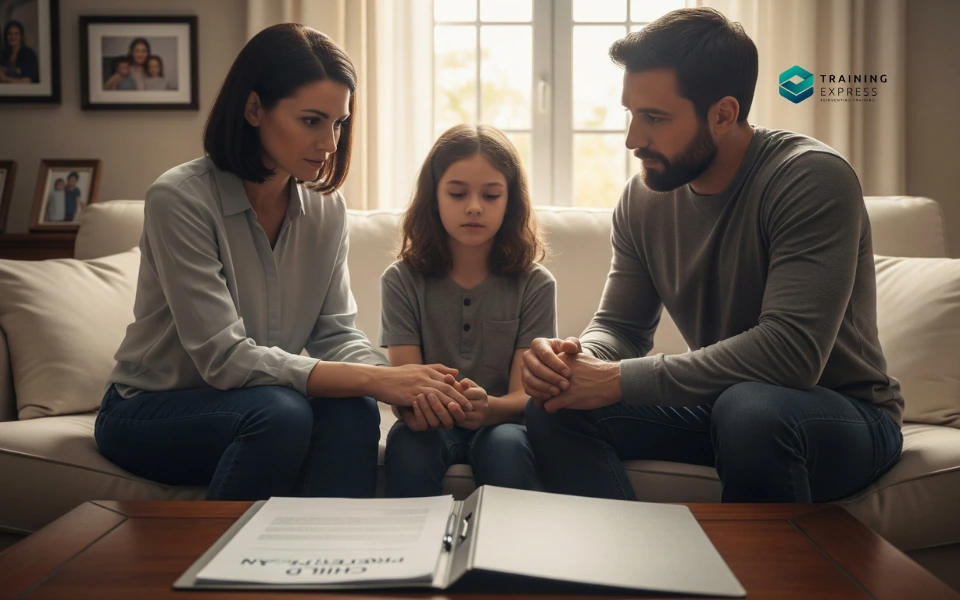
Typical Duration
A Child Protection Plan isn’t meant to last forever—it’s a temporary measure, designed to keep the child safe while the underlying issues are addressed. In most cases, the plan lasts between 6 to 12 months, though it can be extended if necessary.
The duration largely depends on the family’s progress. If risks are quickly reduced and the child’s safety is no longer in doubt, the plan may be ended early. However, if concerns persist or new issues arise, it could be extended or escalated.
What’s important to understand is that time alone doesn’t determine whether the plan continues or ends—it’s all about the child’s well-being and whether the agreed-upon goals have been met.
Review Meetings and Milestones
To keep everything on track, formal review meetings are held every three months. These meetings are vital checkpoints, where all the professionals involved assess:
- How much progress has been made
- Whether the child is safer than before
- What changes have occurred in the family situation
- Whether the support measures are effective
Parents or carers are always invited to these meetings, and their input matters. This is their opportunity to share what’s working, express concerns, and demonstrate the steps they’ve taken.
Each review meeting ends with a decision: continue the plan as is, make changes, or—if the situation has improved—consider ending the plan.
Review meetings also allow for new milestones to be added. These milestones are smaller goals that guide the family step-by-step toward the bigger objective: creating a safe and nurturing environment for the child.
When and How a Plan Ends
A Child Protection Plan is only ended when professionals agree that the risk of significant harm is no longer present. Here’s how that decision usually comes about:
- Evidence of sustained change in parenting and household conditions
- Positive reports from schools, health workers, and social workers
- Reduction in concerns (e.g., consistent school attendance, clean and safe home)
- Child’s improved well-being, both physically and emotionally
Once everyone is satisfied that the risks have been addressed, a final review meeting is held. At this point, the child may either:
- Move to a Child in Need Plan, which offers continued but less intensive support
- Exit the system entirely, if no further intervention is needed
It’s a moment of relief and accomplishment for the family—but the work doesn’t stop there. Maintaining a safe, supportive home is a lifelong commitment, and families are often encouraged to keep in touch with local support networks even after the plan ends.
What Is the Most Common Reason for a Child Protection Plan?
According to the most recent data from the Department for Education in 2024, more than half of all children on Child Protection Plans in the UK are there due to neglect. Emotional abuse accounts for around 20%, physical abuse for 15%, and sexual abuse for about 10%. While the numbers may shift slightly each year, the consistent trend shows that neglect remains the most common concern prompting formal intervention.
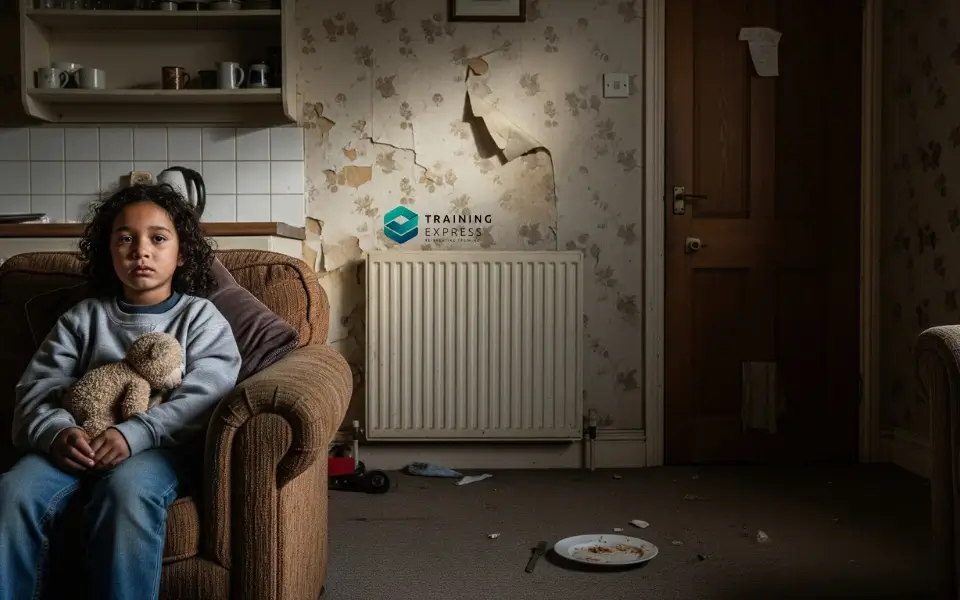
What this really highlights is that most cases are not about deliberate harm. Instead, many families are struggling—dealing with poverty, lack of parenting knowledge, addiction, or mental health issues. It’s not always about bad parenting; often, it’s about the absence of support and resources that could have prevented the situation from escalating.
Neglect is especially widespread because it takes so many forms. From not feeding a child properly to failing to meet medical needs or providing emotional warmth, neglect is often subtle and long-term. Unlike physical abuse, it doesn’t always leave visible marks, making it harder to detect. Early intervention is key, as neglect left unchecked can damage a child’s development, learning, and self-esteem—but with timely support, it can often be turned around.
Why Is Protection Important for a Child?
Children are in a crucial stage of development—they’re learning how to feel safe, build relationships, and trust the world around them. If their environment is unsafe, emotionally cold, or unstable, it can leave lasting emotional wounds. Child protection plays a vital role in making sure kids are not just physically safe but emotionally supported, reducing the risk of issues like anxiety, low self-esteem, or difficulty forming healthy relationships.
Early intervention makes a huge difference. Research shows that when children are protected early from harm, they do better in school, have fewer emotional and behavioral problems, and grow up to build healthier lives. They’re less likely to repeat cycles of abuse and more likely to succeed in both personal and social settings.
Ultimately, child protection is about more than safety—it’s about giving every child a real shot at a better future. It offers stability, trust, and hope, allowing children not just to survive their early years, but to thrive well into adulthood.
What Are the Benefits of a Child Protection Plan?
A Child Protection Plan is not only about identifying risks—it’s also about offering solutions. These plans aim to build a safer, more stable environment where children can thrive and families can heal. Far from being a punitive measure, the plan brings together a support network that works proactively to bring lasting positive change. Whether it’s by offering practical help, emotional guidance, or regular oversight, the benefits of these plans go far beyond immediate safety. They create opportunities for growth, learning, and stronger family connections.

Safety and Stability
The first and most critical benefit of a Child Protection Plan is that it keeps the child safe. That may sound simple, but safety isn’t just about physical protection—it also means emotional, psychological, and developmental safety.
A stable environment is essential for a child’s growth. A plan helps remove or reduce risks that create chaos, danger, or fear in a child’s life. This might mean separating the child from harmful individuals, improving home conditions, or putting routines and boundaries in place.
With professionals actively involved, the child is no longer alone in facing neglect or abuse. There’s a team behind them, working to build a nurturing space where they can just be kids—free from fear and uncertainty.
Access to Services and Support
Many families under a Child Protection Plan gain access to a wide range of services they might not have known existed or been able to reach before. These services can include:
- Mental health support for children and parents
- Parenting classes tailored to specific challenges
- Financial or housing assistance
- Addiction recovery programs
- Early childhood education programs
These supports are designed not to punish but to uplift the entire family unit. When parents are given tools and resources, they’re far more likely to create a safe, positive home environment.
It’s also empowering for parents—many who’ve never had a support system before find that these services help them break cycles of poverty, trauma, or isolation.
Monitoring and Accountability
Accountability isn’t about catching parents doing something wrong—it’s about making sure the child’s needs aren’t forgotten or pushed aside.
Child Protection Plans include clear benchmarks, regular check-ins, and regular updates from professionals. This system ensures:
- The child’s well-being is continuously evaluated
- Changes in family dynamics are tracked
- Risks are identified before they escalate
This structure also provides reassurance to children. They see that adults care and are keeping them safe. It restores their trust in people—something that’s often damaged in abusive or neglectful environments.
What Is the Goal of Child Protection?
The core goal of child protection is to safeguard children’s fundamental rights—the right to be safe, loved, educated, and cared for. When a child’s everyday environment poses a threat to those rights, intervention becomes necessary. Child protection isn’t just reactive; it’s proactive. It’s about stepping in early, understanding the child’s needs, and creating a plan that allows them not just to survive, but to thrive.
Another vital aim is to foster safe and supportive home environments. This doesn’t always involve removing the child. In fact, most protection plans focus on keeping families together while addressing risks through structure, oversight, and support—like addiction recovery, improving household conditions, managing stress, or strengthening parent-child relationships. Children flourish when they feel secure, and protection plans are designed to make that happen.
In cases where temporary separation is needed, the ultimate objective is often reunification—safely and thoughtfully. This includes working closely with parents, tracking progress, and ensuring the child’s well-being remains the top priority. Reuniting a child with their family once the home is proven safe isn’t just a goal—it’s a meaningful success.
What Are the 6 Principles of Child Protection?
In the UK, the approach to safeguarding children is built on six core principles. These principles guide every decision, every interaction, and every plan.
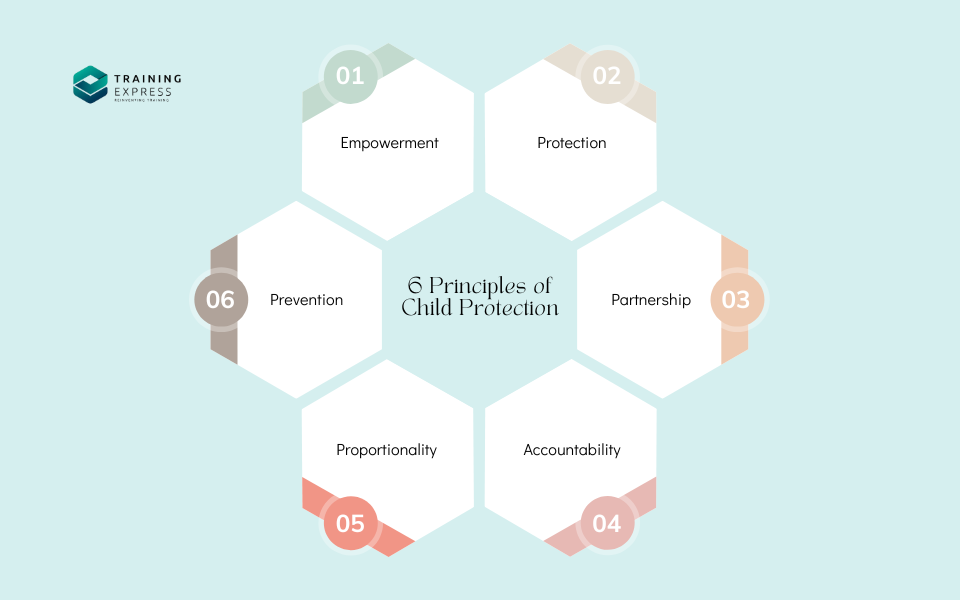
Empowerment
Children and families should be supported to make decisions and take control of their own lives. It’s not about dictating—it’s about giving them the power to change and grow in the right direction.
Prevention
Early intervention is key. The aim is to stop harm before it happens, through education, community support, and early warning systems.
Proportionality
Responses should always be proportionate to the risk. Not every issue requires removal or legal action. Plans are tailored so that actions are fair, reasonable, and focused on the child’s best interest.
Protection
When children are at risk, professionals must take action to protect them immediately. This principle reminds everyone that safety comes first, even if difficult decisions need to be made.
Partnership
Child protection isn’t done in isolation. It’s about working with families, communities, and other agencies to build trust and improve outcomes.
Accountability
Everyone involved—social workers, parents, schools—must be accountable. Clear roles, responsibilities, and checks help ensure nothing falls through the cracks.
These principles aren’t just words—they shape how child protection plans are built, implemented, and evaluated.
Final Words
Child Protection Plans can sound scary, but at their heart, they’re about protecting children and supporting families. When a child is placed on a plan, it’s because professionals believe there’s a risk of harm—and they want to help stop it.
These plans are not punishments. They’re safety strategies. They bring together schools, healthcare, social services, and parents to ensure the child’s best interests are at the center.
If you’re a parent or carer facing this situation, know this: you’re not alone. There are people ready to help, and change is possible. By engaging with the process, asking questions, and accepting support, you can create a brighter future for your child—and your family as a whole.
FAQs About Child Protection Plans
Can parents refuse a child protection plan?
Legally, parents can’t stop a plan from being made if the child is deemed at risk. However, they do have rights—they can participate in meetings, ask questions, and appeal decisions through formal complaints or family court.
Will the child be removed from home during the plan?
Not necessarily. Removal is a last resort. Most children on plans stay at home while professionals work with the family to improve conditions.
Who attends child protection meetings?
Meetings usually include social workers, teachers, health professionals, sometimes police, and the parents. If appropriate, older children may attend or have their views represented.
How do I know if my child is under a plan?
Parents are always notified in writing. A social worker will also explain the reasons, what it means, and what steps need to be taken.
How can care providers ensure best practice in maintaining confidentiality?
Care providers can maintain best practice by regularly training staff on confidentiality procedures, using secure storage for records, and ensuring conversations about personal information happen in private spaces. They should also make sure that only those who need access to the information can view it and that any data shared is done so in line with legal and ethical standards.
What support is available for families under the plan?
Support includes access to social services, parenting courses, financial assistance, therapy, and community programs. The plan outlines exactly what help is available.