Food Hygiene
 Health & Safety
 Safeguarding
 First Aid
 Business Skills
 Personal Development

Safeguarding isn’t just about compassion—it’s about legal duty. In the UK, thousands of safeguarding concerns are reported every month. This highlights an uncomfortable truth: abuse, neglect, and exploitation remain persistent threats to the most vulnerable among us. That’s why the legal framework behind safeguarding isn’t just important—it’s essential.
Whether you’re working in health and social care, education, or simply want to stay informed, understanding the laws that protect vulnerable children and adults is critical. These laws form the backbone of every decision made in safeguarding—from identifying concerns to reporting abuse, assessing capacity, and coordinating protection strategies.
This article breaks down key UK legislation that underpins safeguarding, including the Safeguarding Vulnerable Groups Act 2006, Care Act 2014, and various mental capacity laws in England, Wales, and Scotland. You’ll also learn about the Safeguarding Adults Board (SAB)—its role, responsibilities, and why it plays such a vital part in ensuring that safeguarding is not just policy on paper, but action in practice.
Knowing the law is not just for lawyers—it’s for everyone who plays a part in keeping people safe. Let’s take a closer look at the legal structures that ensure protection isn’t left to chance.
Table of Contents
Safeguarding Vulnerable Groups Act 2006
Following the Bichard Inquiry’s (2004) recommendations, the government passed the Safeguarding of Vulnerable Groups Act 2006. This investigation examined the circumstances surrounding the 2002 murders of Jessica Chapman and Holly Wells in Soham, where a person who worked with children as a school caretaker was permitted to do so.
To protect children and vulnerable adults from harm or the possibility of harm from those who work or volunteer and may have access to vulnerable individuals, it implemented a new and more stringent screening and barring system.
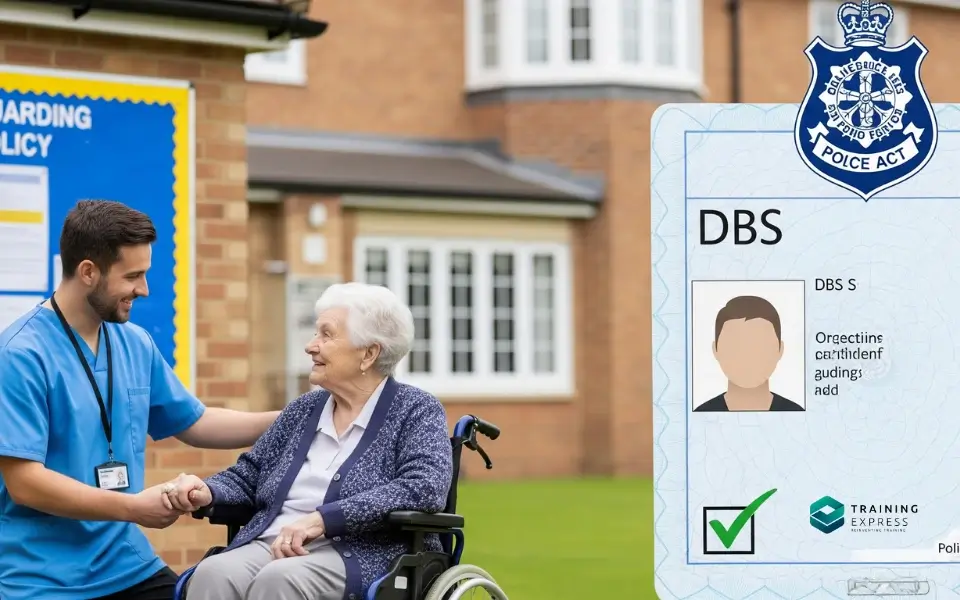
Before potential new hires are permitted to start working for an employer covered by the Act, pre-employment screening must be completed. The Disclosure and Barring Service (DBS) check is the name given to this screening and barring process.
Disclosure and Barring Service Check
If you work in one of the following industries and engage in a controlled or regulated activity involving children or vulnerable adults, you will need to apply for a Disclosure and Barring Service (DBS) check:
- Schools
- Hospitals
- Healthcare
- Social Care
- Leisure
- Hospitality
- Sports Clubs
- Charities
A Regulated Activity
An example of a regulated activity would be if an employer was required to provide personal care for a residential home resident.
- A person who is prohibited from engaging in a regulated activity for any period of time is guilty of a crime that has a maximum sentence of five years in jail.
- Employers who hire someone without first verifying if they are forbidden are breaking the law.
- Employers who hire someone knowing they are prohibited are breaking the law.
A Controlled Activity
For instance, working as a cleaner for an employer in a hospital is a restricted activity.
The activity can be classified as either frequent (occurring once a month or more) or intensive (occurring three or more days within a 30-day period).
- Employers who hire someone without first verifying if they are forbidden are breaking the law.
An employer may, however, let someone who is prohibited from engaging in a restricted activity if they have ensured that adequate precautions are in place.
The Care Act 2014
In order to enhance an individual’s autonomy and well-being, the Care Act 2014 was implemented in 2015.
The local government has an obligation to make sure that everyone’s well-being is the primary focus of whatever it does. Every time they provide care and support to an individual, providers have an obligation to promote wellness.
- It demonstrates how local governments can conduct needs assessments to guarantee that people have a higher standard of living.
- It enables the local government to decide who needs assistance and what kind of assistance they require.
- It demonstrates how the local government can find carers in their community who may require assistance to keep providing care.
- Additionally, local authorities can determine whether the individual qualifies for financing for the care and support they get.
- In order to protect vulnerable persons, it urged carers to adopt a person-centred approach. This indicates that we prioritise the care recipient and their family.
The Care Act of 2014 is based on six concepts, as was discussed in the introduction module. The vulnerable person and any designated person can participate in decision-making that will be in their best interest if we adhere to the six principles.

Let’s review the six principles and their definitions:
- Empowerment: is the process by which people are given the confidence and assistance to make their own decisions and provide their permission on things pertaining to their care.
- Prevention: Make an effort to take action before harm is caused.
- Proportionality is the process of addressing a safeguarding concern in the least invasive manner while taking the needs of the individual into consideration.
- Protection: Taking prompt action to address concerns and remove the person from the situation in order to support and represent those who are most in need.
- Partnership: Local solutions, collaborating with local services. This aids in the prevention, identification, and reporting of possible abuse and neglect.
- Accountability: To be held responsible for something that falls within their purview in terms of safety procedures.
These guidelines serve to highlight the idea that all people are human beings with needs and wants, regardless of their circumstances.
The Mental Capacity Act 2005 (England and Wales)
The purpose of the Mental Capacity Act of 2005 was to assess an individual’s ability to make decisions for oneself. A person must be safeguarded if it is determined that they are incapable of making decisions for themselves regarding matters like their health, welfare, and finances. This implies that any decision or action done on that person’s behalf must be in that person’s best interests. It is applicable to all those who assist in the care and support of an individual who is older than sixteen.

Five Key Principles of The Mental Capacity Act
There are five key principles to The Mental Capacity Act, these are:
A Presumption of Capacity: Until it is demonstrated that they lack capacity, everyone is free to make their own decisions. It is crucial to avoid passing judgement on others.
Supporting the individual in making their own decision: It is important to provide encouragement and support so that an individual can make their own choices.
Poor choices: Everyone has their own values, opinions, and tastes that may differ from others’.
Best Interests: Everything done for someone else has to be done with their best interests in mind.
Less restrictive option: Anyone acting on behalf of someone who is incapable of acting must determine whether acting at all is necessary.
There are two stages to the test.
Stage 1
Does someone have an issue with their brain’s functioning?
If yes, is the person’s cognitive impairment significant enough to keep him from making the necessary decisions?
A lack of mental ability may result from:
- Stroke or brain injury
- Dementia
- Psychosis
- Drug misuse
The individual must demonstrate that the brain impairment or disturbance is sufficient to keep him from making a decision at that moment in the second test if the first step of the capacity evaluation is completed.
Stage 2
This evaluation is functional in nature, concentrating on the decision-making process.
The following criteria must be met for someone to be considered incapable of making a decision:
- Recognise the data that is pertinent to the choice.
- Keep the data available long enough for them to decide.
- Utilise the facts when you’re making a decision.
- Be able to express their choice (either verbally, through sign language, or in another manner).
The assessment needs to be documented after it is finished.
The Mental Capacity Act 2006 (Northern Ireland)
In the United Kingdom, mental health laws have always been distinct from other types of laws. But like the Mental Capacity Act of 2005, it evaluates an individual’s ability to make their own decisions.

A person must be safeguarded if it is determined that they are incapable of making decisions for themselves regarding matters like their health, welfare, and finances. This implies that any decision or action done for or on behalf of that individual must be in the best interests of that individual.
It is applicable to all those who assist in the care and support of an individual who is older than sixteen.
The same two-step evaluation procedure is used to ascertain an individual’s capacity.
The assessment needs to be documented after it is finished.
Adults with Incapacity Act 2000 (Scotland)
One of the first social laws enacted by the Scottish Parliament was the Adults with Incapacity Act 2000.
It evaluates an individual’s ability to make decisions for oneself, much as the Mental Capacity Act 2005 (England and Wales) and the Mental Capacity Act 2006 (Northern Ireland).
A person must be safeguarded if it is determined that they are incapable of making decisions for themselves regarding matters like their health, welfare, and finances. This implies that any decision or action done on that person’s behalf must be in that person’s best interests.
It is applicable to all those who assist in the care and support of an individual who is older than sixteen.

Safeguarding Adults Board (Sab)
The Care Act 2014 specifies that there are three main members, these being:
- The Local Authority
- The Police (Specifically the Chief Officer)
- Clinical Commissioning Groups (NHS)
The Role and Duties of The Safeguarding Adults Board
A SAB’s primary objective is to assist and protect persons in its jurisdiction who require care and support. It accomplishes this through:
- Verifying that local safeguarding measures, as outlined in The Care Act of 2014, are implemented
- Making certain that safeguarding procedures are person-centred
- Collaborating with other organisations to stop abuse and neglect whenever feasible
- Ensuring that when abuse or neglect occurs, agencies and all parties involved react appropriately
- Making sure that the quality of life for individuals in the area is consistently improved by safeguarding practices
The 3 Core Duties of the SAB
The SAB’s three core responsibilities are as follows in order to do this:
Create and publish a strategy outlining how all parties will contribute to meeting the needs of those who are vulnerable.
provide an annual report detailing the effectiveness of their activities.
If a situation fits the requirements for a Safeguarding Adults Review (SAR), commission one.
Governance, Accountability and Infrastructure

The SABs will need to co-operate and work with member agencies.
The SAB must agree on its governance, structure, and terms of reference in order to do this. These could include:
- The main objective
- Plans for how often and how long meetings will take
- Resource base: whether in the form of cash contributions or the provision of personnel, products, and services, as well as the agencies or organisations that do so
- Administrative assistance and support procedures
- Procedures for making decisions
- Management and sharing of information between partners
- Escalation policy
- Arrangements for the involvement of groups and communities that are not members
- Plans to get independent legal counsel for the SAB and its chair
- A confidentiality statement and a rule of behaviour for members
- Function for participants
- Ensuring that a designated adult safeguarding manager is in place at each participating agency
- Mechanisms that allow caretakers and those with care and support needs to actively participate in the work of the SAB
- Review procedures
Boards and Partners
Some of the link boards and partners the SAB will work with are:
- local safeguarding children boards (LSCBs)
- community safety partnerships (CSPs)
- health and wellbeing boards (HWBs)
- quality surveillance groups (QSGs)
- domestic abuse forums.
Conclusion
Safeguarding is more than a checklist—it’s a legal and ethical responsibility that demands awareness, cooperation, and accountability at every level. From screening those who work with vulnerable individuals to empowering people to make decisions about their own lives, UK legislation forms a robust framework for prevention, protection, and justice.
Each law covered in this article—from the Safeguarding Vulnerable Groups Act to the various Mental Capacity Acts and the role of Safeguarding Adults Boards—adds a vital layer of oversight and clarity to how we identify risk, assess capacity, and intervene appropriately. Together, they reflect a nationwide commitment: to recognise vulnerability not as a weakness, but as a signal that support, respect, and legal protections must be in place.
Whether you’re an employer, care provider, or concerned citizen, understanding these legal foundations isn’t optional—it’s essential. Staying informed helps ensure that safeguarding is not just a duty fulfilled, but a standard upheld with dignity, integrity, and due process.
Frequently Asked Questions
What does safeguarding mean in health and social care?
Safeguarding refers to the actions taken to promote the welfare of vulnerable adults and children and protect them from harm, abuse, and neglect.
Who is considered a vulnerable adult or child under UK safeguarding laws?
A vulnerable adult is anyone aged 18 or over who needs care or support and is at risk of harm or exploitation. A child is anyone under 18 and considered vulnerable by default.
What are the main legal frameworks that govern safeguarding in the UK?
Key laws include the Children Act 1989 and 2004, the Care Act 2014, the Safeguarding Vulnerable Groups Act 2006, and the Working Together to Safeguard Children guidance.
What is the role of the Care Act 2014 in adult safeguarding?
The Care Act 2014 places a legal duty on local authorities to protect adults at risk, conduct safeguarding enquiries, and ensure proper care and support is provided.
What is the purpose of the Children Act 2004?
The Children Act 2004 reinforces the need for inter-agency cooperation and established Local Safeguarding Children Boards (LSCBs) to oversee child protection.
What is the role of the Disclosure and Barring Service (DBS)?
The DBS helps employers make safer recruitment decisions by checking criminal records and maintaining a list of individuals barred from working with children or vulnerable adults.
What are the responsibilities of professionals in safeguarding?
Professionals must recognise signs of abuse, report concerns, follow organisational policies, share relevant information, and work collaboratively to protect individuals at risk.
Related Blogs



- Available Courses
- Animal care10
- Design36
- Training10
- Accounting & Finance Primary52
- Teaching & Academics Primary37
- Teaching23
- Quality Licence Scheme Endorsed181
- Law10
- IT & Software238
- Job Ready Programme52
- Charity & Non-Profit Courses28
- HR & Leadership4
- Administration & Office Skills6
- Mandatory Training36
- Regulated Courses4
- AI & Data Literacy29
- Health and Social Care291
- Personal Development1666
- Food Hygiene119
- Safeguarding81
- Employability288
- First Aid73
- Business Skills301
- Management426
- Child Psychology41
- Health and Safety538
- Hospitality28
- Electronics30
- Construction63
- Career Bundles201
- Marketing39
- Healthcare174