BLOG 9 minutes read

PUWER regulations: Everything You Need to Know

Did you know that there were 65,427 specified injuries to employees reported in 2019-20? According to an estimate by the Labour Force Survey, there were 168,000 self-reported injuries in the workplace for not following the PUWER regulations, causing an absence from work of over seven days. And approximately 36% of the fatal injuries happen at construction work, among which 11% …

Bruce Watson October 25, 2023
PUWER regulations Everything you need to know

Did you know that there were 65,427 specified injuries to employees reported in 2019-20? According to an estimate by the Labour Force Survey, there were 168,000 self-reported injuries in the workplace for not following the PUWER regulations, causing an absence from work of over seven days. And approximately 36% of the fatal injuries happen at construction work, among which 11% are caused by machinery.

These injuries occur as a result of:

  • Breaching PUWER regulations relating to the dangerous parts of machinery
  • And not having adequate risk assessments in place.

Table of Contents

What is PUWER?

PUWER is an abbreviation for Provision and Use of Work Equipment regulations that were first published in 1992. The primary aim of the regulations was to keep people safe in the workplace by preventing injuries, accidents and fatalities regarding the operation of machinery and equipment used in certain working environments. However, the regulations were later amended in the Provision and Use of Work Equipment Regulations 1998. The primary change was in the:

  • Coverage of mobile equipment
  • Woodworking equipment
  • Power presses allowing the repeal of the 1965 Power Press Regulations. These also incorporated some other regulations, including those on woodworking machinery.

What is the purpose of PUWER?

The primary purpose of the PUWER rules is to ensure the safety of anyone using and working with equipment and machinery. PUWER also aims to make certain that equipment and machinery are:

  • Only used by those who have completed the necessary training.
  • Regularly inspected by an experienced worker.
  • Maintained frequently to ensure maximum safety at all times.

The PUWER regulation aims to ensure the safety of people as well as companies operating, maintaining and having control over their equipment and machinery used in their workplaces. This regulation holds responsibility on organisations and businesses’ employees who use work equipment, whether it is owned by them or not.

The businesses and people working under the company must know these regulations. It will help increase their awareness of any health and safety issues.

Which equipment do the PUWER regulations cover?

PUWER applies to any apparatus used in the workplace that could endanger people’s health and safety. It relates to portable and stationary equipment, including anything from handheld power tools to air conditioners and computers.
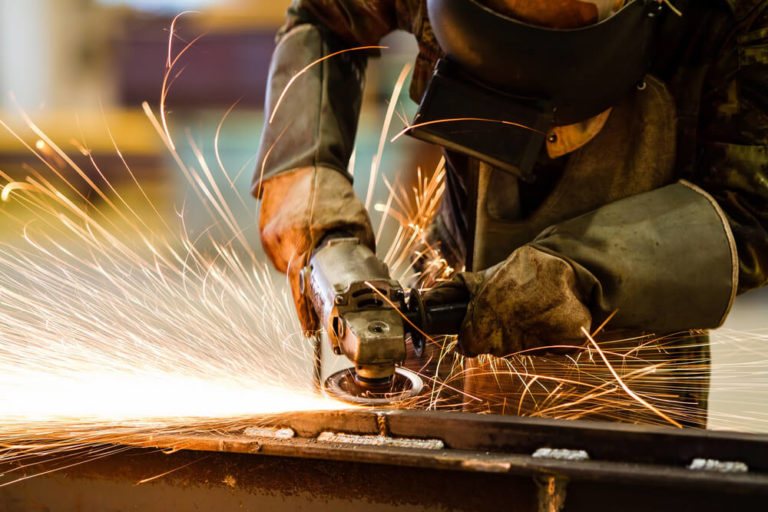
A man cutting a metal

As the definition of PUWER is quite broad, it can be difficult to enlist all the equipment PUWER refers to specifically. However, the PUWER regulations will apply to:

1. All work equipment, whether it’s new or not.

2. Every piece of equipment, whether your workplace owns or hire it.

3. Equipment covered by other regulations, e.g., Lifting Operation and Lifting Equipment Regulations 1998 (LOLER), Supply of Machinery (Safety) Regulations 2008.

4. Any type of machinery, appliance, apparatus or tool for use at work.

5. Equipment that employees bring to work for their own use.

6. Any technology-based machines. For example, machines that have processes like:

  • Starting
  • Stopping
  • Programming
  • Setting
  • Transporting
  • Repairing
  • Modifying
  • Maintaining
  • Servicing
  • And cleaning.

7. Toolbox tools such as; hammers, handsaws, drill, angle grinder etc.

What are the key requirements of PUWER?

Anyone who owns, maintains or controls work equipment falls under the PUWER regulations. To ensure overall safety, they require workplaces to install, operate, inspect, and maintain equipment adequately.

The regulation extends to a wide range of facilities and workplaces. For instance: a factory, construction site, office,  care setting, or in a shop. And no matter where your work equipment came from, the person in your workplace who delivers it must ensure that the equipment:

  • Meets health and safety requirements
  • Is adequate and safe before the first time use and during the operation.
  • Is maintained in a safe condition for further use.
  • And is inspected regularly to ensure that it continues to function safely throughout the entire operation.

The regulations also require you to provide equipment that meets the standards of PUWER. So, you have to:

  • Take appropriate safety measures. For example, you should provide your employees or workers with:
    • Suitable training
    • Warning devices
    • System control devices
    • Personal protective equipment (PPE).
  • Follow safe systems of work, e.g., perform maintenance checks only after segregating the machine properly.

Apart from the said measures, the operators must know how to use the equipment safely. They should also have the necessary training if required.

However, depending on the requirements of work and your assessment of the risks involved, a combination of these measures may be necessary.

Who does PUWER apply to?

The PUWER regulations doesn’t apply only to large businesses and corporations. They apply to anyone who uses or regulates work equipment. Whether you work for a big well-known company or are self-employed, PUWER will apply. The regulations are intended for:

  • Employees
  • Employers
  • Contractors
  • Traders and
  • Anybody who could have access to the working equipment and machinery.

All these people have legal responsibilities to follow the PUWER regulations. The regulations apply to all UK work operations, including everything from construction sites, farm and factories to offshore sites such as oil rigs.
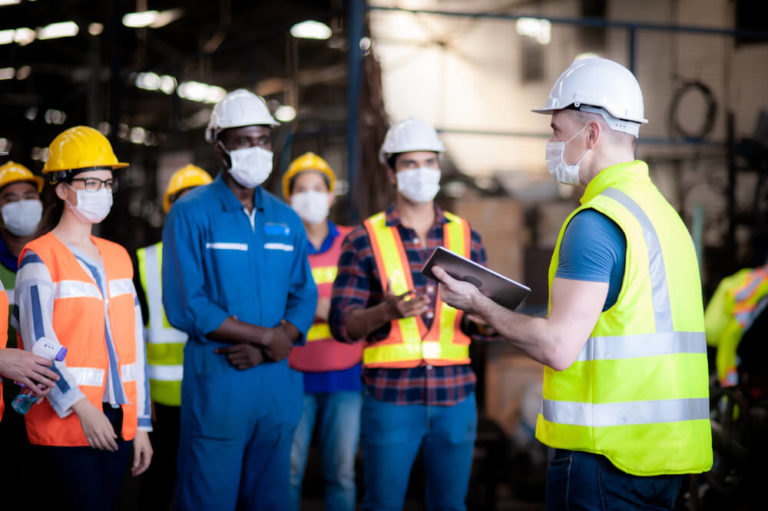
A trainer briefing his trainees

PUWER regulations will apply to you if you:

1. Are an employee or self-employed person and provide equipment to use at work.

2. Have control over the use of equipment.

3. Supervise the use of the equipment.

4. Use equipment whilst working from home.

PUWER regulations won’t apply to you if you:

1. Are a seller of the equipment.

2. Use the equipment in the public domain, e.g., compressed air equipment in Petrol Stations. Because the safety guidelines for publicly used equipment come under the Health and Safety at Work etc Act 1974.

The PUWER regulations do not refer to equipment used by the public, which comes under the Health and Safety at Work Act 1974.

PUWER guidelines to employers

Safe operation of the equipment requires competence and a combination of training and experience as well. Employers need to evaluate the competence of new employees, both permanent and temporary. It’ll ensure that only qualified personnel are operating the equipment.

Furthermore, employers should also ensure that work equipment is only used by those who have the proper training to perform the work safely. However, adequate training regarding the operation of equipment may vary depending on:

  • The sophistication of the work equipment.
  • The existing level of competence of the employees.

The PUWER recommends that employers should:

1. Write down any instructions specific to a piece of work equipment.

2. Provide written instructions to each employee who will use it.

3. Detail the instructions to the employees about how they should use the equipment. It’ll help the employees avoid any potential safety issues during the operation.

4. Include guidance, safety information and instructions on how to solve specific problems.

5. Ensure that the employees inform their supervisors about any safety issues during the everyday use of the equipment. They should also add them to the written instructions.

6. Make sure that all personnel working on the site are aware of the risks and their responsibilities.

PUWER inspection

The action that ensures the implementation of PUWER is proper inspections. They are necessary for checking whether the equipment operates safely or not. The inspection will also allow the responsible personnel to identify and address:

  • Any deterioration
  • Defects
  • Damage
  • General wear and tear.

A man looking at a list

However, the frequency of PUWER inspections depends on the risk assessment. Because the equipment and machinery that pose risks need regular formal inspections.

In general, PUWER requires the following inspections:

1. Work equipment must undergo an inspection when it is first installed. A competent person should conduct a formal inspection to ensure whether the equipment:

  • Has been installed properly
  • Will operate safely.

2. Whenever equipment is relocated, re-inspection must be conducted.

3. Operators should perform a quick pre-use inspection for any obvious signs of damage.

4. Weekly and monthly inspections of the frequently used equipment exposed to deterioration condition over time.

5. Checking whether the workers are using the equipment following the manufacturer’s instruction.

6. Reporting any modification and significant changes to the usage of the equipment. 

A PUWER inspection will ensure that every working equipment is safe to operate. If there is any degradation in the equipment, it should be identified and resolved before it becomes a serious safety threat.

The PUWER Regulations also require you to keep records of your inspections. This is important not only for ensuring compliance. It’ll also help you evaluate the results of past inspections. An inspection schedule will provide you with an overview of the condition of your equipment. It will allow you to identify common problems that may affect future inspections.

Conclusion

If you want to ensure workplace safety, you’ve to conduct a thorough PUWER inspection. Because PUWER is a legal obligation, and it exists to protect people. However, PUWER is not restricted to the production or working environment only. It applies to schools, universities, hospitals, hotels, places of entertainment, and so on.

Health & Safety in Different Work Setting
This course is a comprehensive, instructor-guided course, designed to provide a detailed understanding of the nature of the related sector and your key roles within it.
Health & Safety in Different Work Setting
This course is a comprehensive, instructor-guided course, designed to provide a detailed understanding of the nature of the related sector and your key roles within it.
★ Rated Excellent on Trustpilot

Trusted By Thousands Of Learners

Accredited online training helping learners across the UK build skills and grow their careers.

“Training express is a good training site, good value for money, clear instructions and easy to use ”

DH
Mrs Debra Hawkins
Verified Learner

“I have recently completed my Level 3 Diploma in Health and Social Care. I would like to provide feedback on the course and assessments. Overall, I found the course informative and relevant to my studies and future career in health and social care. ”

TK
Tarannum Khan
Verified Learner

“It was ever so helpful to inform me of my errors and consequently allowed me to know which topics and subjects i need to focus more on”

EO
Eseovwe Osaro
Verified Learner

“It Gave me the opportunity to get a sports director position with the sports medicine course I achieved and passed. ”

DJR
Dylan Jordan Rensburg
Verified Learner

“The course is good and it gives you an insight in to responsibilities for both employers and employees. I have booked two more courses with the training company. Thank You ”

HNA
Hummera Nazir Ahmed
Verified Learner

“I had a very positive experience completing my level 7 diploma in Health and Social care with Training Express.The content was well structured and informative. The learning materials were easy to follow and flexibility to study at my own pace. ”

GOJ
Gopil O J
Verified Learner

“At training express I found a customer service team ready to listen and help me through the various stages of my learning. I enjoyed the course, to such the degree that I have subsequently decided to purchase the Lifetime Learning membership. It made more sense to me to spend a tiny bit more now to grant myself access forever to certificates that I may need in future in my work life ”

A
Andrea
Verified Learner

“The training course offered great value for money and was straightforward to order, with easy access provided for remote learners. We did encounter a minor issue when trying to print a certificate, but this was resolved quickly by the support team, who were both efficient and polite throughout. ”

DP
Denise Pallett
Verified Learner

“The training course offered great value for money and was straightforward to order, with easy access provided for remote learners. We did encounter a minor issue when trying to print a certificate, but this was resolved quickly by the support team, who were both efficient and polite throughout. ”

DP
Denise Pallett
Verified Learner

“I use Training express for Myself and staff training. It is well worth the money and courses are very good and in depth. They response time is quick to any queries i have. Will definitely keep using them for future training. ”

GB
GemmA Bamber
Verified Learner

“Training Express is the best experience that have happened recently to me. Their training on how to understand and take care with safety measures, fire safety, medication administration, mental health awareness and how to manage them, Conflicts Resolution, Whistle blowing, and over 2500+ more courses that I am still enjoying and I am grateful to Yvonne Lewis for directing me. ”

MI
MERCY INUSA
Verified Learner