Food Hygiene
 Health & Safety
 Safeguarding
 First Aid
 Business Skills
 Personal Development
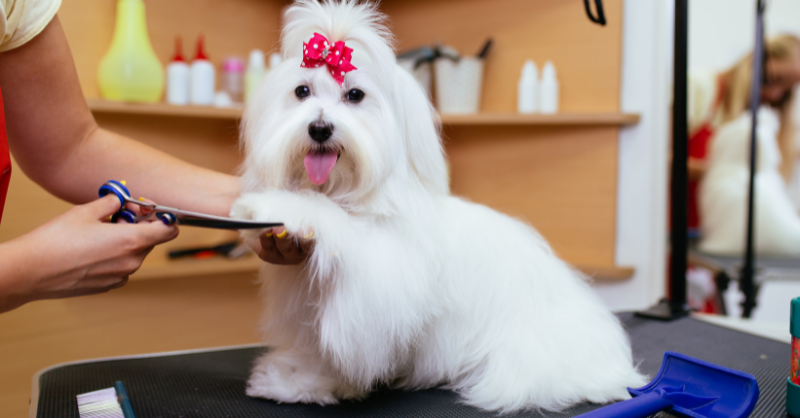

Dog grooming has a long history, dating back to the early sixteenth century when European hunters clipped the Curly Coated Retrievers coats for warmth and buoyancy. The industry has evolved over time, with the popularity of Poodle trimming spreading to other breeds.
The original dog grooming parlours, called “doggie barber shops,” were small and ineffective, with no air conditioning or pedestal stand blow dryers. Modern-day equipment and equipment emerged in the mid-1950s, making pet grooming a lucrative career.
As people brought more pets into their homes, especially smaller breeds like the Poodle, Pomeranian, Sheltie, Lhasa Apso, Shih-Tzu, and Pekingese, the demand for modern and professional services increased.
In Ireland, dog grooming parlours are now common in every town, with many hidden away garage conversions or at-home salons. As demand for quality over cost grows, skilled pet groomers in attractive parlours are sought.
As pet owners seek quality over cost, it is essential for budding groomers to explore their market and find their niche in the market. In modern Ireland, the dog grooming industry has come a long way from simply clipping soggy hair off a Curly Coated Retriever.
So what is dog grooming all about?
Those who have never entered a parlour typically picture fluffy poodles, vibrant ribbons, and painted nails when someone mentions dog grooming. When it comes to non-dog owners, the prevalent view is that dog grooming is a frivolous expense that American socialites like to tout while slipping their Chihuahua back into their handbag and wasting money on frivolous things.
Dog grooming is so much more.
Dog grooming is crucial for the welfare of the dog, as it helps prevent infections, pain, and promotes good health. Regular visits to the grooming parlour can save lives and ensure a dog’s appearance is clean and happy. A well-groomed dog attracts positive interactions from friends, family, and guests, and is more likely to be allowed on commercial premises. Regular grooming also helps keep the dog pest, dirt, and dust-free, reducing the risk of dirt and potential hazards.
The groomer can notice changes in a dog’s condition or weight, advising on the need for a vet visit. Regular grooming also keeps a dog’s coat mat-free, providing comfort and preventing infections and parasites. The comfort a dog experiences after clipping and bathing is unparalleled, and without trained groomers, the dog may remain uncomfortable or risk injury.
The growth of the dog grooming industry is also driven by the variety of dog breeds and their appearances. Many breeds require coat cutting, and the popularity of showing dogs for competition continues to grow. Groomers often specialise in their favourite breed, providing a niche for businesses in the local area.
Equipment and Techniques
To help you do your job successfully, grooming equipment comes in a wide variety of makes and models. The saying goes, “A bad workman always blames his tools,” but in our opinion, “You need the right tools to do a good job.” Even if all you are getting for your pet is a brush and comb, resist the urge to get the cheapest item. When you purchase high-quality products, they will last you a long time and deliver the desired outcomes when used properly.
BRUSHES
A slicker brush is the most useful tool for all coat types except smooth coats, but overuse can cause slicker burn or brush burn. To avoid this, hold the brush lightly and brush from the bottom layers outwards, especially for coat types Dc1, Dc2, and Wo.
For long coats like Lhasa Apso and Old English Sheepdog, use a pin or bristle brush, which are softer but require practice. For smooth-coated breeds, a rubber brush or glove is an excellent tool for removing dead undercoat and creating a shiny coat.
COMBS
Medium-length combs with medium-width teeth at one end and finer teeth at the other make effective all-purpose combs. Except for smooth coats, this comb works well with all coat kinds.
Very little combing is necessary for smooth coats, while a fine tooth comb can be helpful in removing extremely fine dead hairs. In dogs with longer coats, such as Bearded Collies (Pa-Dc2) or Afghan Hounds (Ho-Si), you could discover that a longer, wider tooth comb works better to reach the coat’s bottom.
Prior to using the comb, always make sure you have brushed the dog’s coat completely because the comb will pull tangles and make the animal uncomfortable.
Consider brushing your own brushes to get rid of tangles and then combing through to make sure your hair is totally free of knots.
DEMATTING TOOLS
The ‘Mikki Mat Breaker’ is a popular dematting tool for professional groomers. It’s important to use the de-matter to break through knots, not to rip them out. In severe matted coats, brush open the mats, ease the de-matter through, and brush again. Care around the ears and use a clipper for tight mats to avoid injury.
COAT KINGS
In the market, Coat Kings are a relatively new product. These gadgets are showing to be a priceless addition to the equipment kit for professional dog owners and groomers. They have interchangeable blades that range in size from six to thirty-three. Both tiny and large blades are available.
The Dc1 group’s breeds with broader teeth can use them to thin out their coats; medium-sized teeth work best on silky coats that have turned puffy; and narrow-toothed tools work best on wire coats, making hand-stripping easier. But be careful not to use this instrument too much as you can remove too much coat.
STRIPPING EQUIPMENT
Hand-stripping is a technique for maintaining the correct texture and color of wire coats and silky coats, particularly in breeds like Airedale Terrier, Giant Schnauzer, and Irish Setter. Finger and thumb stripping is the best method, with various knives available.
Other products that are required for stripping a coat are:
- Use powder or chalk to improve your hold on the coat.
- stones that are used to help remove the dead undercoat by scraping it out, also known as carding.
- Finger covers made of rubber that also aid in grabbing onto the coat. You can also use a pair of rubber house gloves; just clip off the fingers!
Hand-stripping involves keeping skin tight for comfort and removing dead topcoat and undercoat, while assessing the coat to determine necessary hair removal.
CLIPPERS
You can get a wide variety of clipper models and makes based on your individual needs. The majority of expert groomers will select a clipper that has several interchangeable blades.
There are several cordless clippers available in addition to single, two, and variable speed clippers. Feeling the weight and comfort of a clipper in your hand is crucial when selecting one; what works for one person might not work for another. There are clippers with blades that have different depths for the pet market.
Recommended maintenance of clippers
To maintain your clipper:
- Regularly brush the stray hair away from the moving pieces; if you are working on a very thick coat, you may need to do this while you are trimming.
- Professional servicing, depending on use and general care, should be performed every six months to a year.
- It is not advisable to wind the flex around the clipper as this can cause failure and fractures.
- Clippers must never be dropped and must never be kept in a wet area for storage.
Using clippers
To use a clipper, practice manoeuvring your wrist and arm in various angles, especially when clipping delicate areas like ears and groin. Keep your thumb on top to reduce wrist strain and balance the weight. Allow the clipper to do its work without force, avoiding damage to the blade or skin.
Clip the body coat down the spine and overlap edges to avoid bumps or ridges. Be aware of the natural seam at the base of ears and around the neck, and clip in sweeping lines around the rib area. Reverse the blade during head trimming.
BLADES
Blades are essential for professional groomers to clip various breeds and styles. They come in various sizes and can be interchanged between clippers, but it’s best to buy matching clippers and blades for optimal performance. Blades should be kept clean, sharp, and oiled to achieve the best finish on a coat. They should be free of hair and kept clean and lubricated.
Blades can be oiled with drop oil or a modern complete care product, and should be washed regularly to prevent pitting or corrosion. Blades with broken teeth should never be used, and sharpening and tensioning should be done by a professional. Blades should not be taken apart or self-sharpen, and should be stored in a waterproof caddy to prevent rusting. During clipping, blade temperature should be monitored to prevent clipper rash, which can cause irritation and soreness in the dog’s skin.
COMB ATTACHMENTS
These plastic snap-on combs extend the cutting length of a fine blade by clipping over it. They can be helpful for fast styling and are available in a variety of sizes. Even so, many professional groomers find scissors or thinners helpful, as the overall finish is superior. When applied to freshly cleaned, blow-dried coats, they work better.
SCISSORS
Grooming scissors come in various sizes, shapes, and prices, with straight, curved, and thinning types being the main types. The size and make of scissors depend on the user’s hand, and it’s essential to choose the best pair for your needs. Start with an all-around pair, which can cost around £30-40, and gradually build your collection to suit different scissoring needs. The metal and cutting-edge of scissors determine their suitability for thick coats or finer finishing work. Always seek advice before purchasing scissors, and ensure they are cared for and stored correctly. Professional sharpening and servicing are essential for top-quality scissors, and oiling and cleaning are essential for maximum performance. Professional scissors are extremely sharp.
Using scissors
To get the desired smooth, even finish with scissors, control and flexibility are essential. It takes practice to balance and hold the scissors in your hand, but practice is necessary! Practise gripping the scissors in this manner:
- Place the end of the third finger into the fang hole after balancing them over your hand.
- Place the small fangs on the fang rest while the middle and index fangs are balanced on the shank. This is where the scissors should be sitting—steady and balanced.
- Put the thumb’s tip within the other fang hole. Although it does not hold the scissors, the thumb controls them.
- Practice using your thumb alone to control the blades.
Scissor exercises
Groomers need to practise using scissors effectively to ensure a straight line. Practice holding your arm by your side, keeping your shoulder level, and keeping the scissors parallel to the floor. Focus on trimming around different shapes and keeping the scissors level. Balance from feet upwards and twist and bend your body to see the correct trimming line. Practice makes perfect, as scissoring is an art form that takes time to achieve.
NAIL CLIPPERS
Nail clippers essentially come in two varieties: guillotine and scissors/pliers. The decision is totally up to you.
The clippers are available in several sizes to accommodate different nail shapes, so you might need more than one pair if you plan to work as a professional groomer. When you see a nail that has twisted completely around (a corkscrew nail) and cannot be cut with a guillotine or blunt pliers, you will know this.
Here, a point-ended nail clipper will be required, but extreme caution must be used to prevent injury to the pad. The most crucial thing is to use nail clippers correctly, no matter what kind you choose.
EAR CARE
Ear care is a crucial step in the grooming process, regardless of whether you are a professional groomer or a pet owner. To extract any hair that is growing in the ear canal, you will need to use your thumb and finger along with blunt-ended tweezers or artery forceps. Powders can be used to the hair to help gain a stronger hold, but they should not be used too often as they can clog the ears.
TOOLBOX
Keeping all of your tools and equipment in one place will help with organisation and accessibility. You can utilise a specially designed toolbox or, for a less expensive choice, check out your neighbourhood do-it-yourself store. In the salon, grooming carts could also be helpful
RESTRAINTS
Having control over a dog is crucial in various situations, including pet grooming. Restraint methods include neck collars, belly straps, and muzzles. Building a confident relationship with the dog is essential. Consider the dog’s temperament, age, and health condition. Professional groomers use nylon restraints due to their durability and respect for the dog. Halti restraints are less useful for solo work.
GROOMING TABLES AND WORK STOOLS
Choosing a grooming table is a most important point to consider. What do you need from it? There are basically three types of table:
- Electric
- Hydraulic
- Static
For personal grooming, static tables are cost-effective, while adjustable height tables are ideal for professional groomers. Stable, non-slip surfaces and holding frames are essential. Grooming stools can alleviate pressure on the back and legs, making them a valuable addition to any grooming routine.
OILING EQUIPMENT
Every kind of equipment needs to be maintained clean and oiled or greased in accordance with the manufacturer’s instructions. Rusting in a salon setting can be a major problem. A dehumidifier may prolong the life of equipment and is a wise investment.
STERILISATION
Sterilisation using ultraviolet light (UV) is by far the best technique. Sterilising everything after a dog is a good idea, especially if the groomer has any cause to believe that the animal may be carrying a contagious disease. Every working day should end with the sterilisation of all direct-contact equipment, including forceps, combs, brushes, and other items. When using spray-on sterilisation fluid, the equipment needs to be well dried before being oiled to stop rusting.
FINISHING TOUCHES
As a final touch to their well-groomed dog, many pet owners or professional groomers might choose to add ribbons or scents. There are lots of accessories that are easily purchased. All you could need is a customized collar and lead, or in more dire circumstances, bandanas, t-shirts, or tiaras. Try to keep in mind that the dog is a dog and not a doll for dressing up, no matter what finishing touches you decide to add.
Keep Your Dog Healthy and Clean
Bathing Your Dog
The ASPCA advises giving your dog a bath at least once every three months, but if your dog has skin issues or spends a lot of time outside, you may need to give them more frequent baths. To assist you in getting started, here are some instructions.
- After thoroughly combing your pet to get rid of any dead hair or mats, place him or her in a washbasin or tub that has been filled with three to four inches of warm water.
- Next, thoroughly wet your pet with a spray hose, big plastic pitcher, or unbreakable cup.
- Make sure not to squirt or spill water in his nose, eyes, or ears.
- Working your way down to the tail, gently massage in the shampoo. Rinse, then repeat as necessary.
- Give your pet a thorough rubdown with a large towel after drying him or her completely. And voilà, your pet is clean!
Dogs like Shar Peis and Pugs that have loose facial skin or wrinkles may require extra care. Wipe the creases with moist cotton to avoid dirt and bacteria causing irritation and illness. The spaces between the folds should always be completely dry.
Bathing a Puppy
For some dogs, taking a bath is the ideal opportunity to act silly! Particularly young puppies have a tendency to nip during bath time and will wiggle and bounce all over the place. If your pet behaves like this, give her a floating toy to play with in the tub so she won’t be distracted from biting you.
Choosing a Shampoo
It’s preferable to use a shampoo designed for pets. Although some human shampoos contain perfumes or other ingredients that may irritate your pet’s skin, human shampoos are not hazardous to animals.
Choose a product that is especially made for the kind of animal you have because some ingredients might not be safe for other kinds of pets. To ensure that the shampoo you choose will suit your pet’s needs, it is always a good idea to consult with your pet’s veterinarian.
Protecting Your Dog’s Eyes and Ears During Bath Time
Ask your veterinarian for a sterile eye lubricant to use when bathing to help shield your pet’s eyes from shampoo, as soaps and shampoos can cause serious irritation. To regulate the water flow while rinsing, you can either use a sprayer or a showerhead with a long hose.
Instead of bathing your pet’s head, use a moist washcloth to gently wipe away any dirt or debris from their face.
Put a big cotton ball in each ear of your pet until the bath is over to protect their ears as well.
Brushing Your Dog
By removing debris, distributing natural oils throughout your pet’s coat, minimising tangles, and maintaining clean, irritant-free skin, routine brushing or combing will help keep their hair in good shape. In addition, checking for fleas and flea dirt—those little black dots that suggest your pet is harbouring a flea family—is a fantastic idea during grooming time.
The sort of coat your pet has will determine how and how often you brush them.
Smooth, Short Coats
Brushing should only be done once a week if your dog has a short, smooth coat, like that of a Chihuahua, Boxer, or Basset Hound. To remove dead hair, use a bristle brush after using a rubber brush to remove debris and dead skin. Your low-maintenance dog will look amazing after being polished with a chamois cloth!
Short, Dense Fur
Brushing your dog once a week is fine if it has short, dense fur that is prone to matting, like a retriever. Make use of a bristle brush to collect dead hair and a slicker brush to eliminate tangles. Remember to comb her tail!
Long, Silky Coats
Your dog will require daily care if she has a long, rich coat like a Yorkshire terrier. You’ll need to use a slicker brush to remove tangles every day. Next, use a bristle brush to brush her coat. In addition to following the above instructions, be sure to comb through the fur and clip the hair around the feet if your dog has a long coat, such as that of a collie or an Afghan hound.
Long Hair That’s Frequently Matted
Establishing a daily grooming regimen is a smart idea for dogs with long hair in order to avoid matting and eliminate tangles. Use a slicker brush to gently loosen any tangles, and then brush your pet with a bristle brush. You might try cutting the hair, being careful not to cut into the skin, if the matting is quite dense.
Shedding
Dogs naturally lose old or damaged hair, although the quantity and frequency of hair loss frequently varies depending on the dog’s breed, condition, and season. In the winter, many dogs grow thick coats, which they then shed in the spring. On the other hand, dogs that live indoors all the time are more likely to have less variation in the thickness of their coat and to shed almost year-round.
Skin Problems
Maintaining your dog’s skin in good condition is crucial since it speaks volumes about her general health. Your dog may react to a skin issue by licking, gnawing, or scratching excessively. Numerous factors could be at play, such as external parasites, infections, allergies, metabolic issues, stress, and/or any combination of these.
Odour
To prevent odour-causing bacteria in pets, check their ears and teeth, and keep them clean by bathing regularly. Pet perfumes are generally safe, but may cause skin irritation or nasal allergies in dogs with allergies. If grooming fails, consult a veterinarian to identify underlying causes or infections.
Other Skin Problems
- Scratching, licking or chewing at skin
- Scabs
- Redness or inflammation
- Hot spots (one particular area where itching is intense)
- Round, scaly patches on the face and paws
- Dry, flaky or otherwise irritated skin
- Hair loss, bald patches
- Rashes
- Lesions
- Drainage of blood or pus
- Swellings, lumps or skin discolouration
- Rubbing face against furniture or carpeting
Causes of Skin Problems
One of the following may be causing an abnormality with your dog’s skin and should be investigated by a veterinarian.
Fleas: These bothersome insects can irritate your dog’s skin with bites and droppings, and some canines may become allergic to the saliva that comes after a bite. Additionally, certain dogs might be allergic to flea-treatment items; for instance, some flea collars could irritate and produce redness around the neck.
Ringworm: Hair loss, scaly patches, and inflammation can all be symptoms of this extremely contagious fungal illness. In order to prevent infection in other household members and pets, you should treat it right away.
Seasonal or food allergies: Your dog may be itching because she is allergic to everyday things like dust, weeds, pollen, mites, trees, mould, or grasses. Like people, a lot of dogs experience dry, flaky skin throughout the winter.
Common substances found in dog food, such as wheat, corn, soy, chicken, and beef, can cause allergies in many dogs. Your dog’s immune system may perceive fillers and colorings as alien substances, which could cause itching and rashes.
Skin infections: When another skin condition causes damage to the skin, dogs may get bothersome bacterial or yeast infections.
Sarcoptic mange: This skin condition, which is brought on by a Sarcoptes scabei mite infection, causes excruciating itching and inflammation of the skin that resembles an allergic reaction.
Grooming products: There are shampoos and grooming items that can cause skin irritation in your dog. Make sure you are only using dog-specific grooming products.
Stress or boredom: For a variety of causes, a dog may lick her skin excessively, especially on her legs. When provided with insufficient opportunities for mental or physical stimulation, some lick.
Metabolic or hormonal problems: A number of prevalent hormonal issues can result in variations in the colour, consistency, thickness, and distribution of the skin coat.
Knowing When to See the Vet
As soon as you see anything unusual in your pet’s skin or hair, or if they start to bite, lick, or scratch sections of their fur excessively, you should make an appointment for an examination with your veterinarian.
Your veterinarian may do diagnostic tests, such as a skin biopsy, ringworm test, microscopic examination of the hair and skin for the presence of parasites or infection, and blood tests to evaluate your dog’s general health, in order to determine the reason of your dog’s symptoms.
Dental Care
Regular brushing, a healthy diet, and chew toys can help keep your dog’s mouth healthy. Bacteria and plaque build up on teeth, leading to tartar, gingivitis, receding gums, and tooth loss. Regular home checks and brushing are recommended.
To brush your pet’s teeth, gently massage their lips with your finger for 30-60 seconds daily for a few weeks. Introduce dog-formulated toothpaste and a specially designed toothbrush.
Clean in small circular motions, working on one area at a time. If your pet resists, don’t fight it; only a small amount of tartar accumulates there. Repeat the brushing two or three times a week after adjusting the technique.
Choosing Toothpaste
Human toothpaste might aggravate a dog’s stomach, so avoid using it on them. Rather, ask your veterinarian to recommend toothpaste designed specifically for dogs, or mix baking soda and water to produce a paste.
Bad Breath
Bad breath in dogs can indicate mouth problems, such as halitosis or plaque, and may require professional cleaning or regular home brushings. Consistent bad breath may indicate digestive issues or gum conditions, and should be examined by a vet. If the breath is offensive, accompanied by appetite loss, vomiting, or excessive drinking, it’s recommended to take the dog to the vet.
Signs of Oral Disease
Regularly check your pet’s gums and teeth for pink, healthy gums and no swelling. A veterinary exam can identify gum inflammation. Common mouth problems like bad breath, excessive drooling, loose teeth, inflamed gums, tumors, or tongue cysts should be checked by a veterinarian.
Periodontal disease
It is an excruciating gum infection that can lead to tooth loss and inflammation throughout the body. Nasal discharge, sneezing, dental pain, loose teeth, and foul breath are all warning signs.
Gingivitis
It is an inflammation of the gums mostly brought on by bacteria that cause illness, plaque, and tartar buildup both above and below the gum line. Gums that are red, swollen, bleeding, and have poor breath are symptoms. If you get regular dental cleanings, you can reverse it.
Swollen gums
Arise from the accumulation of tartar and food particles trapped between the teeth. Tartar and gingivitis can be avoided by regularly brushing your dog’s teeth at home and by taking them to the vet for yearly cleanings.
Proliferating gum disease
Arises when the gum extends over the teeth; gum infection must be prevented by treatment. Antibiotics can be used to treat this genetic disorder that boxers and bull terriers are prone to.
Mouth tumours
Manifest as gum-related lumps. Some need to be surgically removed because they are cancerous.
Salivary cysts
Appear like big blisters packed with fluid beneath the tongue, but they can also form close to the jaw’s corners. The damaged saliva gland needs to be removed, and they need to be drained.
Canine distemper teeth
Can happen if a dog been vaccinated against distemper. Adult teeth frequently deteriorate and can seem worn down. Veterinarians should remove decaying teeth since the damage is irreversible.
Other Ways to Prevent Dental Problems
To keep your dog’s teeth healthy, give them specially formulated treats and dry food. Chew toys can also help massage gums, remove tartar, reduce stress, and prevent boredom. Vets recommend toxin-free toys like rawhide, nylon, and rubber.
Eye Care
Regular home eye exams for your pet can help detect potential health issues like tearing, cloudiness, or inflammation. Examine the eyes in a brightly lit area, checking for clear, bright pupils, equal size pupils, and a pink lining. Wipe the eyes with a damp cotton ball to keep them clean. If your pet experiences runny eyes and discharge, consult a veterinarian.
Symptoms of Eye Infection
The following indications point to a possible problem with either or both of your dog’s eyes. Pay attention to your dog’s body language as well; pawing or massaging the region around his eyes could be signs of potential issues. If your dog exhibits any of these signs, contact your veterinarian.
- Discharge and crusty gunk
- Tearing
- Red or white eyelid linings
- Tear-stained fur
- Closed eye(s)
- Cloudiness or change in eye colour
- Visible third eyelid
- Unequal pupil size
Common Eye Problems in Dogs
The following eye-related disorders are commonly seen in dogs:
- Conjunctivitis
- Dry Eye
- Epiphora
- Cherry Eye
- Glaucoma
- Ectropion
- Entropion
- Cataract
- Progressive Retinal Atrophy
Preventing Eye Problems
Long-haired breeds can suffer eye damage if their locks aren’t trimmed. Protect your dog’s eyes from soaps and topical medications before bathing or applying ointments. Drive with partially down windows and keep your dog’s head inside to avoid eye damage. Research your dog’s breed to determine if it’s predisposed to eye conditions like glaucoma or progressive retinal atrophy.
Ear Care
Frequent ear examinations should be part of your dog’s regular grooming regimen. This is particularly crucial for dogs with high levels of inner ear hair or excessive earwax production. Avoid giving your dog frequent or thorough ear cleanings that could irritate them. Additionally, never poke anything inside your dog’s ear canal as this could injure or infect it!
- Use a cotton ball or piece of gauze moistened with mineral oil, hydrogen peroxide, or a liquid ear cleaner designed specifically for this reason to clean your dog’s inner ears if they seem dirty.
- Gently fold back your pet’s ear and remove any visible earwax or debris from the underside of the ear.
- Make sure you remove the debris and wax by lifting it out of the ear instead of rubbing it in.
- Since the skin around your dog’s inner ears is sensitive, let your veterinarian show you how to clean their ears.
Recognizing an Ear Infection
Dogs are particularly prone to ear infections because their ear canals plunge downward and then horizontally from the ear hole, making it difficult for water or debris to be expelled. Regularly check your dog’s ears for swelling, discharge, odour, and other indications of infection. See your vet as soon as possible if your dog exhibits any of the symptoms listed below.
Ear scratching
- Brown, yellow or bloody discharge
- Odour in the ear
- Redness
- Swelling
- Crusted or scabby skin on the near ear flap
- Hair loss around the ear
- Wiping the ear area on the floor or furniture
- Head shaking or head tilt
- Loss of balance
- Unusual eye movements
- Walking in circles
- Hearing loss
Ear Care for Dogs Who Swim
Ear discomfort and infections can result from frequent swimming or bathing. Put cotton in your dog’s ears before giving them a bath, and make sure to completely dry their ears after participating in water sports and other activities to avoid this from happening.
Ask your veterinarian to suggest an ear drying solution specifically designed for dogs if your dog is prone to ear infections. This will assist remove any water that may have become trapped inside the ear canal. The finer pet supply stores have these ear washes, which are typically witch hazel based.
Signs of Ear Problems
Dogs with twisty, curvy inner ears are susceptible to infections due to trapped debris. Dogs with allergies and floppy ears are more susceptible. Microscopic ear mites can be detected by brown or black ear wax, so contact your veterinarian.
- Ear discharge
- Bad smells
- Redness
- Swelling
- Crusty skin
- Hair loss
Helping Fearful Dogs
Dogs may display fearful or aggressive behaviour during nail trimming, displaying signs of distress. If your dog is in this category, consult a veterinarian or professional groomer for assistance. If necessary, consult a Certified Applied Animal Behaviorist, veterinary behaviourist, or Certified Professional Dog Trainer for underlying issues.
Paw Care
Pads on pet feet provide cushioning, insulation, and protection. Regularly check for wounds, infections, or foreign objects. Remove debris like foxtails, pebbles, broken glass, and splinters. Comb and trim hair between toes to avoid painful matting and maintain a clean, healthy foot.
Using Moisturiser
Ask your veterinarian for a decent pad moisturiser and apply it as prescribed if your dog’s pads are cracked and dry. Steer clear of human hand moisturisers as they may cause harm by softening the pads. Giving your dog a paw message will help to calm them down and improve blood flow. Beginning with the pads on the underside of the paw, massage between each toe.
Treating Wounds
Dogs frequently sustain cuts or wounds from unintentionally walking on glass, trash, or other items. Less than half an inch in diameter wounds can be treated with an antibiotic solution and lightly bandaged. For treatment of deeper cuts on your paws, consult your veterinarian.
Winter and Summer Paw Care
Dogs’ paws require care based on the season, with winter causing chapping, salt and chemical irritants causing sores and blistering. To prevent these, wash paws in warm water after outdoor walks and apply Vaseline or doggie booties. In summer, avoid walking on hot pavement or sand to prevent burns and blisters. If burns occur, apply antibacterial wash and cover with bandages.
Preventing Paw Problems
Take it slow while beginning a new fitness regimen with your dog. It’s possible for paws to get sensitive, chaffed, or cracked, especially while taking your dog on his first walks or runs. When walking your dog, take care to keep your yard and house free of sharp objects and to steer clear of potential risks like glass breakage and other trash. This straightforward advice should always be kept in mind: your dog won’t want to walk barefoot on it if you wouldn’t!
How to prepare
Handling
It’s critical to know how to handle a dog correctly before beginning any grooming technique. Instead of being viewed as a painful procedure that the dog grows to fear, grooming can be enjoyable and fulfilling for both the dog and the groomer! The secret is body language; becoming proficient in fundamental dog signs can improve your handling skills.
Remember the five freedoms when working with dogs and cats:
- Freedom from fear and stress
- Freedom from pain, injury and disease
- Freedom from hunger and thirst
- Freedom from discomfort
- Freedom to express most normal behaviour
The third freedom—not being hungry or thirsty—may not apply in the salon, although water must be supplied if needed.
Introducing a dog to grooming and handling
Dogs instinctively protect their feet and belly, so grooming other areas first is advisable. Daily small sessions with pets increase trust. Use gentle but firm handling when a puppy tries to bite or scream. Release the puppy when it screams to prevent it from becoming impossible to groom. Start grooming again in an easier area and gradually work towards the problem area, soothing and praising the dog when it is still and accepting the process.
Human–dog interaction
Dogs’ behaviour towards people moves between three states:
- From being friendly and enjoying interactions
- Through to arousal when ready to defend themselves if need be
- To fearful, seeking to avoid interaction
Friendly dogs are calm, with soft eye contact and easy movement. They may lean on you or towards your stroking hand. Fearful dogs seek to move away from the object of fear, often with a low tail and tucked between legs. Early signs of fear include lip licking and grimacing.
They may also have slow, stiff movements and air sniffing. Aroused dogs are ready to defend themselves, with intrusive sniffing, long eye contact, and high tail carriage. They may also display mounting, flirting, licking genitals, and rapid vertical tail wagging.
Both fearful and aroused dogs have dilated pupils, and their behaviours may vary depending on breed type, age, sex, and history. Observing these signs can help increase their confidence and interaction.
Beware of common misconceptions:
- A waving tail is not usually a sign of kindness.
- Aggression is not always indicated by raised hackles.
- Being the first to jump up does not always imply being nice or powerful.
- It’s not always a sign of friendship to have someone sit on your lap.
- It’s not usually a gesture of submission to roll on your back.
Don’t focus about dominance when dealing with dogs. Rare are the truly dominant dogs. Bullying, arrogant, and pushy dogs are prevalent. These can be regarded as canines that have stronger opinions than other dogs about particular issues. Additionally, if they are forced to do something they don’t want to do or like, they are more likely to respond.
In the salon
With extremely nervous or reactive dogs, exercise caution and keep both yourself and the crew safe. Keeping a lead on a dog in a holding area is a smart idea, since the dog may get possessive of its surroundings.
This will prevent you from running the risk of getting bitten. Grab the lead first, then prod the dog to come outside. When you first meet a new dog, wait to make eye contact until you have evaluated their body language.
A competent handling style will facilitate a better interaction between you and the dog, but experience in handling can only be gained through time. The dog will react if you approach them with nervousness.
Dog-dog interaction
Understanding how dogs connect with one another is crucial. The other canines in the salon will get the same signals.
- Reactive canines shouldn’t be placed in areas where lots of people or dogs will be passing by.
- Fearful and timid dogs should be kept apart from pleasant and peaceful dogs and away from crowded places.
To prevent any disputes, stay mindful of the dogs under your care at all times. If two dogs need to pass each other, step in between them.
Grooming out
Grooming out a dog’s coat is a common procedure for both pet and show dogs. It’s essential to assess the coat for condition, type, and skin problems before starting any finishing procedures. It’s preferable to trim a freshly bathed coat, except for wire coats, as bathing softens the texture.
Regular maintenance between trims may not require brushing, but if the coat is matted, a de-matter, scissors, or clippers may be necessary. For show dogs, pin or bristle brushes may be used to prevent breakage, but breed specialists should be consulted for specific show grooming techniques.
Working to a routine is crucial for all dog areas. Begin at the rear leg and brush from the bottom outwards, keeping tension on the skin to prevent pulling. Brush the chest, throat, head, ear, beard, and tail, then repeat the process on the other side. Comb through the coat only when the brushing is complete, as different coat types require different combing techniques.
Matted coats
A matted coat is formed by dead undercoat clumping together or longer coat twisting. To remove a matted mat, use a de-matter and brush to break open the knot or mat, keeping the skin taut. If the mat is severe enough to cause discomfort, clippers or scissors may be necessary.
Always cut through knots away from the skin, brush the split areas, and use a 7F blade for body and a no. 10 for finer areas. Be careful of loose skin, lumps, and bumps entangled in the mat.
In commercial salons, inform the owner of a matted dog before clipping off and suggest a regular grooming program. Avoid clipping off for heavy double-coated breeds like Rough Collie, Samoyed, and Chow Chow. A slicker brush, wide tooth comb, and blaster can help remove dead undercoat.
Rough trimming
Prior to bathing, some dogs might need to have some of their coat removed; normally, we would only recommend this if the dog’s coat is extremely thick. Trim any extra body hair in accordance with the breed’s recommended styling, and carefully scissor any extra leg hair. Keep in mind that cutting the coat too short will result in an incorrect finish because it is unclean.
How to Bathe Your Dog
Bathing dogs in real life can be a challenging experience, as dogs often enjoy being dirty and smelly. They may even fight to escape the bath. While watching actors chase a dog covered in soap suds may be funny, it’s less enjoyable when you have to do it yourself. Here are tips to make the bathing process more friendly for both you and your dog.
Power of positive association
To introduce a new bath to your dog, start by offering treats, toys, and affection. Start by introducing the bath to an empty tub and gradually add warm water. Repeat actions until your dog understands the concept. For instance, if you have a dog bathtub or specific area for bathing, encourage your dog to come to you and offer a treat every time they obey, even without a treat.
Protect the ears
During the bath, you should take great care to avoid getting water in your dog’s ears. It is not only uncomfortable for them, but it may also be harmful to their health.
Stuff cotton balls into your dog’s ears if he will allow it; if not, just try not to spray water in his ears.
Start young
As soon as possible, begin giving your puppy a bath. Since she won’t associate the event negatively, she won’t be as resistant to it when she’s younger. You’ll have less trouble down the road if you can get her used to it early on.
Use the right shampoo
Using a shampoo that dries out or makes your dog scratch is one way to make bath time even more unpleasant for them. A mild soap that cleans and gets rid of undesirable odours without taking away essential oils is what you should aim for. What’s the best approach to make sure your dog is receiving the proper shampoo? Consult your veterinarian.
Work from the neck down
You want to protect your dog’s lips, eyes, and ears in addition to her ears. How are you going about this? by cleansing starting at the neck. You can do this by wetting your dog with a sprayer or by using a bucket or cup. Even sprayers made especially for giving dogs baths are available. How then do you wash your dog’s face? Apply a wet washcloth.
Dry right
Dog blow dryers are highly recommended, but you will need to acclimatise your dog to the noise and texture. Take care not to burn his skin.
Alternatively, you might just towel her off. Use one of the more absorbent dog towels that are available at most pet stores if you’re going to do this. Naturally, you should also be ready for your dog to “shake” herself off as she dries off.
You can use bath time as an additional opportunity for affectionate communication and connecting with your dog by associating positive things with it and by being composed and firm when cleaning them. Just take your time.
Drying Your Dog After a Bath
One of the most difficult chores in dog grooming might be drying. Using multiple instruments to complete the task may be necessary, depending on the type of pet. We go over several drying equipment in this article that you can use to dry your dog.
Ensure the Dog is Comfortable
Every dog is unique, both in terms of their coat type and personality. Not every dog enjoys using a blow dryer. In actuality, a lot of dogs are terrified of loudness. Ensuring the comfort of the dog during grooming is of utmost importance. This will shield him from any stress, worry, or injury. Dog groomers have a number of alternatives at their disposal to guarantee that the dog is dried in a secure and comfortable setting.
Use a Happy Hoodie
A groomer will typically use a compact or travel-sized air dryer on the dog. Dogs with thick fur or an undercoat benefit greatly from the use of air dryers. A groomer may occasionally use a kennel that is connected to a blow dryer.
A pet may frequently become frightened or distressed by the sound of the dryer or the sensation of air flowing.
You are welcome to utilise the Happy Hoodie in this situation. Your dog can be dried without the bothersome noise of a blower by using this gauze-like device, which wraps around his head and ears.
Let Him Air Dry
Allowing dogs to air dry is another way to dry them. Short-haired pets are more likely to experience this. Air drying could be a suitable option for your dog if they have delicate skin, an abrasion or incision that would otherwise be affected by towel rubbing or dryer heat.
Air drying is often not advised due to the possibility of fungus growing between the pads of the paws or under the armpit, as well as more serious issues like an ear infection. Dogs with long hair or undercoats that are allowed to air dry may develop matting in their fur as well as other skin issues including hot spots.
Towel Dry
Dry pet Towel
Finally, there is the towel-dry approach. Towel drying products come in a variety of varieties. They are all functionally identical. It would simply come down to your dog’s personal preference. For quick drying, consider the hypoallergenic, antimicrobial Drypet towel. Five times as much water is said to be held by this product than by a cotton bath towel.
Safe-T-Pet Dry Towel
It is said that a novel and innovative substance, like to that of an automobile chamois, is used to make the Safe-T-Pet Dry towel. It promises to be resistant to ripping and tearing and can contain more water than a standard cotton towel. It’s simple to use the Safe-T-Pet Dry towel; all it needs to do is be rung out to dry.
Pet n’ Dry Towel
Products such as the Pet n’ Dry towel are also available. Gloves or mitts designed for drying are called Pet n’ Dry. Instead of using a bulky towel, just cover your hand with our microfiber glove and start patting your dog dry. This product is compact and little. In comparison to a terry cloth towel, it is said to be five times more absorbent.
Regardless of the method you select for drying your dog, make sure the space is cosy and comfy to guarantee a contented pet.
Conclusion
In conclusion, dog grooming and cleaning are essential aspects of responsible pet ownership. Regular grooming not only enhances the appearance of your furry friend but also contributes significantly to their overall health and well-being.
By incorporating proper grooming practices into your routine, you can prevent various health issues, maintain a clean and hygienic environment, and strengthen the bond between you and your beloved canine companion.
Remember, a well-groomed dog is a happy and healthy dog, ready to enjoy life’s adventures alongside you. So, make grooming a priority and watch as your pup thrives in both appearance and vitality.