An Introduction to the Cleaning Industry: What to Expect from the Job

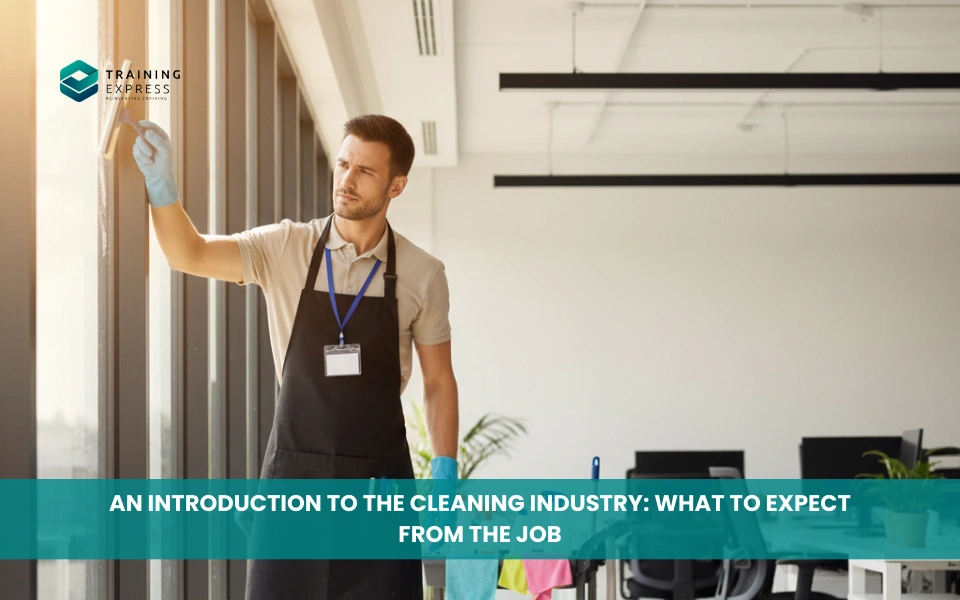
The cleaning industry plays a vital role in keeping homes, workplaces, and public spaces safe, hygienic, and welcoming. Whether working in offices, hospitals, schools, or private homes, cleaners help maintain environments that support health, productivity, and comfort. With over 1.5 million people employed in cleaning roles across the UK, it is one of the country’s largest and most consistent employment sectors.

This article offers a clear overview of what to expect from a cleaning job, making it especially useful for anyone considering this career path. It explains typical working hours, contract types, pay expectations, and daily responsibilities, while also covering working conditions and holiday entitlements. Understanding these factors helps individuals make informed career decisions, set realistic expectations, and prepare confidently for work in this essential and often underestimated industry.

Table of Contents

Level 5 Certificate in Cleaning for just £8!

You won’t find this deal anywhere else!

View All Courses

Use Coupon Code:

Use this coupon at Checkout

Typical Working Hours of a Cleaner

Cleaning can be done at any time of day or night.

Because cleaning can generate the kind of disruption that could interfere with a company’s or establishment’s primary operation, cleaning is frequently done outside of “normal hours.”

  • Office cleaners typically begin work after 6 p.m., after the majority of employees have left for home.
  • In the hospitality sector, cleaners typically work in the early hours of the day.
  • During the day, a few cleaners are employed by some large establishments.
  • Hotel and restaurant cleaners would have to start working at six in the morning before the crew arrives. 
  • The London Underground’s cleaners are renowned for working nights.

You must first consider whether these hours will suit you.

Cleaning Contracts

Your contract and the business you work in will determine how many hours you put in. Particular industries may pay by task or hour.

Cleaning Contracts

For instance:

  • If you work directly for a corporation, you will adhere to a schedule or timetable, frequently with a defined staff rotation.
  • Freelancers frequently only clean for a few hours, and you will only be compensated for these hours.
  • If you were employed expressly to clean floors, you are free to depart once the task is completed to your satisfaction.
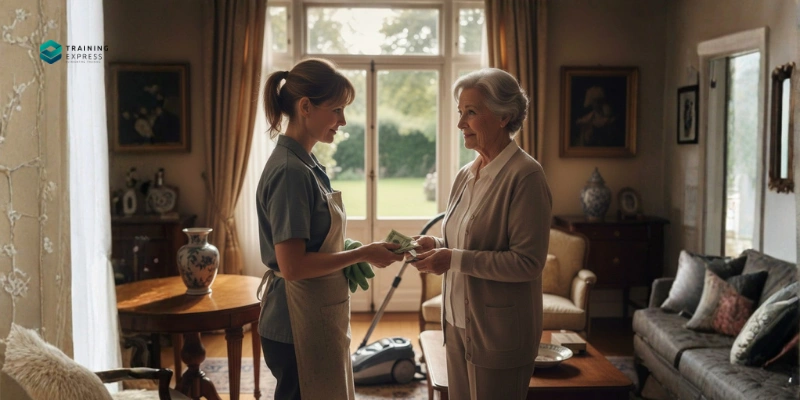
  • Domestic cleaners may charge by the room, and their schedules may change.

Keep in mind that having flexible hours does not include being able to show up whenever you want or stay after the work is finished.

Typical Working Conditions

There is no assurance of a standard level of cleaning that must be done; the amount of cleaning required depends only on how unclean an area is.

There will be filth, though, because you are a cleaner.

Grime, grease, mould, bodily fluids, and excrement are examples of filthy and unclean environments that you must be able to handle; if you’re squeamish, you’re not cut out for this.

Types of cleaning

Here is a very broad summary of the kinds of cleaning that are likely to be found in many businesses to help you understand:

Types of cleaning

Dirty jobs

  • Hospitality (alcohol, vomit at restaurants, hotels, and pubs)
  • Production of food
  • Cleaning by the local government (drains, rubbish disposal, etc.)
  • Medical care (blood, bodily fluids, urine, faeces)

Intermediate conditions

  • Cleaning windows both inside and outside
  • Cleaning of homes, rooms, and toilets (which might be clean or dirty)
  • Indoor carpet cleaning (scrubbing, steaming)

Comparatively clean environments

  • Corporate cleaning (offices, meeting rooms)
  • Ironing (washed clothes)

You will need to be thoroughly taught and psychologically ready to handle what you might see and touch because of the nature of these occupations.

Keep in mind that you have no right to criticise the owner, occupant, or employer of the property you are cleaning.

Taking Holidays

Employees

  • As long as you have an employment contract, you are legally entitled to paid holidays, just like every other employee in the UK.
  • Your company may provide you additional time off if you’re fortunate, but you are entitled to a pro rata minimum of 28 days annually.
  • However, you have different rights on bank holidays. If no one is working and there is no mess, you may be granted the day off in an office. This might not be the case in a hotel because business is probably going to be busier than ever.

Self-employed cleaners

Taking holidays is more difficult if you work for yourself. Before making any preparations, you might need to consider your clients’ needs or accept work as it comes in. Unfortunately, a lot of cleaning work takes place during times when everyone else in the nation is off from work, with Christmas and New Year’s being a prime example.

Take conventional holidays if you can, and make sure you have a few weeks over the summer as well, as many prospective employers will be on vacation at this period.

Since many individuals relocate during the start or conclusion of school periods, especially in towns with colleges, it’s a good idea to avoid taking vacations during these times.

Expected Pay

Based on 118,209 incomes from various sources, some employment organisations report that the median hourly wage for a cleaner in 2019 was £8.93, slightly more than the £8.21 national minimum wage.

Expected Pay

However, these numbers include both paid and self-employed cleaners; by accounting for annual earnings, we might obtain a more accurate picture:

  • Low paid cleaners earn £16,000 per year
  • The average pay for a cleaner is £18,579
  • A good wage for a cleaner is £21,000

Rates have decreased over the last few years and continue to vary.

A Day in the Life of a Cleaner

Let’s examine what a normal day’s work would entail to give you a better picture of what a cleaner does. A cleaning work can be fulfilling, so don’t let the pay scale affect you too much.

“Susan” is employed at an NHS hospital as a cleaner. When she gets to work:

The Mornings

Morning Time Cleaning

8 am: tidy the staff rooms, reception, and guest spaces while occasionally speaking with her coworkers

10.30 am: the more filthy tasks, such as using the public restroom and patient restrooms

3.30 pm – coffee break

11.30 am: the wards are cleaned in places where doctors and nurses are not working, and staff members are escorted around the wards. While working, Susan will converse with the patients, which will brighten her day.

In The Afternoon

1 pm -Lunch break (but times may vary)

2:00 pm – Cleaning more ward areas 

3:30 pm – Coffee break 

3.45 pm: Under the supervision of other medical workers, Susan spends the remainder of her day disinfecting following an MRSA breakout because she is qualified to handle some emergency cleaning scenarios. But in order to provide continuity of care, this also entails some overtime.

Even though unplanned overtime is uncommon, it can occasionally be required to finish a cleaning task after your allotted hours in order to ensure that it is done correctly. Leaving a work unfinished would be improper, reckless, and even hazardous.

Flexible hours are beneficial to self-employed people. Even if a task is larger than you anticipated, complete it.

Final Words

A career in cleaning offers steady work, varied environments, and the chance to make a direct impact on people’s health and wellbeing. While the role can involve demanding tasks, irregular hours, and physically challenging conditions, it also provides flexibility, job security, and opportunities across many sectors. Understanding contracts, pay structures, working conditions, and daily responsibilities allows individuals to decide whether this line of work fits their lifestyle and expectations. 

Cleaners are trusted to meet high standards, follow schedules, and work with professionalism in every setting, from offices to hospitals. For those who value independence, practical work, and contributing to safe, hygienic spaces, cleaning can be a reliable and worthwhile career choice. Being prepared, adaptable, and committed to quality is key to succeeding in this essential profession.

Frequently Asked Questions (FAQ)

Is cleaning a good career in the UK?

Yes, cleaning can be a stable and reliable career in the UK. The cleaning industry employs over 1.5 million people and offers consistent demand across sectors such as healthcare, hospitality, offices, schools, and domestic services.

Many roles offer flexible hours, part-time opportunities, and entry-level access without formal qualifications. While the work can be physically demanding, it provides job security, regular income, and opportunities to specialise in areas such as medical cleaning or industrial cleaning. For individuals seeking practical work with steady demand, cleaning is a viable long-term career option.

What qualifications do you need to become a cleaner?

Most cleaning jobs in the UK do not require formal qualifications. Employers typically look for reliability, attention to detail, and the ability to follow safety procedures.

However, certain sectors such as hospitals, food production, or hazardous waste cleaning may require:

  • Health and safety training

  • COSHH awareness (Control of Substances Hazardous to Health)

  • Infection control training

  • Enhanced DBS checks (for schools or healthcare settings)

Experience can improve job prospects, but many employers provide on-the-job training.

How much do cleaners get paid in the UK?

Cleaner salaries in the UK vary depending on experience, sector, and employment type.

  • Entry-level cleaners: around £16,000 per year

  • Average salary: approximately £18,500 per year

  • Experienced cleaners: up to £21,000 per year or more

Hourly pay often aligns with or slightly exceeds the National Minimum Wage. Self-employed cleaners may charge higher hourly or per-job rates, depending on location and demand. London and specialist cleaning roles (e.g., medical or industrial cleaning) may offer higher pay.

What are the typical working hours for a cleaner?

Cleaning jobs often involve flexible or non-standard working hours. Many cleaners work:

  • Early mornings (before businesses open)

  • Evenings (after offices close)

  • Overnight shifts (e.g., transport services or hospitals)

  • Weekends and bank holidays (especially in hospitality)

Full-time, part-time, and shift-based contracts are common. Self-employed cleaners may have more flexibility but must meet client schedules. It is important to consider whether early starts, night shifts, or weekend work suit your lifestyle.

What are the main duties and responsibilities of a cleaner?

A cleaner’s daily tasks depend on the workplace but typically include:

  • Sweeping, mopping, and vacuuming floors

  • Cleaning toilets and washrooms

  • Disinfecting surfaces

  • Emptying bins and waste disposal

  • Handling cleaning chemicals safely

  • Reporting maintenance issues

In specialist settings such as hospitals, duties may include infection control cleaning and biohazard handling under supervision. Cleaners are expected to follow health and safety guidelines, maintain confidentiality, and complete tasks to a high standard.

Robert Lawrence

Article Author,

Robert Lawrence

Robert Lawrence is an e-learning specialist and author at Training Express, with over 5 years of experience creating practical resources and strategies to support learners and enhance their professional development.

February 20, 2026