Food Hygiene
 Health & Safety
 Safeguarding
 First Aid
 Business Skills
 Personal Development
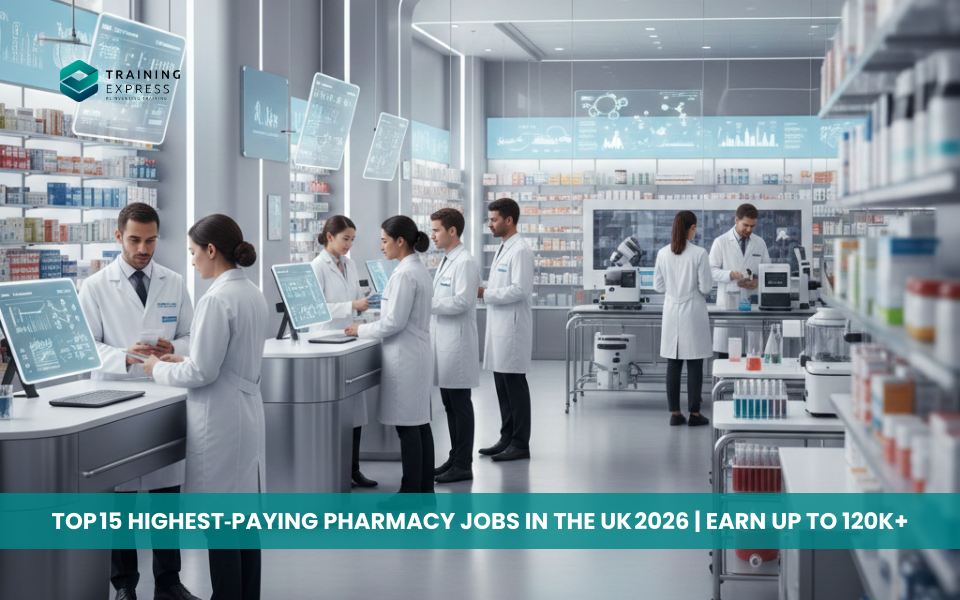
The pharmacy profession in the UK is evolving rapidly, and 2026 is set to be a highly rewarding year for qualified professionals. Rising NHS pressures, an ageing population, and continued pharmaceutical innovation are driving strong demand for skilled pharmacists and scientists. As healthcare embraces digital therapeutics and personalised medicine, salaries are increasing to attract top talent.
Pharmacy is no longer limited to dispensing in community settings. Pharmacists now work across leadership, research, regulatory affairs, biotechnology, and AI-driven drug development. This expansion has created diverse career pathways and competitive salary opportunities in both the NHS and private sector.
This guide covers the Top 15 Highest-Paying Pharmacy Jobs in the UK for 2026, including updated salary ranges, role insights, and hiring sectors. You’ll also learn what influences pay, current job demand, and how to maximise your earning potential.
Table of Contents
Top 15 Highest-Paying Pharmacy Jobs in the UK
| Job Title | Responsibilities | UK Avg Salary Range |
|---|---|---|
| Pharmacometrician | Uses mathematical and statistical modelling to predict how drugs behave in the body; supports clinical trials and regulatory submissions. | £80,000 – £120,000+ |
| Director of Pharmacy | Oversees pharmacy services within NHS trusts or private hospitals; responsible for budgeting, staffing, compliance, and governance. | £90,000 – £120,000+ |
| Clinical Pharmacologist | Studies drug interactions in real-world settings; involved in clinical trials, pharmacovigilance, and patient safety. | £75,000 – £110,000 |
| Clinical Pharmacist | Works with healthcare teams to optimise medication plans and prevent adverse drug reactions; prescribing qualifications increase earnings. | £50,000 – £90,000 |
| Pharmaceutical Scientist | Conducts laboratory research to design, test, and refine medicines from discovery to formulation. | £45,000 – £95,000 |
| Hospital Pharmacist | Ensures safe medicine distribution, patient counselling, and compliance within hospital settings. | £40,000 – £85,000 |
| Consultant Pharmacist | Advanced clinical specialist advising on medication policy and specialising in areas like oncology or cardiology. | £60,000 – £100,000+ |
| Regulatory Affairs Pharmacist | Ensures medicines meet UK regulatory standards and manages licensing documentation. | £55,000 – £95,000 |
| Compounding Pharmacist | Prepares customised medications tailored to individual patient needs when commercial options are unsuitable. | £45,000 – £80,000 |
| Nuclear Pharmacist | Prepares radiopharmaceuticals for diagnostic imaging and cancer treatment; ensures safe handling of radioactive medicines. | £55,000 – £90,000 |
| Pharmaceutical Market Access Specialist | Secures NHS reimbursement approval, manages pricing strategy, and analyses health economics data. | £50,000 – £100,000 |
| Formulation Scientist (Pharmaceutical Development) | Designs and refines drug delivery systems; conducts stability testing and manufacturing optimisation. | £50,000 – £90,000 |
| Medicines Optimisation Pharmacist (NHS Clinical Lead) | Improves prescribing practices across NHS trusts; reduces medication errors and enhances patient outcomes. | £60,000 – £95,000 |
| Pharmaceutical Sales Representative | Promotes prescription medicines to healthcare professionals; target-driven role with performance bonuses. | £35,000 – £70,000 (may exceed £80,000+ with bonuses) |
| Specialist Regulatory Affairs Pharmacist (Advanced Compliance) | Manages complex international licensing, biologics approvals, and evolving compliance frameworks. | £65,000 – £105,000 |
1. Pharmacometrician

Pharmacometricians are among the highest earners in the UK pharmaceutical industry. They specialise in mathematical and statistical modelling to predict how drugs behave in the human body. This role plays a crucial part in drug development, clinical trials, and regulatory submissions. Employers include multinational pharmaceutical companies, biotech firms, and clinical research organisations (CROs).
UK Average Salary Range: £80,000 – £120,000+ yearly
Source: Glassdoor UK, Indeed UK Salary Insights 2026
2. Director of Pharmacy
A Director of Pharmacy oversees the strategic management of pharmacy services within NHS trusts or private hospital groups. Responsibilities include budgeting, staffing, compliance, service development, and clinical governance. NHS Band 8d–9 positions offer competitive pay, while private hospital directors may earn even higher packages.
UK Average Salary Range: £90,000 – £120,000+ yearly
Source: NHS Agenda for Change Pay Scales 2026, Totaljobs UK
3. Clinical Pharmacologist

Clinical pharmacologists focus on how drugs interact with patients in real-world settings. They are heavily involved in clinical trials, patient safety, and pharmacovigilance. Many work in academic institutions, research hospitals, or pharmaceutical companies.
UK Average Salary Range: £75,000 – £110,000 yearly
Source: Prospects UK, Glassdoor UK
4. Clinical Pharmacist
Clinical pharmacists work directly with healthcare teams in hospitals and GP practices. Their duties include reviewing medication plans, optimising treatments, and preventing adverse drug reactions. With additional prescribing qualifications, earnings increase significantly.
UK Average Salary Range: £50,000 – £90,000 yearly
Source: NHS Band 7–8c Pay Scales, Indeed UK
5. Pharmaceutical Scientist
Pharmaceutical scientists conduct research and development in laboratories to design, test, and refine medications. Roles range from early-stage discovery to advanced formulation testing.
UK Average Salary Range: £45,000 – £95,000 yearly
Source: National Careers Service UK, Glassdoor
6. Hospital Pharmacist

Hospital pharmacists ensure safe medication distribution, patient counselling, and compliance with healthcare protocols. Senior positions and specialist hospital roles command higher salaries.
UK Average Salary Range: £40,000 – £85,000 yearly
Source: NHS Pay Bands 2026
7. Consultant Pharmacist
Consultant pharmacists operate at advanced clinical levels, advising healthcare organisations and shaping medication policies. They often specialise in oncology, cardiology, or infectious diseases.
UK Average Salary Range: £60,000 – £100,000+ yearly
Source: NHS Careers, Prospects UK
8. Regulatory Affairs Pharmacist
Regulatory affairs pharmacists ensure medicines meet UK MHRA and international compliance standards. They prepare documentation for drug approvals and maintain licensing compliance.
UK Average Salary Range: £55,000 – £95,000 yearly
Source: Totaljobs UK, Glassdoor
9. Compounding Pharmacist

Compounding pharmacists create customised medications tailored to individual patient needs when commercially available drugs are unsuitable. This may include adjusting dosages, removing allergens, or preparing liquid formulations for children and elderly patients. They work in specialist compounding pharmacies, private clinics, and occasionally hospital settings. Precision, regulatory compliance, and sterile preparation skills are essential in this role.
UK Average Salary Range: £45,000 – £80,000 yearly
Source: Indeed UK, National Careers Service
10. Nuclear Pharmacist
Nuclear pharmacists prepare and dispense radiopharmaceuticals used in diagnostic imaging and targeted cancer treatments. Working closely with oncologists and radiologists, they ensure safe handling, storage, and quality control of radioactive medicines. Most roles are based within NHS hospital trusts or private diagnostic centres. Due to strict regulatory standards and specialist training requirements, salaries are highly competitive.
UK Average Salary Range: £55,000 – £90,000 yearly
Source: NHS Careers, Prospects UK
11. Pharmaceutical Market Access Specialist

Pharmaceutical market access specialists focus on ensuring new medicines gain approval for NHS reimbursement and commercial success. They analyse health economics data, collaborate with NICE, and develop pricing strategies to support product launches. This role blends pharmacy knowledge with commercial insight and stakeholder engagement. Opportunities are strongest within multinational pharmaceutical companies and biotech firms.
UK Average Salary Range: £50,000 – £100,000 yearly
Source: Glassdoor UK, Totaljobs
12. Formulation Scientist (Pharmaceutical Development)
Formulation scientists design and refine drug delivery systems to ensure safety, stability, and effectiveness. They work on tablets, capsules, injectables, and advanced delivery technologies such as controlled-release systems. Based primarily in R&D laboratories within pharmaceutical and biotech companies, they conduct stability testing and optimise manufacturing processes. Strong analytical and problem-solving skills are essential for career progression.
UK Average Salary Range: £50,000 – £90,000 yearly
Source: National Careers Service UK
13. Pharmaceutical Sales Representative
Pharmaceutical sales representatives promote prescription medicines and healthcare products to GPs, hospital consultants, pharmacists, and other healthcare professionals. Their main responsibility is to build strong professional relationships, educate clinicians about new treatments, and ensure products are positioned effectively within NHS and private healthcare settings. This role combines scientific knowledge with strong communication and commercial skills.

Sales representatives often work for pharmaceutical companies or medical device firms and may manage specific regional territories. Performance is typically target-driven, with bonuses and commission structures significantly increasing overall earnings. Travel is common, and the role requires excellent presentation skills, resilience, and a solid understanding of regulatory compliance under the ABPI Code of Practice.
UK Average Salary Range: £35,000 – £70,000 yearly (excluding bonuses; total compensation may exceed £80,000+)
Source: Glassdoor UK, Totaljobs, Indeed UK
14. Medicines Optimisation Pharmacist (NHS Clinical Lead)
Medicines optimisation pharmacists focus on improving prescribing practices across NHS trusts and GP networks. They analyse prescribing data, reduce medication errors, and promote cost-effective treatments. Often working in leadership or clinical governance roles, they support multidisciplinary teams to enhance patient outcomes. Advanced clinical qualifications and independent prescribing status can significantly increase earning potential.
UK Average Salary Range: £60,000 – £95,000 yearly
Source: NHS Jobs UK
15. Specialist Regulatory Affairs Pharmacist (Advanced Compliance)
Specialist regulatory affairs pharmacists focus on complex compliance frameworks, including international licensing, post-Brexit regulatory alignment, and biologics approvals. They liaise with the MHRA and global regulatory bodies to ensure medicines meet evolving safety standards. This niche role is in high demand within multinational pharmaceutical companies and advanced therapy manufacturers.
UK Average Salary Range: £65,000 – £105,000 yearly
Source: Indeed UK, Regulatory Affairs Professionals Society (UK data)
Use Coupon Code:
Use this coupon at Checkout
Why Are Pharmacy Careers Growing in the UK?
Pharmacy careers in the UK are expanding rapidly due to healthcare reforms, demographic shifts, and technological innovation reshaping the sector.
Increasing Healthcare Demand
The NHS continues expanding services due to rising patient numbers and increased pressure on primary care. Pharmacists now manage minor ailments, prescribe independently, and support medication reviews within GP surgeries. Their role significantly reduces GP workload and improves patient access to care. As community pharmacies take on broader clinical responsibilities, demand for qualified professionals continues to rise nationwide.
Ageing Population and Chronic Disease Management

The UK’s ageing population is driving higher rates of chronic conditions such as diabetes, hypertension, and cardiovascular disease. These long-term illnesses require ongoing medication monitoring and optimisation. Pharmacists play a central role in preventing adverse drug reactions, improving adherence, and supporting lifestyle interventions. As chronic disease prevalence increases, medication management expertise becomes even more essential.
Expansion of Clinical and Specialised Roles
Pharmacy roles are evolving beyond traditional dispensing into highly specialised clinical and research-based positions. Independent prescribing pharmacists, digital health specialists, and pharmacogenomics experts are becoming integral to modern healthcare teams. Hospitals and GP networks increasingly rely on pharmacists for complex case management, while biotech firms create opportunities in precision medicine and advanced therapeutics.
Factors That Influence Salaries in the UK
Pharmacist salaries in 2026 vary significantly depending on several professional and economic factors.

Experience and Seniority
Entry-level pharmacists typically start within NHS Band 6 or early Band 7 positions, earning moderate salaries. However, as experience increases and responsibilities expand, earnings rise substantially. Senior clinical leads, consultant pharmacists, and directors command significantly higher pay due to leadership duties, service oversight, and advanced clinical expertise developed over years of practice.
Industry vs NHS Pay Scales
Private sector and pharmaceutical industry roles often offer higher base salaries, performance bonuses, and additional benefits. In contrast, NHS roles follow structured Agenda for Change pay bands, providing transparency and strong pension schemes. While industry roles may pay more upfront, NHS positions offer long-term stability, job security, and attractive retirement benefits.
Location and Cost-of-Living Adjustments
Geographic location strongly impacts pharmacist earnings. London and the South East offer higher salaries due to regional weighting and higher living costs. Urban teaching hospitals and pharmaceutical hubs like Cambridge also provide competitive packages. Rural areas may offer slightly lower pay but can include recruitment incentives to attract skilled professionals.
Specialisation and Qualifications
Advanced qualifications significantly increase earning potential. Independent prescribing certification, postgraduate diplomas, and clinical specialisms in areas such as oncology or critical care often lead to senior roles. In the pharmaceutical industry, additional expertise in regulatory affairs, pharmacoeconomics, or data analytics can elevate salaries into six-figure ranges. Continuous professional development remains a key driver of long-term income growth.
Are Pharmacy Jobs Still in Demand in the UK in 2026?
Despite workforce expansion efforts, pharmacy remains one of the UK’s most in-demand healthcare professions in 2026.

NHS Workforce Needs
The NHS Long Term Workforce Plan highlights ongoing shortages of clinical pharmacists across hospitals and primary care networks. Expanding prescribing rights and increased community pharmacy services have created additional vacancies. Recruitment initiatives continue to focus on attracting both newly qualified pharmacists and experienced specialists to meet growing patient care demands.
Private Sector Growth and Biotech Firms
The UK maintains a strong pharmaceutical and biotech presence, particularly in innovation hubs such as Cambridge, Oxford, and London. Investment in research, biologics, and advanced therapies has increased hiring within pharmaceutical companies and contract research organisations. This growth supports high-paying roles in R&D, regulatory affairs, and commercial strategy.
Emerging Roles: AI, Digital Pharmacy, and Personalised Medicine
Artificial intelligence and digital health technologies are reshaping medication management and drug development. AI-driven prescribing support systems, pharmacogenomics, and personalised medicine initiatives are creating new specialist roles. Pharmacists with data literacy, digital health expertise, or genomic training are particularly well-positioned to secure high-paying positions in these emerging fields.
Final Words
Pharmacy careers in the UK are more diverse and financially rewarding than ever before. From high-level modelling roles like pharmacometricians to executive leadership positions such as Director of Pharmacy, professionals can earn well above £100,000 with the right qualifications and experience. The NHS, private healthcare providers, and biotech firms continue to expand, ensuring long-term job security and growth opportunities.
If you’re planning your pharmacy career for 2026, now is the time to research specialisations, pursue advanced certifications, and explore job boards such as NHS Jobs, Indeed UK, and Totaljobs. Strategic planning and continuous professional development are key to maximising your earning potential in the evolving UK pharmaceutical landscape.
Frequently Asked Questions (FAQ)
Which pharmacy role earns the most in the UK in 2026?
In 2026, the highest-paying pharmacy roles in the UK are typically Director of Pharmacy and Pharmacometrician positions. Directors of Pharmacy in large NHS trusts or private hospital groups can earn £90,000 to £120,000+, especially at Band 9 level or executive grade. Pharmacometricians working in pharmaceutical companies or biotech firms can exceed £120,000 due to their specialist expertise in drug modelling and clinical trial analytics.
Senior commercial roles such as Market Access Directors and Regulatory Affairs Heads may also cross the six-figure mark. Salaries depend on experience, sector (NHS vs industry), and leadership responsibility.
How can I increase my earnings as a pharmacist in the UK?
To increase earnings as a pharmacist in the UK, focus on specialisation, leadership, and additional qualifications. Gaining an Independent Prescribing qualification significantly improves salary prospects, especially within primary care and hospital settings. Postgraduate diplomas or MSc degrees in clinical pharmacy, oncology, pharmacology, or regulatory affairs can also open doors to senior roles.
Moving into the pharmaceutical industry, regulatory affairs, or market access often offers higher pay than traditional NHS roles. Leadership positions, consultancy work, and transitioning into strategic or commercial roles can further boost income. Continuous professional development and networking within high-demand sectors are key to long-term salary growth.
Are NHS pharmacist pay scales transparent in 2026?
Yes, NHS pharmacist salaries are transparent and publicly available under the Agenda for Change (AfC) pay structure. Most pharmacists start at Band 6 after foundation training and progress to Band 7 or Band 8 with experience and additional responsibilities. Consultant and senior leadership roles fall under Band 8d to Band 9.
Each band has clearly defined salary ranges, annual increments, and pension benefits. London weighting and high-cost area supplements may increase total pay. This transparency makes it easier for pharmacists to understand career progression and salary expectations within the NHS.
Which pharmacy job has the highest salary overall?
Overall, executive-level pharmacy roles and highly specialised industry positions offer the highest salaries. Director of Pharmacy, Global Regulatory Affairs Director, and Senior Pharmacometrician roles often exceed £100,000 per year.
In the private pharmaceutical sector, salaries may include bonuses, stock options, and performance incentives, making total compensation even higher than NHS equivalents. While clinical consultant roles pay well, industry leadership and advanced data-driven positions usually top the salary rankings.
Can a pharmacist earn £100k in the UK?
Yes, a pharmacist can earn £100,000 or more in the UK, but it typically requires seniority, specialisation, or industry experience. Roles such as Consultant Pharmacist, Director of Pharmacy, Pharmacometrician, or Regulatory Affairs Director commonly reach six-figure salaries.
Pharmacists who transition into pharmaceutical companies, biotech firms, or executive NHS leadership roles have the strongest earning potential. Building expertise, gaining advanced qualifications, and taking on strategic responsibilities are essential steps toward reaching £100k+.
Which pharmacy job is best in the UK?
The “best” pharmacy job depends on career goals. If you value patient interaction and clinical impact, a Consultant or Clinical Pharmacist role may be ideal. If high earning potential and commercial exposure are priorities, pharmaceutical industry roles such as Market Access Specialist or Regulatory Affairs Manager may be better suited.
For those interested in research and innovation, positions like Pharmacometrician or Formulation Scientist offer strong career progression. Ultimately, the best role balances salary, job satisfaction, and long-term growth opportunities.
Can Ai replace pharmacists in the future?
Ai is unlikely to replace pharmacists, but it will transform how they work. Artificial intelligence already supports medication reviews, prescribing decisions, and drug interaction checks. However, pharmacists provide clinical judgment, ethical decision-making, and patient counselling that AI cannot replicate.
In 2026 and beyond, AI will act as a support tool rather than a replacement. Pharmacists who develop digital literacy and adapt to AI-driven systems will remain highly valuable in both NHS and pharmaceutical industry roles.

Related Blogs



- Available Courses
- Animal care10
- Design36
- Training10
- Accounting & Finance Primary52
- Teaching & Academics Primary37
- Teaching23
- Quality Licence Scheme Endorsed181
- Law10
- IT & Software238
- Job Ready Programme52
- Charity & Non-Profit Courses28
- HR & Leadership4
- Administration & Office Skills6
- Mandatory Training36
- Regulated Courses4
- AI & Data Literacy29
- Health and Social Care291
- Personal Development1666
- Food Hygiene119
- Safeguarding81
- Employability288
- First Aid73
- Business Skills301
- Management426
- Child Psychology41
- Health and Safety538
- Hospitality28
- Electronics30
- Construction63
- Career Bundles201
- Marketing39
- Healthcare174