Safeguarding Children Training for Healthcare Professionals

4.9 (18 REVIEWS)
127 STUDENTS

GET THIS COURSE AND 2500+ OTHERS FOR ONLY £49 FIND OUT MORE

Safeguarding Children Training for Healthcare Professionals equips clinical and non-clinical staff with the knowledge to identify, respond to, and report concerns about child abuse and neglect. It ensures healthcare workers can act quickly and appropriately within UK safeguarding frameworks and legal duties. 

In healthcare environments, professionals are often the first point of contact for vulnerable children. This makes safeguarding knowledge critical for early identification, effective communication, and timely escalation of concerns. Failure to act appropriately can have serious consequences for children’s safety and wellbeing.

This course covers child protection principles, types of abuse, legal responsibilities, multi-agency working, and practical response procedures. It also focuses on ethical decision-making, documentation, and embedding safeguarding into everyday clinical practice.

Sneak Peek

Learning Outcomes

This course equips healthcare professionals with the knowledge and confidence to handle safeguarding concerns effectively in clinical practice.This training ensures learners can identify risks early and respond appropriately within professional guidelines.

  • Understand the principles of safeguarding children in healthcare settings
  • Identify different types of abuse and neglect, including FII
  • Recognise physical, emotional, and behavioural indicators of abuse
  • Apply UK legal frameworks such as the Children Act and Working Together 2018
  • Respond appropriately to disclosures and safeguarding concerns
  • Record and report concerns accurately using clinical documentation standards
  • Understand multi-agency safeguarding processes and referrals
  • Promote safe practice and professional boundaries in clinical environments

Certification

  • Instant digital certificate available upon completion
  • Printed certificate available for delivery (postal charges may apply)
  • Certification is recommended to be renewed every 3 years to stay updated
Training-Express-Certificate-CPD-QS-1-1

Accreditation

This course is fully accredited by CPD and endorsed by QLS, ensuring recognised standards of quality and learning.

Who Should Take This Course

This training is designed for anyone working in healthcare who may come into contact with children, young people, or their families in any capacity.

  • Doctors, nurses, and allied health professionals
  • Paediatricians, midwives, and health visitors
  • Emergency department and urgent care staff
  • General practitioners and dental professionals
  • Healthcare assistants and clinical support staff
  • Administrative and reception staff in healthcare settings
  • Social care and community health workers

This course is suitable across all safeguarding levels, from basic awareness to advanced clinical responsibility. It ensures every healthcare professional contributes effectively to child protection.

Why Take This Course

Safeguarding children is a fundamental responsibility in healthcare, and early recognition of concerns can be life-saving. Healthcare professionals must be able to identify risk factors, respond correctly, and follow legal procedures without delay.This course builds confidence in handling sensitive situations while maintaining professional and ethical standards. 

  • Improves early identification of child abuse and neglect
  • Ensures compliance with UK safeguarding legislation and policies
  • Strengthens clinical decision-making in complex safeguarding cases
  • Enhances communication with children, families, and agencies
  • Supports safe, ethical, and legally sound clinical practice

By completing this training, healthcare professionals help create safer environments and ensure better protection outcomes for vulnerable children.

Job Opportunities & Salary Expectations in the UK

Safeguarding knowledge is essential across many healthcare and clinical roles in the UK.

  • Paediatric Nurse – £28,000 to £42,000 per year
  • General Practitioner (GP) – £60,000 to £100,000+ per year
  • Health Visitor – £32,000 to £45,000 per year
  • Midwife – £30,000 to £50,000 per year
  • Emergency Department Nurse – £29,000 to £44,000 per year
  • Clinical Safeguarding Lead – £45,000 to £70,000 per year
  • Allied Health Professional – £28,000 to £45,000 per year
  • Healthcare Support Worker – £22,000 to £28,000 per year

This training enhances career progression in safeguarding, leadership, and specialist clinical roles across the NHS and private healthcare sector.

Entry Requirements

This course is open to all healthcare staff and does not require advanced prior safeguarding qualifications.

  • No formal qualifications required
  • Suitable for clinical and non-clinical healthcare staff
  • Basic understanding of English recommended
  • Access to online learning platform required

Course Curriculum

The detailed curriculum outline of our Safeguarding Children Training for Healthcare Professionals is as follows:

  • Introduction

This module introduces the core principles of safeguarding within clinical environments. It explains what safeguarding means in practice and outlines key UK legislation and professional duties. Learners also explore different types of abuse and how healthcare professionals are expected to respond. It builds the foundation for safe and ethical clinical decision-making.

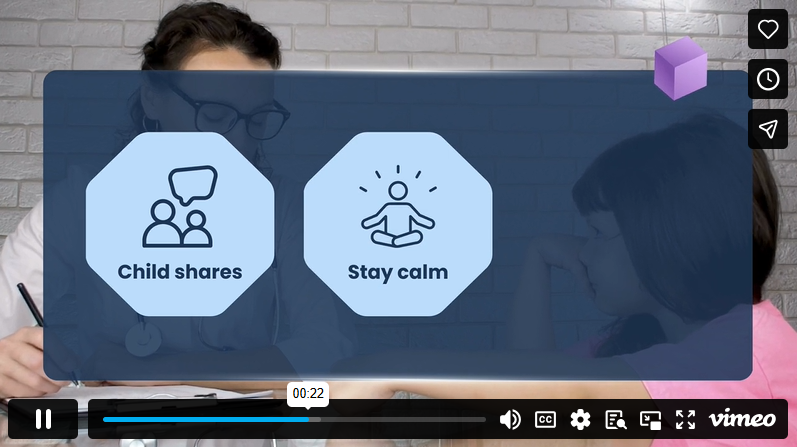
This section focuses on identifying signs of abuse and responding appropriately in real clinical situations. It develops communication skills for sensitive conversations with children and families. The module also covers accurate documentation, reporting pathways, and handling disclosures safely. Learners gain confidence in managing safeguarding concerns in practice.

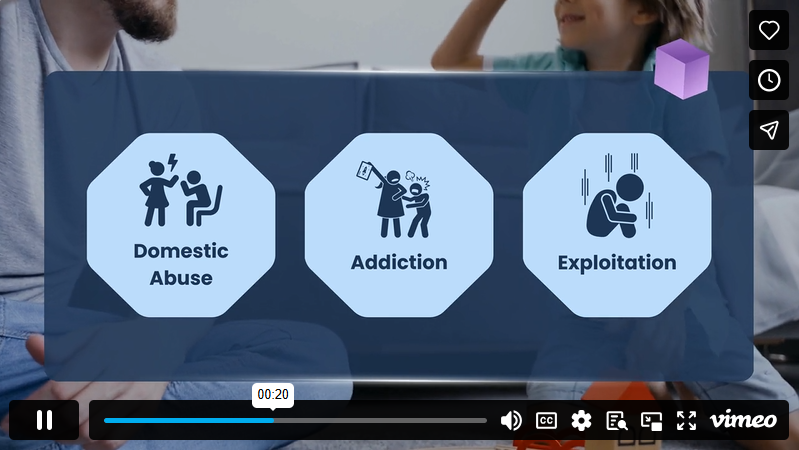
This module explores collaboration between healthcare professionals and safeguarding partners such as social services and police. It addresses complex cases involving domestic abuse, exploitation, and mental health concerns. Learners also review lessons from serious case reviews to improve practice. It strengthens understanding of coordinated safeguarding responses.

This final module focuses on creating a strong safeguarding culture within healthcare organisations. It covers supervision, reflective practice, and maintaining professional boundaries. The module also highlights whistleblowing, ongoing CPD, and quality improvement. It ensures safeguarding becomes an integral part of everyday clinical practice.

Conclusion

FAQs

1. What is Safeguarding Children Training in healthcare?

Safeguarding Children Training teaches healthcare professionals how to identify and respond to child protection concerns. It focuses on recognising abuse, neglect, and risk factors in clinical settings. The course ensures staff follow correct reporting procedures. It is essential for safe healthcare practice.

2. Why is safeguarding important in healthcare?

Healthcare professionals often see children who may be at risk of harm. Early identification can prevent serious long-term consequences. Safeguarding ensures timely intervention and protection. It is a legal and ethical responsibility in all healthcare settings.

3. Who needs safeguarding children training?

All healthcare workers who interact with children or families require this training. This includes doctors, nurses, and non-clinical staff. Different levels of training apply depending on job role. It ensures everyone contributes to child protection.

4. What are the main types of child abuse?

The main types include physical, emotional, sexual abuse, and neglect. Fabricated or induced illness is also a recognised form. Each type has specific signs and indicators. Understanding these is essential for early detection.

5. What laws govern child safeguarding in the UK?

Key legislation includes the Children Act and Working Together to Safeguard Children 2018. These set out duties for healthcare professionals and organisations. They ensure consistent safeguarding standards. Compliance is mandatory in all NHS and healthcare settings.

6. How should healthcare professionals respond to disclosures?

Professionals should listen carefully without judgement and ensure the child feels safe. They must not promise confidentiality. All concerns should be recorded and escalated appropriately. Immediate safety is always the priority.

7. What should be included in safeguarding records?

Records should include clear, factual information about concerns or disclosures. SOAP notes and chronologies are commonly used in healthcare. Documentation must be accurate and timely. Good records support safeguarding investigations.

8. What is multi-agency safeguarding?

Multi-agency safeguarding involves collaboration between healthcare, social services, and police. It ensures a coordinated response to child protection concerns. Information sharing is key to effective safeguarding. It improves outcomes for vulnerable children.

9. What happens if safeguarding concerns are ignored?

Ignoring concerns can lead to serious harm or even death of a child. It may also result in legal and professional consequences. Healthcare staff have a duty to act immediately. Reporting concerns is a legal requirement.

10. How often should safeguarding training be updated?

Safeguarding training should be refreshed regularly according to employer policies. Most organisations recommend annual or periodic updates. This ensures staff remain aware of current guidance. Ongoing CPD is essential for compliance.

Course Curriculum

Introduction
1. Introduction 00:01:00
Module 1: Introduction to Safeguarding in Healthcare
1.1.1 What is Safeguarding in a Clinical Context 00:01:00
1.3.1 Professional Roles and Responsibilities (1) 00:01:00
1.4.1 Ethical and Legal Frameworks (1) 00:01:00
Reading Materials
Module 1 00:00:00
Module 2: Recognising and Responding to Concerns
2.1.1 Recognising Signs of Abuse 00:01:00
2.2.1 Communicating with Children and Families 00:01:00
2.3.1 Recording and Reporting Concerns 00:01:00
2.4.1 Responding to Disclosures 00:01:00
Reading Materials
Module 2 00:00:00
Module 3: Multi-Agency Working and Complex Situations
3.1.1 Working with Safeguarding Partners 00:01:00
3.2.1 The Role of Health in Early Help and Prevention 00:01:00
3.3.1 Managing Complex Safeguarding Cases 00:01:00
3.4.1 Learning from Serious Case Reviews (SCRs) 00:01:00
Reading Materials
Module 3 00:00:00
Module 4: Embedding Safeguarding into Healthcare Culture
4.1.1 Creating a Safeguarding Culture 00:01:00
4.2.1 Reflective Practice and Supervision 00:01:00
4.3.1 Safe Practice and Boundaries 00:01:00
4.4.1 Training, CPD and Quality Improvement 00:01:00
Reading Materials
Module 4 00:00:00
Conclusion
Conclusion 00:01:00
Safeguarding Children Training for Healthcare Professionals
ex Vat

SAVE 84% - OFFER ENDS SOON

TAKE THIS COURSE

OR

🔥 129 units sold in last 24 hours
  • Original price was: £125.00.Current price is: £20.00. ex Vat
  • 1 year
  • Course Certificate
  • 17 minutes
  • Gift this course
£20 /Unit Price
Total:
£100.00
Quantity:

Buying more than one of the same courses?

  • 50% discount for orders of 10+ courses
  • 60% discount for orders of 50+ courses
  • 70% discount for orders of 100+ courses

Looking for a more personalised package?

contact us now

Instructors

127 STUDENTS ENROLLED