Food Hygiene
 Health & Safety
 Safeguarding
 First Aid
 Business Skills
 Personal Development

GET THIS COURSE AND 2500+ OTHERS FOR ONLY £49 FIND OUT MORE
Online PAT testing course is designed to ensure professionals are skilled in carrying out essential inspections safely and effectively. Test and Tag encompasses numerous organs and we need to constantly put them in the Rationale orientation to keep the social mechanism Resonating optimally. PAT testing has forged several volumes of solutions in the light of modern industry Standards for in-service inspection and testing of electrical equipment in a manner that rival methods continue to lag behind. As a matter of fact, PAT operates on an electric fireplace, air conditioner, washing machine, microwave oven, gas heater, power station, monitor, laboratory equipment, rarely moved network equipment, audiovisual equipment, medical research equipment, function rooms, commercial catering equipment, screen test, ECU testing, soldering iron, metal shed, toaster, kettles, fridges, portable drill and several other portable apparatuses.
In the United Kingdom, nearly a quarter of all reportable electrical catastrophes involve portable equipment. The majority of these mishaps cause electric shock, sparks, arcs, short circuits and other issues that result in electric fire. In 1991, improper appliance leads caused around 2000 fires. In 2021-2022, there were 11,916 fires in such structures, many of which were caused by electrical catastrophes. During the same time period, nine workers in the United Kingdom were killed as a consequence of the emission of electricity.
The Health and Safety Executive (HSE) best known as the Hierarchy of Control advises people that PAT Inspections should be performed at least once every 12 months. However, the frequency can fluctuate depending on the kind of equipment and work settings. The HSE also states that visual inspections can detect around 90% of possible PAT hazards. In general, failing to maintain the equipment is a key cause of these catastrophes. The incidence and severity of accidents will vary based on the type test of a piece of calibrated equipment, how it is utilized and the setting in which it is functioning.
In a nutshell, Portable Appliance Testing is a critical skill for ensuring electrical safety first in the workplace, home, and public settings. PAT testers must have the precise expertise and technical testing skills to conduct a formal visual inspection to utilize PAT safely without placing themselves or others in danger. Our online pat testing course section goes beyond that given rival offerings as we focus in-depth on risk assessment and fostering PAT testing regulations, so should be read in conjunction with this in our course. We equip learners with solid expertise in the IET Code of Practice and certify electrical equipment. With that stated, ‘PAT Explained’.
Key Features of Online Pat Testing Course
- Instant FREE CPD certificate
- Trusted By 10,000+ Businesses Worldwide
- Boost Learning, Reduce Costs
- No formal qualification
- Developed by qualified professionals
- Self-paced learning and smartphone-friendly
- 24/7 Client Support
- Lifetime Access
- Free Redo Exam
- National and International Standards for Essential Training
£24,600 Average Salary, Up to £32,000/yr for this skill according to top UK career sites.
Sneak Peek of Online PAT Testing Course


Online PAT Testing Course Preview
Learning Outcomes
This online PAT Testing Course covers a broad range of topics. Therefore, on the accomplishment of this overwhelming course, dedicated learners gain the capability to:
- Focus on PAT Testing laws, notably the Health and Safety at Work Act 1974, Management of Health and Safety at Work Regulations 1999, Provision and Use of Work Equipment Regulations 1998.
- Acquire wisdom on modern, calibrated and accurate testing equipment that satisfies industry demands.
- Identify areas where electrical faults can occur, such as wet environments, cramped spaces and ignitable electrical atmospheres.
- Set a precise execution time frame based on the scope of work, number of apparatus and gadgets complexity.
- Identify electrical equipment types and testing needs.
- Use PAT Testing equipment for visual checks and electrical testing.
- Identify typical electrical defects and hazards in the apparatus.
- Precisely and optimally evaluation and documentation of test results.
- Use standard methods to foster workplace safety and mitigate the probability of electrical catastrophes.
- Gain key insights into insurance coverage, including professional indemnity and public liability, to ensure financial protection in case of unforeseen incidents during the PAT testing process.
Who Can Enrol in This PAT Testing Course?
Our online pat testing course itself is flawless and solidly constructed for learners who want to polish their skills in electrical machinery. For Instance,
- Employers must ensure workplace safety, including arranging PAT testing for employees' electrical equipment.
- Landlord who has liabilities for ensuring the safety of electrical appliances provided as a part of the rental agreement. In most circumstances, landlords are responsible for setting up and conducting equipment testing.
- Self-employed individuals who hold accountability for ensuring the safety of electrical apparatuses used at their workplace. apparatuses such as refrigerators, washing machines, ovens and any other electrical appliances.
- In the case of patrons who invest money in power stations and maintain High-Risk Electrical Appliances.
- Tradesmen who work with electrical equipment in their jurisdiction are subject to liability. This covers equipment used in offices, industries, retail stores and other workplaces.
Pat Testing Job Opportunities
Culminating our online pat testing training course successfully can open up doors to numerous kinds of dynamic and lucrative high-demand vocations on provincial as well as globe-wide roots. Here are some potential productive career possibilities:
-
Government PAT Tester
After successfully completing PAT testing training, a government PAT tester can expect to earn between £36,000 and £48,000 annually. This salary range can vary depending on experience, qualifications, and location.
-
Test and Tag Technician
After successfully completing PAT testing training, PAT & TAG technicians can expect to earn an annual salary ranging from £26,000 to £36,000. This salary range may vary depending on factors such as experience and location.
-
Industrial PAT Tester
After successfully completing a PAT testing course, an Industrial PAT Tester can expect to earn between £32,000 and £44,000 annually. This salary range can vary depending on experience, location, and specific job responsibilities.
-
PAT Testing Engineer
PAT Testing Engineer can expect to earn between £28,000 and £40,000 annually. After successfully completing the PAT Testing course. This salary range offers a clear reflection of the rewarding career opportunities available in this field.
-
Electrical Safety Tester
The typical range of earnings might be £28,000 to £36,000 on an annual basis.
-
Facilities Technician
The average range of salaries could fall between £24,000 to £34,000 on an annual basis.
-
Electrical Maintenance Technician:
Upon completing the PAT Testing Training. The likely range of wages could vary from £27,000 to £38,000 on an annual basis.
-
PAT Testing Coordinator
Upon completing the Online PAT Testing Course, a PAT Testing Coordinator can earn between £30,000 and £42,000 each year. This salary range reflects the demand for skilled professionals in the field, offering a solid financial opportunity for those who take on the role.
-
Seaward Pat Tester
A rough range of pay could vary between £20,000 to £70,000 on an annual basis. After completing the PAT Testing Training.
-
Kewtech Pat Tester
A reasonable range of earnings could lie between £21,000 to £30,000 on an annual basis.
-
Fluke Pat Tester
The rough range of wages can be £28,000 to £55,000 on an annual basis. Residential PAT Tester: A conservative range of income could range from £22,000 to £32,000 on an annual basis.
-
Self-employed PAT Tester:
After completing PAT testing training, the approximate range of income could range from £20,000 to £60,000 on an annual basis.
-
Fire Safety Inspector
The estimated range of pay could fall between £36,000 to £52,000 on an annual basis.
Description of PET Testing Training
Portable Appliance Testing is the name given to a series of electrical inspections carried out on portable equipment. It helps in rectifying faults and potential hazards, ensuring the longevity and overall credibility of electrical appliances. More precisely, it is referred to as the Inspection and Testing of In-Service Technical Equipment.
Moreover, four main pieces of law apply to Portable Appliance Testing. These are the pieces of legislation that, over time, have essentially given rise to Portable Appliance Testing in its current form.
- The Health and Safety at Work Act of 1974: This law applies to both employees and employers at work and requires everyone to take reasonable precautions to safeguard their own and other’s safety.
- The Management of Health and Safety at Work Regulations: To validate that the Health and Safety at Work Act is properly enforced, all employers must conduct risk assessments to ensure that workers and non-employees are not subjected to danger.
- The Provision and Use of Work Equipment Regulations 1998: This ensures that the employer is accountable for delivering equipment that is appropriate for the intended usage.
- The Electricity at Work Regulations 1989 (Regulation 16): This regulation applies to anyone with authority over an electrical system. Consequently, it implies that he or she has legal liabilities to safeguard their own safety as well as that of others around them. Moreover, when operating an electrical system, failing to do so can lead to severe penalties. Essentially, this guideline indicates that unless you have the precise technical PAT testing training expertise or electrical experience to execute an activity—or, alternatively, are supervised by a professional who does—you should not perform it. Otherwise, it could cause harm, injury, or disproportionate results. In addition, the United Kingdom Accreditation Service (UKAS), NATA, and other electrical safety certificate holder organisations have somewhat relaxed their tone to acknowledge these laws.
PAT Testing Requirements for Enrolling in our Course
Good news! Our Bootcamp has no precise enrollment criteria. The key criterion is a rudimentary grasp of electrical machines only. Our objective is to Make it more accessible to newcomers.
Pat Testing Equipment
Statutory and non-statutory machinery require adequate electrical equipment to test the electrical stability and safety of the appliances. This usually entails conducting tests such as earth continuity, insulation resistance and polarity tests.
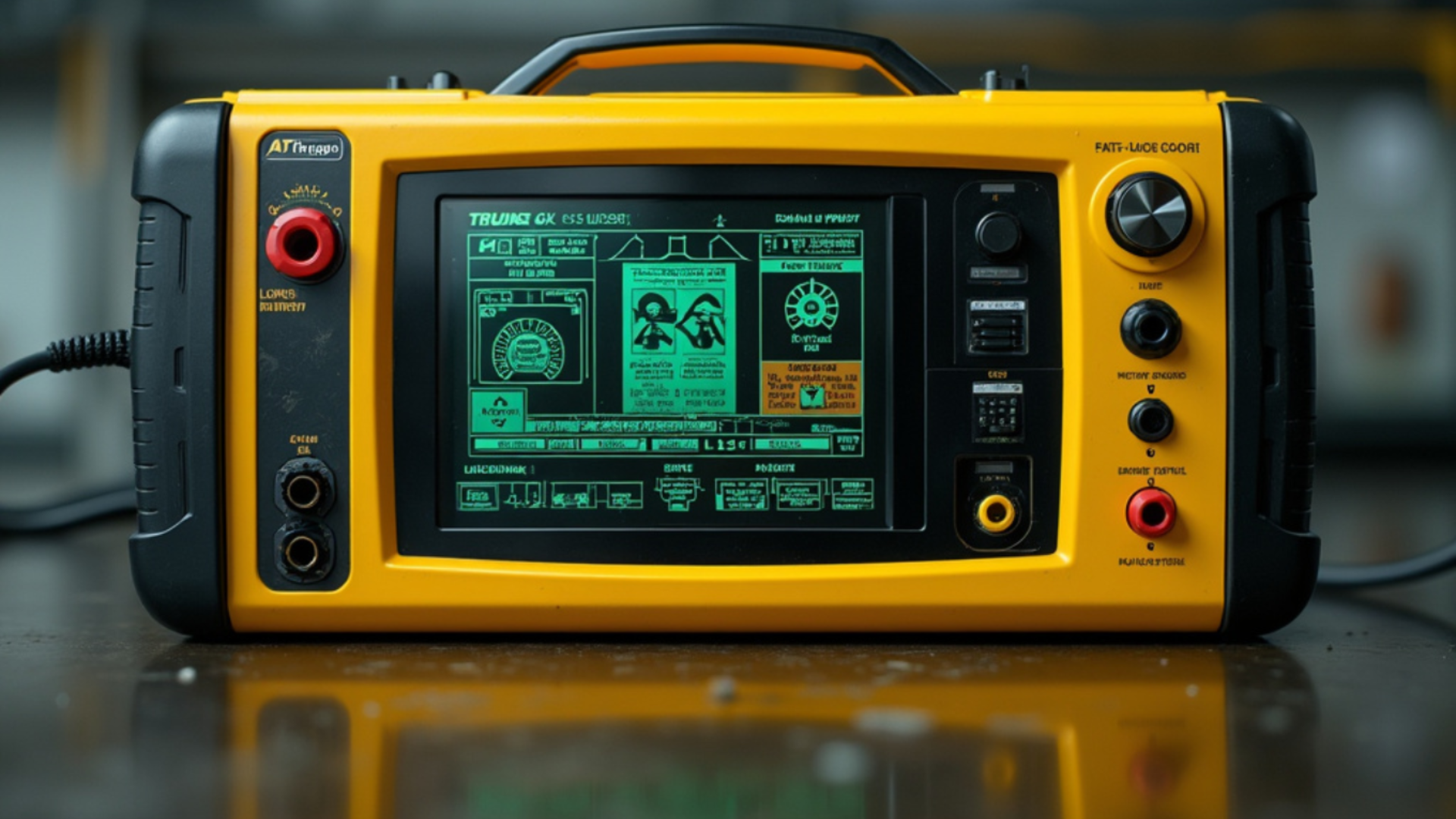
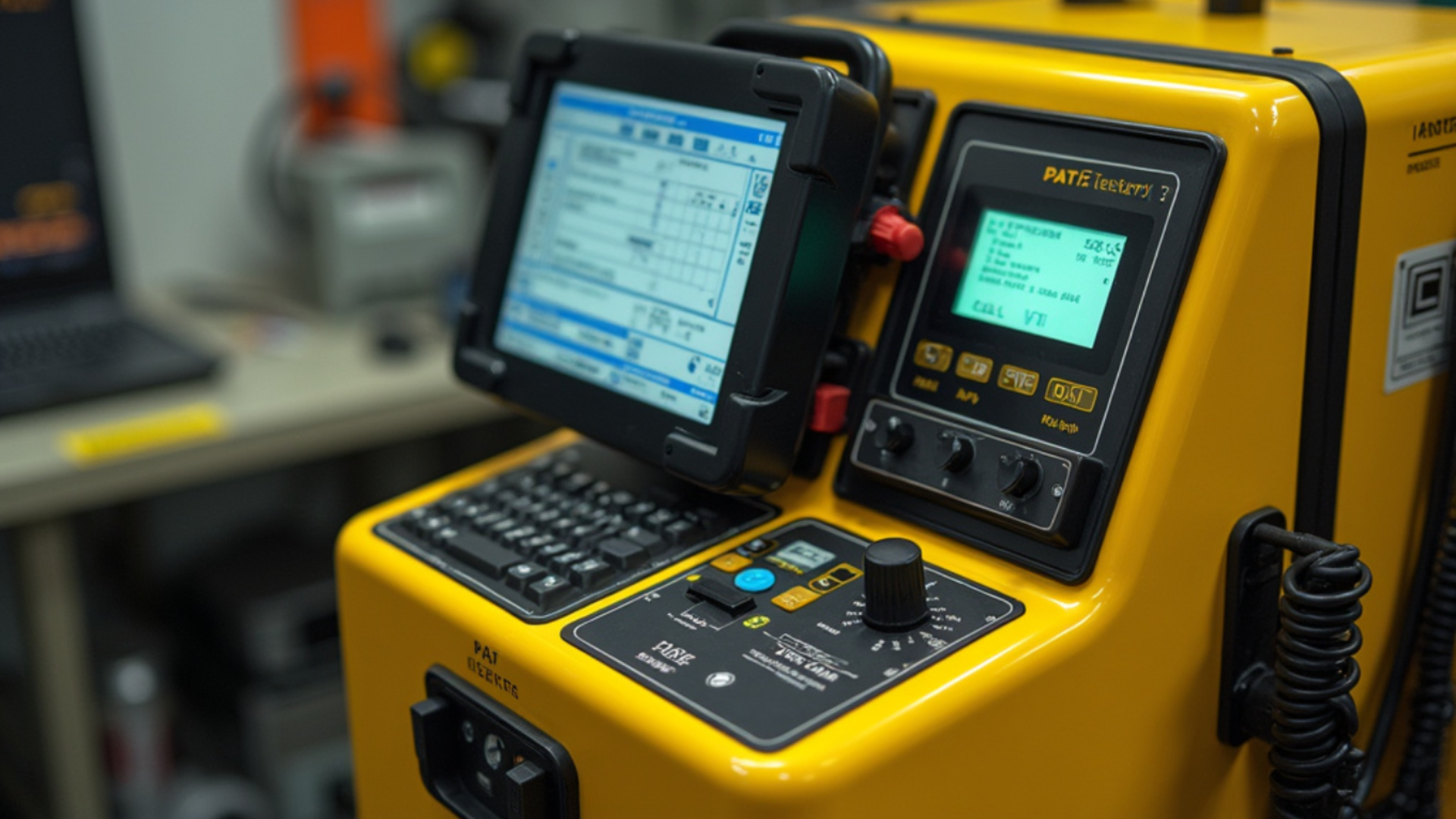
- Earth Continuity Testers: These testers verify the earth connection in appliances. To validate a correct earth connection, they monitor the resistance between the plug’s earth pin and any exposed metal portions of the device.
- Insulation Resistance Testers: These types of equipment assess electrical insulation resistance in appliances to ensure they align with safety standards. In other words, they apply a high voltage between the conductive portions and the insulation, while also measuring resistance to pinpoint probable breakdowns or obstacles.
- Multimeters: Multi-meters are versatile equipment that can accurately calculate a variety of electrical properties, such as resistance, power, and voltage. Moreover, they can be utilized during PAT testing to perform additional tests and rectify equipment. In other words, we can say it acts as a type of electrical fire extinguisher.
- Microwave Leakage Detectors: These instruments are used in microwave ovens for radiation leakage tests to assess the quantity of radiation seeping from the oven to ensure that it is within safety limits.
- Labels, Stickers and Tags: For maintaining documentation and records, an unobtrusive sticker applied to the side of workstation equipment should serve for day-to-day use without detaching. Moreover, these stickers help identify appliances that pass portable appliance testing by indicating the test date and the next required date for retesting.
- Visual Inspection: This approach first entails an in-depth visual examination of the appliance to detect any evident evidence of damage, wear, or breakdown. Specifically, it includes looking for frayed wires, loose links, shredded connectors, and mechanical damage to the appliance case. As a result, the first phase in the PAT testing procedure is a visual inspection, which helps detect any noticeable faults.
- Polarity Test: This type of test monitors an appliance’s correct wiring polarity. It verifies that the neutral and live wiring are connected correctly and that the polarity adheres to safety regulations. Polarity testers are used to detect wiring faults such as twisted live and neutral linkages.
- Functionality Testing: This approach entails testing the appliance under standard operating settings to ensure its proper functioning. Consequently, it guarantees that the device performs its stated activities accurately and without any functional shortcomings or anomalies.
Certificate of Online PAT Testing Course
Once you’ve successfully completed your Online pat testing course, including the assessment test, we will immediately send you a digital certificate. In addition, you can have your printed certificate delivered by post for a shipping cost of £5.99. Furthermore, our certifications have no expiry dates. However, we still recommend that you renew them every 12 months.

Course Curriculum
The detailed curriculum outline of our online pat testing training course is as follows:
Module 01: Introduction to PAT
First, learn the fundamentals of PAT testing, including hazards and safety checks, to ensure that your appliances stay in line with the required standards. Furthermore, stay safe by following this easy-to-follow strategy, which will guide you through the process step by step.
Module 02: Relevant Statutory Provisions for PAT
First, get familiar with the rules that govern PAT testing and understand who is accountable. Additionally, learn how to maintain equipment safety under UK mandates. By following these steps, you can maintain accuracy and prevent potential legal concerns.
Module 03: Safety Responsibilities & Maintenance Provisions
First, learn about critical safety duties and maintenance procedures for PAT testing. Additionally, ensure workplace safety by conducting necessary checks and risk analyses. Finally, make sure to respect legal rules to maintain a safe environment.
Module 04: Risk Assessment
Discover how to evaluate risks during PAT testing, detect dangers and assure electrical safety. Learn the best practices for inspections and legal duties.
Module 05: Reducing and Controlling Risks
Learn how to reduce electrical hazards in PAT testing through electric fire safety, hazard evaluations and emergency procedures. Keep your workspace and appliances safe.
Module 06: Electrical Units and Appliance Classification
Firstly, understand the electrical units, voltage, and appliance categories used in PAT testing. Additionally, explore how various equipment types influence safety and impact testing methods.”
Module 07: Equipment Coverage & Maintenance Needs
To maintain and protect your PAT testing equipment, regular inspections and maintenance are essential. Furthermore, ensuring frequent checks helps keep appliances safe and operational, reducing the risk of malfunction.
Module 08: Initial Visual Examination
An in-depth first visual examination is the first line of defence in PAT testing, identifying defects before they become potential hazards. Ensure electrical safety by conducting precise tests that identify wear, damage and possible hazards.
Module 09: Instruments for Testing and Equipment Inspection
Precision is crucial in PAT testing. Use the right gear to find obstacles before they become catastrophic. Ensure that all checks from insulation resistance to RCD testing are accurate and dependable in accordance with safety laws.
Module 10: Electrical Installation Testing
Accurate installation testing ensures electrical safety by detecting problems, verifying wire integrity and preventing risks from escalating. From insulation resistance to earth electrode testing, each check ensures stability and efficacy.
Module 11: Lead & RCD Testing
Ensure electrical safety by performing precise Lead and RCD testing—essential inspections for fault identification and protection against electrical hazards. Master the ability to test accurately and ensure the safety of equipment in any setting.
Module 12: Safety Precautions in Electrical Testing
Grasp the necessary safety precautions and protocols in electrical testing to safeguard both workers and equipment from imminent hazards. Learn how to use protective gear, and test equipment to follow safe procedures to avoid electrical shocks throughout each test.
Module 13: Reporting and Record-keeping
PAT testing requires accurate reporting and record-keeping to ensure the validity of test results and suitable documentation for future reference. Learn how to keep structured records, follow legal guidelines and manage defective equipment with precision and professionalism.
Module 14: Testing for New or Used Equipment
Testing new or old equipment is critical for assuring peak performance and safety. Therefore, it is important to learn how to validate both new and pre-owned items. By conducting rigorous inspections and following specific testing methodologies, you can ensure quality assurance and meet due diligence requirements.
Module 15: British Standards and Latest Changes
Stay up to speed on the newest British Standards for PAT testing. Learn how recent changes affect testing processes and guarantee your equipment complies with current electrical safety laws.
PAT Testing Course Reviews
Excellent

4.78 Average 43000+ Reviews
 Reviews
Frequently Asked Questions (FAQs)
Ahead of concluding with our closing words, we have addressed some of the frequently asked questions concerning PAT that you may find fruitful.
What is PAT Testing?
PAT stands for Portable Appliance Testing. In simple terms, it is a method of evaluating electrical equipment to ensure they are safe for use. This is important because malfunctioning electrical equipment can result in mishaps, such as electric shocks or fires.
What kind of testing is portable electrical equipment usually subjected to?
Portable apparatuses are first visually inspected for damage and then electrically tested to assure safety. Moreover, these tests include earth continuity, insulation resistance, and leakage current measurements.
Is pat testing a legal requirement?
Whilst PAT testing is not a legal requirement, UK law nevertheless requires that electrical equipment be sound and securely maintained to avoid harm. As a result, PAT testing is a widely accepted way of meeting this legal responsibility.
What is the legal requirement for PAT testing?
You will need precise technical testing expertise (PAT testing course certificate), professional indemnity and public liability insurance and electrical experience (electrical safety certificate) or be supervised by a professional to conduct and execute PAT testing activity.
How often should portable electrical equipment be tested?
The frequency could fluctuate from three months to a few years, depending on the conditions. It’s because high-risk situations may necessitate testing every three months where low-risk environments may only require it once or twice in a few years. A risk assessment determines the most appropriate timeline.
How much does PAT testing cost?
PAT tester salaries vary according to experience, region and whether they are hired or self-employed. Salaries might range from the minimum salary to much more for experienced, specialist testers or firm owners. This being the case, approximately between £20,000 and £40,000 per annum can be earned by a PAT tester in the UK.
What fire extinguisher is used for electrical fires?
A Class C fire extinguisher, crafted solely for electrical fires, is the best option. Multi-purpose ABC extinguishers, which can also put out electrical fires, are also widely used.
Which types of fire extinguisher should you use on live electrical equipment?
Use only PAT-tested fire extinguishers that are notably safe for the environment. PAT testing helps to avoid electrical catastrophes by ensuring equipment safety so that fire extinguishers can put out electrical fires in safe settings.
Who must carry out combined inspection and testing of electrical equipment?
Professionals with crucial expertise and skills in electrical safety and testing must conduct combined inspection and testing. This frequently requires licensed electricians or PAT testers who have received special training.
How do I maintain portable equipment that is used in multiple environments?
Maintain portable equipment used in numerous environments by checking it before each usage and arranging more frequent precise inspections due to the changing circumstances. A risk assessment will guide a suitable maintenance and testing strategy.
Do I Need Professional Help When Conducting a PAT Test?
While rudimentary visual inspections may be conducted by any individual, wide-ranging PAT testing, which includes electrical tests, should be completed by a qualified professional, often a registered electrician or trained PAT tester. This ensures accurate testing while eliminating the risk of unsafe handling. However, by completing our pet testing training you can get essential skills to become a pet tester.
Does brand-new electrical equipment require PAT?
New electrical equipment does not often require immediate PAT testing since it is believed to be safe by the manufacturer. However, a risk assessment should be undertaken, followed by testing based on the equipment’s intended usage and environment. As a result, local standards may exist that demand a formal visual inspection or a combined PAT before connecting electrical equipment to the main supply for the first time.
Should PAT testers keep documentation and records of completed PATs?
Yes. Maintenance records, notably PAT results, equipment information and inspection dates should be preserved for at least three years after the portable equipment is withdrawn from the area or safely disposed of. These documents verify lawful compliance, provide a record of equipment safety and dictate future testing schedules.
Pat Testing regulations UK?
The UK’s law mandates electrical equipment to be safe and well-kept to avoid hazards but it does not specify the requirement of “PAT testing.” PAT testing is a widely recognized way of demonstrating apparatus testing that corresponds with this obligation under the law.
By completing our pet testing training you can gain more knowledge about pet testing regulations UK.
Appliance repair near me?
Searching “appliance repair near me” on Google or other search engines will provide local results and contact information. You may also go through internet directories or ask for recommendations in your town.
Electrical shop near me?
Googling “electrical shop near me” online will provide results locally and directions to reach for PAT services.
PAT testing training course?
Here is a one plus one two-word answer for you: “Our Course”
Our PAT Testing Training Course is designed to equip you with the skills and knowledge needed to carry out Portable Appliance Testing (PAT) in a safe and effective manner. This course covers everything from the basics of electrical safety to the correct procedures for testing various electrical appliances. Whether you’re a complete beginner or looking to refresh your knowledge, this course will guide you through the essential steps and regulations to ensure compliance with health and safety standards. By the end of the pat testing training course, you’ll be confident in performing PAT tests and ensuring your workplace or home meets safety requirements.
What is a PAT Testing Certificate, and how do I get one?
A PAT Testing Certificate is proof that portable appliance testing has been carried out on your electrical equipment and that it meets the necessary safety standards. Once you complete our PAT Testing training course, you will gain the knowledge to conduct these tests and, upon successful completion, be awarded your PAT Testing Certificate. This certificate is an important document for employers and business owners, as it helps ensure compliance with safety regulations and demonstrates a commitment to maintaining a safe working environment.
What is the cost of a PAT test?
The cost of a PAT test can vary depending on factors such as the number of appliances being tested and the location of the service. Generally, prices can range from a small fee per appliance to a flat rate for a complete testing session. It’s important to get a clear quote from a certified PAT testing provider to ensure you’re getting the best value for your specific needs. Keep in mind that regular PAT testing is a crucial investment in safety and compliance for any business or property.
Course Curriculum
| PAT Testing | |||
| Module 01: Introduction to PAT | 00:25:00 | ||
| Module 02: Relevant Statutory Provisions for PAT | 00:25:00 | ||
| Module 03: Safety Responsibilities & Maintenance Provisions | 00:20:00 | ||
| Module 04: Risk Assessment | 00:30:00 | ||
| Module 05: Reducing and Controlling Risks | 00:30:00 | ||
| Module 06: Electrical Units and Appliance Classification | 00:20:00 | ||
| Module 07: Equipment Coverage & Maintenance Needs | 00:25:00 | ||
| Module 08: Initial Visual Examination | 00:25:00 | ||
| Module 09: Instruments for Testing and Equipment Inspection | 00:20:00 | ||
| Module 10: Electrical Installation Testing | 00:35:00 | ||
| Module 11: Lead & RCD Testing | 00:20:00 | ||
| Module 12: Safety Precautions in Electrical Testing | 00:30:00 | ||
| Module 13: Reporting and Record-keeping | 00:25:00 | ||
| Module 14: Testing for New or Used Equipment | 00:15:00 | ||
| Module 15: British Standards and Latest Changes | 00:25:00 | ||
SAVE 84% - OFFER ENDS SOON
Or
£125.00Original price was: £125.00.£20.00Current price is: £20.00. ex Vat- 1 year
- Advanced
- Course Certificate
- 6 hours, 10 minutes Gift this course
Buying more than one of the same courses?
- 50% discount for orders of 10+ courses
- 60% discount for orders of 50+ courses
- 70% discount for orders of 100+ courses