Hazard Analysis and Control

4.9 (18 REVIEWS)
130 STUDENTS

GET THIS COURSE AND 2500+ OTHERS FOR ONLY £49 FIND OUT MORE

Effective hazard analysis is essential for creating safer workplaces and preventing accidents before they occur. This Hazard Analysis and Control course provides practical knowledge of hazard identification, risk assessment, hazard control techniques, and HACCP principles, helping learners understand how to recognise, evaluate, and control workplace hazards while supporting HACCP food safety and broader safety management practices.

Whether you work in food production, manufacturing, construction, healthcare, or another high-risk industry, understanding hazard analysis is a valuable skill. This beginner-friendly course explains key concepts in clear, straightforward language, enabling you to apply practical control measures that improve safety, reduce risks, and support legal compliance.

Developed by qualified professionals, this UK-recognised CPD accredited course is delivered entirely online through Training Express. With interactive modules, expert tutor support, lifetime access, and an instant free CPD certificate upon completion, you’ll gain industry-relevant knowledge at your own pace on any device.

Key Features

Sneak Peek

Learning Outcomes

By the end of this course, you’ll understand how to identify workplace hazards, assess risks, and implement effective control measures that support safer working environments and improve organisational safety performance.

  • Understand the principles of hazard analysis and workplace safety.
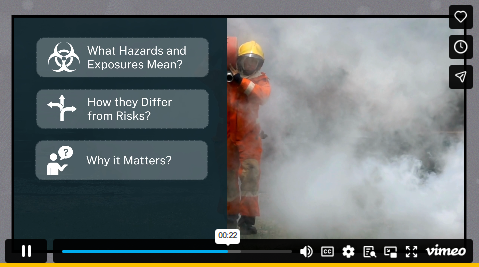
  • Explain the difference between hazards, risks, and exposures.
  • Identify common workplace hazards using recognised assessment techniques.
  • Apply HACCP principles and hazard control strategies effectively.
  • Use the hierarchy of controls to reduce workplace risks.
  • Carry out practical hazard analysis and problem-solving activities.
  • Develop SMART recommendations to improve workplace safety.
  • Communicate hazard control findings clearly and professionally.

Certification

  • Instant digital certificate available upon completion
  • Printed certificate available for delivery (postal charges may apply)
  • Certification is recommended to be renewed every 3 years to stay updated
Training-Express-Certificate-CPD-QS-1-1

Accreditation

This course is fully accredited by CPD and endorsed by QLS, ensuring recognised standards of quality and learning.

Who Should Take This Course

This course is suitable for anyone responsible for identifying, assessing, or controlling workplace hazards. Whether you’re beginning a career in health and safety or looking to strengthen your existing knowledge, the course provides practical skills that can be applied across a wide range of industries.

  • Health and Safety Officers
  • Food Safety Professionals
  • HACCP Team Members
  • Production and Manufacturing Staff
  • Warehouse Supervisors
  • Quality Assurance Professionals
  • Operations Managers
  • Compliance Officers
  • Business Owners
  • Anyone interested in workplace or HACCP food safety

No previous experience is required. The course is designed for beginners while offering practical knowledge that will also benefit experienced professionals responsible for workplace safety and risk management.

Why Take This Course

Every workplace contains potential hazards, but understanding how to identify and control them can significantly reduce accidents, injuries, and operational disruptions. This course provides practical guidance that helps you develop safer working practices while supporting legal compliance and continuous improvement.

  • Gain a UK-recognised CPD accredited qualification.
  • Learn practical hazard identification and risk assessment techniques.
  • Understand HACCP principles and workplace hazard control.
  • Study online with lifetime access.
  • Learn through interactive, easy-to-follow modules.
  • Receive expert tutor support throughout your studies.
  • Improve your workplace safety and compliance knowledge.
  • Strengthen your CV with industry-relevant skills.
  • Apply practical control measures across different industries.
  • Receive an instant free CPD certificate after successful completion.

Whether you’re aiming to improve workplace safety, strengthen your professional skills, or support your organisation’s compliance programme, this course provides practical knowledge that you can apply confidently in real working environments.

Job Opportunities & Salary Expectations in the UK

Completing a Hazard Analysis and Control course can support career progression across food manufacturing, production, logistics, healthcare, construction, engineering, and other industries where health and safety are a priority.

  • Health and Safety Officer£28,000–£40,000 per year
  • Food Safety Officer£30,000–£45,000 per year
  • Quality Assurance Officer£28,000–£42,000 per year
  • HACCP Coordinator£32,000–£48,000 per year
  • Health and Safety Advisor£35,000–£50,000 per year
  • Compliance Officer£35,000–£55,000 per year
  • Production Manager£40,000–£60,000 per year
  • Health and Safety Manager£45,000–£65,000 per year

Salaries vary depending on experience, qualifications, employer, industry, and location within the UK. Developing expertise in hazard analysis, workplace safety, and HACCP can improve long-term career opportunities across multiple sectors.

Entry Requirements

This course is suitable for learners of all experience levels.

  • No formal qualifications required.
  • No previous health and safety experience needed.
  • Basic English reading and writing skills.
  • Access to a computer, tablet, or smartphone with an internet connection.

Course Curriculum

The detailed curriculum outline of our Hazard Analysis and Control is as follows:

Begin by developing a solid understanding of the key concepts that underpin effective hazard analysis. This module explains the relationship between hazards, risks, and workplace exposures while highlighting the importance of proactive hazard management and employer responsibilities for maintaining safe working environments.

Accurate hazard identification is the first step towards effective risk control. In this module, you’ll explore practical methods used to recognise workplace hazards, evaluate routine tasks, involve employees in the process, and establish a proactive approach to preventing incidents before they occur.

Different hazards require different assessment approaches. This module introduces the main categories of workplace hazards and explains how various hazard analysis methods can be applied to different tasks, processes, and working environments to improve decision-making and workplace safety.

Effective hazard control requires selecting the most appropriate preventive measures. This module explores the hierarchy of controls, helping you understand how organisations eliminate or minimise workplace risks through practical engineering, administrative, and personal protective strategies.

Successful hazard management depends on identifying the root causes of safety issues rather than simply treating the symptoms. This module introduces practical problem-solving techniques that encourage critical thinking, collaborative decision-making, and the development of effective long-term hazard control solutions.

Conclude the course by learning how to communicate hazard control recommendations clearly and professionally. This module focuses on producing practical, evidence-based recommendations that support informed decision-making, strengthen workplace safety management systems, and encourage continuous improvement across the organisation.

FAQs

1. What is hazard analysis and control?

Hazard analysis and control is the process of identifying workplace hazards, assessing the risks they present, and implementing effective control measures to prevent injuries, illnesses, and accidents. It is a fundamental part of workplace health and safety and supports safer working environments across many industries.

2. What are HACCP principles?

The HACCP principles are a preventive approach used to identify, evaluate, and control food safety hazards before they affect consumers. These internationally recognised principles help organisations manage biological, chemical, and physical hazards while improving HACCP food safety standards and regulatory compliance.

3. Is this Hazard Analysis and Control course suitable for beginners?

Yes. This course is designed for beginners as well as experienced professionals looking to refresh their knowledge. Every topic is explained in simple language, making it easy to understand hazard analysis techniques, workplace safety practices, and effective control measures.

4. Can I study this Hazard Analysis and Control course online?

Yes. This course is delivered entirely online by Training Express, allowing you to study whenever it suits your schedule. With lifetime access, you can complete the course at your own pace using your computer, tablet, or smartphone and receive an instant free CPD certificate upon successful completion.

5. Why is hazard analysis important in food safety?

Hazard analysis plays a vital role in HACCP food safety by identifying potential biological, chemical, and physical hazards before they become risks to consumers. Applying hazard analysis helps businesses improve product safety, maintain legal compliance, reduce contamination risks, and protect public health.

6. What is the difference between a hazard and a risk?

A hazard is anything that has the potential to cause harm, such as chemicals, machinery, or unsafe working conditions. A risk is the likelihood that the hazard will cause harm and the severity of its consequences. Understanding this difference is essential for effective hazard analysis and workplace safety.

7. Who should use HACCP principles?

HACCP principles are widely used by food manufacturers, catering businesses, restaurants, food retailers, and other organisations involved in producing or handling food. They help identify food safety hazards, establish effective control measures, and ensure compliance with food safety regulations.

8. How does hazard analysis improve workplace safety?

Hazard analysis enables organisations to identify potential dangers before accidents occur. By assessing risks and implementing suitable control measures, businesses can reduce workplace incidents, protect employees, improve productivity, and create a safer working environment for everyone.

9. Will this course help with health and safety compliance?

Yes. This course provides practical knowledge of hazard identification, risk assessment, and hazard control techniques that support workplace health and safety compliance. The skills you gain can help organisations strengthen their safety management systems and meet industry best practices.

10. Can this course support my career in health and safety?

Absolutely. Employers value professionals who understand hazard analysis, risk management, and workplace safety. Completing this course can strengthen your CV, improve your professional confidence, and support career progression in health and safety, food safety, quality assurance, manufacturing, and compliance roles.

Course Curriculum

Introduction
Introduction 00:01:00
Module 1: Introduction to Hazards and Exposures
1.1. Introduction to Hazards and Exposures 00:01:00
1.1.1. Definition of Hazard and Exposure 00:01:00
1.1.2. Hazard vs. Risk 00:01:00
1.1.3. Common Consequences of Uncontrolled Hazards 00:01:00
1.1.4. Employer Responsibilities under OSHA and ANSI 00:01:00
Reading Materials
1. Introduction to Hazards and Exposures 00:00:00
Module 2: Hazard Identification Techniques
2.1.1. Workplace Inspections and Observation Programs 00:01:00
2.1.2. Job Hazard Analysis (Job Hazard Analysis) 00:01:00
2.1.3. Task-Based and Routine Inspections 00:01:00
2.1.4. Integrating Worker Input in Identification 00:01:00
Reading Materials
2. Hazard Identification Techniques 00:00:00
Module 3: Hazard Categories and Analysis Types
3.1. Hazard Categories and Analysis Types 00:01:00
3.1.1. Five Hazard Categories Materials, Equipment, Environment, People, Systems 00:01:00
3.1.2. Thirteen Specific Hazard Types Explained 00:01:00
3.1.3. Job Hazard Analysis (Job Hazard Analysis) in Practice 00:01:00
3.1.4. Change, Process, and Phase Hazard Analysis 00:01:00
3.1.5. Selecting the Right Type of Analysis 00:01:00
Reading Materials
3. Hazard Categories and Analysis Types 00:00:00
Module 4: Applying the Hierarchy of Hazard Controls
4.1. Applying the Hierarchy of Hazard Controls 00:01:00
4.1.1. Overview of the Hierarchy of Controls 00:01:00
4.1.2. Engineering Controls 00:01:00
4.1.3. Personal Protective Equipment (PPE) 00:01:00
Reading Materials
4. Applying the Hierarchy of Hazard Controls 00:00:00
Module 5: Problem Solving in Hazard Control
5.1.1. Fishbone (Ishikawa) Diagrams and Cause-Effect Mapping 00:01:00
5.1.2. Brainstorming and Mind-Mapping for Control Ideas 00:01:00
Reading Materials
5. Problem Solving in Hazard Control 00:00:00
Module 6: Writing and Communicating Recommendations
6.1. Writing and Communicating Recommendations 00:01:00
6.1.1. Characteristics of Effective Recommendations 00:01:00
6.1.2. Writing SMART Control Measures 00:01:00
6.1.3. Prioritising Actions by Risk and Feasibility 00:01:00
6.1.4. Communicating Findings to Decision-Makers 00:01:00
6.1.5. Strengthening the Safety Management System through Recommendations 00:01:00
Reading Materials
6. Writing and Communicating Recommendations 00:00:00
Hazard Analysis and Control
ex Vat

SAVE 84% - OFFER ENDS SOON

TAKE THIS COURSE

Or

  • Original price was: £125.00.Current price is: £20.00. ex Vat
  • 1 year
  • Course Certificate
  • 28 minutes
  • Gift this course
£20 /Unit Price
Total:
£100.00
Quantity:

Buying more than one of the same courses?

  • 50% discount for orders of 10+ courses
  • 60% discount for orders of 50+ courses
  • 70% discount for orders of 100+ courses

Looking for a more personalised package?

contact us now

Instructors

130 STUDENTS ENROLLED