Food Hygiene
 Health & Safety
 Safeguarding
 First Aid
 Business Skills
 Personal Development



Arc eye is a painful burn to the surface of the eye caused by ultraviolet (UV) light, most often from a welding arc. You might also hear it called welder’s flash, flash burn or, medically, photokeratitis.
The tricky thing about arc eye is that you usually don’t feel it straight away. Symptoms tend to appear 3 to 12 hours after exposure, which is why many welders wake up in the night with sore, streaming eyes. The good news is that most cases clear up within 24 to 48 hours. However, if the pain is severe or your sight isn’t improving, you should get medical help.
In this guide, we’ll explain what arc eye is, what causes it, how to treat it and, most importantly, how to stop it happening in the first place.
Table of Contents
What Is Arc Eye?
Arc eye is inflammation of the cornea, the clear front layer of your eye, after it has been exposed to intense UV light. The easiest way to think of it is as sunburn on your eye.
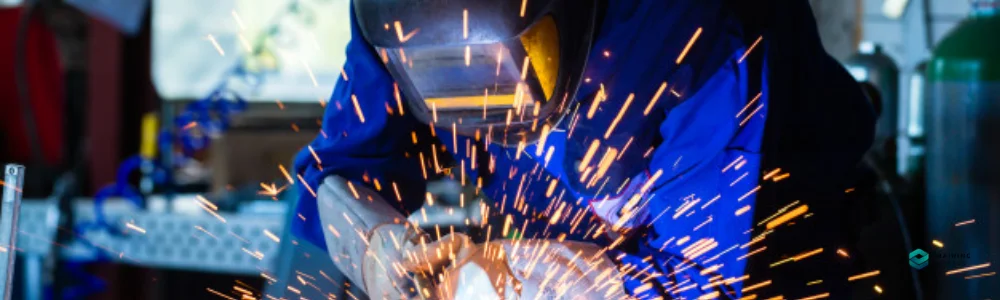
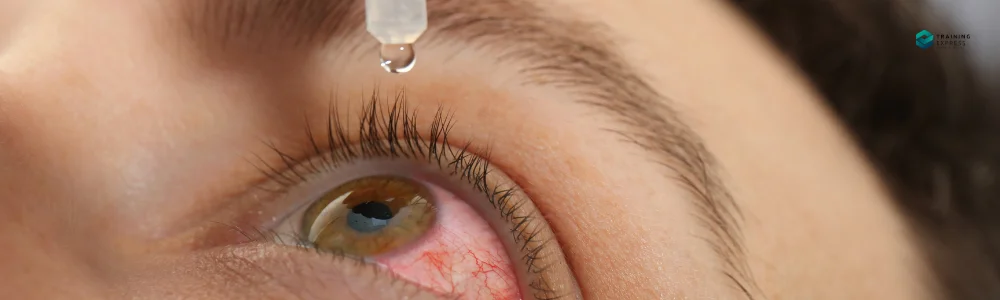
UV light damages the cells on the surface of the cornea. Over the next few hours, those cells swell and loosen, which exposes the nerve endings underneath. That’s why arc eye feels like you’ve got sand or grit in your eyes, even though there’s nothing there.
Arc eye usually affects both eyes, because both are normally exposed to the arc at the same time. It’s a short-term injury, and the cornea is very good at repairing itself. Even so, it’s extremely painful, and repeated exposure can lead to longer-term problems.
What Causes Arc Eye?
The main cause of arc eye is looking at a welding arc without the right eye protection, even for a few seconds. Welding arcs give off very strong UV light, and you don’t have to be the one welding to be affected.
Common ways people get arc eye at work include:
- Welding without a helmet, or lifting the helmet to check the weld while the arc is still lit
- Using the wrong filter shade for the process or current
- Striking the arc before the helmet is down, or using an auto-darkening helmet with a faulty sensor or flat battery
- Working near a welder without screens or curtains, which is how many helpers, apprentices and passers-by are affected
- Reflected UV bouncing off shiny metal, light-coloured walls or other bright surfaces
- Plasma cutting and other arc processes, such as MMA (stick), MIG, TIG and arc gouging
Arc eye isn’t only caused by welding. The same injury can come from sunlight reflecting off snow or water (often called snow blindness), sunbeds, and some specialist UV lamps. However, welding is by far the most common cause in the workplace.
Arc Eye Symptoms and When They Start
The symptoms of arc eye can range from mild discomfort to severe pain. They include:
- A gritty or sandy feeling, as if something is stuck in your eye
- Sharp pain, which is often worse when you blink
- Red, bloodshot eyes
- Watering eyes
- Sensitivity to light
- Swollen or twitching eyelids, and finding it hard to keep your eyes open
- Blurred vision
- A headache
Because symptoms are delayed, it’s easy to miss the link between the welding and the pain. If your eyes start hurting in the evening after a day near welding, arc eye is the most likely cause.
Here’s what usually happens after exposure:
| Time after exposure | What usually happens |
|---|---|
| 0–3 hours | Often no symptoms at all. |
| 3–12 hours | Pain, grittiness, watering and light sensitivity begin. They can start sooner after a strong exposure. |
| Around 18 hours | Vision usually starts to return to normal. |
| 24–48 hours | The surface of the cornea has usually healed. |
If your symptoms last longer than 48 hours, or get worse instead of better, see an optometrist or contact NHS 111.
What to Do If You Think You Have Arc Eye
If you think you have arc eye, the most important things are to rest your eyes and get advice if you’re unsure. Here’s what to do:
- Stop any further exposure. Don’t carry on welding or working near the arc.
- Take out contact lenses if you wear them, and don’t put them back in until your eyes have fully healed.
- Rest your eyes. Keep them closed as much as you can, ideally in a dim, quiet room.
- Use a cold compress. A clean, cool, damp cloth over closed eyes can ease the pain.
- Take simple painkillers such as paracetamol or ibuprofen if you need them. Always follow the dose on the pack, and ask a pharmacist if you’re not sure they’re right for you.
- Wear sunglasses if light makes the pain worse.
- Get advice. Call NHS 111 or speak to an optometrist, a pharmacist or a minor injuries unit, especially if the pain doesn’t settle.
There are also a few things you should avoid:
- Don’t rub your eyes. It can damage the cornea further.
- Don’t put home remedies in your eyes. Milk, oils, potato, tea bags and similar remedies aren’t sterile and can cause an infection in an eye that’s already damaged.
- Don’t use leftover or borrowed eye drops, and never use anaesthetic eye drops at home.
- Don’t drive if your vision is blurred or you can’t keep your eyes open.
Get urgent help (go to A&E or call 999) if:
- The pain is severe and isn’t easing
- Your vision is badly affected or doesn’t start to improve
- Something has hit your eye, such as hot metal, spatter or a chemical
- There’s something stuck in your eye that you can’t easily rinse out
If you’re not sure how urgent it is, call NHS 111 for advice.
How Is Arc Eye Diagnosed and Treated?

Arc eye is usually diagnosed by an optometrist, a GP or a nurse at a minor injuries unit or eye casualty. They’ll ask what you were doing and when, then examine your eyes.
To see the damage, they may:
- Put in an anaesthetic eye drop so you can open your eyes comfortably for the examination
- Use fluorescein, an orange dye that makes damaged areas of the cornea show up under a blue light
- Check your eyes for anything else, such as a small piece of metal, which can cause similar symptoms
Anaesthetic drops are only used during the examination. You won’t be given them to take home, because repeated use can slow down healing and hide further damage.
Treatment for arc eye focuses on easing the pain and helping the cornea heal. Depending on how severe it is, you might be given:
- Antibiotic eye drops or ointment for a few days, to prevent infection while the cornea repairs
- Lubricating eye drops to keep the eye comfortable
- Advice on pain relief, such as paracetamol or ibuprofen
- Drops to relax the eye muscles, in some cases, to reduce aching
Most people are back to normal within a day or two. Your clinician may ask you to come back for a check if your symptoms are severe.
Can Arc Eye Cause Permanent Damage?
In most cases, no. A single episode of arc eye usually heals completely within 48 hours and leaves no lasting damage.
However, that doesn’t mean it’s harmless. Every episode means your eyes have taken a dose of UV that was strong enough to burn them. Over time, repeated UV exposure is linked to longer-term eye problems, including cataracts. Arc eye is also a clear sign that the eye protection in place isn’t working, which means the next exposure could be worse.
If you’ve had arc eye more than once, it’s worth having a full eye examination and looking closely at how you, or your employer, are controlling the risk.
How to Prevent Arc Eye at Work
Arc eye is almost entirely preventable. It comes down to three things: the right eye protection for the welder, protection for everyone nearby, and good habits backed up by training.
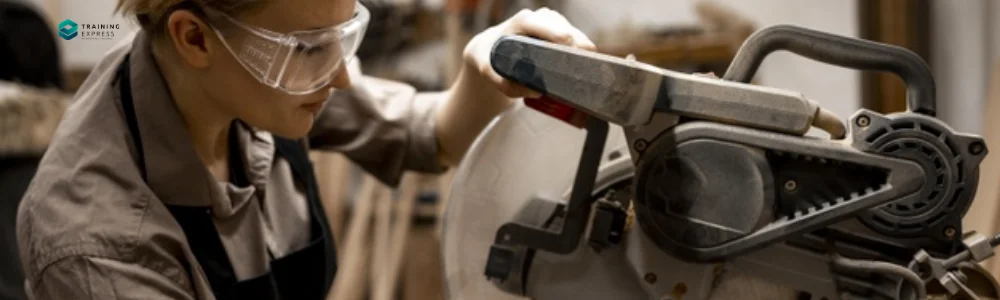
Choosing the Right Helmet and Filter Shade
Every welder needs a welding helmet or face shield with the correct filter for the job. In the UK, look for eye protection marked to these standards:
- EN 175 – welding helmets and face shields
- EN 169 – fixed (passive) welding filters
- EN 379 – auto-darkening welding filters
The filter’s shade number tells you how dark it is. Higher numbers block more light. The right shade depends on the welding process and the current you’re using. As a rough guide:
| Process | Current | Typical shade range |
|---|---|---|
| MMA (stick) | 60–160 A | 10–12 |
| MMA (stick) | Over 160 A | 12–14 |
| MIG / MAG and flux-cored | Under 60 A | 7–10 |
| MIG / MAG and flux-cored | 60–160 A | 10–12 |
| TIG | Under 50 A | 8–10 |
| TIG | 50–150 A | 10–12 |
| TIG | Over 150 A | 12–14 |
| Plasma cutting | Varies | 9–14 |
Source: American Welding Society shade guide. Always check the guidance in EN 169 and from your helmet’s manufacturer.
If you’re unsure, start with a darker shade and go lighter until you can see the weld pool clearly, while staying within the recommended range.
A few simple habits make a big difference:
- Put your helmet down before you strike the arc, every time, even for a quick tack weld.
- Never lift your helmet to look at the weld while the arc is lit.
- Check auto-darkening helmets before each use. Make sure the battery is charged, the sensors are clean and uncovered, and the shade is set correctly.
- Wear safety glasses under your helmet. They protect you from flying debris when you lift the helmet to chip or grind.
- Replace scratched, cracked or damaged lenses straight away.
Protecting People Nearby
Many cases of arc eye happen to people who weren’t welding at all. Helpers, apprentices, other trades and passers-by can all be affected by direct or reflected UV.
To protect them:
- Use welding screens or curtains around the work area. They should meet EN 1598.
- Remember people above. If others can look down on the work from walkways or mezzanines, screen from above too.
- Give helpers suitable eye protection, such as safety glasses with the right filter or their own welding shield if they’re close to the arc.
- Put up warning signs so people know welding is taking place.
- Reduce reflections by using matt, darker finishes on walls and surfaces near welding bays where you can.
What Employers Must Do
In the UK, employers have a legal duty to protect workers from risks such as arc eye. Under the Management of Health and Safety at Work Regulations 1999, they must assess the risks of any welding work. Under the Personal Protective Equipment at Work Regulations 1992, they must:
- Provide suitable eye and face protection, free of charge
- Make sure it fits, is maintained, and is replaced when it’s damaged
- Give workers information, instruction and training on how to use it
- Make sure it’s actually used
PPE should be the last line of defence, though. Screens, well-planned welding bays and safe working procedures should come first. Workers have a duty too: they must use the PPE they’re given and report anything that’s lost or damaged.
Good training ties all of this together. When welders and supervisors understand the hazards, they’re far more likely to spot problems and follow safe working practices.
Closing Remark
There are many cases of eye injuries in workplaces; several of them are often related to radiation and lights. But taking an injury lightly leads to severe consequences. Even if you know how to treat an Arc-Eye, it is necessary to get treatment from experts and follow their advice.
Arc Eye FAQs
How long does arc eye last?
Most cases of arc eye last 24 to 48 hours. Symptoms usually start 3 to 12 hours after exposure, and vision often begins to return to normal after around 18 hours. If your symptoms last longer than 48 hours, see an optometrist or call NHS 111.
Can I go to work with arc eye?
You should rest your eyes until the pain has settled and your vision is clear. Don’t drive, operate machinery or go back to welding while your vision is blurred or your eyes are sore. Let your employer know, too, because arc eye means there’s a gap in how the risk is being controlled.
Do sunglasses or safety glasses stop arc eye?
No. Sunglasses and ordinary safety glasses aren’t designed for the intensity of a welding arc. If you’re welding, you need a helmet or shield with a filter of the right shade, marked to EN 169 or EN 379. If you’re nearby, you should be protected by screens and suitable eye protection.
How far away from welding do you need to be to avoid arc eye?
There’s no single safe distance. UV from a welding arc can cause arc eye from several metres away, and it can bounce off shiny or light-coloured surfaces. The safest approach is to keep welding behind screens or curtains and to wear eye protection whenever you’re near an arc.
Can you get arc eye from looking at welding once?
Yes. Just a few seconds of looking at an unshielded welding arc can be enough to cause arc eye, which is why helmets should always be down before the arc is struck.
This guide is for general information only and isn’t a substitute for medical advice. If you’re worried about your eyes, call NHS 111 or speak to an optometrist.
Sources
- NHS 111 Wales: Arc eye (photokeratitis) leaflet
- Specsavers: What is arc eye and how can I avoid it?
- CCOHS: Welding – radiation and the effects on eyes and skin
- American Welding Society: Welding lens shade chart
- TWI: What eye protection is needed by arc welders?
- HSE: Personal Protective Equipment at Work Regulations
- Fire and Safety Centre: Welding screens

Thomas Nora
Author | Specialises in E-Learning.
Thomas Nora is a Health and Safety Spcialist at Training Express, with over 5 years of experience creating practical resources and strategies to support learners and enhance their professional & personal development.
Reviewed by: Steve Hawk, professional welder & workplace safety specailist at NAVANTIA UK
Other Blogs