Food Hygiene
 Health & Safety
 Safeguarding
 First Aid
 Business Skills
 Personal Development


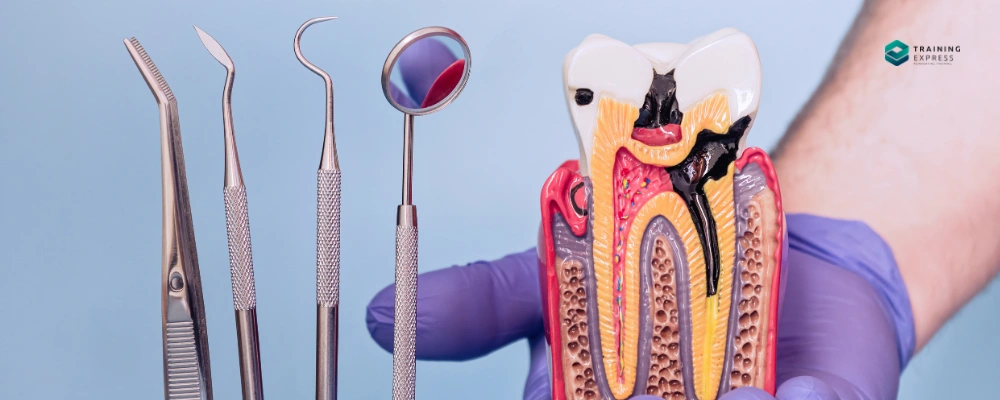
An endodontist is a dental specialist who diagnoses and treats problems inside the tooth, particularly the dental pulp (the soft tissue containing nerves and blood vessels). Endodontists are best known for performing root canal treatment, but they also handle complex tooth pain, dental trauma, and procedures designed to save natural teeth whenever possible.
The good news? Modern endodontic treatment is far more comfortable than many people expect. According to the American Association of Endodontists (AAE), root canal treatment is similar to getting a dental filling for many patients and can often relieve pain rather than cause it.
Table of Contents
What Is Endodontics?
Endodontics is the branch of dentistry focused on treating conditions inside the tooth — the pulp, root canals, and surrounding tissues.
The term endodontics comes from two Greek words:
- “Endo” meaning “inside”
- “Odont” meaning “tooth”
An endodontist’s main mission is simple: preserve natural teeth and prevent unnecessary extractions.
After dental school, endodontists complete advanced specialist training in diagnosing tooth pain, performing root canals, and treating complex dental infections. Using specialized techniques and equipment, they focus on saving damaged or infected teeth whenever possible.
Why is Endodontic Treatment Important?
Endodontic treatment is important because untreated infections can spread and lead to serious complications. A dental infection rarely resolves on its own and may worsen over time.
When bacteria reach the pulp, the tissue can become inflamed and infected. Without treatment, the infection may spread into surrounding bone and soft tissues, potentially causing swelling, abscesses, and significant pain.
Saving your natural tooth is typically the preferred option. Natural teeth help maintain proper chewing function, preserve jawbone structure, and keep neighboring teeth in alignment. Endodontic treatment allows many patients to avoid extraction while restoring comfort and function.
What Does an Endodontist Do?
While general dentists perform many routine procedures, endodontists focus almost exclusively on saving teeth that might otherwise need extraction.
| Service | Purpose |
|---|---|
| Root canal treatment | Removes infected pulp and saves the tooth |
| Endodontic retreatment | Fixes root canals that did not heal properly |
| Apicoectomy | Surgical removal of the tip of a tooth root |
| Dental trauma treatment | Treats cracked, fractured, or knocked-out teeth |
| Pain diagnosis | Identifies the source of complex dental pain |
Most endodontists perform root canal-related procedures daily. Their specialized training and equipment allow them to manage complex cases that may be difficult to treat in a general dental office. Many use advanced technologies such as digital imaging, cone beam CT scans (3D dental imaging), and operating microscopes to improve accuracy and treatment outcomes.
Common Reasons to See an Endodontist
People usually see an endodontist because of tooth pain, infection, injury, or a referral from their general dentist. You may need an evaluation if you’re experiencing symptoms that suggest damage to the tooth’s pulp.
Common reasons include:
- Persistent tooth pain
- Sensitivity to hot or cold temperatures
- Pain when chewing or biting
- Swollen gums near a tooth
- Deep tooth decay
- Cracked or fractured teeth
- Dental trauma from an accident or sports injury
- A failed previous root canal
Not all tooth pain requires root canal treatment. Sometimes pain originates from gum disease, jaw problems, sinus issues, or referred pain from another tooth.
That’s one reason endodontists are valuable—they specialize in finding the true source of discomfort.
Endodontics Procedures

Endodontists provide several specialized treatments designed to save teeth and eliminate infection.
- Root Canal Treatment — Removes infected or inflamed pulp, cleans the root canals, and seals the tooth to prevent reinfection.
- Endodontic Retreatment — Performed when a previous root canal does not heal properly or develops a new infection.
- Apicoectomy — A minor surgical procedure that removes the tip of a tooth root and surrounding infected tissue when conventional treatment isn’t enough.
- Traumatic Dental Injury Treatment — Endodontists frequently treat teeth damaged by accidents, sports injuries, or falls.
- Regenerative Endodontics — In selected cases involving young patients, regenerative procedures may help encourage continued root development and healing.
The primary goal of all these procedures is the same: save the natural tooth whenever possible.
What to Expect During Your First Endodontist Visit
Your first visit usually involves an examination, diagnostic imaging, and a discussion about treatment options.
The appointment often begins with a review of your symptoms and medical history. Be prepared to describe:
- When the pain started
- What triggers the pain
- Whether it’s constant or intermittent
- Any previous dental treatment on the tooth
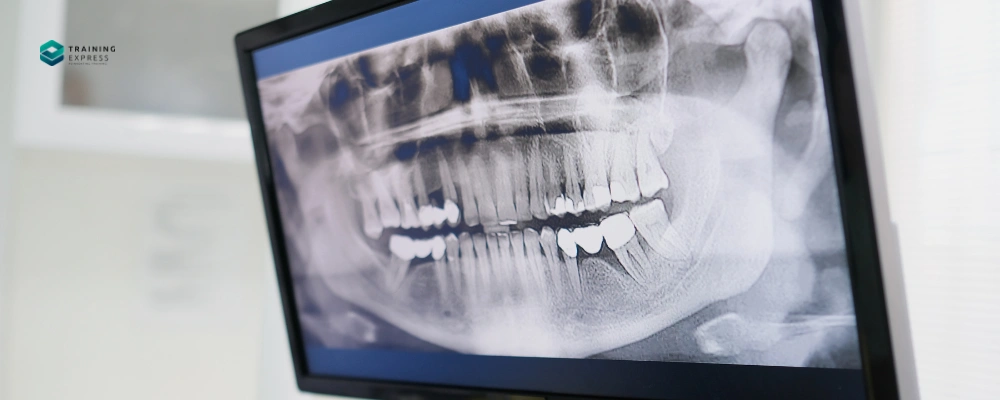
The endodontist will perform a detailed examination and may take digital X-rays or a cone beam CT scan to evaluate the tooth and surrounding structures.
If treatment is needed, you’ll typically receive an explanation of:
- The diagnosis
- Recommended procedures
- Expected outcomes
- Risks and benefits
- Estimated costs
In some cases, treatment may begin during the same appointment.
How Does an Endodontist Test a Tooth?
Endodontists use several specialized tests to determine whether the pulp inside a tooth is healthy, inflamed, or infected. These tests help identify the exact cause of symptoms before treatment begins.
Common diagnostic methods include:
| Test | Purpose |
|---|---|
| Percussion test | Checks for pain when tapping the tooth |
| Bite test | Evaluates cracks or bite-related pain |
| Cold test | Measures nerve response to temperature |
| Electric pulp test | Assesses nerve vitality |
| X-rays | Detect infection, decay, and root problems |
| CBCT scan | Provides detailed 3D images |
A cold test often involves applying a cold substance to the tooth. A healthy tooth typically responds briefly and then returns to normal — lingering pain can indicate pulp inflammation. Combining multiple tests helps the endodontist make an accurate diagnosis.
Root Canal vs. Tooth Extraction: Which Is Better?
Saving your natural tooth with a root canal is usually the better option, but extraction may be necessary in certain cases.
| Feature | Root Canal | Tooth Extraction |
|---|---|---|
| Keeps natural tooth | Yes | No |
| Preserves jawbone and bite alignment | Yes | Often requires a bridge or implant afterward |
| Recovery | Mild soreness for a few days | Longer healing, possible dry socket risk |
| Long-term cost | Root canal + crown | Extraction + replacement (bridge or implant) often costs more over time |
Extraction may be recommended instead of a root canal if the tooth is severely fractured below the gumline, has inadequate bone support, or can’t be restored. Your endodontist can tell you during your evaluation whether your tooth is a good candidate for saving.
Root Canal Recovery: Aftercare and Healing Time
Most people return to normal activities the next day, with mild soreness that fades within a few days.
To support healing:
- Avoid chewing on the treated tooth until it’s fully restored with a permanent filling or crown
- Stick to soft foods for the first day or two
- Take over-the-counter pain relievers as needed
- Keep up your normal brushing and flossing routine
- Contact your endodontist if you notice severe pain, swelling, or an allergic reaction
A follow-up visit with your general dentist is usually needed to place a permanent crown or filling, which protects the tooth long-term.
What's the Difference Between a Dentist and an Endodontist?
A dentist provides general oral healthcare, while an endodontist is a specialist focused on treating the inside of the tooth.
Think of it like the difference between a family physician and a medical specialist.
| Aspect | General Dentist | Endodontist |
|---|---|---|
| Primary Role | Provides routine dental care | Specialises in pulp and root canal treatment |
| Main Focus | Performs cleanings, fillings, crowns | Focuses on complex tooth-saving procedures |
| Training | Completes dental school | Completes dental school plus specialty training |
| Types of Cases | Treats a broad range of dental issues | Treats root canal and dental pain cases daily |
Many dentists perform root canals. However, complex cases involving curved canals, previous root canal failures, trauma, or unusual anatomy are often referred to an endodontist.
Because they focus on these procedures every day, endodontists typically have extensive experience managing difficult cases.
What Kind of Training Does an Endodontist Receive?
Endodontists complete several additional years of advanced training beyond dental school.
After earning a dental degree, they enter an accredited endodontic residency program, which typically lasts two to three years.
During this training, they learn:
- Advanced root canal techniques
- Diagnosis of dental pain
- Endodontic surgery
- Trauma management
- Microscopic treatment methods
- Advanced imaging interpretation
According to the American Association of Endodontists (AAE), endodontists may perform hundreds of root canal procedures during their specialty training.
This additional education allows them to manage highly complex cases that general dentists may not routinely encounter.
How to Find and Choose an Endodontist

Look for board certification, experience with your specific case, and a practice that uses modern diagnostic technology.
A few things worth checking:
- Credentials — Confirm they’re a licensed endodontist, not just a general dentist offering root canals
- Referral vs. direct booking — Most patients are referred by their dentist, but many endodontists also accept patients directly
- Technology — Practices using cone beam CT scans and operating microscopes can often diagnose and treat more precisely
- Reviews and experience — Look for experience with cases similar to yours (retreatment, trauma, surgical cases)
- Insurance and payment options — Confirm coverage and ask about financing before your appointment
What Is the Most Common Endodontic Procedure?
The most common endodontic procedure is root canal treatment, needed when the pulp inside the tooth becomes infected, inflamed, or severely damaged.
The procedure generally involves:
- Numbing the area with local anesthesia
- Creating a small opening in the tooth
- Removing infected pulp tissue
- Cleaning and shaping the canals
- Filling and sealing the canals
- Restoring the tooth with a filling or crown
Despite its reputation, modern root canal treatment is designed to relieve pain, not cause it. Many patients report feeling significantly better once the infection is removed.
When Should I Call an Endodontist?
You should contact an endodontist if you’re experiencing persistent tooth pain, severe sensitivity, swelling, or signs of infection.
Symptoms that may require prompt evaluation include:
- Severe toothache
- Pain when biting
- Swollen gums
- Facial swelling
- A pimple-like bump on the gums
- Lingering sensitivity to hot or cold
- Tooth discoloration after injury
Early treatment can often prevent complications and improve the chances of saving the tooth.
If swelling is spreading or accompanied by fever, seek immediate dental care.
Why Would a Dentist Refer You to an Endodontist?
Dentists refer patients to endodontists when a case requires specialized expertise, advanced equipment, or complex treatment.

A referral does not necessarily mean something is seriously wrong. It often means your dentist wants you to receive the most appropriate care for your specific situation.
Common reasons for referral include:
- Difficult root canal anatomy
- Persistent tooth pain without a clear cause
- Previous root canal failure
- Dental trauma
- Surgical endodontic needs
- Complex infections
Many dentists work closely with endodontists as part of a collaborative treatment team focused on preserving your natural teeth.
How Much Does an Endodontist Cost?
The cost of seeing an endodontist varies depending on the procedure, tooth location, and geographic area.
Front teeth generally have fewer canals and are less complex to treat than molars.
Average U.S. cost ranges may include:
| Procedure | Typical Cost Range |
|---|---|
| Consultation | $100–$300 |
| Root canal (front tooth) | $700–$1,500 |
| Root canal (premolar) | $800–$1,800 |
| Root canal (molar) | $1,000–$2,500+ |
| Apicoectomy | $900–$3,000 |
Actual fees vary significantly by location and case complexity.
Many dental offices provide financing options or payment plans to help manage costs.
Does Dental Insurance Cover Root Canal Treatment?
Yes, many dental insurance plans provide partial coverage for root canal treatment.

Coverage often falls under major restorative services and may cover a percentage of treatment costs after deductibles are met.
Coverage varies by plan and may depend on:
- Annual benefit limits
- Waiting periods
- Network participation
- Medical necessity requirements
Contact your insurance provider before treatment to understand your expected out-of-pocket expenses.
How Long Does a Root Canal Last?
A properly treated and restored root canal can last many years and often remains successful for a lifetime.
Long-term success depends on several factors, including:
- Quality of treatment
- Timely placement of a crown when needed
- Oral hygiene habits
- Overall tooth condition
- Avoidance of new decay or fractures
Research published in peer-reviewed dental literature shows high success rates for root canal treatment, frequently exceeding 85–95% in appropriately selected cases.
Brushing twice daily, flossing regularly, and attending routine dental visits help protect treated teeth for the long term.
Final Thoughts
An endodontist is a dental specialist dedicated to diagnosing and treating problems inside the tooth, including infections, nerve damage, and injuries affecting the dental pulp and roots. Their expertise helps patients preserve natural teeth through procedures such as root canal treatment, retreatment, trauma management, and root-end surgery.
If you’ve been referred to an endodontist, it usually means your dentist wants you to receive specialized care designed to save your tooth and relieve discomfort. Modern endodontic treatments are highly effective, and advances in technology have made procedures more comfortable and predictable than ever before.
If you’re experiencing persistent tooth pain, swelling, sensitivity, or other concerning symptoms, speak with a dental professional promptly. Early diagnosis and treatment can help protect your natural smile and prevent more serious complications.
Frequently Asked Questions (FAQ)
Why would a dentist refer you to an endodontist?
A dentist may refer you to an endodontist for complex root canal treatment, unexplained tooth pain, dental trauma, or a failed previous root canal. Endodontists have advanced training and specialized equipment for these situations.
Do endodontists do anything other than root canals?
Yes. Endodontists diagnose dental pain, perform endodontic surgery, treat traumatic dental injuries, manage root canal retreatment cases, and help save teeth that might otherwise need extraction.
When is it too late to avoid a root canal?
It may be too late to avoid a root canal when the pulp becomes irreversibly infected or severely inflamed. An examination and imaging are needed to determine whether the tooth can still be treated conservatively.
Can a tooth still rot after a root canal?
Yes. A root canal removes infected pulp, but it does not make the tooth immune to decay. Good oral hygiene and regular dental care remain essential.
What is the most feared dental procedure?
Many people consider root canal treatment the most feared dental procedure. However, modern techniques, local anesthesia, and advanced technology have made root canals significantly more comfortable than their reputation suggests.

Robert Lawrence
Author | Specialises in e-learning.
Robert Lawrence is an e-learning specialist and tutor at Training Express, with experience creating practical resources and strategies to support learners and enhance their professional development.
Related Blogs