Food Hygiene
 Health & Safety
 Safeguarding
 First Aid
 Business Skills
 Personal Development
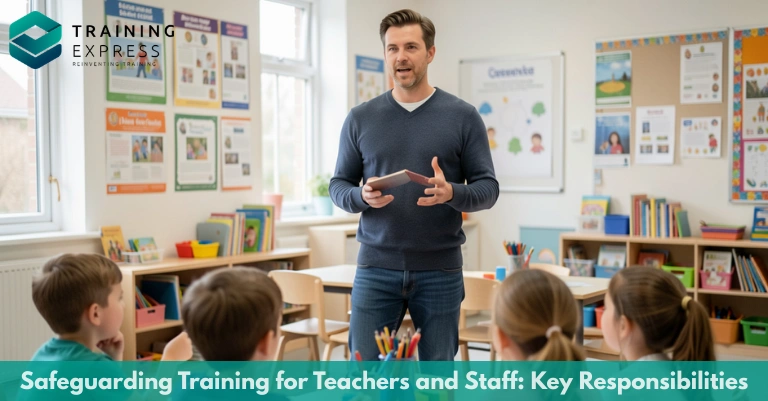

Safeguarding children and vulnerable adults is one of the most critical responsibilities in any educational setting. Teachers and school staff are not only educators but also frontline protectors of children’s welfare. Understanding safeguarding is no longer optional; it is a legal and moral obligation that underpins every interaction with pupils.
With increasing awareness of issues such as child abuse, neglect, bullying, online exploitation, and mental health concerns, schools must equip their staff with the knowledge, skills, and confidence to identify risks and respond appropriately. Safeguarding training for teachers is essential to ensure that staff are prepared to act promptly and effectively in protecting pupils. This requires ongoing professional development, clear policies, and a culture of vigilance across the school.
This guide explores the key responsibilities of teachers and staff in safeguarding, the role of safeguarding training for teachers in enhancing protection, and practical measures schools can implement to ensure compliance and safety.
Table of Contents
Understanding Safeguarding in Schools
Safeguarding in education refers to the measures taken to protect the health, well-being, and human rights of children and young people. It encompasses not only preventing harm and abuse but also ensuring children’s development in a safe and supportive environment.
Under UK law, safeguarding includes:
- Child Protection: Identifying and responding to abuse or neglect.
- Health and Safety: Ensuring safe premises, equipment, and practices.
- Online Safety: Protecting pupils from cyberbullying and inappropriate content.
- Mental Health Support: Recognising early signs of distress and providing appropriate guidance.
- Prevent Duty Compliance: Safeguarding against radicalisation and extremism.
Teachers, support staff, and senior leaders share responsibility for safeguarding. Effective safeguarding training for teachers ensures that each member of staff understands both the general principles of child welfare and the specific procedures for reporting concerns, creating a safe learning environment for all pupils.
The Statutory Requirements for Safeguarding Training
Schools in the UK have a clear legal responsibility to ensure that all staff are appropriately trained in safeguarding. This is not optional—it is a statutory requirement that applies to teachers, support staff, senior leaders, and governors. Every member of staff must know how to identify signs of abuse, neglect, or exploitation and understand the correct procedures for reporting concerns.
Designated Safeguarding Leads (DSLs) and their deputies must undertake more advanced training and update it regularly to maintain their expertise. Governors and school proprietors also have a duty to ensure that the training provided is effective and that staff are confident in applying it. Inspections often check whether training is documented and evidence of learning is retained. By integrating safeguarding training for teachers into ongoing professional development, schools create a culture where protecting children is embedded in daily practice.
Legal Framework Governing Safeguarding
UK schools operate under a robust safeguarding framework designed to protect children in education. Key legislation includes:
- Children Act 1989 & 2004: Establishes duties to promote welfare and protect children from harm.
- Working Together to Safeguard Children (2023): Government guidance on inter-agency collaboration for child protection.
- Keeping Children Safe in Education (KCSIE 2023): Statutory guidance for schools and colleges on safeguarding duties.
- Education Act 2002 & 2011: Outlines safeguarding obligations for schools, including health and safety.
Schools must ensure that all staff are familiar with these regulations and follow procedures consistently. Failure to comply can result in serious consequences, including legal action, reputational damage, and, most importantly, harm to children.
For the most up‑to‑date statutory guidance on safeguarding duties in schools, you can refer directly to the official UK Government guidance on keeping children safe in education, which outlines legal responsibilities, definitions of harm, and expectations for training and reporting.
Implementing Safeguarding Policies in Schools
A safeguarding policy is only effective if it is clear, up-to-date, and understood by all staff. Effective policies:
- Define roles and responsibilities clearly.
- Outline procedures for reporting concerns.
- Include guidance on staff conduct and professional boundaries.
- Provide information on online safety, mental health, and Prevent duties.
Regular review and staff induction are essential. Policies must also comply with statutory guidance such as KCSIE and local authority procedures.
Key Responsibilities of Teachers and Staff
Remote working has permanently transformed the UK employment landscape. What started as a temporary solution during the COVID-19 pandemic has now become a mainstream feature of the British workforce. Today, companies across technology, finance, marketing, education, and customer service actively advertise remote jobs UK and work-from-home opportunities, ranging from fully remote roles to flexible hybrid positions.
1. Recognising Signs of Abuse
Teachers and staff must be able to recognise potential indicators of abuse, which can be physical, emotional, sexual, or through neglect. Signs may include unexplained injuries, changes in behaviour, withdrawal, poor attendance, or distress in certain environments.
Staff should understand that abuse can occur anywhere: at home, online, or even within school. Prompt identification and reporting are crucial in preventing further harm.
Training like the Child Protection in Education Course can provide practical guidance on recognising abuse, understanding risk factors, and learning how to respond appropriately.

2. Reporting Concerns Effectively
Safeguarding is not just about recognising abuse—it is about acting responsibly. Staff must follow clear reporting channels, usually involving the Designated Safeguarding Lead (DSL) or senior leadership team.
Effective reporting involves:
- Documenting concerns accurately and factually.
- Using school-specific safeguarding forms or systems.
- Maintaining confidentiality while ensuring timely communication with appropriate authorities.
- Understanding thresholds for escalation, such as when to contact social services.
Schools often provide Safeguarding Children Level 3 to ensure staff know how to document concerns, avoid delays, and work collaboratively with local safeguarding boards.
3. Maintaining Professional Boundaries
Professional boundaries are essential to ensure trust and safety.
Teachers and staff must:
- Avoid inappropriate relationships with pupils.
- Understand the limits of physical contact.
- Keep communications, especially online, professional and transparent.
- Model respectful and appropriate behaviour at all times.
Failing to maintain boundaries can create risks of exploitation, misunderstanding, or allegations. Training emphasises boundary management, particularly in environments where staff work closely with vulnerable children.
4. Supporting Vulnerable Pupils
Schools are often the first place where vulnerable pupils are identified. Teachers and staff play a key role in supporting children who may be at risk due to:
- Special educational needs or disabilities.
- Mental health challenges.
- Family breakdown, poverty, or domestic abuse.
- Online exposure to inappropriate content.
Staff must work with the DSL, pastoral teams, and external agencies to ensure appropriate interventions. Understanding trauma-informed approaches is vital.
Courses such as Safeguarding, Abuse and Mental Health Awareness can equip teachers with strategies to support vulnerable pupils effectively while ensuring their welfare remains paramount.
5. Ensuring Online Safety
The digital world presents unique safeguarding challenges. Staff must:
- Monitor pupils’ online activity for risks such as cyberbullying, grooming, or exposure to harmful content.
- Model responsible digital behaviour.
- Ensure that school devices and platforms have adequate filtering and monitoring.
- Educate pupils about safe online practices.
Online safety training is essential to keep staff updated on evolving risks and statutory requirements. Many schools include this as part of Online Safety & Harms to ensure both awareness and practical skills.
6. Collaborating with Parents and External Agencies
Safeguarding is most effective when schools, families, and external agencies work in partnership. Teachers and staff should:
- Communicate concerns to parents when safe and appropriate.
- Liaise with social services, healthcare providers, and local safeguarding boards.
- Document collaborative interventions and outcomes.
Effective collaboration reduces duplication, ensures timely support, and promotes holistic safeguarding.
7. Upholding the Prevent Duty
Schools have a statutory duty to prevent radicalisation and extremism under the Counter-Terrorism and Security Act 2015. Staff must be able to:
- Recognise signs of radicalisation.
- Respond appropriately without stigmatising pupils.
- Work with the Prevent coordinator or local authorities.
Training in Prevent awareness is often included in wider safeguarding courses, giving staff confidence to address concerns sensitively and legally.
Core Safeguarding Issues Staff Must Be Trained On
Effective safeguarding training for teachers covers a wide range of issues. Teachers need to be able to recognise physical, emotional, and sexual abuse, as well as signs of neglect. They must also understand more complex risks, including child sexual exploitation, grooming, female genital mutilation, and radicalisation.
Training extends to mental health concerns, self-harm, bullying, and online risks. It equips staff to respond not just to obvious signs but also to subtle changes in behaviour or wellbeing. By learning how to spot early warning signs and intervene appropriately, teachers can prevent harm and support children who are vulnerable due to family or social circumstances. Comprehensive training ensures that teachers act confidently and consistently, providing a safe environment for all pupils.
Multi-Agency Working and Safeguarding
Safeguarding is most effective when schools collaborate with external agencies. Teachers need to know how to work with social services, healthcare providers, local safeguarding boards, and law enforcement. This coordinated approach allows complex cases to be managed effectively and ensures that children receive comprehensive support.
Information sharing must be handled with care, balancing urgency with the child’s right to privacy. Early help programmes and coordinated support plans allow schools to intervene before issues escalate. Through safeguarding training for teachers, staff learn how to navigate multi-agency systems confidently and contribute to a broader network of protection around each child.
Safeguarding and Online Risks in the Digital Age
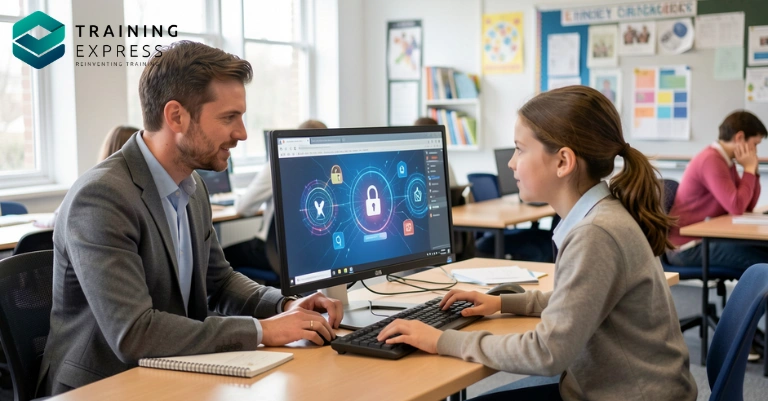
In today’s digital world, safeguarding extends far beyond the classroom walls. Pupils spend a significant amount of time online, making them vulnerable to cyberbullying, online grooming, exposure to inappropriate content, and other digital threats. Teachers and staff must be equipped to recognise the subtle signs that a child may be experiencing harm online, such as sudden behavioural changes, withdrawal from peers, or secretive use of devices.
Schools have a responsibility to integrate digital safety into their broader safeguarding framework. This includes establishing clear policies on internet usage, monitoring school devices appropriately, and providing guidance to pupils on maintaining privacy and responsible online behaviour. Educators should also engage with parents, offering advice on safeguarding at home and reinforcing consistent messages about safe online conduct. Through comprehensive safeguarding training for teachers, staff gain the knowledge and confidence to protect pupils in both physical and digital environments, ensuring that risks are managed proactively and children feel supported at all times.
What Effective Safeguarding Training Looks Like
Not all safeguarding training is equally effective. Research shows that interactive and engaging programmes help staff retain knowledge and apply it in real situations. Case studies, scenario exercises, and reflective learning opportunities allow teachers to see how safeguarding policies work in practice.
Blended learning approaches, combining online modules with in-person workshops, offer flexibility while reinforcing key messages. Short quizzes or follow-up activities throughout the year help consolidate learning. For DSLs, advanced and regularly updated sessions are essential to maintain high standards of expertise. When training is well-structured and continuous, it ensures that staff are not only compliant with statutory requirements but are also genuinely confident in protecting pupils.
Building a Safeguarding Training Calendar
Safeguarding cannot be addressed through a single annual session. A training calendar that spans the academic year helps schools maintain awareness and readiness. Each term can focus on a different aspect of safeguarding, such as online safety, mental health, or Prevent duty compliance.
Brief, targeted sessions can complement longer training days, keeping staff up to date with emerging risks. Role-specific modules ensure that teaching assistants, pastoral staff, librarians, and catering personnel receive guidance relevant to their responsibilities. By planning training strategically, schools embed safeguarding into everyday practice, making vigilance and awareness a continuous process rather than a one-off event.
The Role of Safeguarding Leads and Senior Staff
Designated Safeguarding Leads (DSLs) and senior staff carry additional responsibilities:
- Acting as the first point of contact for safeguarding concerns.
- Maintaining records and reporting to local authorities.
- Providing guidance and support to staff.
- Ensuring staff complete mandatory training.
- Liaising with external agencies for complex cases.

Leadership is crucial in fostering a safeguarding culture across the school. Without strong leadership, even the most well-designed policies may fail in practice.
Evaluating Safeguarding Effectiveness in Schools
Providing safeguarding training is only the first step; schools must ensure that it translates into effective practice. Regular evaluation helps determine whether staff are applying their knowledge consistently and whether safeguarding measures are having the intended impact on pupil welfare. This involves monitoring incidents, reviewing reporting procedures, and gathering feedback from teachers, support staff, pupils, and parents.
Continuous assessment also allows schools to identify gaps in training, update policies, and adapt procedures to emerging risks. By embedding a culture of review and improvement, staff remain vigilant and confident in their roles, and pupils benefit from a safer learning environment. Safeguarding training for teachers becomes more than a statutory requirement—it becomes a dynamic tool that strengthens the entire school’s approach to protecting children and vulnerable adults.
Monitoring, Evaluation, and Continuous Training
Safeguarding is not a one-off task; it is an ongoing commitment. Schools should:
- Monitor safeguarding practices through audits, observations, and case reviews.
- Evaluate staff competence and confidence in responding to concerns.
- Offer regular refresher training, workshops, and updates on legislation.
Embedding safeguarding in the professional development of teachers and staff ensures vigilance, consistency, and improved outcomes for pupils.
Challenges in School Safeguarding
Schools face numerous challenges, including:
- Increasing online risks and digital exploitation.
- Limited staff time and resources for training and monitoring.
- Balancing safeguarding with pastoral support and academic pressures.
- Handling complex cases involving family dynamics, mental health, or multi-agency coordination.
Practical training, clear procedures, and supportive leadership are critical in addressing these challenges.
Creating a Culture of Safeguarding
Ultimately, safeguarding is about culture as much as policy. A strong safeguarding culture means:
- Staff feel confident to report concerns without fear of reprisal.
- Pupils feel safe to share worries.
- Safeguarding is embedded in daily routines and decision-making.
- Continuous improvement is embraced, with learning from past incidents.
Schools that foster such a culture protect children proactively, reduce incidents, and enhance trust among pupils, parents, and the community.

Safeguarding for All Staff Roles
Every member of a school community plays a part in safeguarding. While teachers often carry the most visible responsibility, administrative staff, site teams, catering personnel, and governors also have roles to play. Tailored training ensures that all staff understand what to look for and how to report concerns.
Expanding awareness beyond the classroom creates a stronger safety net. When all adults in the school are alert and informed, children are less likely to fall through gaps, and staff are supported by a shared sense of responsibility.
Conclusion: Safeguarding as a Core Responsibility
Teachers and school staff are guardians of children’s safety, well-being, and development. Safeguarding is a legal and ethical responsibility that permeates every aspect of school life—from classroom interactions to online communication.
Investing in high-quality safeguarding training, clear policies, effective reporting systems, and a culture of vigilance is not optional; it is essential. By understanding their responsibilities, staff can prevent harm, support vulnerable pupils, and create safe environments where children can thrive.
Ongoing training ensures that schools stay compliant with legislation, respond effectively to emerging risks, and maintain public trust. Courses in Child Protection, Mental Health Awareness, and Comprehensive Safeguarding provide staff with the skills, knowledge, and confidence required to meet these responsibilities in full.
Safeguarding is not just a duty; it is a commitment to the welfare of the next generation.
Frequently Asked Questions (FAQ)
Who is responsible for safeguarding in schools?
Every member of staff shares responsibility, with the Designated Safeguarding Lead overseeing procedures and reporting.
What is the difference between safeguarding and child protection?
Safeguarding is the broader responsibility to ensure safety and well-being; child protection focuses specifically on responding to abuse or neglect.
How often should staff receive safeguarding training?
Staff should complete initial training during induction and attend refresher training at least annually.
What should staff do if they suspect abuse?
Report immediately to the DSL or follow school safeguarding procedures; do not investigate independently.
Are schools legally required to have safeguarding policies?
Yes, all UK schools must maintain clear safeguarding policies compliant with statutory guidance.
How can teachers support pupils’ mental health?
By recognising early signs of distress, providing appropriate support, and referring to specialist services when necessary.
What skills do employers look for in remote candidates?
Technical competence, communication skills, self-management and digital collaboration proficiency.

Robert Lawrence
Author | Specialises in Safeguarding & Child Protection
Robert Lawrence is an e-learning specialist and tutor at Training Express, with experience creating practical resources and strategies to support learners and enhance their professional development.